
| Nr | Name | Beschreibung |
|---|---|---|
 |
In der größten Straußenfarm Lettlands in der Nähe von Kuldīga werden gesunde und hochwertige Produkte aus Straußenfleisch zum Kaufen und Führungen durch die Strauß- und Ziegenfarm angeboten. Es wird Verpflegung angeboten. |
|
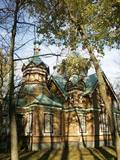 |
Das Gotteshaus befindet sich in der Katedrāles Straße 1. Es ist im Jahr 1893 in den architektonischen Formen der hölzernen Kirchen von Nordrussland (Architekt Vladimirs Lunskis) gebaut worden und es ist das älteste Gotteshaus von Ķemeri. An der Kirche sind 97 im Ersten Weltkrieg gefallene russische Soldaten bestattet worden, denen im Jahr 1925 ein Denkmal – ein schwarzes Kreuz aus Marmor – enthüllt wurde. Unweit von der Kirche kann man einen Brüderfriedhof und ein Denkmal finden, die beide den im Zweiten Weltkrieg Gefallenen und den nach dem Krieg von Verletzungen Verstorbenen gewidmet sind. Laut Erzählungen wurde die Kirche ohne keinen einzigen Nagel gebaut. Die Kirche kann man während der Gottesdienste besuchen, aber die Besucher müssen geeignet angezogen sein! In anderer Zeit ist das Gebäude von außen zu besichtigen. |
|
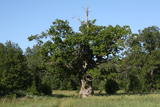 |
The tree is in the middle of an untended field. Despite many dead branches and the messy surroundings, the tree is beautiful and well visible from the road. It is the third thickest tree in the Baltic States.
|
|
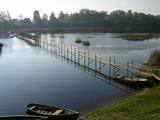 |
Die Flüsse Salaca und Svētupe sind zu den einzigen Orten auf der Welt ernannt, wo man beim industriellen Fischfang der Neunaugen immer noch eine mehr als 150 Jahre alte Methode benutzt: den Fischzaun (einen über den Fluss gebauten Steg mit Fischreusen, insgesamt drei Fischzäune). Unter der Leitung der örtlichen Fischer kann man die Fischzäune besichtigen, den Fischfang beobachten und Vorort gegrillte Neunaugen probieren. |
|
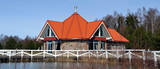 |
Pirts noma, izmitināšana, ēdināšana, banketu zāles noma, internets, makšķerēšana, volejbola laukums. |
|
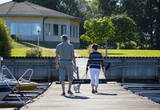 |
Das Hotel liegt in der Nähe des Meeres in einer ruhigen Umgebung, nur einen kurzen Spaziergang vom Zentrum von Ekenäs in Raseborg entfernt. In der Nähe finden Sie Restaurants, Geschäfte, den Bahnhof und die Strände. |
|
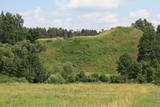 |
Das alte zemgalicshe wirtschaftspolitische Zentrum, das eine stark befestigte Siedlung vor der Ankunft der Kreuzritter war. Die Ruinen der Burg des Livländischen Ordens. |
|
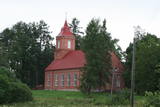 |
Līdz 18. gs. šajā vietā bija koka baznīca, kamēr 1798. g. uzcēla mūra baznīcu, kas cieta 1. pasaules karā, bet 2. pasaules kara laikā to uzspridzināja. Tikai pusgadsimtu vēlāk - 1991. gadā tika uzsākti atjaunošanas darbi, kas joprojām turpinās. Tagad redzamais dievnams ir iepriekšējā līdzinieks. |
|
 10 Tagen
|
Auf dieser Strecke wird Sie die Vielfalt der Bauernhöfe und deren ungewöhnliche Erzeugnisse überraschen. Vorgesehen ist der Besuch mehrerer Bauernhöfe, die Ökoprodukte herstellen. Diese Ökoprodukte können Sie ansehen, probieren und kaufen. |
|
 3 Tagen
|
Here you will learn about home-based manufacturers, farms, companies and others in northern Vidzeme that produce various dairy products such as milk, yogurt, cottage cheese, cheese, ice cream, etc. You’ll start out in Cēsis with its Medieval old town, castle ruins, St John’s Lutheran Church and other destinations. Wind your way through the Gauja National Park (Ungurmuiža, Lake Ungurs, the Medieval castle and church at Straupe). You’ll hit the seashore at Saulkrasti and then drive along it to Tūja, where you will turn inland again. In Limbaži you will find Medieval castle ruins, a monument to the great folklorist Krišjānis Barons and other objects. Drive on to Valmiera (St Simon’s Church, castle ruins, a museum, Emotion Park, etc.), Rūjiena and Naukšēni (the Naukšēni Estate). Along the “Northern Pathway” you will reach Kārķi and then Smiltene and legendary Rauna (the Raunas Staburags cliff) before returning to your starting point. |
|
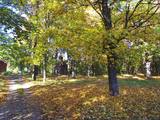 |
Puša Manor - Chapel was built in the end of the 18th century; it is located
in the Pušas Manor park that was built in the middle of the 19th
century. Both are permanent local architectural monuments.
|
|
 3 Tagen
|
The Suiti are a community with among the most colourful and unique cultural traditions in Kurzeme and Latvia. This was confirmed on October 1, 2009, when the cultural territory of the Suiti was included in the UNESCO list of global intangible cultural heritage, thus indicating that the traditions must be preserved. The Suiti territory is also on the list of folk traditions that is part of the Latvian Cultural Canon. Manifestations of this intangible cultural heritage include traditional festivals, habits, oral traditions, traditional singing and musical skills, folk costumes and culinary traditions. Since 2009, the Suiti community has been undergoing a renaissance, with people actively working to restore traditions and ensure their sustainability and promotion at the local, national and international level. The survival of the cultural territory is in the hands of the Suiti themselves, and this is closely linked to the practices and the creativity of community representatives. The Suiti believe the development of tourism in their area to be of great importance in this. This means emphasising a niche in cultural tourism that is based on the broader promotion of the unique cultural heritage of the Suiti. |
|
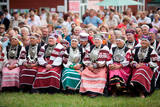 |
Die südöstlichste Ecke Estlands ist ein Gebiet mit einzigartiger kultureller Nuance, hier lebt eine interessante ethnische Minderheit – die Setus. Infolge der historischen Lage an der Grenze ist die Seto-Kultur eine Mischung von östlichen und westlichen Kultur – die Einflüsse kann man in ihrer Sprache, im Lebensstil, in der Küche und bei der Volkstracht erkennen. Besonders einzigartig ist die Gesangstradition der Setos - bezeichnet als Leelo, die zur UNESCO-Liste der Meisterwerke des mündlichen und immateriellen Erbes gehört. Zum Kennenlernen von Setomaa eignet sich am besten die touristische Route „Seto Külävüü“ (Seto Dorfgürtel). Die Route beginnt in Võõpsu und endet in Luhamaa und passiert mehrere Dörfer. Traditionelle Seto Küche gibt es in Tsäimaja im Seto Bauernmuseum (+372 505 4673, www.setomuuseum.ee) und in Taarka Tarõ im Seto Gemeindehaus in Obinitsa (+372 5620 3374, http://taarkatare.com ). Für Gruppen Verpflegung auf Vorbestellung, beim Wunsch werden Auftritte der lokalen Chöre und Führungen angeboten. |
|
 |
Lina, vilnas apģērbu šūšana, galdautu, dvieļu, jostu u.c. tekstilizstrādājumu šūšana. Tērpu darināšana nav tikai darbs, bet arī aicinājums. Tas palīdz izgatavot vissarežģītākās tērpu konstrukcijas. Nemitīgā zināšanu papildināšana kursos ļauj veiksmīgi dzīvot līdzi mainīgajām modes prasībām. Paralēli individuālajiem pasūtījumiem tiek izgatavoti gan apģērbi, gan citi šūtie izstrādājumi tirdzniecībai. |
|
 |
Z / S "Kaņepītes" is a family company founded in 1992. The farm takes its name from the name of the house given to it in 1924. Organic farm where cereals are grown and processed into food. The production of the products is small, but the technique has an ancient atmosphere, a stone, wooden mill that gives a special taste and aroma to flour and oatmeal. Now the assortment already has 30 different product types. |
|
 6 Tagen
|
Auf dieser Wanderroute werden Sie den größten Teil der westlichen Küste von Estland von Pärnu bis Tallinn sehen. Sie werden die beliebtesten Kurstädte von Estland besichtigen: Pärnu und Haapsalu. Sie werden an vielen kleinen Buchten, Kaps, Fischerdörfern und zugewachsenen Wiesen vorbei gehen. Im nördlichen Teil werden Sie am eindrucksvollen Pakri Felsen vorbeikommen. Dort können Sie eine der schönsten Landschaften in dieser Umgebung sehen. Stellenweise wird es Sandstrände und Aufschlüsse von Dolomiten geben. An den zerklüftetsten und feuchtesten Orten werden Sie Waldwegen und Pfaden entlang gehen. Bei der Wanderung werden Sie das militärische Erbe der Sowjetunion in der Stadt Paldiski besichtigen können. |
|
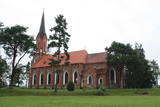 |
The Velēna Lutheran Church is at the crossing of the Smiltene-Gulbene-Lizums roads. It is said that the roof of the first wooden church at this location had a peat moss roof. The organ from the Sauer company still works, and it is one of the best organs in Latvia. The organist offers guided tours of the church. |
|
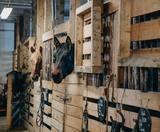 |
Vidzemē, Valmiermuižā, 19.gs. celtā ēku kompleksā, ko iekļauj mūra žogs, atrodas Valmiermuižas stallis un Valmiermuižas jātnieku skola. Tajā saimnieko Jurašu ģimene - zirgkopju, zirgu selekcionāru un vetārstu ģimene daudzās paaudzēs. Ir iespēja doties izjādēs, ekskursijās, kā arī tiek rīkotas radošās nometnes bērniem. |
|
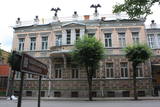 |
Atrodas Rīgas ielā 8 – skaistā, 1883. g. celtā jūgendstila ēkā . Muzejs (viens no Latgales lielākajiem un vecākajiem) tajā darbojas no 1959. g. (pats muzejs dibināts 1938. g.) un tā krājums vēsta par Daugavpils un tās apkārtnes vēsturiskajiem notikumiem. Tajā regulāri tiek rīkotas arī tematiskās izstādes, piedāvātas muzejpedagoģiskas programmas. Te vēl var apskatīt Daugavpilī dzimušā un pasaulē pazīstamā mākslinieka Marka Rotko (1903. – 1970.) gleznu reprodukcijas, kuras no 2013. gada plānots pārcelt uz M. Rotko centru Daugavpils cietoksnī. |
|
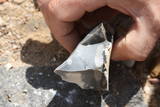 |
Neliela apdzīvota un ainaviska vieta plašajā Skrobļa (Skroblus) strauta ielejā. Ciema austrumu pusē atrodas Lietuvas mērogā unikāls objekts – klēts - rija, kur no 1929. g. vietējie cilvēki uzveda un skatījās lauku teātra izrādes. Netālu no tās (uz abiem objektiem ir norādes) atrodas Skrobļa avoti (Skroblaus versmės), kas iztek no dziļas starppauguru ieplakas. Avotu gan ir appludinājis bebru uzceltais dambis. Dienvidos no ciema atrodas vecs grants karjers, kas ir viena no retajām vietām Baltijā, kur dabā ir atrodami krama ieža gabali, kas atnesti ar ledāju. |
|


