
| Nr | Name | Beschreibung |
|---|---|---|
 |
The restaurant is located half an hour's drive from Madona. Every time dinner "Evening on the Lake" is chosen by other chefs. |
|
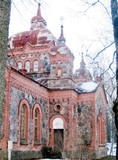 |
Nītaures vēstures takā var apskatīt un iepazīt dažādus vēsturiskus objektus no 13.gadsimta līdz mūsdienām - seno pilskalnu, vācu ordeņa pilsdrupas, luterāņu un pareizticīgo baznīcas, soda vietu un muižas seno apbūvi. |
|
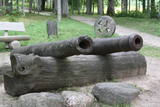 |
Established in 1900 at the place where the Pērse River flows into the Daugava (now the reservoir of the Pļaviņas hydroelectric power plant), the park offers a look at 17th century Swedish cannons and monuments from Medieval graves. Next to the high school in the park is a restored fountain, “Head of a Faun,” which was near the legendary Pērse waterfall during the 1930s. The waterfall is now underwater, but its location is indicated by a stone sculpture, “Girl of Pērse,” which was created by the sculptor Juris Zihmanis. A path leads to an 11 metre high wooden sculpture, “For Eternity,” by the sculptor Ģirts Burvis, and another sculpture, “Little Owl,” which is the work of the Rurāns brothers, both of whom are sculptors of wooden sculptures.
|
|
 |
Auf einer hohen vom Wald bedeckten Düne, wo sich in 14 – 15 Jh. ein heidnisches Heiligtum und eine Sternwarte befand, wurde 1869 eine Kapelle und Skulptur erbaut. Eine Geschichte über Priesterin Birute, die das Großfürsten Kestutis geheiratet und den Sohn Vitautas geboren hat. |
|
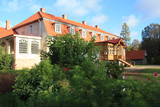 |
Der älteste Komplex des Landguts Oleru begann sich im 17. Jahrhundert zu bilden. Ursprünglich bestand das Landgut aus dem Holzherrenhaus und dem Wirtschaftsgebäude. Ein neues Landgutszentrum ist am Ende des 18. Jahrhunderts im Stil des frühen Klassizismus gebaut worden. Nach der Agrarreform wurde im Wohnhaus des Landguts eine Schule eingerichtet, aber in der Sowjetzeit (bis zu den 70er Jahren) – eine Hilfsschule für zurückbleibende Schüler. 2000 hat das Schloss vom Landgut von Oleru durch Brandt gelitten. Nach dem Unglück begann die Renovierung des Schlosses und die Gesellschaft „Oleru muiža” (das Landgut von Oleru) trägt viel dazu bei. Das Herrenhaus ist durch die Wandmalereien im Stil des frühen Klassizismus berühmt, von denen die sogenannte „Bildgalerie” einzigartig ist. Neben dem Herrenhaus befindet sich ein malerischer Park. Das Landgut von Oleru ist durch Konzerte der Kammermusik bekannt. Unweit vom Landgut befindet sich das Oleru-Moor mit einem Moorsteg und einem Aussichtstürmchen. |
|
 |
Saimniecības laukos ganās ap 300 aitu kupls ganāmpulks, no kura iegūst gaļu un vilnu. Piedāvā ekskursiju, kurā stāsta par aitu audzēšanu, cep maizi, auž un uz ugunskura vāra zupu. Apmeklētāji var iegādāties adītas zeķes, cimdus, segas, lakatus, galdautus un citas saimniecībā noderīgas lietas. Stāsta par atjaunotās mājas vēsturi un kopj latviskās tradīcijas. |
|
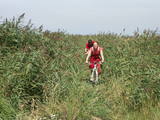 |
Der See Liepāja ist flach und eutrophisch (etwa 40%) und ist einer der wichtigsten Seen zum Nisten und für den Vogelzug an der Ostseeküste. Mehr als 100 verschiedene Vogelarten wurden hier entdeckt. Der See ist nicht weniger wichtig für Pflanzen, die in salzigen Biotopen gedeihen. An der nordöstlichen Küste des Liepāja-Sees gibt es Auenwiesen, die die Heimat für Haustiere sind, die sich an ein Leben in der Wildnis angepaßt haben. Es gibt auch einen Aussichtturm. Das Dammsystem entlang des südwestlichen Teils des Sees kann man zu Fuß oder mit dem Fahrrad (extrem!) erobern, wobei man viele interessante Aussichten und Landschaften genießen kann.
|
|
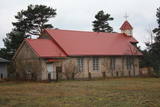 |
Atrodas ciema ziemeļdaļā. Neliela vienstāvu ēka ar svaigi nomainītu jumtu. Pēc vieniem avotiem celta 1883. gadā, citiem – pamatakmens ielikts 1933. g. 1. maijā. Tā tapusi pēc vietējo iedzīvotāju ziedojumiem uz Pirču māju zemes (saimnieks zemi atdevis dievnama celtniecībai). Baznīcas iekārta 2. pasaules kara laikā gāja bojā, tādēļ mūsdienās redzamā ir tapusi 20. gs. otrajā pusē. |
|
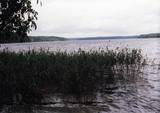 |
Ap 9,5 km garais un līdz kilometru platais ezers atrodas subglaciālā – t.i. ledāja veidotā vagā, tādēļ tas ir ne tikai Lietuvas, bet arī otrs Baltijas dziļākais ezers (pēc dažādiem avotiem 60,5 m vai 62,5 m). Tauragna dienvidu krastā paceļas Taurapils pilskalns (Taurapilio piliakalnis). Saglabājušies nostāsti gan par pagānu priesteri, kas te dzīvojis, gan nogrimušu baznīcu, gan laikiem, kad pilskalnu no visām pusēm apņēmis ūdens. No pilskalna plakuma paveras visaptverošs skats uz Tauragnu. |
|
 |
On the second Saturday of each month, farmers, home manufacturers and craftspeople gather together to offer their products. You will always find tasty and useful things here. |
|
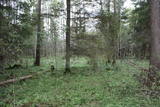 |
One of the rare places (see also Rucavas ivju audze) in Latvia where two rare and protected wild tree species grow - yew-tree and Baltic ivy. Territory is not marked on site with information signs or stands. Territory is not suitable for visitors as visitor without environmental knowledge will see “regular” forest. On the East side of the restricted area is located extending low wall – former narrow gauge railway (600 mm, length 41 km) line Dulbeni – Rucava. Railway was built by German military forces with the goal – to export wood.
|
|
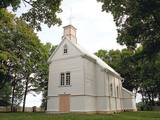 |
Roman Catolic Church of Puša was built in 1743. Financed by Count Šadurskis; managed by Jesuits
mission. There is on organ and 3 altars in the church.
|
|
 |
Saimnieks nodarbojas ar biškopību un apmeklētājiem piedāvā ekskursiju pa saimniecību, stāstījumu par bitēm, medus degustācijas. Iespēja iegādāties pašdarinātas vaska sveces un citus biškopības produktus. |
|
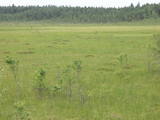 |
Dabas liegums veidots salīdzinoši neliela pārejas tipa purva aizsardzībai. Purvu lieliski var pārredzēt no nelielā skatu torņa.
|
|
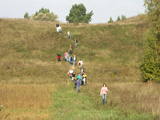 |
Der Pfad führt hinauf zum Gipfel des Burgbergs von Markova (Blick auf das Flusstal), überquert das steile Tal des Bachs Putānu und verläuft zurück zu einem Abhang am rechten Ufer der Daugava, von wo aus man eine herrliche Aussicht auf das altgläubige Dorf Slutiški und den Abhang im Hintergrund hat.
|
|
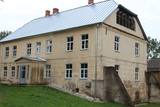 |
Muižas dzīvojamā ēka līdz mūsdienām nav saglabājusies. Šodien Dvietes muižas parkā ir apskatāmas muižas pārvaldnieka māja un trīs mūra saimniecības ēkas. 19. gs. veidots ainavu parks ar laukakmeņu mūrējuma tiltu. Parkā atrodas Dvietes muižas ēkas. |
|
 |
The beautiful, tidy and artfully laid out farmstead is situated in Jaunpiebalga district. The farmstead is naturally encorporated into the landscape, the old barn is renovated and its top floor is a place for the owner’s workshop and exhibition (she is a softwares artist). The old log house has also been renovated, and the sauna has been rebuilt. A small river flows through the farmstead, and there is also a Tuleja mound on the territory, which is a natural landmark protected by the state. |
|
 5 Tagen
|
Ancient trading routes provided not just goods, but also knowledge and culture. The Light’s rout relates to the Reverent Ernst Gluck, who was a writer, the first translator of the Bible into Latvian, and a founder of Latvian children's schools, the Hernhutian movement of brothers, Kārlis Skalbe, the Kaudzīte brothers, Jānis Poruks, Antons Austriņš and their spiritual heritage. People in Vidzeme bake rye, wheat, barley, spelt and grit bread with various seeds, caraway seeds, nuts, dried fruit and hemp seeds. Hemp is used to produce traditional butter, oil and dumplings made with grey peas. It is also added to candies and even chocolate. Barley flour in the past was used only for celebrations, but today people will teach you how to use it to bake water pretzels with salt and caraway seeds. Visit farms and restored windmills to track the route of grain. Taste traditional Summer Solstice cheese, as well as Green cheese and tasty goat cheese. Pipe perch from Lake Burtnieks is a local delicacy, and you will also find trout, catfish and sturgeon, as well as crabs in season. Local meat and fowl dishes are popular, including dishes made with rabbit. Kitchens at aristocratic estates will offer wild game and pheasants with forest goodies and wild herbs. In Vidzeme you can meet the Garlic Queen, who prepares plant powders. Enjoy pies, sheet cakes, honey cakes, desserts of whipped cottage cheese, mountain ash, quince, apples, sweet cream and rye bread, as well as blackberry or apple dumplings. Slake your taste with herbal teas with honey, birch juice, berry lemonades or, if you're looking for something stronger, some tasty beer or wine. |
|
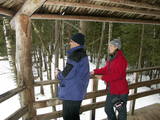 |
An den Ufern von Urstromtal der Gauja und deren kleinen Zuflüsse leben in weiten Gehegen lettisches Freiwild: Edelhirsche, Rehe, Wildschweine, Bären, Füchse, Luchse, verschiedene Vogelarten und Wisente. Im Park wurde ein dichtes Netz an Pfaden angelegt und auch eine Auto- und Fahrradroute, die im Winter als Langlauftrasse genutzt wird. Besucherzentrum.
|
|
 13 Tagen
|
Die Strecke führt durch Jūrmala - den größten Kurort des Baltikums, den Nationalpark Ķemeri, eine urwüchsige Moor- und Sumpflandschschaft, und das Urstromtal der Abava (Naturpark). Entlang der Ostseeküste geht es weiter durch das zur Sowjetzeit nicht öffentlich zugängliche militärische Sperrgebiet (Liepāja Karosta - ehemaliger sowjetischer Kriegs- U-Boothafen) bis zur lettisch-litauischen Grenze. In Litauen führt die Strecke durch Žemaitija (Niederlitauen) bis Klaipeda am kurischen Haff. Von hier aus setzen Sie mit der Fähre auf die Kurische Nehrung über. Die Nehrung ist ein 98km langer Landstreifen zwischen dem kurischen Haff und der Ostsee mit den größten Wanderdünen Europas. Bahnfahrt Šiauliai - Rīga - größte Stadt des Baltikums - UNESCO-Weltkulturerbe. |
|


