
| Nr | Name | Beschreibung |
|---|---|---|
 |
Saimnieki piedāvā vietu, kur aizbraukt brīvā laika pavadīšanai, atpūtā ģimenei Kurzemē. Šeit viesiem ir iespēja aplūkot sākot no dažādu laiku lauksaimniecības tehnikas un darbarīkiem, līdz pat kara laika paliekām, kā arī dažādu laiku sadzīviskos priekšmetus. Katram priekšmetam seko arī stāsti, kas ir piedzīvoti vai tikai dzirdēti. Tāpat apmeklētājiem ir iespēja apskatīt mājas iemītniekus,kas ir veidoti ar pašu rokām. Asākām un patīkamākām sajūtām pieejama 350 metrus gara Baskāju taka. |
|
 |
Eine der drei Anhöhen im Südestland mit malerischen Hügeln und schönen Aussichtsplätzen. Im „Zentrum” der Anhöne legt sich der mit Buchten reiche Pühajärv See (Heiliger See). |
|
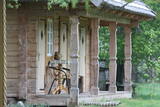 |
Ļoti skaists un ainavisks etnogrāfiskais ciems Balošas (Baluošas) ezera ziemeļu krastā, netālu no diviem iepriekš minētajiem ciemiem. Te apskatāmas interesantas un skaistas koka ēkas, kas celtas no guļbaļķiem, ar niedru vai lubiņu jumtiem un izrotātas ar dažāda veida dekoratīvajiem elementiem. Pirmo reizi rakstos Šumini minēti 1784. g. Savu vārdu ciems ieguva no kādreiz dzīvojošas ģimenes uzvārda. Kā interesantākā ir jāpiemin sena klēts. |
|
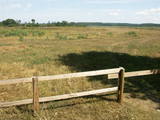 |
Regelmäßig werden die Auenwiesen am Ost- und Südufer des Sees Burtnieks überflutet, sie sind ein wichtiger Nistplatz für den selten gesehenen Wachtelkönig. Ein Natur- und Informationspfad wurde in Vīsrag eingerichtet mit Richtungsangaben, Informationsständen und einem Aussichtsturm.
|
|
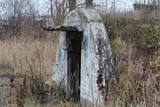 |
Im südwestlichen Teil der ehemaligen Flugplatz von Spilve sind noch immer betonierte Plätze erhalten geblieben. In der Zeit der Sowjetunion wurden diese Plätze als Station für militäre Drehflügler genutzt.
|
|
|
|
„Zaļmuiža” (Green Manor) is notable because of its legendary past. The protector of peasants and poet Peter
Miglinīks (1850 – 1883) worked there as a clerk in the beginning of the 19th century. In 1784, the building belonged
to Frederick von Korf. The manor was bought by officer of Russian army Nikolaj Paulin von Rosenschild. Once
the manor had a large farm (800 ha): several cattle-sheds, fruit and wine cellars, alcohol brewery. Now there in
only a manor house and a barn. Till 1960s, the manor house was the centre of kolkhoz „Liesma”, later the club.
Now there is a smithy of a craftsman Jānis Ļubka. Guests are welcome to watch and try the metal processing.
|
|
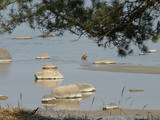 |
Die westliche Küste der Rigaer Bucht ist das ganze Jahr über ein wichtiger Zufluchts- und Nahrungsort für viele migrierende Vögel. Von den geschützten Vogelarten begegnet man hier am meisten dem Sterntaucher und dem Prachttaucher, der Brandgans, der Eisente und der Zwergmöwe. Das Gebiet ist auch sehr wichtig für den Schutz der Riffe. Es befindet sich gegenüber der Regionen Dundaga, Roja und Engure, sowie der Stadt Jūrmala. Die Fläche beträgt 132 173 ha. Das Territorium enthält den Meeresteil vom Naturpark „Engure“ und dem Nationalpark von Ķemeri.
|
|
 |
Das Café befindet sich im Zentrum von Kandava, unweit von dem Marktplatz. Gebäck, Kuchen, Torten, traditionelles Gericht Sklandrausis, Piroggen u.a. |
|
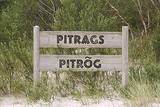 |
Zum ersten Mal wurde das Dorf im Jahr 1582 urkundlich erwähnt. Auf den Sandbänken in der Nähe von Pitrags liegen viele versunkene Schiffe. Im Jahr 1826 wurden in Pitrags elf Bauernhöfe und 190 Einwohner registriert. Um die Mitte des 19. Jh. wurde hier ein Wirtshaus eröffnet. 1937 gab es im Dorf 12 alte Bauernhöfe und 38 Fischerhöfe (vor allem neue Bauernhöfe). Im Dorf gab es mehrere Fischverarbeitungsstellen. In Pitrags lebte die hervorragende Erzählerin der livischen Sprache Marija Šaltjāre (Bertholde, 1860–1930), die mehr als 200 Märchen und Sagen, mehr als 90 Lieder, Spiele, etc. veröffentlicht hat. Das Baptisten-Gebetshaus von Pitrags wurde 1902 erbaut. Während des Ersten Weltkriegs brannte es aus, wurde 1925 wiederhergestellt und Ende des 20. Jh. renoviert. Im Zentrum von Pitrags im Bauernhof Krogi sind 27 Muster der Zäune von der Livischen Küste ausgestellt und hier werden auch Fischräucherei und Verkostung angeboten. |
|
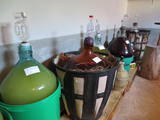 |
Tour groups with at least ten people can enjoy tastings of various homemade wines (23 types in all) that are made of fruits and berries – three types of wine each time. The owner will tell you about winemaking technologies and ways to drink and enjoy wine. |
|
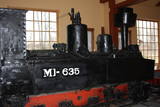 |
In 1916, during the German military occupation of Latvia, prisoners of war were put to work in installing narrow-gauge railroads via which the Germans exported Latvian timber. A narrow-gauge rail network was built through the forests and across the swamps of the Viesīte area. The track width was round 600 mm, and there was a total of 130 km of tracks to connect Viesīte (the central station) to Nereta, Aknīste, Jēkabpils and Daudzeva. The train was used after world War II to transport timber and passengers. The last trip along the line occurred on August 31, 1972.
You can tour the museum individually or with the assistance of a guide. You’ll see an Mi-635 locomotive, wagons for passengers and cargo, a platform to transport timber materials, and two trolleys.
|
|
 |
The large farm is to the South of the centre of Lone, producing apples, pears, plums, cherries, strawberries and black currants. It stores apples during the whole winter. You can help to pick the fruit and berries and purchase them for yourself. |
|
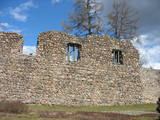 |
Der Bau der Valmiera–Burg wurde 1283 angefangen. Im Laufe des Nordkrieges (1702) wurde die Burg verbrennt, aber am Ende des 17. Jh. wurden die Außenmauern der Stadt abgebaut. Es sind die Ruinen der Burg und die Reste der anderen mittelalterlichen Befestigungsanlagen erhalten. |
|
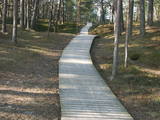 |
Dieses Territorium schützt die Biotope der Küstendünen und der Dünen von Plieņciems, die sich über die ganze Strecke bis nach Ķesterciems erstrecken. Das ist ein vielbesuchtes Gebiet, aber das Objekt Plieņciems wurde nicht ausgebaut. Es gibt jedoch einen hölzernen Fußweg durch die Düne zwischen Plieņciems und Ķesterciems. Hier wurde auch ein Erholungsgebiet errichtet.
|
|
 |
Farm is located ~1 km to the north of Puikule near to the former Limbazi railway, in the territory of North Vidzeme Biosphere Reserve. The farm breeds sheep of the Latvian dark-head breed from which wool, hats, scarves, souvenirs etc. are made by felting. They can be purchased in the farm. Sheep graze in nearby meadows, thus promoting plant diversity in the area. About the role of pets in maintaining biodiversity can also be read on the bench in the yard. In the barn house is a collection of household items. Visitors can take a guided tour and buy souvenirs. |
|
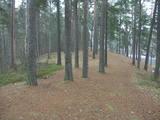 |
Dieses Territorium soll die “grüne Zone” von Riga schützen. Der größte Teil des Parks ist mit Kiefernwald und Dünen mit Sträuchern darauf bedeckt. Der See Beberbeķi befindet sich im südlichen Teil des Parks. Das Gelände um den Park herum wurde verbessert.
|
|
 |
Restaurant Ankur ist ein gemütlicher Ort, an dem hausgemachte Speisen aus hauptsächlich örtlichen Produkten angeboten werden. Besonders beliebt ist der Fisch aus dem Peipussee. Im demselben Gebäude befindet sich auch ein Hotel. |
|
 |
Burtnieku muižas parks, kas atradās kungu ēkas priekšā, ir valsts nozīmes dabas aizsardzības objekts, tika izveidots ap 19.gs. 60. gadiem 10 ha platībā. Iespēja doties ekskursijā pa Burtnieku muižas parku mazākā vai lielākā grupā. Ekskursijas laikā gida pavadībā iespējams iepazīt teikām un nostāstiem bagāto parku, apskatīt teiksmaino Burtnieku ezeru, kā arī baudīt nesteidzīgu pastaigu svaigā gaisā. Papildus tiek piedāvāta iespēja iegādāties oriģinālus Burtnieku suvenīrus, kuros dažādi meistari ielikuši ne vien savu talantīgo roku darbu, bet arī Burtnieku stāstu. Lai diena būtu piepildīta, gids ieteiks, ja nepieciešams, koordinēs un dosies līdzi apskatīt arī citus dabas un vēstures objektus tuvākajā apkārtnē. |
|
 3 Tagen
|
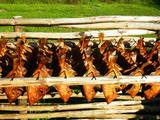
The Liv Coastline involves a series of shoreline villages from Ovīši to Ģipka along the shores of the Baltic Sea and the Bay of Rīga. Like Latvians, Livs are an indigenous population in Latvia, with ancestors who lived here at least 5,000 years ago. They populated extensive parts of Kurzeme and Vidzeme, and the area in which they lived the longest was Northern Kurzeme, on the shores of the Baltic Sea. Today visitors to the Liv Coastline mill meet real Liv fishermen, feel the aroma of smoked fish, enjoy traditional dishes, look at diverse ancient fences, learn about the reticent charm of the local landscape, enjoy the place where two seas, birds and people meet at Cape Kolka, hear the Liv dialect of the Latvian language, see rounded hillocks and swampy areas, visit the Šlītere lighthouse, and see the green-white-blue Liv flag, red bilberries, bird migration routes and blue cows. The oldest evidence of the life of Livs can be found in the Liv centres. The Liv language and culture are still alive in place names, handicrafts, folk costumes, and the world view and lifestyle of people who live in the area. The Liv language and cultural values are part of Latvia's national cultural heritage, and traditional Liv culture is part of the Latvian Canon of Culture. |
|
 6 Tagen
|
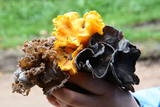
This is for people who enjoy forests, wildlife, local traditions and has a specific interest in the different species of funghi. Everyone could try their hand at mushrooming, identification and by the end of the day together with guide sort out the collected mushrooms. The tour passes several national parks and late back villages. The group will also visit to one of shitake mushroom growers for comparison reasons. |
|


