
| Nr | Name | Beschreibung |
|---|---|---|
 |
Die größte Bernsteinausstellung im Baltikum (seit 1963) mit Bernsteineinschlüssen. Ist die Bedeutung des Bernsteins in der Geschichte des baltischen Völkern wiedergespiegelt. Das Museum ist in einem dem Grafen Tyszkiewicz (1865 – 1932) gehörteten Schloss (gebaut 1897) eingerichtet. |
|
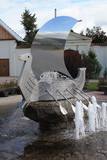 |
Arī 18. novembra laukums. Tas sācis veidoties 18. gadsimtā kā tirgus laukums. Tā dominantes bija 1752. g. celtais rātsnams (nav saglabājies) un aptieka, kas šajā ēkā darbojas no 1810. g. līdz pat mūsdienām. 2010. gadā laukumā izveidota strūklaka, kam ir pilsētas ģerboņa forma. |
|
 1 Tag
|
Ekskursijas laikā apmeklējiet dabas taku, kurā ir iespēja iepazīt Amatas novada dabas objektus gar Kumadas upes, Dančupītes un Amatas upes krastu. Pēc tam apmeklējiet Cēsu pils kompleksu. Viduslaiku pils sniedz iespēju iejusties 800 gadus tālā pagātnē, uzkāpt ar sveču lukturīšiem Rietumu tornī, nokāpt cietumā, kā arī redzēt, kā kalējs darina latgaļu rotas. Blakus esošā Jaunā pils ir 18. gs. celta pilsmuižas kunga māja, kurā tagad atrodas Cēsu Vēsture un Mākslas muzejs. Ekskursijas noslēgumā dodieties uz lauku māju Smiltenes novadā, lai iepazītu maizes cepšanu pēc sentēvu tradīcijām, kā arī pašiem izveidot savu maizes kukulīti. |
|
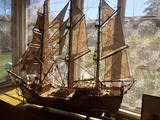 |
Noch vor 20 – 30 Jahren wohnten in Roja Ilga Veidemane und LaimonisVeidemanis, die gehörlose Leute waren und schafften mit großer Liebe Segelschiffmodelle verschiedener Größe. Ein unrealisierter Traum über alte größe Schiffe und das weite Meer lag zu Grunde des Schaffens der Segelschiffmodelle. Diesen Leuten war leider nicht vergönnt, das weite Meer zu befahren. Die Segelschiffmodelle wurden mit hoher Präzision, Sorgfalt und großer Liebe gemacht, ohne irgendwo Geheimnisse des Schaffens der Segelschiffmodelle zu erlernen. Diese Sammlung hat jetzt die Enkelin von Laimonis Veidemanis geerbt, die diese wunderschöne Sammlung und das Bemühen des Großvatters einem breiten Publikum zeigen möchte. Die Gastgeberin erzählt den Besuchern über das Schaffen der Segelschiffmodelle. (Die Quelle: Roja TIZ) |
|
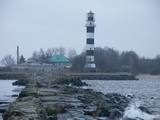 |
Die 860 m lange Westmole (gebaut 1885) regelt zusammen mit der Ostmole die Mündung des Flusses ins Meer und reduziert die Verschlammung. Eine Holzpfahlbauweise bildet die Gründung der Wasseranlage, die mit Steinen befestigt ist. Die Mole wurde mehrmals rekonstruiert und befestigt. Im 19. Jahrhundert befand sich auf der Mole ein Zuchthaus. Während des Wiederaufbaus der Mole wurde etwa eine Hälfte der Mole betoniert. Das andere Teil befindet sich zurzeit im recht schlechten Zustand! Schon 1528 hat der König von Polen Stephan Báthory einen Erlass über den Bau eines Leuchtturms an der Mündung des Flusses Daugava verabschieden. Die erste Karte, auf der der Leuchtturm dargestellt ist, stammt aus dem Jahr 1536. In der Leuchtturm-Abrechnung des Russischen Reiches im Jahre 1721 wurde angezeigt, dass sich hier eine Anhäufung der Steine befindet, auf der man Feuer anbrennt. Später wurden Türme aus Holz und Stein gebaut, die während der Kriegszeit vernichtet wurden. Der jetzige Leuchtturm von Daugavgrīva wurde 1957 gebaut und ist 35 m hoch. Ein Lichtblitz ist aus einer Entfernung von 18 Seemeilen sichtbar. |
|
 |
Die Kornkammer befindet sich am Rand der Straße Dviete – Bebrene. Das erneuerte Haus ist im Jahr 1874 gebaut worden. Nach dem Ersten Weltkrieg bis zum Jahr 1929, als die katholische Kirche von Dviete erneuert wurde, wurde diese Kornkammer als ein Gebetsraum verwendet. |
|
 |
Der Bauernhof mit schönstem Garten im Kreis Viljandi bietet Urlaubsmöglichkeit sowohl für Hobbygärtner als auch Naturliebhaber, Im Garten wachsen viele interessante Pflanzen, ein Naturpfad führt zum Urtal Paistu. |
|
 |
Das Unternehmen ist schon mehr als 40 Jahre tätig und ist heutzutage in der Milchverarbeitungsbranche im Baltikum konkurrenzfähig geworden. Hier werden Milch, Kefir, Quark, Joghurt, Butter, Käse und andere Milchverarbeitungsprodukte hergestellt. Die Produktion kann man in einem zum Betrieb nahegelegenen Geschäft kaufen. Eines der fünf lettischen Unternehmen, das den weichen Kümmelkäse "Jāņu" herstellen darf, der als garantiert traditionelle Spezialiät in das EU-Register eingetragen ist. |
|
 |
The steep shores of Jūrkalne are one of the most popular tourist destinations in Kurzeme. The shores are up to 20 m high, washed by the waves and mostly made of sand and narrow bands of pebbles and stones. Opposite the centre of Jūrkalne is a viewing platform and a set of stairs that lead to the sea. The shore continues in the direction of Pāvilosta and Ventspils. |
|
 |
Die Gäste erwartet ein gesundes, für die Gegend charakteristisches Öko-Essen. Hier kann man das nationale Kulturerbe, verschiedene Legenden kennen lernen sowie Leckereien und Souvenirs kaufen. |
|
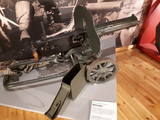 |
Ikšķiles vārds Pirmā pasaules kara laikā izskan saistībā ar diviem notikumiem – Ikšķiles priekštilta nocietinājumiem (Nāves sala) un kaujām pie Mazās Juglas upes. 1917. gadā 1. septembra rītausmā Vācijas impērijas armija uzsāka uzbrukumu iepretim Ikšķilei ar mērķi ieņemt Rīgu un saņemt gūstā Krievijas 12. armiju. Ar spēcīgu artilērijas atbalstu vācu vienības izsita Krievijas armijas karavīru daļas no Ikšķiles pozīcijām, kas savukārt ļāva Vācijas armijas karavīriem pa trim pontonu tiltiem šķērsot Daugavas upi. 1.septembra pēcpusdienā vācu izlases vienības sasniedza Mazās Juglas upes apkārtni pie Tīnūžiem, kur tām negaidīti ceļu aizšķērsoja no rezerves steigā atsauktā 8000 vīru lielā 2. latviešu strēlnieku brigāde, kura ieņēma pozīcijas gar Mazās Juglas upi. Latviešu strēlniekiem tika pavēlēts aizkavēt vācu karavīrus, līdz visa 200 00 vīru lielā Krievijas 12. armija izies no aplenkuma, nenokļūstot vācu gūstā. Latviešu strēlnieki savu uzdevumu izpildīja pilnībā, diennakti cīnoties pret gandrīz desmitkārtīgu vācu pārspēku. Kauja pie Mazās Juglas upes bija viena no traģiskākajām un reizē viena no leģendārākajām Latvijas vēstures lapaspusēm. "Tīnūžu muižā" ir izveidota 1. Pasaules kara tēmai un Juglas kaujām veltīta ekspozīcija. |
|
 |
Das Café befindet sich auf dem Marktplatz von Vecpiebalga, gegenüber der evangelisch-lutherischen Kirche. Es arbeitet mit lokalen Bauern zusammen und verkauft die Produkte der Räucherei Piebalgas kūpinātava. Lettische Küche: Knusprige Schweinhautstücke, Kartoffelpfannkuchen, kalte Rote-Beete-Suppe, gebratenes Schweinefleisch, Lammwürste mit geschmortem Kraut, hausgemachte Bratwürste, Zanderfilet, dünne Pfannkuchen, in Piebalga gesammelter Honig, Sumpfbrombeeren-Marmelade, Erdbeersuppe mit Eis. Das besondere Gericht: Soljanka von "Ķeņcis". |
|
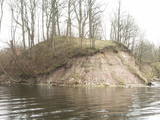 |
Where the little Rumbiņa river flows into the Daugava (on the left bank of the little river opposite the Lielvārde park), there is the Dievkalns castle hill that has been reduced by the waters of the Daugava. It is also known as the Cepure hill. According to antiquities that have been found here, representatives of Baltic tribes lived here from the first millennium BC to the 6th or 7th century AD. The level of the Ķegums hydroelectric power plant can be reached by a staircase from which the best view of this object can be found.
|
|
 |
The farm has a fabulous apple orchard and also grows potatoes and strawberries. You can buy apples and taste strawberries. |
|
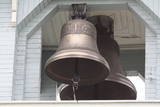 |
Das Gotteshaus ist im Jahr 1895 gebaut, aber im Jahr 1906 umgebaut worden. Auf seinem Turm befinden sich drei Glocken, die aus Silber und Kupfer gegossen sind und von denen eine zu der größten Glocke (4832 kg) in den baltischen Staaten ernannt worden ist. Neben dem Gottsehaus befindet sich ein Museum, das mit der Kultur und dem Kirchenleben der Altgläubigen bekannt macht. Dieser Ort ist einer der seltenen Orte der Altgläubigen, der öffentlich zugänglich ist. |
|
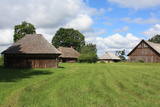 |
Das Dorf befindet sich 7km nördlich des Zentrums von Vecpiebalga. Hier kann man für die Gegend typische Landhöfe und Handwerkerhäuser des 19.Jh. mit Arbeitsgeräten und Gegenständen des täglichen Lebens besichtigen, auch eine kürzlich erneuerte Windmühle. Im Dorf leben auch heute noch einige Bewohner. Es empfiehlt sich, das Museum mit einem ortskundigen Führer zu besuchen. |
|
 |
Das Wirtshaus befindet sich im historischen Zentrum von Jekabpils an dem Damm des Flusses Daugava. Es zeichnet sich durch sein Angebot an exotischen Speisen aus. Lettische Küche: Käsesalat, Steinpilzsuppe, Topf mit Hähnchen- oder Schweinfleisch, Erdbeersuppe mit Eis. |
|
 |
Klusā lauku teritorijā un priežu jaunaudzes ielokā atrodas ģimenes uzņēmums ar videi draudzīgu saimniekošanas filozofiju - "LavenderVilla". Teritorijā ir izveidots lavandas lauks un lavandas labirints ar ~ 6000 lavandas stādiem. Saimniecības apmeklētājiem tiek piedāvāts iepazīties ar lavandas audzēšanu, ko izmanto dizaina priekšmetu, ēteriskās eļļas un tējas ražošanai. Papildus tiek piedāvāti naktsmītnes pakalpojumi lavandas un zāļu atpūtas namiņā, pasākumu organizēšana (joga līdzās lavandām, tematiskie pasākumi, kāzu ceremoniju vieta u.c.), pirtnieka pakalpojumi, fotografēšanās iespējas lavandas laukā un lavandas pārtikas produktu degustācijas. |
|
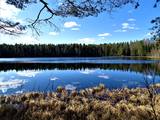 |
Ķekavas novadā, Daugmales pagastā atrodas jauka atpūtas vieta - Lejas ezers. Ezeram var apiet apkārt, taka nav marķēta un iešana ir pa mazām meža taciņām. Slapjākā laikā taciņas vietām var būt mitras un dubļainas. Pastaiga aizņems aptuveni stundu. Pie ezera ir iekārtotas vairākas piknika vietas. |
|
 |
Das Unternehmen „Preilu siers” ist die größte Käserei in Lettland, die ~ 90 % der Erzeugnisse ausführt. In einem nehegelegenen Geschäft „Preilis” (Daugavpils Str. 66 a) ist die breiteste Auswahl der Produktion des Unternehmens „Preilu siers”. Verkostung von Käse und Ansehen des Films bietet auch die Bistro „Preilene” (Preili, Rēzeknes Str. 15) an. In Preili befindet sich das einzige in Lettland Käsedenkmel (nur einige in der ganzen Welt). Noch in der Stadt sind 6 Käseskulpturen zu sehen. Preili nennt man die Käsehauptstadt von Lettland. |
|


