
| Nr | Name | Beschreibung |
|---|---|---|
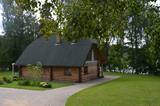 |
The holiday houses are located near Lake Ieva, 30 m from the lake shore. On the 1st floor of the holiday house - lounge with fireplace and glazed veranda, sauna (50.00 EUR / evening), small kitchenette, toilet. Outside-small terrace overlooking the lake. On the 2nd floor there are 2 isolated rooms and 10 beds. By the lake - a fireplace, a well-groomed swimming area with a footbridge. Boats and catamarans can be rented. |
|
 |
Saimniecība audzē dažādus dārzeņus, lapu salātus, gurķus, dilles, ķiplokus, brokoļus, ziedkāpostus, sīpolus, ķirbjus, bietes utml. Vasarā un rudenī pieejamas avenes. Pārdošanā svaigi dārzeņi un augļi. |
|
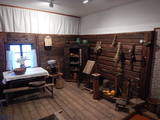 |
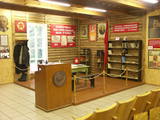
Die Exposition des Museums spiegelt drei Hauptbereiche wieder: Die Geschichte des ethnografischen Ensemble „Suitu sievas“, eine für die Region der Suiten typische Wohnzimmereinrichtung mit diversen Haushaltsgeräten, sowie alte Fotografien, die die Geschichte der Stadt wiederspiegeln. Auch für die Suiten typische Volkstrachten mit unterschiedlichen Details sind zu sehen. Dazu wurde eine Weberwerkstatt eingerichtet. (Der Name „Suiti“ kommt von dem der Jesuiten, Alsunga war die einzige katholische Region im ansonsten lutherischen Kurzeme. Viele ihrer Traditionen sind bis heute ungebrochen überliefert. Anm. d. Ü.) |
|
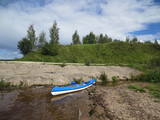 |
Ein Platz eines alten und bedeutenden Handels- und Handwerkszentrum am linken Ufer des Stausees des Rigaer Wasserkraftwerkes, der sich über den Fluss auf 15 m erhöht. Man nimmt an, dass bei einem kleinen Bach – einer Mündung des Flusses Varžupīte nahe der Wallanlage von Daugava sich ein in den historischen Unterlagen erwähnter Hafen von Semgallen befand. Gemäß gefundenen alten Gegenständen kann man behaupten, dass die Wallburg und eine alte Stadt am Fuße der Wallburg bis zum Ende des 12. Jahrhunderts besiedelt waren, als die Bedeutung von Daugmale von der rasch wachsenden Stadt Riga verringert wurde. Der Fuße der Wallburg ist befestigt. |
|
 |
Das Café befindet sich im Zentrum von Saldus. Lettische Küche: Sauerkrautsuppe, Suppe mit Fleischbällchen, Rote-Beete-Suppe, Ampfersuppe, kalte Kefirsuppe, Kartoffelpfannkuchen, dünne Pfannkuchen, geschmorte Schweinerippen, hausgemachte Frikadellen, Gastmahl des Bauers, Haferflockencreme, geschichtetes Haferflocken- oder Roggenbrot-Dessert. |
|
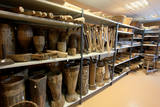 |
Ethnographic and household storage in Sarkaņi offers craft tools collection, furniture and household collection, 19th and the end of the 20th century living room furnishings, and the exhibition dedicated to Madona countrymen. (Source: Madona TIC) |
|
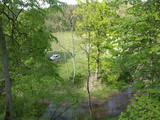 |
The viewing area is near the top of the Vilce castle hill, with a view of the Rukūze River valley, Zaķi meadow, and surrounding forests. This is an unusual landscape for the region of Zemgale. The Vilce baronial estate is nearby.
|
|
 |
Atrodas vēsturiskā rātslaukuma dienvidu malā. Jaunā rātsnama celtniecība (itāļu renesanses stilā, arhitekts O. Dīce) tika pabeigta 1860. gadā. Iespaidīgo celtni, kas nulle kā atjaunota, ir vērts apskatīt gan no āra, gan iekšpuses. Ir restaurēts rātsnama pulkstenis, ārējā fasāde, iekšējie interjeri un Lielā zāle. |
|
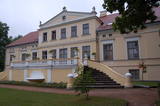 |
Das Wohnhaus des Landgutes ist im 19. Jh. gebaut worden. Im Jahr 1932 hat das damals vernachlässigte Landgut der lettische Zeitungskönig Antons Benjamiņš gekauft. Heute befindet sich das Landgut wieder im Besitz der Familie Benjamiņš und dort ist eine private Fotoausstellung über die Reisen und das Leben von Antons Benjamiņš eingerichtet. |
|
 |
The ship "Baltā Kaza" transports tourists along the Daugava and also acts as a ferry from Jaunjelgava to Skriveri. In the summer season it runs at regular times. Excursions and trips to the Love Island, Aizkraukle castle ruins, Ķegums HPP, etc. are also possible. Other routes are possible. 25 passenger seats. During the trips you can get acquainted with the narration of cultural-historical, historical and biological objects on both banks of the Daugava. The owner organizes events and concerts both on the Daugava and on the bank of the Daugava. Possibility to rent SUP boards, rowing and canoe boats, catamarans at the berth. |
|
 1 Tag
|
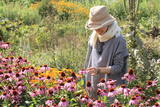
The distance from Riga to Tallinn is more than 300 km and it takes approx. 5 hours by bus. Therefore we suggest stopping on the way for a brief excursion to a herb farm and lunch in a country pub. This stopover is approx. 1.5 hours’ drive from Riga, just at that point when one needs to stretch one’s legs and enjoy a change of scene. The visit will give an insight in rural life and it may surprise visitors to learn how well Latvians understand nature, knowing and using herbs for food, health and beauty. After the excursion, the group will have lunch in a country pub serving meals made from locally grown ingredients. |
|
 |
Die Stadt Madona ist möglicherweise die einzige Stadt in Lettland, auf deren Gebiet sich im 9. Jh. eine Wassersiedlung befand. Die Reste dieser Siedlung haben sich unter Wasser im Norden des Sees Salas ezers / Baznīcezers (Inselsee oder Kirchensee) erhalten. Bis zum Ende des 19. Jhs. befand sich an der Stelle der heutigen Stadt ein kleines Landgut, das denselben Namen Madona hatte und das die Letten Birži genannt haben. Im Jahr 1898 wurde mit dem Bau der Schmalspurbahn zwischen Stukmaņi (Pļaviņas) und Valka begonnen. Mit der Entwicklung der Eisenbahn entwickelte sich auch die Stadt selbst. Heute ist die Stadt Madona eine gepflegte Stadt mit ihrem der Kleinstadt charakteristischen Charme. Es ist interessant, dass diese Stadt als eine der am höchsten ü.d.M. gelegene Stadt in Lettland angesehen werden kann. |
|
 |
Das einzige Museum solches Maßstabs unter freiem Himmel im Baltikum. Gegründet in 1999. Die Ausstellungsobjekte einbezogen die monumentalen Denkmäler spiegeln die sowjetische Ideologie wieder. Ein Minizoo. |
|
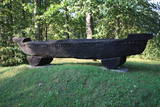 |
3 km to the south of the centre of Jūrkalne, near the old (gravelled) road between Liepāja and Jūrkalne, is the place where the three-year Feliksberga Maritime School existed between 1871 and 1902. The building is long gone, and the memorial has involves an oaken boat with two wooden poles on which old ownership signs have been engraved. |
|
 |
Rukši ir bioloģiskā saimniecība, kura audzē HEREFORD šķirnes liellopus, bariņu blējošas aitas ,vistas. Ar ambiciozu skatienu nakotnē par iespējām nodrošināt ar kvalitatīvu liellopu gaļu visus izsalkušos. |
|
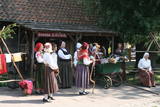 |
2003.gada decembrī folkloras kopa „Atštaukas” izveidoja folkloras centru „Namīns”, kurā svin svētkus, organizē Jāņu ielīgošanu, Lieldienu iešūpošanu, Miķeļdienas tirgu, Annas dienas Saimnieču svētkus, tautiskos Ziemassvētkus. „Atštaukas” palīdz saglabāt un popularizēt dažādus latviešu tautas godību rituālus, gan kāzu, gan arī bēru tradīcijas. Folkloras centrā „Namīns” darbojas arī skola, kurā bērniem tiek mācīta folklora un tautas tradīcijas. |
|
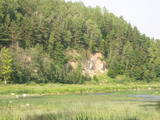 |
Das ist eine der schönsten Gegenden entlang der Venta und ihrem Nebenfluss, dem Šķērvelis. Die Flusstäler und ihre Schluchten sind ziemlich tief. Dolomit- und Sandsteinklippen kann man hier und dort ausmachen, auch Stromschnellen gibt es im Fluss. Die größten Felsen in Kurzeme – die Ātraiskalns- und Gobdziņi - Felsen – befinden sich an den Ufern der Venta. Die katholische Kirche Lēni ist in der Nähe des geschützten Gebietes. Die Venta ist ein beliebtes Ziel für Wassertouristen, vor allem der Abschnitt zwischen Nīgrande und Kuldīga.
|
|
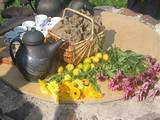 |
Der Heilpflanzenhof „Kurmīši“ befindet sich in der sauberen und landschaftlich reizvollen Gegend des Naturparks Schleifen der Daugava, und dem Landschaftsschutzgebiet Obere Daugava. Damit die natürlichen Standorte der Heilpflanzen erhalten bleiben, werden auf dem Hof „Kurmīši“ seit 1994 etwa 40 Heilpflanzen (Arten und Sorten) angebaut. Für Liebhaber von Arzneipflanzen und sonstigen Besuchern werden Führungen zum Thema Anbau und Verarbeitung von Heilpflanzen sowie zur Imkerei auf dem Hof angeboten. Anschließend kann man die Erzeugnisse des Hofs, Kräutertees, die mit Honig am schmackhaftesten sind, verkosten und kaufen. Eine besondere Atmosphäre entsteht durch die Kerzen aus echtem Bienenwachs. Auf dem Hof sind Picknickplätze vorbereitet und es werden Kerzen gegossen. Entsprechend kann man auch edle Souvenirs aus Bienenwachs kaufen. |
|
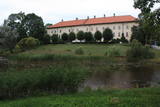 |
One of the largest castles in Kurzeme, this building has been preserved in fairly good shape. Work on its began in the mid-13th century, and it was commissioned by the heads of the Dome Cathedral in Rīga. In 1434, the estate was bought by the bishop of Kurzeme. The Maidel and Osten-Sacken dynasties owned it from the 16th to the 20th century. The Dundaga Castle burned down twice and has been rebuilt many times. The last reconstruction was in 1905, after the castle was burned down during the revolution. Of interest on both sides of the castle’s door are stone carvings of a knight and a bishop. In recent years, the hotel in the castle has been renovated, as has the second floor hallway and a terrace that is popular for weddings. There are many legends about the castle, including one about a wedding of elves and another about the Green Lady. Today the building houses the Dundaga School of Music and Art, a hotel, party rooms, the Dundaga Tourism Information Centre and various exhibitions. It is worth finding a guide to tour the castle. Groups of tourists can also order tastings of local foods. |
|
 |
Das Café Roomassaare befindet sich nicht weit von Kuressaare entfernt und bietet einen malerischen Ausblick auf den Jachthafen Roomassaare. In der Sommersaison werden im Café hauptsächlich Gerichte aus lokalen Produkten zubereitet und den Gästen einfache und reine Kombination aus lokalen Geschmäcken angeboten. Ohne Fisch geht es nicht! |
|


