
| Nr | Name | Beschreibung |
|---|---|---|
 |
Das Landhotel „Karpynė“ ist zentral in Litauen gelegen. Der Name „Karpynė“ leitet sich von dem Fisch Karpfen her. Alljährlich finden hier Veranstaltungen im Zusammenhang mit Fischfang statt. Die Gäste können sich selbst Fische fangen und sie haben die Möglichkeit, diese auch selbst zuzubereiten. |
|
 |
Die Brigade der Zenitraketen und der Stab der Meldegänger wurde für die Gewährleistung, Planung und Koordination der militären Funkverbindung genutzt. Zur Zeit wird das Objekt nicht genutzt und es wurde zu dem Zentrum der Repatriierung Lettlands und der Kristlichen Mission übergeben.
|
|
 |
Auf dem Urbo-Hügel befindet sich der 1953 ronovierte schönste Leuchtturm an der Küste Litauens. Das Licht von diesem Leuchtturm kann man in einer Entfernung von 22 Seemeilen sehen. |
|
 |
Auf dem Bauernhof werden Ziegenmilchkäse und andere Ziegenmilchprodukte hergestellt. Hier werden Ziegen, Schafe, Kaninchen und Hausgeflügel gezüchtet. Die Produkte können Sie auf Vorbestellung kaufen, im Sommer werden auch Führungen durch den Bauernhof veranstaltet. |
|
 |
Meklējams pie Pāvilostas tilta pār Saku (Meža iela). Te apskatāms 2005. g. restaurētais un uz postamentiem novietotais Pāvilostas zvejnieku kuģis, ar kādu tie zvejoja pagājušā gadsimta 50. – 60. gados. Šāda tipa kuģus būvēja Vācijas Demokrātiskajā republikā. |
|
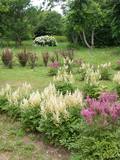 |
The park was founded by the gardener Arvīds Janitens. Professor Raimonds Cinovskis has said that Arvīds is just amazing, because he alone did work that would usually be done by a big group of people. This is one of the most popular tourism destinations of its kind in Latvia.
|
|
 |
Das Café ist auf Fischspeisen spezialisiert. Bei den Verkostungen werden mindestens sieben Fischspeisen angeboten: Schnitzel, Salate, Kanapees, Frikadellen, Marinaden, Piroggen u.a. Lettische Küche: Kalte Suppe, Strömlinge in Marinade, gebratene Flunder, gebratener Kabeljau, geschmortes Schweinefleisch, dünne Pfannkuchen, Kartoffelpfannkuchen. Das besondere Gericht: Soljanka von Būda. |
|
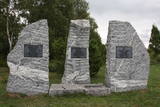 |
Eine der größten befestigten Siedlungen im Bezirk Harju, befindert sich auf einer Erhebung des natürlichen Kliffs Nordestlands. |
|
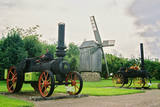 |
Das Estnische Landwirtschaftsmuseum befindet sich in der Nähe von Tartu, im Gutshof Ülenurme. |
|
|
|
Traditionelle Spielzeuge von verschiedenen historischen Perioden und Völkern. |
|
 |
Teehaus in Alsunga. In dem Teehaus kann man köstliche Kräutertees und hausgemachte Kuchen probieren sowie kulturelle Veranstaltungen und eine einzigartige traditionelle lettische Kräutertee-Zeremonie genießen. |
|
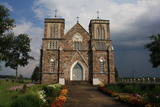 |
Atrodas skaistā vietā – Elernes loka ziemeļdaļā, Daugavas senielejas malā. Mūsdienās redzamais dievnams celts no tēstiem laukakmeņiem iepriekšējo vietā laikā no 1934. - 1961. gadam. Pēc baznīcas uzcelšanas padomju vara tajā izvietoja klubu, tādēļ draudze baznīcu atguva tikai 1989. gadā. Šīs vietas agrākais nosaukums – Naujene (Novene) ir lietuviešu cilmes. Savukārt, Juzefovas vārds cēlies no vietējā muižnieka Juzefa (Jezupa) Šadurska. |
|
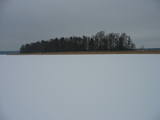 |
Es gibt sechs Inseln im Großen Baltezers – See – die Inseln Auzu, Priežu, Mazā, Liepu, Ropažu und Meldru. Sie zeichnen sich durch eine große Pflanzenvielfalt aus, einschließlich Laubbäumen, Schwarzerlen und Kiefern. Das Territorium kann ganz gut von der Seite der lutherischen Kirche Ādaži aus betrachtet werden. Der Große Baltezers – See ist ein beliebter Ort zum Angeln, einschließlich Eisangeln während des Winters.
|
|
 3 Tagen
| ||
 |
The viewing tower is on the western part of the Blue Hills of Ogre, not far from the Dubkalni quarry. Paths lead to the tower, as does a wooden staircase. The viewing platform offers a very broad view of the Ķegums hydroelectric power plant reservoir and the towers of
|
|
 |
Atpūtas centrā tiek piedāvāta iespēja atpūsties brīvā dabā kolektīviem vai individuāliem apmeklētājiem. Iespējams izmēģināt dažādus metamos ieročus (nažus, cirvjus u.c.), kā arī šaušanu ar dažāda veida lokiem, arbaletiem, pneimatiku u.c. |
|
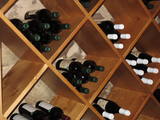 |
In the 400-year old manor’s cellars (possibly the oldest in Latvia) one is offered to taste the home-made wines produced in Kurzeme (3-7 different wines), as well as the special wine of Shlokenbeka manor with the indigenous countryside goods (you are promised a suprise!) |
|
 |
You can go fishing on Lake Usma and then the lady of the house will cook tasty fish soup and smoked fish from what you catch. You can rent a boat, take part in fishing and casting of nets (in the winter, too), or take a cutter trip on the lake. You can also taste canned smoked bream and go horseback riding. |
|
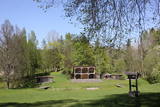 |
(In Silmači spielt ein beliebtes Theaterstück des lettischen Dichters Rudolfs Blaumanis, das allerjährlich zur Sommersonnenwende vielerorts aufgeführt wird: Schneidertage in Silmači („Skroderdienas Silmačos”). Nach Silmači muss man durch den Pērļu sils (Perlen- Kiefernwäldchen) und wenig bewohnte Orte fahren. In Silmači war in den 80er Jahren eine Freilichtbühne eigens für die Aufführung diese Stückes gebaut worden, die das Lettische Nationaltheater zur Sommersonnenwende (Ligo-Fest) 1986 am Originalschauplatz spielte. Zu diesem Anlass wurde auch neben der Bühne ein Museum eingerichtet, dessen Exposition der Thematik gewidmet ist. Hier kann man unter anderem auch das Originalmanuskript des Stückes von 1902 sehen. |
|
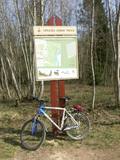 |
uf den Pfaden erfährt man die Geschichte des Ortes vom Rückzug der Gletscher, die die eindrucksvolle Gletschermulde der Gauja ausgebildet haben. Sandsteinaufschlüsse geben Einblicke in eine hunderte Millionen Jahre alte Geschichte: Das Zeitalter des Devon, dass auch das “Zeitalter der Fische” genannt wird.
|
|


