
| Nr | Name | Beschreibung |
|---|---|---|
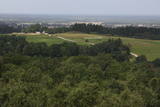 |
The wooden tower was built and stands 28 metres high. It is at the top of the highest hillock of the Northern Courlandian Highlands – Kamparkalns Hill (175 metres above sea level). The tower offers one of the loveliest views in the region of the hillocks of Talsi. On a clear day, you can see all the way to the Bay of Rīga and Talsi. |
|
 |
Alltägliches Leben und Bauernarbeit, Schaffarm mit tollen estnischen Schwarzkopfschafe. Auf altertümlichen Kulturpfad (Steingräber, Felder, Heide) erfahren sie mehr von den altertümlichen Esten und Geschichte des Bauernhofes. Am Hof beschäftigt man sich mit Handarbeit, auch die Gäste haben die Möglichkeit etwas aus Wolle zu basteln. |
|
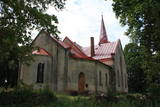 |
A bit less than one kilometre from the Aizkraukle castle hill, the church can be seen from the Rīga-Daugavpils highway (A6). The church was built in 1688 on the steep banks of the
|
|
 |
Piemājas saimniecība nodarbojas ar augļkopību un biškopību! |
|
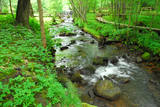 |
Der aus Holstegen und Brücken angelegte Weg führt an einem schönen Abschnitt mit mehreren Wasserfällen und -stufen und der Ieriķupīte entlang und weiter zur alten Mühle mit dem einzigartigen Mühlrad. Es gibt auch die Möglichkeit, sich in Begleitung eines Führers an einigen Hindernissen zu versuchen.
|
|
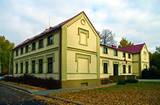 |
In 1888, the building, provided for a doctor’s needs, was donated by Baron Alexander Alexei von Pistohlkors to the parish of Pēterupe Lutheran Church. Along with the building, Baron Pistohlkors also donated 6 hectares of land and 10 000 roubles for the doctor’s use. Arvēds von Engelhards became the first medical doctor in Pēterupe. In 1890, the first pharmacy was opened in one room of the clinic, serving people from a wide area; it remained in the building until 1895. This outpatient clinic was the very first stone building in Saulkrasti, the first health authority in a wide area, as well as the first pharmacy. Through its entire lifetime, the house was maintained from voluntary donations – at first by Alexander Alexei von Pistohlkors, then by churchgoers of Pēterupe Parish – therefore by the money of the villagers. |
|
 |
Находится за Гробиньским водохранилищем на берегу реки Аланде (ул. Пиладжу, д. 3). Туристический клуб «Ога» с 1 мая 2013 года планирует здесь организацию разных связанных с жизнью викингов мероприятий, во время которых можно будет войти в образ викинга, отправиться в поход на корабле викингов (в соответствующей одежде) по реке Аланде, а также познакомиться с окрестностями, которые связаны с тематикой викингов. Рядом с поселением установлена деревянная фигура викинга с рогами (от коров, пасущихся на Витиньских лугах на берегу Лиепайского озера). |
|
 |
Der Ziergarten der Familie Klugs ist als einer der schönsten Gärten in Lettland anerkannt. Die Inhaber empfehlen den Monat Juli für einen Besuch, wenn die Sommerblumen in allen Farben erblühen. Um den erfüllten Traum der Familie Klugs, in einem Park zu wohnen, mit eigenen Augen zu sehen, muss man auch auf die für das Landschaftsbild Lettlands typischen einzelnen großen Laubbäume achten, die den Park ergänzenden Bepflanzungen mit Nadelbäumen und schließlich die Grünanlagen aus Ziersträuchern, die über viele Jahre hinweg gepflanzt wurden. |
|
 |
An afforested island in the Gulf of Finland, approximately 14 km to the North of Tallinn. There is a network of small roads and trails on the island. Forests: Mostly 1.1, 1.2 and 4.2. Information: www.aegna.ee. A ferry boat to the island departs from the port at Pirita. Hike around the shore of the island, where you will find all kinds of environments – dunes, sandy areas, rocky areas and places with lots of reeds (~9 km). |
|
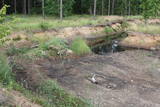 |
Nature restricted area has been established in old and overgrowing gravel pit and where rare species in Latvia - Natterjack toad (Bufo calamita) can be found. Natterjack toad needs open sand – gravel area therefore the population of it is decreasing once gravel pit is overgrowing by bushes. The population of this amphibian is depending on the activity of people in the area. There is very little chance to find Natterjack toad just by entering the restricted area, therefore please respect this area as especially sensitive.
|
|
 |
A large paddock which is freely accessible for children and their parents offers contacts with goats, pigs, fowl and other animals, including rabbits. During the season, the owner offers eggs for sale. |
|
 |
Atpūtas vietā ir apskatāmas 370 no koka veidotas skulptūras. Ir izveidoti 5 labirinti- 630 m garš pikants labirints ar “pipariņu” tikai pieaugušajiem, tulpju meditatīvais labirints, “Šausmu labirints”mežā, bērniem- 25 m garš labirints ar maldīšanos upenēs “Tracis”, zaru labirints “Dižputna ligzda”. 60 dažādas lielformāta brīvdabas spēles un atrakcijas. Dabas taka “Putnu iela”, kurā apskatāmi Latvijas dobumperētāju putnu būrīši. |
|
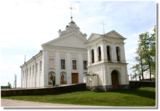 |
Die Kirche befindet sich gegenüber dem Landgut von Bebrene, am Rand der Straße Ilūkste – Birži. Sie wurde in einem längeren Zeitraum gebaut: Der Bau der Kirche wurde im Jahr 1797 begonnen, aber nur im Jahr 1883 beendet. Die Gestalt der Kirche hat klassizistische Züge, aber die Innenausstattung – barocke Formen. Während der Gottesdienste ist die Kirche von innen zu besichtigen. |
|
 |
Piedāvā ļoti gardus Lietuviešu tradicionālos ēdienus. Var pieņemt līdz 300 personām. Ir āra terase un dzīvā mūzika. Pieņem bankas kartes, pieejama autostāvvieta. |
|
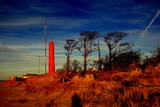 |
Akmensraga tāpat kā Kolkasraga apkaime jau kopš seniem laikiem ir bijusi zināma kā kuģotājiem bīstama vieta, jo te atrodas viena no lielākajām Latvijas piekrastes kuģu kapsētām. Bīstamības fakts slēpjas apstāklī, ka Akmensraga apkārtnē mainās krasta virziens un jūrā iestiepjas akmeņaini sēkļi. Pirmo signāluguni Akmensragā iededza 1879. g., bet 10 gadus vēlāk uzcēla 28 m augstu koka bāku. 1911. g. uzcēla mūra bāku, kuru sagrāva 1. pasaules kara laikā – 1916. g. Mūsdienās redzamā (augstums 37,5 m, uzbūvēta 1921. g.). Padomju laikā visas bākas bija militāri – stratēģiski objekti un šeit strādāja hidrogrāfiskais dienests un jūras novērošanas punkts. Bākas apkārtnē - mežā vēl joprojām redzamas bijušās padomju armijas ēku drupas. Apskatāma no iekšpuses. |
|
 |
Zemnieku saimniecība "Dzirnas" nodarbojas ar bioloģisko putnkopību, audzē zemenes un dārzeņus. Saimniecība apsaimnieko 11 ha zemes. Tajā iegūtās olas ar zīmolu "Vistu olas", sīpoli un ķiploki tiek pārdoti veikalos "Klēts" Rimi hypermārketos Rīgā. Savukārt zemenes pārdod dzimtajā Alsungā, kā arī pēc pieprasījuma piegādā Rīgā. Iespējams arī apmeklēt un apskatīt saimniecību, taču nepieciešmaa iepriekšēja pieteikšanās. |
|
 |
Ideja par "DA'ZIEPE" radās iedvesmojoties no Amatas novada dabas un idejas par pilnvērtīgu pieejamo resursu izmantošanu. Ziepes tiek gatavotas no liellopu vai briežu taukiem, augu eļļām un ziepju zālēm, kā arī papildinātas ar dažādām ēteriskajām eļļām un dabīgajiem aromātiem. |
|
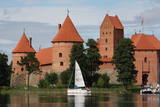 |
Die einzige auf einer Insel des Sees gebaute Birg in Osteuropa. Den Bau der Burg hat am Ende des 14. Jh. der Sohn des litauischen Großfürsten Gediminas Kęstutis angefangen. Ein historisches Museum. |
|
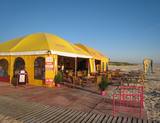 |
Beach cafe at the end of Jūrmalas Street, by the beach, in Liepāja. Live music in the Wind Garden on Wednesdays, Fridays and Saturdays. Offers breakfast, lunch, dinner, coffee and drinks. |
|
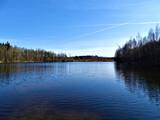 |
Neskartu mežu cienītāji var doties izpētīt Plakanciema puses mežu takas. Braucot no Plakanciema pasta nodaļas Mellupu virzienā pa autoceļu V7, pēc aptuveni 1 km jānogriežas ceļā pa labi. Tālāk jādodas uz priekšu vēl 1,2 km. Maršruta sākums - iepretī mājām “Putriņas” ceļa kreisajā pusē, kur sākas meža ceļš. Sākumā maršruts ved pa taisnu meža ceļu. Pēc 500 m nonākam pie ūdenskrātuves (karjera). Šeit ir iespēja doties vai nu gar vienu ūdenskrātuves krastu, vai gar otru. Abās pusēs var aiziet aptuveni līdz ūdenskrātuves pusei un tad griezties atpakaļ. Krastā augošos kokus iecienījuši bebri. Ūdenī peldas pīles, meža ceļa malā vairāki skudrupūžņi, no sakritušo pērno lapu apakšas lien ārā zaķskābenes. |
|


