
| Nr | Name | Beschreibung |
|---|---|---|
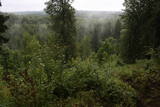 |
At the highest point of Krievkalni (149 metres above sea level), there is a good location for relaxation which offers an impressive view toward the East.
|
|
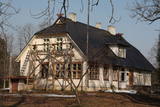 |
Bis heute haben sich mehrere Häuser des Landgutes von Šlītere erhalten: Das Haus der Diener (Ende des 19. Jhs.), das Pumphaus (Mitte des 19. Jhs.), die Räucherei (Mitte des 19. Jhs.), der Stall u.a. Im Jahr 1936 wurde hier das Haus der Försterei (2010 restauriert) gebaut, in dem am Ende des Jahres 2009 die Verwaltung des Nationalparks Slītere aus Dundaga eingezogen hat. Heute heißt diese Verwaltung die Kurländische Regionalverwaltung der Naturschutzbehörde. Gegenüber dem Verwaltungsgebäude wachsen zwei Eibenbäume, aber die nördliche Seite des Dienerhauses bedeckt ein großer Efeu. Die gemeine Eibe und der baltische Efeu sind Symbole von Šlītere, die man hier an einem Ort besichtigen und fotografieren kann, ohne diese Pflanzen in ihrem natürlichen Lebensraum zu stören. Im Pumphaus hat sich aus den Zeiten des Landgutes ein auch im ganzen Lettland einzigartiger, 34 m tiefer Brunnen (genau so hoch sind die Blauen Berge von Šlītere!) erhalten, der bis in die 1970er Jahre benutzt worden und die Försterei mit Wasser versorgt haben soll. Heute kann man ein Fragment des gemauerten Schachtringes in der Pumphauswand besichtigen. Der Landgutkomplex wird von einigen Parkteilen mit einer eindrucksvollen Eschenallee eingeschlossen. In dem Gebäude der Försterei soll während seiner Jagdzeit der erste Präsident Lettlands Kārlis Ulmanis übernachtet haben. |
|
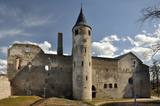 |
Mittelalterliche Bischofsburg in Haapsalu ist eine der besterhaltenen Burgen in Estland. Besuchen sie den Museumskomplex im Kloster, die Ausstellungssäle und geheimnisvolle Gewölbekeller. Im Wallgraben gibt es einen mittelalterlichen Spielplatz für Kinder mit Spielattraktionen wie aus dem Mittelalter. |
|
 |
Naktsmītne, pirts, telpas pasākumiem, aktīvā atpūta dabā. Mājas alus brūvēšana un siera siešana. |
|
 |
This is one of two sanatoriums in Jūrmala where mud from the surrounding area is used for medical procedures. The Jūrmala Spa Museum of History was opened here in 2009, and it offers interesting information about the history of the spa and the sanatorium. You will see historical photographs and medical equipment from the 1970s and 1980s. Guides will tell you all kinds of interesting information. |
|
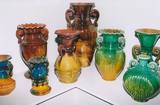 |
This museum is devoted to the career of the ceramist Polikarps Čerņavskis. His work featured light, yellowish and very bright glazing. Guided tours of the museum are available. There are demonstrations of the use of the potter’s wheel. Ceramics can be purchased, and visitors can attend the opening of the kiln. Special works can be commissioned.
|
|
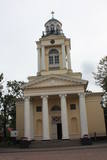 |
Lai arī dievnama pirmsākumi meklējami 18. gs. sākumā, tā celtniecību (arhitekts Johanns Eduards de Vite) pabeidza viena gada laikā 1834. – 1835. g. (vēlīnā klasicisma stils). Būvniecības darbus finansēja Krievijas cars. Gan baznīcas atrašanās piejūrā, gan arī tās nosaukums liecina, ka tā celta, godinot Svēto Nikolaju, kas ir visu jūrnieku un zvejnieku aizbildnis. Baznīca apskatāma arī no iekšpuses, kur uzmanība jāpievērš ērģelēm un altārgleznai (1888. g.). |
|
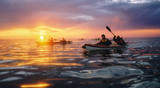 |
Im Angebot Naturtouren: Flosswanderungen im Frühjahr, Kajaktouren im Sommer (beim Wunsch auch inklusive Biberbeobachtung), ganzjährige Schneeschuhwanderungen in den Moorgebieten von Estland, im Winter Kick-Sled Touren. Erfahrene Wanderführer erzählen spannende Geschichten über die Natur und Kultur von Estland. |
|
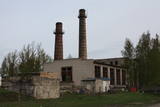 |
Kesselraum von Karaosta wurde Jahrzehnte lang für die Versorgung der Stadt mit der Heizung genutzt. Das Objekt ist im Besitz von Fernwärmenetze der Stadt Liepāja, das Territorium ist verlassen und es wird nicht bewacht.
|
|
 |
Das Bistro befindet sich 130 m von der Kreuzung von Berzkrogs (gegenüber der Tankstelle Statoil). Es unterstützt lokale Produzenten, deren hergestellten Produkte (auch Souvenirs) man hier genießen oder kaufen kann. Lettische Küche: Graue Erbsen mit Speck, Gerstengrütze. |
|
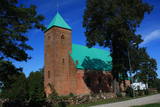 |
Atrodas Ēdoles centrā. Dievnams tapis 17. gs. vidū, pateicoties Ēdoles pils īpašnieka - Johana Dītriha Bēra iniciatīvai, kas to veltījis sava noslepkavotā tēva piemiņai, domādams, ka tādējādi varēs izpirkt brāļa Filipa - tēva slepkavas grēkus. Lai izpirktu savējos, J. D. Bērs licis sevi paglabāt zem baznīcas durvju sliekšņa. Dievnama iekštelpas rotā sākotnējais baroka interjers, kā arī krāšņs ērģeļu prospekts un luktu apdares elementi. |
|
 |
Das Denkmal befindet sich am Rand der Rigas Straße, gegenüber dem Schloss von Krustpils. Das im Jahr 1925 enthüllte und im Jahr 1992 erneuerte Denkmal (Architekt Aleksandrs Birzenieks) ist zum Gedenken an die Einwohner von Krustpils gebildet worden, die in den Freiheitskämpfen von Lettland gefallen sind. Von dem Denkmal bietet sich eine schöne Aussicht auf den Fluss Mazā Daugava und auf die Inseln Daugavsala und Ādamsona saliņa (oder Krustpils saliņa). |
|
 |
Im historischen Eiskeller des Landguts Alatskivi werden Wein, Kräutertee, essbare Souvenirs, Gewürzessig und Konfitüren von der Ernte aus den umgebenden Wäldern und Feldern gemacht. Im gemütlichen Laden kann man Wein, Tee sowie andere örtliche essbare Souvenirs probieren und kaufen. Ist die Gruppe groß oder möchten Sie uns außerhalb der Arbeitszeiten besuchen, bitten wir Sie, Ihre Ankunft im Voraus anzumelden. |
|
 3 Tagen
|
Маршрут ведет по южной части исторического края Курземе и включает самые интересные туристические объекты, различные прибрежные пейзажи, и через Земгале возвращается в Ригу. На участке от Юркалне до Лиепаи маршрут идет вдоль побережья Балтийского моря, которое еще двадцать лет назад было закрытой режимной приграничной зоной, в которую попасть можно было только с наличием специального разрешения. В маршрут входят охраняемые природные территории, открытые для посетителей сельские хозяйства, в которых можно как попробовать, так и приобрести качественную продукцию, выдающиеся памятники культуры, Лиепая с выдающимся спектром военного наследия в Военном порте (Каросте) и оживленная Елгава, где обязательно надо подняться на башню церкви Святой Троицы для обозрения окрестностей. Информация о маршруте от Latvijas Lauku forums |
|
 |
Go horseback or wagon riding all year long, find contacts with goats, sheep, chickens, turkeys, geese, and ducks, and taste smoked goat cheese. The owner also produces Christmas and other decorations. |
|
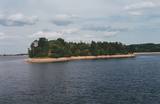 |
Before its flooding, the canyon of the Daugava River between Pļaviņas and Koknese was one of the most outstanding and beautiful parts of the Baltic terrain, and Oliņkalns hill was one of the largest castle hills in Latvia. The Andrejs cliff as up to 20 metres high, and it was part of the Daugava canyon. Before the area was flooded because of the construction of the Pļaviņas hydroelectric power plant, there were rapids near the hill that made it hard for rafters to sail down the river. Today it is a small island in the reservoir of the plant (it can be seen from the side of the Rīga-Daugavpils highway (A6) opposite Stukmaņi). It is separated from the shore by 300 metres of river, under which the Dūņas valley is now resting. A small part of the ramparts of the castle hill can still be seen on the island along with the ruins of an open-air stage and a few metres of the dolomite cliff that have remained above water. It is thought that the Alene castle was on the hill in the 13th century. Latvian mountain climbers installed a memorial stone in 1998 opposite Oliņkalns hill. |
|
 |
Das Restaurant befindet sich am Platz des Herzogs Jacob. Köche verwenden hier lokale Produkte und arbeiten mit dem Hirschgarten Rudiņi zusammen. Lettische Küche: Kalte Suppe, Hirschgulaschsuppe, Hirschschnitzel, gebratener Zander oder Wels, Schweinebraten, geschmortes Lammfleisch, Kartoffelpfannkuchen, Dessert aus Sanddornbeeren. Das besondere Gericht: Rindersteak auf Stein. |
|
 |
Guests to the Dīķīši homestead in the Amata Parish will be greeted by several Samoyed dogs and intelligent little donkeys that will bring the guests to a place for glamping next to the pond. You can hike down two trails of different lengths of enjoy the opportunities that exist when Latvians share places where they find mushrooms and berries. A special adventure is creating artworks from natural materials that have been collected in the forest. The accommodations are appropriate for people who use a wheelchair. The lavatory has been adapted to the needs of such people, as well. People who are interested in cultural history can tour a collection of Latvian folk costumes, trying them on and organising their own photo session. People who enjoy extreme feelings will enjoy a ride on a quadricycle. If you love to go fishing, bring your own inventory. We organise fire rituals for birthdays and family celebrations, and we’ll also offer soup that has been cooked on a campfire, as well as a master class in cheesemaking. |
|
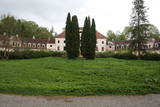 |
Vieta, ko nekādi nevar uzskatīt par tūrisma objektu, bet tajā pat laikā tas ir Latvijas mērogā nozīmīgs kultūras un vēstures piemineklis, ko nevar nepieminēt! Laikā no 1923. – 1943. gadam muižas pilī atradās Latvijā zināmākā mājturības skola, kurā mācījās izslavētās kaucmindietes! Tagad muižas pils ir pamesta, avārijas stāvoklī un apskatāma tikai no ārpuses un „pa gabalu”. Ap 1780. gadu celtā pils, kas 1909. – 1912. g. tika pārbūvēta pusloka būvapjomā, ir Latvijai diezgan unikāls arhitektūras paraugs. |
|
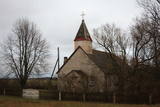 |
Nelielā izmēra ēka (balts ķieģeļu mūris, ar dēļiem apšūts zems tornis) atrodas Liepājas – Klaipēdas šosejas (A 11) malā. 20. gadsimta sākumā tā kalpojusi kā lūgšanu nams, taču tā paša gadsimta vidū pārbūvēta, uzceļot torni. |
|


