
| Nr | Name | Beschreibung |
|---|---|---|
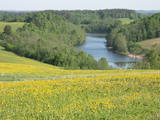 |
Dieser Park befindet sich im ausgeprägtesten Teil der Dagda-Hügel des Latgale-Hochlandes. Teil davon ist der tiefste See der Baltischen Staaten – der See Drīdzis, der 63,1 m tief ist und neun Inseln hat. Dort befindet sich ebenfalls der See Otis. Den hübschesten Blick hat man vom alten letgallischen Burgberg, der als Sauleskalns-Berg bekannt ist und vom Ostufer des Sees Drīdzis. Unterkünfte gibt es in der Nähe des Sees.
|
|
 |
Das Denkmal befindet sich am Rand der Rigas Straße, gegenüber dem Schloss von Krustpils. Das im Jahr 1925 enthüllte und im Jahr 1992 erneuerte Denkmal (Architekt Aleksandrs Birzenieks) ist zum Gedenken an die Einwohner von Krustpils gebildet worden, die in den Freiheitskämpfen von Lettland gefallen sind. Von dem Denkmal bietet sich eine schöne Aussicht auf den Fluss Mazā Daugava und auf die Inseln Daugavsala und Ādamsona saliņa (oder Krustpils saliņa). |
|
 |
Der Botanische Garten ist Bestandteil der Universität Šiauliai. Hierbei handelt es sich um den jüngsten und flächenkleinsten botanischen Garten in Litauen Die Anlage des Garten begann 1958. Seine Gesamtfläche beträgt 6,54 ha. |
|
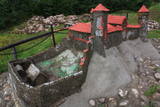 |
In diese konnte man über eine Zugbrücke gelangen, in dem man die äußere und die innere Vorburg durchquerte. Bis in die Mitte des 16. Jh. diente die Burg als Residenz des Komturs von Dünaburg. 1577 wurde sie vom Heer Iwans des Schrecklichen zerstört.Nach diesem Ereignis verlor Dünaburg seine strategische Bedeutung und der Bau eines Festungsbaus wurde dort begonnen, wo sich heute Daugavpils befindet. Neben der Ruine der Ordensburg befindet sich ein verkleinertes Modell der Burg, damit man sich vorstellen kann, wie es hier vor vielen Jahrhunderten ausgesehen hat. Vom Parkplatz bis zum Burghügel gelangt man über einen bequemen Pfad.Vom Burgberg hat man einen der schönsten Ausblicke auf den Naturpark der Daugavabiegungen. |
|
 |
Familienrestaurant in der Nähe der Freilichtbühne von Melluži in Jurmala, 27 km von Riga entfernt. Europäische und lettische Küche für alle Mahlzeiten, Tagessuppen, Salate, Hauptgerichte, eine Auswahl an Desserts und eine gemütliche Atmosphäre. |
|
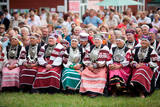 |
Die südöstlichste Ecke Estlands ist ein Gebiet mit einzigartiger kultureller Nuance, hier lebt eine interessante ethnische Minderheit – die Setus. Infolge der historischen Lage an der Grenze ist die Seto-Kultur eine Mischung von östlichen und westlichen Kultur – die Einflüsse kann man in ihrer Sprache, im Lebensstil, in der Küche und bei der Volkstracht erkennen. Besonders einzigartig ist die Gesangstradition der Setos - bezeichnet als Leelo, die zur UNESCO-Liste der Meisterwerke des mündlichen und immateriellen Erbes gehört. Zum Kennenlernen von Setomaa eignet sich am besten die touristische Route „Seto Külävüü“ (Seto Dorfgürtel). Die Route beginnt in Võõpsu und endet in Luhamaa und passiert mehrere Dörfer. Traditionelle Seto Küche gibt es in Tsäimaja im Seto Bauernmuseum (+372 505 4673, www.setomuuseum.ee) und in Taarka Tarõ im Seto Gemeindehaus in Obinitsa (+372 5620 3374, http://taarkatare.com ). Für Gruppen Verpflegung auf Vorbestellung, beim Wunsch werden Auftritte der lokalen Chöre und Führungen angeboten. |
|
 5 Tagen
|
Nach der Gründung Livlands wurde dieses Land der Heiligen Jungfrau Maria gewidmet. So entstand Terra Mariana bzw. Land von Mara. Die Landstraße Ludza – Rēzekne – Daugavpils ist ein Teil des alten Handelswegs, der früher die heutigen Städte Vilnius und Kaunas mit Pskow und später Sankt Petersburg mit Warschau verband. |
|
 |
Находится в 2,5 км к северу от Круте. Небольшое здание из деревянных бревен с дощатой обшивкой первоначально было построено в 1642 году, а кирпичная башня восстановлена после Второй мировой войны. Интерьер церкви – алтарь (вторая половина XVII века), алтарная икона неизвестного автора «Иисус у креста» (XVII в.) и богато орнаментированная кафедра (1642 г.) являются важными памятниками времен маньеризма. |
|
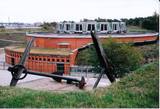 |
Schon seit der früheren Zeiten – ein Platz von der militärischen und strategischen Bedeutung. Für den Schutz des Hafens von Klaipeda wurde 1866 von preussischer Militär den Bau einer Festung angefangen. Im Laufe des 2.Weltkriegs wurde die Festung in die Luft gesprängt. Die Renovierung begann 1979. |
|
 6 Tagen
|
Die Route beginnt in dem bekanntesten Kurort Lettlands – in Jurmala, der für Fußgänger geeignet ist, denen es gefällt, sich am Strand zu spazieren, wo man die einzigartigen und reizvollen ehemaligen Fischerdörfer, sowie wenig berührte und einsame Strände besuchen kann. An vielen Orten arbeiten in den Dörfern kleine ländliche Räuchereien, wo Reisende geräucherte Fische kaufen können. Das Ziel dieser Route ist das Kap von Kolka, das der bekannte Gründer der Seeschulen in Lettland Krišjānis Valdemārs als Zentrum von Europa angesehen hat. Das Kap von Kolka ist schon seit dem Zeitalter der Wikinger als einer der gefährlichsten Orte für Schiffe in der Ostsee bekannt. Das Kap von Kolka ist auch als einer der Top-Orte für Vogelbeobachtung bekannt. Route information from Latvijas Lauku forums |
|
 1 Tag
|
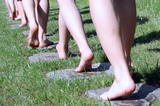
The Barefoot Path begins at the Valguma Pasaule Recreation Centre by Lake Valgums, which is surrounded by forest. The recreation centre includes a hotel and restaurant, and offers nature-based services such as the Barefoot Path and other walking trails. The Barefoot Path is a 2.6 km long trail through the natural environment, along which visitors walk barefoot and experience a variety of surfaces including pine cones, glass balls, small stones and shingles of various shapes, moss, fine sand, clay, river water, turf, gravel, reeds, chipped wood, pinewood logs, wooden poles and millstones. Walking barefoot has a number of positive health effects: it strengthens the immune system; it improves blood circulation and stabilises blood pressure; it strengthens the leg and foot muscles, joints and ligaments; and it enhances relaxation, and aids mental and physiological stability. The walk is led by an English-speaking guide. Before the walk, visitors receive a briefing. It is recommended that visitors wear comfortable outdoor clothing, appropriate for the weather. After walking the barefoot path, visitors usually feel energised, strong and happy. The walk finishes with a relaxing herbal foot bath. |
|
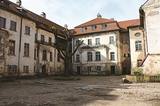 |
Der Baron von Dundaga war früher einer der größten Grundbesitzer in Kurland, darum bildete sich in der zweiten Hälfte des 19. Jhs. um das Landgut ein Zentrum für Wirtschaft und Kultur heraus. Die Dominante des zentralen Platzes von Dundaga ist der Wasserturm, hinter dem der mit der ärztlichen Behandlung verbundene Teil der Ortschaft Dakterleja beginnt, wo von 1844 bis 1854 einer der ersten lettischen Ärzte und der Sprachwissenschaftler Juris Bārs gearbeitet hat. Bis zu den 1960er Jahren fuhr von Dundaga durch das Dorf Mazirbe und den Fischerdörfern bis Ventspils eine Schmalspurbahn. Heute zieht das Dorf Dundaga die Reisenden mit ihrer eindrucksvollen Burg, mit der evangelisch-lutherischen Kirche, mit der Skulptur Krokodil, mit der Werkstatt der Töpferin Velga Eizenberga und mit anderen Sehenswürdigkeiten an. |
|
 |
Die Bauernwirtschaft Lojas, die sich in der Region Mazsalaca befindet, ist eine Mischwirtschaft: Bewirtschaftung von der Zucht der Getreidepflanzen (Weizen, Gerste, Roggen, Raps) bis zur Herstellung von Körnern aus Strohhalmen, die als Streu für Tiere verwendet werden. Fleischrinderzucht. |
|
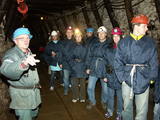 |
Gas mixture is the main raw material for Estonia’s energy and chemical industries, and it is extracted in our day from open quarries or underground shafts. This layer was established during the Ordovician Period between 450 and 480 million years ago, and it is made up of the remnants of plants and animals from that age. In the Kohtla-Nõmme suburb, there is a shaft which can be toured in the company of a guide who will tell you that this is the only layer of its kind in the Baltic States. He will tell you about how the gas mixture has been extracted over the course of history.
|
|
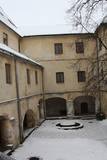 |
Die Entwicklung von Jaunpils ist mit der Burg des Livländischen Ordens verbunden, die bis heute ihre Gestalt und ihr Aussehen kaum verändert hat. Von 1561 bis 1919 war die Burg im Besitz der Familie von der Recke. Im Jahr 1905 brannte die Burg, aber später wurde sie unter der Leitung des Architekten Wilhelm Bockslaff erneuert. Wesentliche Restaurationsarbeiten wurden in den 1960er Jahren angefangen. Heute kann man in der Burg ein Museum besichtigen, aber Feinschmecker können in der Burgkneipe mittelalterliche Gerichte genießen. |
|
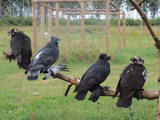 |
You can take an individual trip through the mini-zoo or have a guide to accompany you. You will see 16 types of doves, a Vietnamese pigmy pigs, river rats, rabbits, chinchillas, goats, parrots, turtle doves, ducks, geese, chickens, pheasants, and other birds. Children will love feeding the animals and establishing contacts with them. |
|
 |
Ein Erholungskomplex auf dem nordwestlichen Ufer des Rušons-Sees mit Übernachtungs- und Ernährungsmöglichkeiten, aktive Erholung. |
|
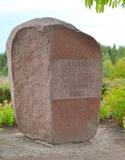 |
Befindet sich in einer kleinen Ortschaft Vasiļova, am Rande der Landstraße Daugavpils – Rēzekne (A13). Hier befand sich einst ein kleines Landgut Vasiļova und der Mieter des Landguts war der Vater von Jāņis Raiņis – Krišjānis Pliekšāns. |
|
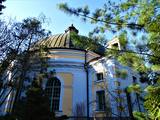 |
Nach Angaben befand sich die Kirche an dieser Stelle schon im 17. Jahrhundert. Die jetzige Kirche wurde von 1792 bis 1794 gebaut. Der Autor des Projektes eines kuppelförmigen Gebäudes war Christoph Haberland, der Hauptbaumeister von Riga. Eine Form der Kuppel sichert eine gute Akustik in den Innenräumen. Der Altar ist gegenüber der Eingangstür eingerichtet. Zwischen den Kolonnen des Gebäudes befindet sich ein Altarbild, das Christus und St. Peter in aufgewühltem Meer darstellt. Zu den bedeutenden Gegenständen der Innenausstattung gehören Weinbecher, Kerzenträger aus den 18 – 19 Jahrhunderten u.a. 2014 wurde das Gebäude restauriert. Südlich von der Kirche befindet sich der Friedhof von Katlakalns, auf dem ein berühmter deutsch-baltischer Publizist und Schriftsteller Garlieb Merkel (1769 – 1850) bestattet wurde, der eine große Rolle in der Aufhebung der Leibeigenschaft im Baltikum spielte. |
|
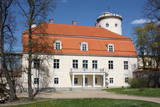 |
Im diesem Schloss (Adresse: Pils laukums 9; deutsch Wenden), das im Jahr 1777 als das Wohnhaus von Karl Eberhard von Sievers gebaut wurde, befindet sich das im Jahr 1949 eröffnete Museum für Geschichte und Kunst. Das Gebäude mit dem neogotischen Lademacherturm, der mit spitzbogigen Arkaden und Öffnungen geschmückt ist, wird als eines der ersten Beispiele für Eklektizismus in der Architektur der Landgüter von Lettland angesehen. Seit März 2012 kann man in dem Museum die zeitgemäße Ausstellung Cēsis – Symbol der lettischen Geschichte besichtigen, die die Besucher mit der Geschichte der Stadt Cēsis und ihrer Umgebung von der Zeit der Wenden bis zum Anfang des 20. Jhs. interaktiv bekanntmacht. Die Ausstellung macht auch mit der Geschichte der lettischen Fahne und mit dem Lebenslauf der Grafen von Sievers und ihrem Beitrag zur Entwicklung von Cēsis bekannt. Das zweite und das dritte Geschoß des Schlosses sind für wechselnde Ausstellungen vorgesehen und da befindet sich auch ein Zimmer, das für Familien mit Kindern eingerichtet ist. Aus dem Lademacherturm des Neuen Schlosses bietet sich die schönste Aussicht auf die Burgruinen und die Altstadt von Cēsis und auf die evangelisch-lutherische Kirche des Heiligen Johannes. |
|


