
| Nr | Name | Beschreibung |
|---|---|---|
 |
Liellopu izsoļu nams ir vienīgais liellopu izsoļu nams Baltijā. Izsoles tiek rīkotas gaļas šķirņu jaunlopiem - buļļiem un telēm vecumā līdz 12 mēnešiem, regulāri - divas reizes mēnesī. Katru mēnesi izsolēs piedalās vairāk kā 2000 Latvijā audzēti jaunlopi. |
|
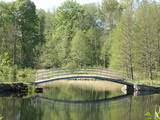 |
Der Park des Landgutes von Zasa befindet sich an den Ufern des Mühlenteiches von Zasa (im Norden von Zasa), der sich von dem Flus Zasa gebildet hat. Mit der Bildung des Parks wurde im 18. Jh. begonnen, der Park wurde als ein Landschaftspark im romantischen Stil gebildet. Gleichzeitig mit der Bildung des Parks wurde auch mit dem Bau des Schlosses von Zasa begonnen, deren Besitzer Heinrich von Sass war, nach dem der Bezirk von Riga Zasulauks benannt worden ist. Im 19. Jh., als das Landgut von Zasa einen anderen Besitzer bekommt, wird es als eines der reichsten und schönsten Landgüter der Umgebung angesehen. Es ist wert, einen Spaziergang in dem großen Park mit den vielen Brücken, dem Baum der Werwölfe, dem Teufelsstein und der heiligen Quelle zu machen. Die Besichtigung des Parks unter der Leitung eines Reiseführers: +371 26337227. |
|
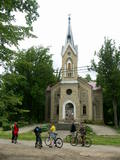 |
Das Gotteshaus befindet sich in der A. Upīša Straße 18. Es ist im Jahr 1897 in neogotischen Formen (Architekt Heinrich Schell) gebaut worden und es ist eines der wenigen Gebäude in der Stadt, das aus Ziegelsteinen im 19. Jh. gebaut wurde. Im Gotteshaus befindet sich das Altargemälde von Indriķis Zeberiņš Christus heilt die Kranken (1943). Die Innenräume der Kirche kann man während der Gottesdienste oder mit vorheriger Anmeldung besichtigen. An der Kirche kann man das von Eižens Laube projektierte Denkmal (1926) besichtigen, das 80 lettischen Schützen gewidmet ist, die während des Zweiten Weltkriegs gefallen und auf dem Brüderfriedhof in der Nähe des Flusses Vēršupīte bestattet sind. An der Kirche sind auch die Teilnehmer des am 18. Mai 1919 stattgefundenen Kampfs von Kauguri J. Kārkliņš un F. Siliņš bestattet worden. Mit vorheriger Anmeldung kann man die Kirche auch von innen besichtigen. |
|
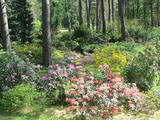 |
Das Projekt für das Arboretum begann 1996, als die Dendrologen des botanischen Gartens Salaspilis Raimonds Cinovskis und Ināra Bondare sowie Vertreter der Kommune Rucava übereinkamen, eine Versuchsplantage am Hügel des Gutes Rucava anzulegen. 1998 wurden die ersten Bäumchen gepflanzt. Weiter ging es mit Grünanlagen im Zentrum von Rucava und an der örtlichen Grundschule. Jedes Jahr wird die Plantage mit neuen und exotischen Pflanzen aus der ganzen Welt erweitert. Schon traditionell findet jährlich im Mai, wenn die Rhododendren und Magnolien in voller Blüte stehen, ein Gartenfest statt. |
|
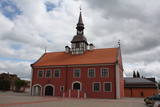 |
Bereits 1615 teilte der kurländische Herzog Friedrich Kettler der Stadt Bauska das Privileg für den Bau eines neuen Rathauses zu, was dann im 17.Jh. auch verwirklicht wurde. Der Marktplatz konnte nun stolz das größte Rathaus im ganzen Herzogtum vorweisen. Aus Geldmangel wurde 1852 dessen Turm abgebaut, 1871 das obere Stockwerk. 2011 wurde der Bau des neuen Rathauses endlich abgeschlossen, und Bauska kann nun wieder stolz auf ein neues, hervorragendes Touristik-Objekt sein, das auch von innen besichtigt werden kann. Im erneuerten Rathaus kann man sich in alten Maßeinheiten messen und wiegen lassen, in Ellen und Fuß, in Pud (ein altes russisches Gewichtsmaß, A.d.Ü.) und in Pfund, und dafür eine entsprechende Urkunde erhalten. |
|
 |
The owner of the farm grows petunias, geraniums, balsams, asters, snapdragons and other plants, also designing beautiful pots of flowers. She organises seminars on biological farming. Visitors can purchase plants, pick black currants from a bush, and pick tomatoes from a vegetable bed. Tastings are available, and there are rabbits on display, as well. |
|
 |
Lauku sēta ar pirti atrodas Merkys upes krastā, ciema nomalē meža tuvumā. Piedāvā programmu "Griķu ceļš no sēklas līdz galdam", iespējams nobaudīt tradicionālos ēdienus. Piedāvā arī nakšņošanu. |
|
 |
Volzbahs ir stāva nogāze ar elpu aizraujošu skatu pāri gravai. Ziemā šeit pieejams vairāk nekā 100 m garš nobrauciens ar slēpēm, sniega dēli vai ragaviņām. Citos gadalaikos Volzbaha kalns ir lieliska atpūtas vieta- šeit ir labiekārtota vieta piknikam, pastaigām, foto sesijām. Rudenī Volzbaha kalns ir viena no labākajām vietām Vaiņodes novadā, kur vērot krāšņos rudens skatus. Volzbahs atrodas 2 km no Vaiņodes centra ZR virzienā. Kalnam ērti var piebraukt klāt ar automašīnām. Adrese: Vaiņodes pagasts, Dienvidkurzemes novads, LV-3435 Facebook: facebook.com/biedribavolzbahs Twitter: Volzbahs |
|
 |
Das Café bietet vor Ort hergestellte Konditoreiwaren (Piroggen, Brötchen, Kuchen, Kekse) und alle Mahlzeiten des Tages an. In Saulkrasti kann man auch das andere Café (Adresse: Raiņa iela 7) besuchen. Lettische Küche: Kalte Suppe, gemischter Salat Rasols, geschmortes Sauerkraut, hausgemachte Frikadellen, graue Erbsen mit Speck. Das besondere Gericht: Im Holzofen gebackene Pizzen. |
|
 |
Found along
|
|
 |
Der Hof des Brauers befindet sich in einer der reizvollsten Gegenden von Litauen, die mit ihren Wäldern, Seen und Burghügeln auch als die litauische Schweiz bezeichnet wird. Das Bier der Marke Čižas ist leicht, ungefiltert und nicht pasteurisiert und nach dem Rezept der Großeltern mit Waldhonig hergestellt. Der Brauer hat nicht nur das Rezept geerbt, sondern auch das Zubehör und so hat er in seinem Hof eine Ausstellung mit altem Gerät zum Bierbrauen eingerichtet. |
|
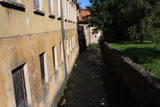 |
Das einzige Baukomplex aus dem 17. – 18. Jh. solcher Art im Baltikum, entstanden an den Ufern eines kleinen Flusses. Stellenweise fließt der Fluss entlang den Hauswänden. Das lettische Venedig. |
|
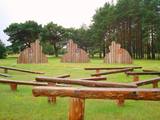 |
The environmental object “SUITI MEETING PLACE” was established during an international arts plénière in Jūrkalne, and the originator of the idea was the musician Igo. Sculptor Ivars Miķelsons with assistants Didzis Grodzs and Juris Krafts produced the environmental object. The idea of marking out the Suiti cultural space among Gudenieki, Alsunga and Jūrkalne in nature began in 2013, when the first Suiti meeting place was established where the Gudenieki-Ēdole and Alsunga-Basi roads cross. The second meeting place was established the next year where the Kuldīga-Alsunga-Jūrkalne road crosses the town in the direction of Jūrkalne past the Alsunga centre. The third Suiti meeting place was established in Jūrkalne. The objects were established in partnership with local governments and landowners by the “Vēju sēta” association. |
|
 |
Viena no augstākajām Latvijas celtnēm ar vienu no augstākajiem skatu laukumiem (65 m). Paveras izcila Vecrīgas un Rīgas ainava, kā arī Daugavas (līdz Rīgas HES dambim) un Pārdaugavas skati. Labi redzami blakus esošie Rīgas centrāltirgus paviljoni. |
|
 |
Atrodas Cenas tīreļa dabas takas sākumā. No tā labi pārskatāma kūdrā izstrādātā Cenas tīreļa neliela daļa. |
|
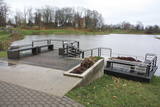 |
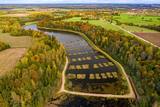
Gar Grobiņas ūdenskrātuvi (Ālandes labais krasts) izveidota mūsdienīga un labiekārtota pastaigu un atpūtas vieta - promenāde, uz kuras izvietotas plāksnes ar Zentas Mauriņas un Jāņa Raiņa citātiem. No promenādes paveras labi skatu punkti uz Skābaržkalnu un Grobiņas pilsdrupām. Grobiņas ūdenskrātuves sašaurinājumā pāri Ālandei ved neliels tiltiņš, kas ir bijušā Liepājas – Aizputes šaursliežu dzelzceļa tilta ferma. |
|
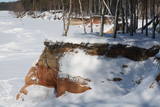 |
Iespaidīgākā un krāšņākā smilšakmens klinšu grupa
Vidzemes piekrastē. Viļņi te ir izveidojuši līdz 6 m augstu stāvkrastu, kur
vairāku simtu metru garumā atsedzas sarkanas smilšakmens klintis ar
seklām abrāzijas alām, nišām, grotām un citiem veidojumiem. Netālu
atrodas Veczemu saimniecība, kur Rīgas kinostudija uzņēmusi „Ilgo ceļu
kāpās” un „Veco jūrnieka ligzdu”.
|
|
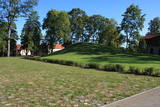 |
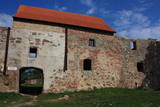
Vēl viena vieta Kuldīgā, kas pēdējo gadu laikā piedzīvojusi lielas pārvērtības, jo īstenots bijušās pils parka rekonstrukcijas un labiekārtošanas projekts: izveidotas koka laipas, tiltiņi, informācijas stendi, uzcelta lapene un strūklaka. Parkā izvietotas skulptūras un to grupas (22 skulptūras, autore Līvija Razevska), kā arī redzams izteikts uzkalniņš – pils pagraba velve, kurā pēc iepriekšējas pieteikšanās var degustēt vietējā ražojuma vīnus. Šajā vietā 1242. g. vācu ordenis uzbūvēja mūra pili, no kuras līdz mūsdienām ir saglabājušies tikai atsevišķi mūra fragmenti un minētā velve. Vēlākos laikos šeit atradusies Kurzemes hercoga pils, ko sagrāva Ziemeļu kara laikā (1701. g.). Vasarās pilsētas dārzā demonstrē brīvdabas kino. |
|
 10 dienas
|
Autumn is a peak bird migration time when huge flocks frequently cross the sky above your head. Cranes perform impressive displays in the fields. There are still some dragonflies and butterflies to see, plus wild animals including wild boar, deer and beaver. The landscape acquires its beautiful autumn colours while we people can enjoy oursleves gathering the wild autumn harvest - mushrooms, cranberries, cowberries and much more. From Riga the tour goes along the Vidzeme sea coast with areas of Devonian sandstone, coastal meadows and numerous places to watching wading birds. At Salacgriva you visit the traditonal lamprey weirs and can taste them grilled. The tour goes to Seda bog, which is an important nesting site for water birds. Here you might see several types of geese, swans and cranes as well as some mammals and dragonflies. Then the route goes to natural coniferous forests at Mežole with great biological diversity. Next the tour focuses on mushrooms and berries in the Gauja National Park which also provides great views of the river valley with some steep Devonian banks with several medieval castles and manors perched on top. Then the tour goes back to Riga and on to two important national parks. Ķemeri National Park has a Black Alder trail through wet forest, ideal for spotting woodpeckers. In contrast the Big Heath trail passes though a landscape of raised and transit bog and sulphurous springs. At Slītere National Park you have a wildlife day visiting a beaver lodge, tracking variousforestanimals and possibly seeing some of them. Cape Kolka offers excellent costal migration action. The tour goes along the steep sea coast of Jurkalne, stops at Ventspils town for lunch with a bracing walk along its breakwater, then turns inland towards Riga. On the way there are stops at the Abava ancient valley and Sabile wine hill. |
|
 8 dienas
|
Saaremaa and Hiumaa are the two largest ones amongst 1500 other Estonian islands. In fact Saaremaa is the common name for Muhu and Saaremaa islands which are connected by the causeway like Hiumaa and Kassari islands. |
|


