
| Nr | Name | Beschreibung |
|---|---|---|
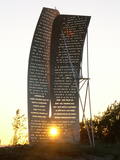 |
In Ošvalki – in einer Ortschaft zwischen Jūrkalne un Sārnate ist ein Gedenkzeichen “Hoffnungssegel” errichtet worden. Das Gedenkzeichen ist den lettischen Flüchtlingen (1944 – 1945) gewidmet, die über die Ostsee in Fischerbooten nach Schweden geflüchtet sind. Das Zeichen ist in den Dünen zwischen Weg und Meer aufgestellt worden. |
|
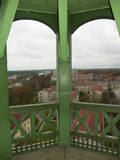 |
Der Bau der Kirche wurde 1283 angefangen. In der Kirche befinden sich die Grabsteine der angesehenen Bürger aus den 15. – 16. Jh., Orgel (1886), Kanzel und Chormalerei (1730). Blick vom Turm auf die Stadt. |
|
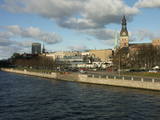 |
The classical skyline of Old Rīga can be enjoyed from several locations – Mūkusalas Street, between the railroad bridge and the stone bridge, from the stone bridge, from the A-B dam, from the grounds of the central office of the Swedbank bank, from the Vanšu bridge, and from the Ballast Dam at Ķīpsala. You can hike or bike from location to location. During the summer, little ships cruise up and down the Daugava to offer different views.
|
|
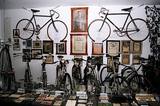 |
It is the bicycle collection of father and son Jānis and Guntis Seregins, which is the only collection of antique bicycles in Latvia. They have been collecting cycles since 1977 when they joined the Antique Automobile Club and became fascinated with Latvia’s cycling traditions. The collection’s core is formed from technically unusual bicycles. In total, the museum has approximately 70 Latvian-made and used bicycles. Besides bicycles there are many other pieces of cycling ephemera relating to sport, cycle clubs and bicycle production. The museum has an extensive collection of bicycle brands, bringing together 1000 badges from all over the world. Guided excursions available. |
|
 12 Tagen
|
This tour offers seeing the capital cities and most attractive towns of Lithuania, Latvia and Estonia through the freedom of independent travel and using public train and bus services. Getting around in cities and towns is easy, either by walking, or by using local public transport or taxis. The Old Town of Vilnius is in the UNESCO World's Cultural Heritage list. Daugavpils Fortress and the museum of Mark Rothko, the world famous abstractionist, are two highlights of Daugavpils city, Rēzekne city is known as the heart of Latgale region. Riga, the capital city of Latvia, offers a variety of cultural experiences and entertainment. Sigulda is famous for its landscapes and medieval castles. Cēsis is one of the most charming towns in Latvia with many attractions ranging from medieval heritage to nice restaurants, exhibitions and festivals. Valmiera offers art galleries, museums, nature trails and Valmiermuža beer from the famous local brewery. Tartu in Estonia is a university town, with some very popular tourist attractions such as the interactive AHHAA science centre, the largest in Baltic countries. Narva is a border town overlooking the Ivangorod fortress in Russia across the river Narva. Finish the tour in Tallinn – the capital city of Estonia. Tourist information centres in cities and towns will help you with maps, information on sights, attractions and guided tours, food, shopping and public transport. |
|
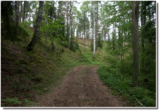 |
Die Grüne Düne – Nach den Krāču Hügeln ist dies
die zweite ausgeprägteste Dünenbildung im Nationalpark
Ķemeri, die in mehr als drei Kilometer länge das
Hexenmoor von dem Grünen Moor trennt. Am Fuß der
Düne windet sich ein alter Erdweg, auf dem die Strecke
verläuft. Während Sie entlang der Grünen Düne
wandert, benutzen Sie bitte nur vorhandene Pfade!
|
|
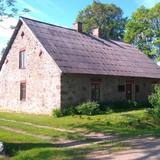 |
Operdziedātāja Jāņa Zābera muzejs "Vecais ceplis" atklāts 1973. gada 11. augustā - dziedātāja dzimšanas dienā - viņa dzimtajās mājās. Muzejā apskatāmas fotogrāfijas no viņa dzīves gājuma, afišas un operu tērpi. Tāpat pieejami dziesmu un operu āriju ieraksti mākslinieka izpildījumā. Muzeju pārzina Jāņa Zābera brāļa meita ar ģimeni. To ir iespējams apmeklēt, iepriekš saskaņojot laikus.
|
|
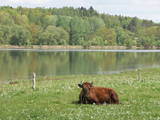 |
Der Naturpark im Tal der Daugava ist der einzige Ort zwischen den Kaskaden der Wasserkraftwerke, wo man noch die Chance hat, das Flusstal der Daugava und die Schluchten der Nebenflüsse so zu sehen, wie sie waren, bevor das Gebiet geflutet und die Kraftwerke gebaut wurden. Einen besonders schönen Blick hat man vom rechten Flussufer in der Nähe von Kirche und Burgberg von Aizkraukle. Wälder, Wiesen, Flussquellen und kleine Dolomitfelsen sind in dieser Region alles geschützte Biotope. Freizeitangebote gibt es auf dem Burgberg von Aizkraukle, die Schloßruinen von Aizkraukle sind nicht weit entfernt.
|
|
 |
Das Café befindet sich im Zentrum von Jekabpils. Hier werden Pizzen, Brötchen, Kuchen, Torten und Kringel gebacken, sowie geräuchertes Fleisch, Delikatessen aus Hirsch- und Wildschweinfleisch, Produkte der lokalen Heimarbeiter und Bauer angeboten. |
|
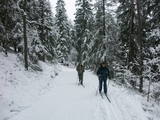 |
Der Naturpark von Ogre ist ein beliebter Ort für Freizeit, Wandern und im Winter für Skilanglauf. Der größte Teil des Parks ist mit Nadelwald bedeckt, der sich auf einer langen und vergleichsweise schmalen Linie von Hügeln mit steilen Abhängen befindet – ein weiteres Element der in Lettland von der Eiszeit zurückgelassenen Natur. Man findet hier viele verschiedene Pflanzen. Der Jaunogres-Burgberg ist einer der ausgeprägtesten Hügel in diesem Gebiet.
|
|
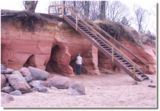 |
Ainavisks jūras viļņu izskalots smilšakmens atsegums
dienvidos no Zaķupes ietekas.
|
|
 |
Meža māja (Das Waldhaus) – wurde 1933
gebaut und ist eins der leuchtendsten Beispiele
für den nationalen Romantizismus in Lettland.
Anfangs war es ein in weiter Umgebung
bekanntes Restaurant „Jautrais ods” (die Heitere
Mücke). Nach dem Zweiten Weltkrieg wurde in
dem Gebäude ein Sanatorium für Kinder
eingerichtet – „Das Waldhaus“. 1997 zusammen
mit der Gründung vom Nationalpark Ķemeri
wurde es zum Haus der Administration vom Park
mit einem modernen Besucherzentrum und Platz
für verschiedene naturbezogene Ausbildungs
veranstaltungen.
|
|
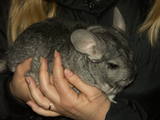 |
The owners breed chinchillas, which originated in the Andes in South America. They offer a tour and a story about the lives and growth of chinchillas. Animals and their pelts can be purchased. The lady of the house is also a painter. |
|
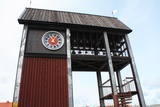 |
Tāpat kā Ventspils Rātslaukums, arī Tirgus laukums ir uzskatāms par pilsētas vēsturiskā centra nozīmīgu daļu, kura apkaimē ir saglabājies senais ielu plānojums. Kādreizējā Rātsnama vietā tagad slejas kariljonu zvana pulksteņu tornis. Tas zvana katru stundu, bet 12:33:44 un 00:33:44 ar īpašu melodiju ieskandina astronomisko Ventspils laiku. Tirgus laukumā ir aka, kas saulainā laikā darbojas arī kā Saules pulkstenis. Monētu automātā var izkalt īpašu piemiņas monētu. |
|
 |
Located in one of the most untouched corners of northern Latgale. Already from the spring they offer worker bee and later both, young and producing bee, propolis and wax mixture candles, pollen bread and propolis in butter. The workshop produces bee hives and other apiary equipment. |
|
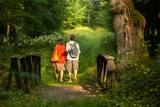 |
Im Park des Orellenhofs, der für seine großen Urbäume bekannt ist, deren Stämme mit dem lebenden und dem toten Holz vielen auch bereits vom Aussterben bedrohten Arten eine Heimstatt bieten, wurde ein Urbaumpfad eingerichtet. Im Park befindet sich das einzige in Lettland erhaltene Herrenhaus aus Holz vom Beginn des 18. Jh.
|
|
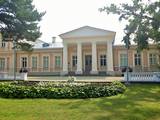 |
Der Park Renavas (begründet im 19. Jh.) ist einer der Parks zum Repräsentieren, der jedoch seine ursprüngliche, naturnahe Form gut erhalten hat. In dem Parkfragment unterhalb des Schlosses sind bis heute viele exotische Bäume erhalten. Im nördlichen Teil des Parks und im Waldpark herrschen Ahorn, Linde, Esche, Fichte, Eiche u.a. vor. Prunkstück des Parks ist die mächtigste Fichte in Litauen mit einem Durchmesser von 1,2 Meter, ebenso eine Linde, aus deren umgefallenen ursprünglichen Stamm sechs Äste zu neuen, unabhängigen Stämmen erwachsen sind. Der Eingang zum Park ist als Pergola mit Kletterpflanzen ausgeführt. |
|
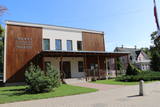 |
Located in a cultural centre at Brīvības Street 15 in Ogre, the museum was established in 1980 and has a permanent exhibition, “Ogre – a Swimming and Air Spa, Relaxation and Everyday Life, 1920-1940,” which offers a good look at the “golden age” of Ogre, when it was a popular spa. Another exhibition, “Legendary Ogre” offers a different view. Visit the museum to find out what it is!
|
|
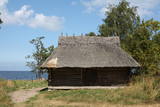 |
Das Fischerdorf Altja im Nationalpark Lahemaa wurde 1465 zum ersten Mal erwähnt. Es ist ein traditionelles Stranddorf , wo die Haushalte sich nebeneinander entlang einer Dorfstrasse befinden. Jedoch stammen die Haushalte wie Uustalu und Toomarahva aus dem Ende des 19.Jh. Auf der Landzunge Altja sind alte Netzschuppen zu sehen. Hier gibt es einen Dorfplatz mit grossem Schaukel und der Krug Altja mit estnischer Küche. |
|
 2 Tagen
|
Latvia is the land of apples, so producing cider here is only natural! The ancient traditions of apple growing in our country, as well as the variety of high-quality apple cultivars, are key advantages of Latvia's cider culture. In our climate zone, it is challenging to grow good grapes for wine production, but the local conditions are particularly suitable for making apple cider. This is a natural consequence that local cider producers are increasingly mastering with excellence. The Cider Route will take you to various cideries in Latvia, as well as to restaurants and pubs that serve it. The Cider Route allows you to understand the specifics of Latvian cider, introducing you to the culinary traditions and cultural heritage of different regions. You will have the opportunity to meet the cider makers themselves, who run small farms, tend to the orchards, share about their work, and even let you participate in it. |
|


