
| Nr | Name | Beschreibung |
|---|---|---|
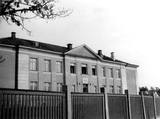 |
The roots of Saulkrasti Secondary School reach back to Pabaži, to 1912, when a young teacher – Olga Veicmane (after marriage: Cīrule) arrived from Riga to teach the sea captain Reisons’ daughter. Soon many other tutor-seekers joined her and in autumn of 1912 a school was established in Pabaži. The school had a good reputation, and pupils came from the entire surrounding area. In January of 1913, the school was moved to more spacious premises at 20 Rīgas Street. |
|
 |
Atrodas uz nelielās Mīlestības saliņas, ko ieskauj Buļļupes un Daugavas ūdeņi. Saliņa sasniedzama tikai ar laivu. No torņa labi pārskatāma Daugava, Daugavas vārti (ieteka jūrā), Bolderājas, Mangaļsalas un Ziemeļblāzmas apkaime, kā arī apkaimes mitrāji (niedru audzes, ūdeņi). |
|
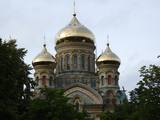 |
Das Gotteshaus ist von 1900 bis 1903 im byzantinischen Stil als eine Kirche der Kriegsgarnison gebaut worden, bei deren Einweihung Zar Nikolai II teilgenommen hat, indem der Heilige Nikolai – der Schutzpatron der Seeleute geehrt wurde. Das prachtvolle Gebäude wurde während des Ersten Weltkriegs von den Deutschen ausgeraubt. Während der Ersten Republik Lettlands diente die Kathedrale als das Gotteshaus der Garnisone von Liepaja. Die Sowjetarmee hat die Räume des Gotteshauses als das Kino des Sport- und Matrosenklubs und als ein Lager benutzt. Es gibt Erzählungen darüber, dass die Sowjetsoldaten aus den Heiligenbildern der Fassade Teile von Goldmosaiken herausgebrochen haben. Heute wirtschaftet in der Kirche die orthodoxe Gemeinde. Beim Bau der Kathedrale ist eine einzigartige Technologie der ununterbrochenen Betonierung verwendet worden, darum haben die Baukonstruktionen keine Stützsäulen und ihr Gewicht nur auf die Gebäudewände stützt, die die vier sich kreuzenden Bogengewölbe halten. Heute ist dieses Gotteshaus die höchste orthodoxe Kathedrale in Lettland. |
|
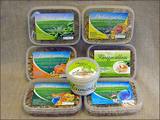 |
The farm produces mixes involving seeds from various plants – ones which are very healthy in terms of human nutrition. Visitors will hear stories, purchase products and taste hemp pancakes. The tour takes place at the “Mazais Ansis” saloon. |
|
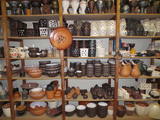 |
This old brickmaking kiln is used to prepare clay that is used by many ceramics artists. The owners also produce handmade household and design objects. Tours are available with attractive stories and creative workshops. Individual orders are also accepted. |
|
 |
Das Restaurant und der Laden befinden sich in Cēsis, an der Straße aus Richtung Valmiera kommend. Moderne Innenausstattung, gemütliche Atmosphäre und leckeres Essen aus Produkten von einheimischen Bauern. Die Speisekarte bietet nicht nur verschiedene Fleisch- und Fischgerichte, sondern auch eine große Auswahl an vegetarischen Gerichten an. |
|
 |
In Liepene Gebiet von Ventspils befindet sich die ehemalige Abteilung der Grenzwache des Meeres, die heutzutage ein Privateigentum ist und als Touristenunterkunft genutzt wird.
|
|
 | ||
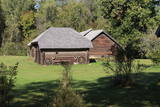 |
A unique farmyard that includes a full set of buildings typical of this area. The farmstead buildings reflect at least 300-400 years of Latvian nation-building development. In the area it is possible to stay in a dwelling house (2 rooms, two people each) and in the tents. Picnic places available. It is also possible to organize different events and activities. |
|
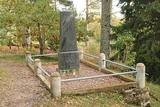 |
Das Denkmal vom alten Taizelis – das Grab vom Fischer Niks Freimanis (1845-
1908) – der vom Schriftsteller M. Zariņš als Prototyp in einer Geschichte und einem
Theaterstück benutzt wurde.
|
|
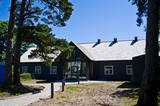 |
Livonian Community House at Kolka was opened in 2019. It is a place where you can get to know the Livonian culture of Northern Kurzeme, learn about traditional activities, listen to the sound of the language, and get an idea of the cultural and historical heritage of the coast. In House you can organize and attend cultural events, seminars, trainings, exhibitions, and also receive tourism information. |
|
 |
Befindet sich in einem 1911 errichteten Gebäude der Molkerei. Herstellung von Milch, Kefir, Buttermilch, saure Sahne, Sahne, Quark, süße Quarkcreme, Butter, Joghurt und Käse. Die Produktion kann man in einem Geschäft der Molkerei (in der Nähe vom Unternehmen) kaufen. Im Geschäft kann man auch die von den Kooperationspartnern (A/s „Smiltenes piens” und SIA „Latvijas piens”) hergestellten Käsespezialitäten kaufen. Eines der fünf lettischen Unternehmen, das den weichen Kümmelkäse "Jāņu" herstellen darf, der als garantiert traditionelle Spezialiät in das EU-Register eingetragen ist. Die Erzeugnisse des Unternehmens haben die Qualitätszeichen „Grüner Löffel” und „Latvijas labums” erhalten. Für die Gruppen – Verkostungen und Einblick in die Tätigkeit der Milchgenossenschaft. |
|
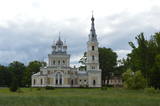 |
The owner of the Stāmeriena Estate was Baron Johann Gottlieb von Wolff, and his wife, Sofia Potyomkina, was a member of the Russian Orthodox faith, so work on the church began in 1902. It was consecrated two years later. The crosses on the steeple of the church are known for mountain crystals that were presented by the Wolff dynasty. Contact the church in advance for a tour of its interior. |
|
 |
Kräuterhof Tamme beschäftigt sich mit Anbau von Kräutern und Heilpflanzen. Es gibt einen Mustergarten für die Besucher. Wir züchten verschiedene Gemüse- und kulinarische Zierpflanzen. Auf Vorbestellung gibt es Kräutertee und selbstgebackenes Kräuterpirogge. Im Hofladen gibt es vor Ort eingemachte Beeren, Gemüse, Kräuter- und Teemischungen und andere Kräuterprodukte. |
|
 |
Touristisches Zentrum Avinurme Puiduait ist vor allem das Zuhause für feine Holzbearbeitung in Avinurme. Gerade hier gibt es die reichste Auswahl von Späneprodukten, viele Saunaprodukte und Gebrauchsgegenstände aus Holz. Gäste haben die Möglichkeit an verschiedenen Workshops teilzunehmen: Korbflechten, Filzen, Brotbacken, Kerzengiessen, Gummistiefel-Malen u.a. Avinurme Puiduait ist ein Tourismuszentrum, in dem man die örtlichen Holzerzeugnisse anschauen kann. Hier gibt es auch ein Café, in dem Speisen aus der Peipussee-Umgebung angeboten werden, die auf den Holzerzeugnissen serviert werden. Außerdem kann man hier auch selbstgebackenes Roggenbrot kaufen. Das Laden bietet eine große Auswahl an Holzerzeugnissen. |
|
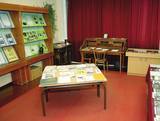 |
Local History Museum of Bērzgale was founded in 1988. There is
the memorial room of writer Antons Rupainis (1906 – 1976), the exposition of municipality history, its famous
people and cultural-historical traditions.
Working hours: Mon– Fri : 9.00 – 12.00,13.00 – 17.00, Sat., Sunday : on request |
|
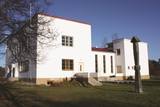 |
Das livische Volkshaus – das 1939 gebaute Haus ist ein Symbol der livischen Identität.
Im Volkshaus kann man eine für die Liven gewidmete Fotoausstellung betrachten.
|
|
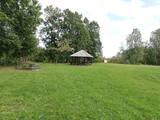 |
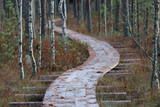
Dabas taka atrodas Zaķumuižā un ved cauri vecajam muižas parkam, pa ceļam iespējams aplūkot simtgadīgus kokus, dažādus augus, kā arī dažādus kukaiņus, putnus. Taka ir veidota kā mācību taka un to veidojusi Zaķumuižas pamatskolas skolotāja. Taka ir 1,5 km gara. Tai ir vidējas grūtības pakāpe: takas reljefs ir samērā vienmērīgs, mērens, izņemot atsevišķus posmus (daži stāvumi un kritumi, dažviet nelīdzens reljefs), tāpēc īpaša fiziska sagatavotība pirms takas iziešanas nav nepieciešama. Vietās, kur reljefs ir stāvāks, izvietoti roku balsti, bet pāri muižas dīķu sistēmas ūdeņiem uzcelti divi tiltiņi.
|
|
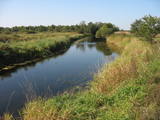 |
Palieņu un mitrās pļavas abos Dubnas upes krastos, kuras nelielā posmā var vērot no Rožupes - Vārkavas ceļa. Piemērotā laikā šeit dzirdēsiet griezes balsi, kas ir Eiropā izzūdoša putnu suga.
|
|
 5 Tagen
|
This route passed along many places where events directly related to the emergence of the Latvian state and to the subsequent freedom battles occurred. The historical route from Rīga to Liepāja via Dobele, Saldus, Skrunda, Durbe and Grobiņa was used as long ago as the 13th century. People in the Kurzeme region of Latvia have always eat sea, river and lake fish, particularly smoked fish. Potted smoked cod, served in a clay pot, is a particular delicacy, as are smelts, sea pike, sprats, herring and salmon, available all year long. Ladies of the house bake tasty rye bread, sourdough bread and tasty carrot buns, and they also cook various porridges from barley. Dairy products, Summer Solstice cheese and “white butter” has an important role. Fresh goat milk cheese is prepared with dills and garlic, and goat milk cheese is also tasty. Menus will include local domestic fowl and meat dishes, including roasts, ribs, sausages, as well as more exotic dishes such as pig’s tongue and bull testicles. Fancy taverns will offer pheasant and wild game with mushrooms, lingonberries, juniper berries and wild herbs. In Kurzeme you will be greeted with delicious pies, sheet cakes, poppy seed pastries and honey cakes, biscuits with poppies and cranberries, dessert from rye bread, lingonberries or cranberries and sweet cream.Blackberry dumplings are popular. More unusual are marmalades made from wild plants such as mountain ash, cranberries and even fir needles. Slake your thirst with aromatic herbal teas with honey and enjoy a mug of beer or some homemade wine. |
|


