
| Nr | Name | Beschreibung |
|---|---|---|
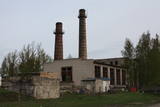 |
Kesselraum von Karaosta wurde Jahrzehnte lang für die Versorgung der Stadt mit der Heizung genutzt. Das Objekt ist im Besitz von Fernwärmenetze der Stadt Liepāja, das Territorium ist verlassen und es wird nicht bewacht.
|
|
 |
Rīgas HES komplekss ir savienots ar Doles salas austrumdaļu. Rīgas HES ir pēdējā no elektrostacijām Daugavas HES kaskādē. Tās celtniecību uzsāka 1966. g., bet pirmo hidroagregātu iedarbināja 1974. gadā, tā projektēto jaudu sasniedzot divus gadus vēlāk. Rīgas HES uzstādīti seši hidroagregāti, kuru kopējā jauda ir 402 000 kW. No Rīgas – Daugavpils šosejas (A 6) labi redzamas Rīgas HES dambis. Rīgas HES dzelmē palika daudzi kultūras un vēstures pieminekļi, t.sk. Laukskolas apmetne, kas ir vecākā zināmā cilvēku apmešanās vieta tagadējā Latvijas teritorijā. |
|
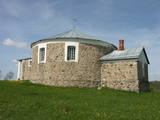 |
This chapel is interesting in form and made of field stones. It was built in the 19th century and is not open to the public. |
|
 2 Tagen
|
Der erste Teil dieses Abschnitts des Waldweges schlängelt sich entlang des herrlichen Piusa-Tals und biegt dann im Dorf Härmä in Richtung Obinitsa ab, einem wichtigen kulturellen Zentrum von Setomaa, dem Land von Setos. Hier können Sie die Traditionen der Seto-Bevölkerung entdecken, zum Beispiel das feine Handwerk der Seto-Frauen. Nach Obinitsa führt der Waldweg durch wunderschöne, heidereiche Kiefernwälder, steigt zurück in die Tiefen des Piusa-Tals und endet an den Piusa-Höhlen. Die Piusa-Sandsteinhöhlen sind das Ergebnis des Handabbaus von Glassand von 1922-1966. In den Höhlen befindet sich die größte überwinternde Fledermauskolonie Osteuropas. In Begleitung des Führers können Sie die Aussichtsplattform in der Museumshöhle besuchen. |
|
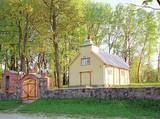 |
St. Michael the Archangel Parish Church of Zosna. The church
was built in 1800 by the donations of local people; it is devoted to Saint Michael. The church is built on the
stone foundation and panelled with boards. It has a small square tower that was restored in 1994.
|
|
|
|
Ein einzigartiges Örtchen beiderseits des Flusses Minija, wo der Fluss eine „Hauptstraße” ist. Litauens Venedig. |
|
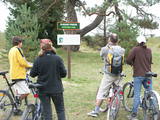 |
Ein Rundweg für Wanderer und Radfahrer, der im Ort Vaidava beginnt und am Ostufer des Sees von Vaidava entlang führt. Die Route führt über den Welkenhof (Veļķu Muiža), die schwedischen Kiefer, den Burghügel von Vaidava, verschiedene Quellen, den Findling von Rubene, den Weidauer Hof (Vaidavas Muiža) am Westufer und endet am Ausgangspunkt.
|
|
 1 Tag
|
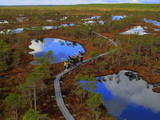
The Great Ķemeri Bog Boardwalk is located in Ķemeri National Park. The national park covers an area of 38,165 hectares. The Great Ķemeri Bog Boardwalk immerses visitors in the world of moss, small pine trees, deep pools, tiny dark lakes and the smell of wild rosemary. An astute visitor will notice the carnivorous sundew plant and a variety of birds – wood sandpipers, white wagtails and tree pipits – and will also be able to hear cranes further away. Those who prefer shorter strolls can take the small boardwalk loop (approx. 1.4 km), while those who choose the great loop (approx. 3.4 km) will be rewarded with the opportunity to climb to a viewing platform that offers a magnificent view of the bog from above. The Great Ķemeri Bog Boardwalk has become a popular place for landscape and wildlife photographers. The whole trail is laid to wooden boardwalk and therefore is fully accessible and can be walked without a professional guide. |
|
 |
SIA "3x9 zālītes" piedāvā ļoti plašu klāstu zāļu tējas un to maisījumus. Zālītes ievāktas Vecpiebalgas novadā, ekoloģiski tīrās pļavās un mežos. Zālītes vāktas atbilstoši dabas ritmam un mēness fāzēm. Kaltētas dabīgos apstākļos, saglabājot zālīšu vērtīgās vielas, smaržu un garšu. |
|
 |
Hier kann man die Geschichte und das Kulturerbe der Liven von Vidzeme kennenlernen, indem man die Sammlung des Museums besichtigt und die Gerichte und Getränke probiert, die früher dieser Region charakteristisch waren: Graupengrütze und das nach alten Rezepten gebraute, starke alkoholische Getränk Škaļika. Gruppen von Interessenten können hier in einem ländlichen Ofen Roggenbrot backen. Lettische Küche: Gerstengrütze mit gebratenen Fleischstücken und Zwiebeln und mit Marmelade oder Soße aus Moosbeeren oder Preiselbeeren, Kräutertee mit einem Moosbeerensirup, alkoholisches Getränk Škaļiks. |
|
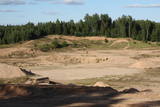 |
Dies sind Hügel im nördlichen Ende des Vidzemer Hochlandes. Sie sind ein wichtiges Gebiet für den Nördlichen Nadelwaldgürtel und seine Sümpfe. Hier werden verschiedene Sumpfarten gefunden, sie sind Heimat einer Anzahl wirbelloser Tiere.
|
|
|
|
Auch Königstor (Kuningavärav) genannt. Im Barockstil gebaut ist ein Teil der früheren mittelalterlichen Stadtbefestigung. Der Beginn des alten Postweges. |
|
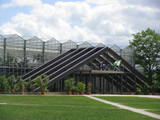 |
The National Botanical Garden in Salaspils ranks as the largest botanical garden in Latvia and in the Baltics with a territory of 136 hectares. The National botanical garden collection consists of about 14 thousand different varieties. More than 5,000 plants are found in the arboretum, as well as various other exhibitions, such as orchards, rosaries, ornamental plants. Botanical Gardens can inspire you to uprade your own garden assortment with new plant varieties and offers the experience of learning about botanical knowledge in nature. In addition, it presents opportunity to expand your personal photo archive with an exclusive background photographs and close-ups. There is a playground for children, comfortable cycling paths, nordic walking paths, picnic possibilities. |
|
 |
Kafejnīca "Bura" atrodas Madonas ziemeļdaļā, uz Gaujas un Rūpniecības ielas stūra – pie pilsētas apvedceļa. Kafejnīcā piedāvā plašu ēdienkarti, t.sk. latviešu virtuvi. Banketu zāle, vasarā darbojas āra terase. Piedāvā izbraukuma banketus. Ēka celta guļbūves stilā. Ainaviska vide, laukakmeņi. Latviešu virtuve: Pelēkie zirņi, kartupeļu biezputra ar gaļas krikumiņiem, zemnieku podiņš, siļķe ar mrinētiem sīpoliem un krējumu, maizes zupa, plānās pankūkas. Īpašais ēdiens: Pēc dažādām receptēm gatavots zandarts. |
|
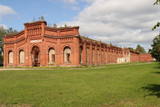 |
This building was erected in 1903 and 1904 to be used for military training, exercises and ceremonial events. An addition to the South of the building held a small church, but it is gone. The building was used for gymnastics performances and competitions for horseback riders. Official meals for the garrison’s sailors were held there, too – the hall could hold up to 3,000 people. Only the outer walls survive today, sad to say. You can view the exterior and interior of the hall at any time. This is the only building of its size and type in Latvia. The roof once had bands of glass tiles.
|
|
|
|
Teirumnīku purvs ir latvijas lielākā iekšzemes mitrāja - dabas lieguma "Lubāna mitrājs" sastāvdaļa, kas meklējams dienvidaustrumos no Lubāna ezera. |
|
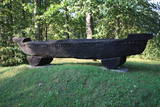 |
3 km to the south of the centre of Jūrkalne, near the old (gravelled) road between Liepāja and Jūrkalne, is the place where the three-year Feliksberga Maritime School existed between 1871 and 1902. The building is long gone, and the memorial has involves an oaken boat with two wooden poles on which old ownership signs have been engraved. |
|
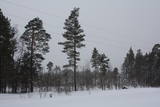 |
Between Saunags and Vaide on the road to Kolka, you will see an area on the left (South) side of the road where there was a massive forest fire in 1992 which burned approximately 3,300 hectares of forest. Biologists use the area to study the regeneration of the forest. There were extensive and destructive fires here during the early 20th century, as well. Swedish scientists say that there have been at least 15 fires in the forests of Šlītere over the last several centuries. The burned area is in a nature reserve and can only be viewed from the road. |
|
 |
No Vecās pasta ēkas ir redzama Sv. Jāņa kolonna. Domājams, ka tā celta 17. gs. un sākotnēji kalpoja kā blakus esošā tirgus laukuma „ziņojumu vieta”. Vēlāk kolonnu pārdēvēja Sv. Jāņa - zvejnieku aizbildņa vārdā, jo daudziem Traķu apkārtnes iedzīvotājiem zveja bija ikdienas dzīves sastāvdaļa. |
|
 |
Lauku sēta ar pirti atrodas Merkys upes krastā, ciema nomalē meža tuvumā. Piedāvā programmu "Griķu ceļš no sēklas līdz galdam", iespējams nobaudīt tradicionālos ēdienus. Piedāvā arī nakšņošanu. |
|


