
| Nr | Name | Beschreibung |
|---|---|---|
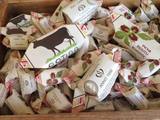 |
Das erste Unternehmen, das 1957 die Produktion der beliebten Milch-Bonbons „Gotiņa“aufnahm. Hier kann man köstliche Bonbons erwerben und auch an einer Führung teilnehmen, der Inhaber des Unternehmens ist zugleich der Haupt- Bonbonmeister. |
|
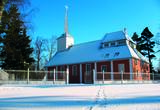 |
Roman Catholic Church of Divine Grace – On 19 April 1998, the so-called “White Sunday” or the Day of Divine Grace, Saulkrasti Roman Catholic Church of Divine Grace was consecrated. The building is 24 m long and its tower is 16 m high. The 300-seat church was designed by the architect Jānis Šrēders. The image of Christ on the altarpiece was derived from the vision of the saint, Sister Faustina, of 22 February 1931 in a monastery in Poland. The altarpiece was created by the artist Ēriks Pudzēns. 14 paintings on the walls of the church depict Christ’s path of suffering from conviction to resurrection. The altar is built of ash. On 2 August 1998, a 7.38 m tall cross was consecrated by Saulkrasti Roman Catholic Church of Divine Grace. At night this cross is illuminated. The cross is similar to the cross of Golgotha in Jerusalem where Jesus Christ was crucified. |
|
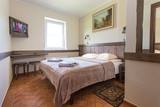 |
Viesu nams "Igne" ir vieta, kur palikt uz vienu nakti vai apmesties uz ilgāku laiku. Tā atrodas netālu Druskininkai Jaskoniai ciematā, tikai 4 km attālumā no pilsētas centra, taču tā ir klusa vieta prom no pilsētas burzma. Iespēja uzņemt līdz 50 cilvēkiem istabās ar labierīcībām. Apmeklētāju ērtībai augstas klases restorāns "Romnesa", omulīga sauna, bezmaksas autostāvvieta un bezvadu internets. Piemērota vieta konferencēm, semināriem, privātiem un korporatīviem pasākumiem. Tiek piedāvātas izglītojošas meistarklases šakotis gatavošanā, Šakotis muzeja apskate. |
|
 6 Tagen
|
The tour introduces a variety of attractions and values outside big cities revealing the true character of the countries. Visitors will experience the beauty of nature in national parks, charming ambience of rural manors, visit traditional rural farms and skilful traditional artisans and craftsmen. |
|
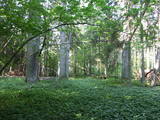 |
Ein einzigartiges Territorium in Lettland, großflächige Laubwälder mit Eichen (viele Ureichen), Linden und Eschen. Führungen mit lokalen Führern und Förstern. Naturschutzgebiet.
|
|
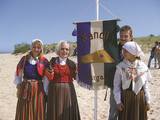 |
1387 wurde die Ortschaft urkundlich als Minor Irva bezeichnet. Bis zur Mitte des 20. Jh. war Mazirbe das größte livische Dorf an der kurländischen Küste: ein Fischerdorf und Zentrum für Schiffsverkehr. Im Dorf gab es eine Kirche, eine Schule, eine Apotheke, Forstwirtschaft, mehrere Läden, ein Post- und Telegraphenamt, einen Bahnhof, ein Sägewerk, ein Friseurgeschäft, eine Bäckerei und eine Fotowerkstatt. In Brauskas wurde eine Ziegelbrennerei betrieben. In den 30er Jahren des 20. Jh. wurde von der Fischergenossenschaft ein Fischverarbeitungswerk errichtet. 1923 wurde hier die Livische Gemeinschaft gegründet und 1939 das Livische Volkshaus eröffnet. Gegenüber dem Volkshaus befindet sich der Bauernhof Stūrīši (Familienhaus von Taizeļi), in dem man livische Haushaltsgegenstände besichtigen und auf Bestellung die lokalen Spezialitäten verköstigen kann. In Mazirbe lebten die ersten Vorsitzenden der Livischen Gemeinschaft, Kārlis Stalte und Mārtiņš Lepste. Der Kulturarbeiter Kārlis Stalte (1870–1978) war ein langjähriger Küster und Organist von Mazirbe und Mārtiņš Lepste Lehrer der livischen Sprache in den 30er Jahren des 20. Jh. Von außen ist das Gebäude der ehemaligen Seefahrtschule zu sehen, in der im Zeitraum von 1894 bis 1914 ca. 2.000 Studenten ausgebildet wurden. Während der Sowjetzeit befand sich hier ein Militärposten – „zastava“. |
|
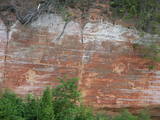 |
Einer der bekanntesten Sandsteinaufschlüsse in Lettland mit einer Echo-Felswand (etwa 12 m hoch). Am rechten Ufer der Salaca wurde ein Rastplatz angelegt, an dem man ein Experiment durchführen kann: Man stellt sich dem Aufschluss gegenüber hin und spricht nur halblaut. Das Echo kann der Sprecher selbst und alle anderen auf dem Platz hören. Die Objekte befinden sich im Naturpark Salaca und im Park Skaņaiskalns.
|
|
 |
The craftsman typically produces objects that are of use on an everyday basis. They have laconic forms and reticent decorations. You can take a tour of the workshop and kiln, watch demonstrations, and work with the clay yourself. You can purchase finished products, look at the beekeeping operation, and taste and purchase honey. |
|
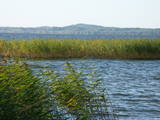 |
A beautiful part of the Rēzekne-Dagda-Krāslava road – along two km or so, you can see Lake Rāzna and Mākoņkalns hill, which is 10 km away on the other shore of the lake. |
|
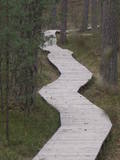 |
Zur Besichtigung steht die Umgebung der bis zu 17 m hohen Düne Ragakāpa un 100-jährige Kiefern. Entfernung ~2km (einfache Richtung!). Sie liegt im Naturpark Ragakāpa.
|
|
 |
Metāla tornis Kazari upes kreisajā krastā, ~ 5 km attālumā no Matsalu līča. No torņa redzamās Kazari deltas palieņu pļavas atrodas tikai 0,3 – 1 m augstumā virs jūras līmeņa, tādēļ pavasara palos un stipru vētru (īpaši rietumvēju) laikā ūdens appludina milzīgu teritoriju. Uzskata, ka platības ziņā šīs ir vienas no lielākajām Eiropas palieņu pļavām, kas ir nozīmīga dažādu tārtiņveidīgo putnu sugu ligzdošanas, dzērvju un zosveidīgo putnu atpūtas un barošanās vieta. Ir pagājis laiks, kad zemnieki Matsalu pļavās ganīja govis un pļāva sienu, tādēļ šobrīd pļavu apsaimniekošanu veic nacionālā parka administrācija. |
|
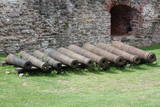 |
The Bauska Castle contains a collection of cast iron cannons which date back to the latter half of the 17th century and the beginning of the 18th century. They were manufactured in the Duchy of Courland. The cannons that are in the garden of the castle were not found there – they were found in different locations in Zemgale. Four of the largest cannons came from Jaunsvirlauka, where they were found on the banks of the Lielupe River opposite Emburga. They are the best preserved weapons of their type in Latvia. The only cannon that was found in the castle itself is currently in its South-eastern tower as a thematic exhibit. When it was being cleaned, two cannonballs were found in the weapons. The local Livonian Order castle is in ruins, but it and its defensive structures, including earthen ramparts that were installed from the mid-15th until the early 18th century, represent an important element of Latvia’s military heritage.
|
|
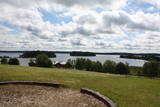 |
This park is located in the northern part of the Žemaitija Highlands, and much of it is taken up by Lake Plateliai. The park was established to protect lakes, rivers, wetlands and forest ecosystems, as well as the local cultural environment.
|
|
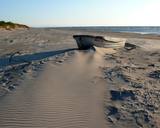 |
"Valgums" is a word referring to the sandy coastline zone between dunes and water, and once there were boats and nets that were being dried at this location. Each village had several areas of this type, and in the 1920s and 1930s, these were of great importance in the preservation of the Liv language. |
|
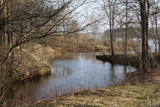 |
In der Stadt Pļaviņas neben der Einmündung des Flusses Skanstupīte in Daugava (Park der Freundschaft) befindet sich Überreste der nicht großen und niedrigen Schützwälle und Bastionen von Anfang des 17. Jahrhunderts – sogenannten Schwedischen Schützgräben. Da sich im 17 Jahrhunder an diesem Ort die Grenzen von Vidzeme (schwedische Verwaltung), Latgale (polische Verwaltung) und Herzogtum von Kurland (am gegenüberliegenden Ufer von Daugava) kreuzten, war hier ein militärisch strategischer und politisch bedeutender Ort. Im Jahr 1625 haben die Polen hier eine Niederlage für die Schweden beigebracht und der schwedische König Gustav Adolf ist fast ums Leben gekommen. Es gibt auch noch anderswo in Lettland solche mittelalterische Militärobjekte - Schutzgräben erhalten geblieben.
|
|
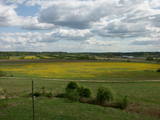 |
From the Asote castle hill, which is on the right bank of the Daugava River near Jēkabpils, there is a fine view of the Daugava River valley, the Ābeles Island, and the Kaupre castle hill that is at the northern end of the island.
|
|
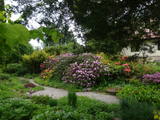 |
Der Hof und der dendrologische Garten befindet sich unweit von Kuldiga. Im Teich am Haus werden Karpfen und Forellen gezüchtet. Neben dem Gästehaus befindet sich die 1960 angelegte Baumschule „Sauleskalni“. Derzeit finden Sie hier etwa 100 Arten Bäume und Sträucher, darunter 25 heimische Arten und 16 Arten und Sorten Rhododendron. Besondere Stücke sind die älteste Magnolie Lettlands (50 Jahre), ein 45 Jahre alter Perückenstrauch (Cotinus coggygria), ein Ginkgo (Ginkgo biloba), Eleutherococcus sessiliflorus und andere. Als Eintritt ist eine Spende erwünscht. Es gibt einen Raum, der den Gründern des Gartens und deren Geschichte gewidmet ist. Man kann diverse Pflanzen kaufen. |
|
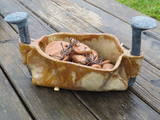 |
The potter offers tours of his workshop, a chance to use the potter’s wheel to produce your own clay dishes, opportunities to draw, and a chance to manufacture drums and dolls. You can buy the finished products and listen to the craftsman playing his drums. |
|
 |
Atrodas Rīgas – Ventspils autoceļa (A 10) 92. kilometrā. Piedāvā ēdināšanas pakalpojumus, klāj galdus un organizē citus pasākumus. |
|
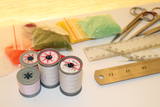 |
Radošajā mājā Latvietes pūrs var apgūt praktiskās iemaņas rokdarbu veidos, kas nepieciesami latviešu tautas tērpu darināšanai – baltie un krāsainie darbi, zīļu vainagu darināšana, adīšana, tamborēšana, tilla izšuvumi, pīto un austo jostu darināšana u.c. Saimniece pati pārzina dažādus rokdarbu veidus un to tehnikas, nepieciešamības gadījumā tiek pieaicināti sava aroda meistari. Ir zināšanas par latviešu tautas tērpa novadu īpatnībām, saimniece labi zina tautas tērpu attīstības vēsturi un pielietojumu
|
|


