
| Nr | Name | Beschreibung |
|---|---|---|
 |
The fisherman offers you a chance to engage in string-based fishing at the seashore near Nida and Pape, fishing out in the sea (1-2 people), and ice fishing during the winter. You can smoke what you catch or cook fish soup with it. |
|
 |
Atrodas Inciema centrā. Piedāvā maltīti visām ēdienreizēm. Lielas porcijas, garšīgs ēdiens. Iecienīta tuvākas un plašākas apkaimes maltītes ieturēšanas vieta. Klāj galdus. |
|
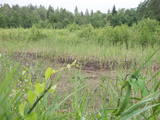 |
Die Schlammregenarationsteiche – ein Ort,
wo der verbrauchte Schlamm vom Kurort und
Rehabilitationszentrum „Jaunķemeri“ deponiert
wird.
|
|
 |
The owners have made sure that everyone can buy fresh and processed fishery products from local producers. During the summer, on the terrace, you can listen to Mazupīte's water, enjoy freshly grilled fish, as well as enjoy particularly delicious cakes, coffee and ice cream. |
|
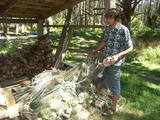 |
Fishermen along the seashore of the Baltic Sea love Laikas. They can hope to catch plaice, cod and eels, after which the owners of the farm will cook tasty fish soup or smoke the fish. You can help out in the process. |
|
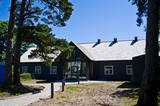 |
Livonian Community House at Kolka was opened in 2019. It is a place where you can get to know the Livonian culture of Northern Kurzeme, learn about traditional activities, listen to the sound of the language, and get an idea of the cultural and historical heritage of the coast. In House you can organize and attend cultural events, seminars, trainings, exhibitions, and also receive tourism information. |
|
.jpg?size=160) |
Die Wirtschaft Jokas befindet sich 4 km östlich von Turlava. Der Wirt Jānis Uzulēns hat das Unternehmen seit dessen Gründung im Jahr 2011 zielstrebig entwickelt und vergrößert. Der Stolz der Wirtschaft ist die Herde der Fleischrinder, die 70 Kühe bilden, sowie fünf Pferde. In der Wirtschaft werden Würste und andere Fleischprodukte hergestellt. Hier werden auch solche Dienstleistungen wie Bewirtschaftung von Wäldern und Fischzucht angeboten. |
|
|
|
Die älteste (16 Jh.) der drei Burge am Fluss Nemunas. Renoviert nach dem 2. Weltkrieg. Heutzutage – eine Schule. Ein Park. Blick vom Burgturm. |
|
 |
The cafe in the centre of Saulkrasti. There are offered not only baked goods, but hot meals as well. The Latvian-style kebabs made here are very popular among the citizens of Saulkrasti and town guests. The cafe offers high chairs for children. Working hours in the summer: 8:00 – 20:00, from September to May: 8:00 – 18:00 |
|
 3 Tagen
|
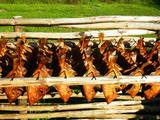
The Liv Coastline involves a series of shoreline villages from Ovīši to Ģipka along the shores of the Baltic Sea and the Bay of Rīga. Like Latvians, Livs are an indigenous population in Latvia, with ancestors who lived here at least 5,000 years ago. They populated extensive parts of Kurzeme and Vidzeme, and the area in which they lived the longest was Northern Kurzeme, on the shores of the Baltic Sea. Today visitors to the Liv Coastline mill meet real Liv fishermen, feel the aroma of smoked fish, enjoy traditional dishes, look at diverse ancient fences, learn about the reticent charm of the local landscape, enjoy the place where two seas, birds and people meet at Cape Kolka, hear the Liv dialect of the Latvian language, see rounded hillocks and swampy areas, visit the Šlītere lighthouse, and see the green-white-blue Liv flag, red bilberries, bird migration routes and blue cows. The oldest evidence of the life of Livs can be found in the Liv centres. The Liv language and culture are still alive in place names, handicrafts, folk costumes, and the world view and lifestyle of people who live in the area. The Liv language and cultural values are part of Latvia's national cultural heritage, and traditional Liv culture is part of the Latvian Canon of Culture. |
|
|
|
Befindet sich im Zentrum der Ortschaft Cibla. Die zentrale Dominante des Landguts sind ein 1680 im Stil des Klassizismus errichtetes Herrenhaus (später umgebaut wurde), ein Dienerhaus, ein Torgebäude und Wirtschaftsgebäude, die im schlechten Zustand sind. Der Park des Landguts ist von einem Steinzaum umschlossen. Seit dem 17. Jahrhundert gehörte das Landgut fast zwei Jahrhunderte einer polnischen Baronengeschlecht von Karnickij. Später gehörte das Landgut verschiedenen Besitzern. Heutzutage befindet sich im Herrenhaus das Internat von Cibla, ist ein Heimatkundemuseum errichtet, das die Exkursionen anbietet. An den Ufern des Flüsschens Ilža entlang erstreckt sich einen kulturhistorischen Pfad von Eversmuiža. |
|
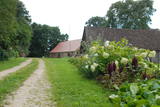 |
Es ist ein abseits gelegener Ort an der Grenze zwischen Lettland und Litauen, 5 km südwestlich von Nereta, den jeder Geschichtsliebhaber besuchen sollte. Warum? Einer der Gründe ist die Tatsache, dass die Getreidedarre des Landgutes (sie wird langsam erneuert) und der Darrofen für Getreide (ein Teil von den alten Holzteilen hat sich noch erhalten) sind die einzigen dieser Art in Lettland. Von dem Landgutkomplex haben sich noch der Pferdestall und das Haus der Diener erhalten, das heute bewohnt ist. Die Gebäude sind im 18. Jh. gebaut worden. Der Wirt des Landgutes kann über interessante Ereignisse erzählen, die mit der Geschichte dieses Ortes verbunden sind. |
|
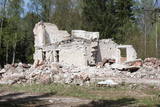 |
Meldegängerabteilung Knīpupji in Wälder von Bārta ist verlassen worden und sie wird nicht bewirtschaftet. Ein degradiertes Objekt. Die Gebäude werden zum Zweck Baustoffe – Gewinnung demontiert.
|
|
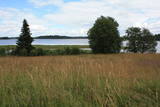 |
Ļoti ainavisks ezers, uz kuru paveras lieliskas ainas no Vidzemes augstienes pauguriem. Te jāatceras latviešu teika par Ineša un Alauksta strīdu, kā rezultātā Inesis dabūja pliķus – salas, kurām (sešām) tāpat kā Sproģu pussalai ir dabas lieguma statuss. |
|
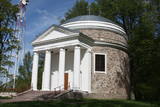 |
Im 15. Jh. kam das Landgut von Preiļi im Besitz der Familie des Grafen von Borch. Die Familie von Borch hat hier bis in die 1860er Jahre gewirtschaftet. Die Stadt hat sich in der ersten Hälfte des 19. Jhs. herausgebildet, indem das Landgut, das Dorf und das Freidorf – die Niederlassung der Handwerker und der Händler – von Preiļi zusammengeflossen sind. Im 19. Jh. wurde in Preiļi ein prächtiges Schloss gebaut und ein Landschaftspark eingerichtet. Heute ist die Stadt ein bedeutendes Zentrum für Wirtschaft (für Käseherstellung und Näharbeiten) der Region Latgale, das seine Traditionen der Folklore, der Handwerker und des Katholizismus pflegt. Besonders empfehlenswert ist eine Führung in der Leitung von Irēna Kjarkuža, die bei der Touristeninformation von Preiļi arbeitet. |
|
|
|
Rečina Old-Believers Prayer House was built in 1912. It has a rectangular shape with a single-hall,
rubble-wall foundation and a small tower on the top of the altar.
|
|
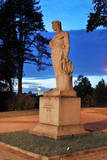 |
Ein Denkmal für den Landwirtschaftsminister der Lettischen Republik Arturs Alberings. Ein vom Bildhauer Kārļis Zemdega errichtetes Denkmal wurde 1939 aufgestellt. Dieses Denkmal stellt einen Jungen mit einem Handkorb fürs Getreide dar. In der Sowjetzeit verschwand das Denkmal und an dieser Stelle wurde einen Pionier aus Gips aufgestellt. 1977 haben die Kinder die vergrabenen Teile des Denkmals gefunden, aber 10 Jahre später – den Kopf des Denkmals im Fluss Rūja. Zurzeit ist das erneuerte Denkmal an seinem ursprünglichen Ort zu sehen – im Ternejas Park nahe der Rīgas Straße. |
|
 |
Saimniecības laukos ganās ap 300 aitu kupls ganāmpulks, no kura iegūst gaļu un vilnu. Piedāvā ekskursiju, kurā stāsta par aitu audzēšanu, cep maizi, auž un uz ugunskura vāra zupu. Apmeklētāji var iegādāties adītas zeķes, cimdus, segas, lakatus, galdautus un citas saimniecībā noderīgas lietas. Stāsta par atjaunotās mājas vēsturi un kopj latviskās tradīcijas. |
|
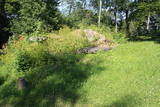 |
Der Burgberg befindet sich in Laši, 0,2 km von der Straße Vecumnieki – Ilūkste entfernt. Dieser Hügel ist ein alter Burgberg der Selen, der vom 1. Jahrtausend vor Christus bis zum 10. – 12. Jh. nach Christus bewohnt war. Heute kann man auf dem Burgberg die Ruinen des ehemaligen Landgutkomplexes von Veclaši (Tiesenhausen) sehen, von dem sich nur das Wirtschaftsgebäude, die Fundamente des Schlosses, einige Torfragmente und der Park erhalten haben. Das eindrucksvolle Herrenhaus war am Ende des 19. Jhs. im neogotischen Stil gebaut worden. Bis zum Jahr 1920 befand sich das Landgut im Besitz der Grafen-Familie Przeździecki (zuvor – Tiesenhausen, Vietinghoff). Bevor Sie diesen Ort besuchen, schauen Sie bitte die alten Fotos von dem Herrenhaus im Internet an. Leider hat dieses Kulturdenkmal in den letzten 20 Jahren keine besonderen Renovierungen erlebt. |
|
 |
Piedāvājumā relaksācija pirtī - sildīšanās, skrubēšanās, enerģiskais pēriens, kā arī dažādas masāžas. |
|


