
| Nr | Name | Beschreibung |
|---|---|---|
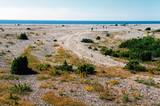 |
This is a “peripheral” island in the Bay of Finland, 9 km from the Dirhami port. The special fact about this island is that it offers fields of juniper, a rocky and grassy seashore that is around 2 km long, and limestone cliffs that are a few metres high along the northern and the eastern shores of the island. These are designated with the words Osmussaare pank.
|
|
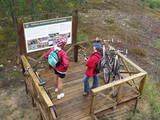 |
This is Lithuania’s largest mossy swamp, and the Čepkeliu Nature Reserve was established to protect it. Before visiting the swamp, you must register at the Dzūkijos National Park’s visitor centre (Marcinkonys, Šilagėlių gatve 11). |
|
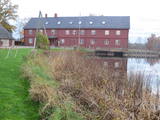 |
In der Mühle lässt sich der Wollverarbeitungsvorgang auf 100 Jahre alten Geräten nachverfolgen, hier werden Wolldecken und mit Schafwolle gefüllte Kissen in Handarbeit hergestellt, sowie Souvenire, die man kaufen und bestellen kann. Es werden Exkursionen angeboten und Brot gebacken. Funktionsfähig erhalten ist die im 19. Jh. im lettischen Maschinenwerk „Šūberts Rudzīts & b-dri” hergestellte Pflück- und Kardiermaschine, eine in Deutschland hergestellte einzigartige Spinnmaschine sowie eine Kornmühle. Lettische Küche: Eingelegte Heringe mit Gemüse, Graupengrütze, Kartoffelpüree nach dem Geschmack der Einwohner von Vidzeme (mit gebratenen Zwiebeln), kleine Pfannkuchen mit einheimischem Honig und Marmeladen aus einheimischen Beeren, selbstgebackenes Brot. Das besondere Gericht: Wasserkringel und Suppe des Wirtes, die aus sechs Fischarten gekocht ist. |
|
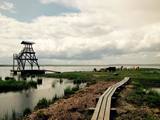 |
Engures apkaimē aug 22 no Latvijā sastopamajām 32 orhideju dzimtas sugām .Lai dabas parka apmeklētājiem dotu iespēju aplūkot šīs interesantās augu sugas, ierīkota Orhideju taka. Kopējais takas garums ir 3.5 km, tā sākas netālu no Engures Ornitoloģisko pētījumu centra, līkumo caur kalcifilajiem purviem un mežam putnu novērošanas torņa virzienā, un aizvijas tālāk gar atjaunoto ezera piekrastes pļavu, kurā mīt govis un zirgi. Takas sākumā novietotajā informācijas zīmē attēlotas ne tikai apkārtnē sastopamās orhidejas. Tur iespējams gūt daudzpusīgu informāciju arī par citām interesantām Engures ezera dabas parka augu sugām.
|
|
 8 Tagen
|
Diese Reise bietet die Möglichkeit, sich mit dem Alltag auf einem modernen Bauernhof vertraut zu machen, der alten Gewerbe- und Arbeitstraditionen anwendet. Alle Produkte, die auf dem Land angebaut werden, sind auf dem Rigaer Zentralmarkt zu finden. Deshalb beginnt die Reise gerade hier - auf einem der größten und ältesten Märkten Europas. Auf dem weiteren Reiseplan stehen der Besuch mehrerer Bauernhöfe und Verkostungen von deren Erzeugnissen - aus natürlichem Saft gemachte Bonbons, Käse, Getreideprodukte, Joghurt, Eis. Ein traditioneller Bauernhof und das Technische Museum Auf jedem Bauernhof gibt es eine kleine Exkursion. Die Reiseroute enthält auch die Besichtigung der vom Architekten Rastrelli entworfenen Perle der Barock- und Rokokoarchitektur - des Schlossmuseums Rundāle mit dessen Park und Rosengarten. Sehenswert in Bauska ist die Ausstellung der historischen Messgerät im Rathaus, das Schloss Bauska und die Bierbrauerei. In Litauen erwarten die Besucher Bauernhöfe, die sich mit Lavendel-, Heilpflanzen- und Hanfanbau beschäftigen und deren Erzeugnisse vor Ort erworben werden können. Die Stadt Anykščiai bietet Reisenden einen Spaziergang auf einer Wanderbrücke oberhalb der Baumwipfel. Die archäologische Stätte Kernavė gehört zum UNESCO-Welterbe. Den Abschluss der Fahrt bilden die im 14.-15. Jahrhundert errichtete Wasserburg Trakai und Vilnius. |
|
 |
Wooden slat weaving workshop is located in Jelgava county, Sesava parish. Craftswoman is making different type of wooden slat baskets and basketry from pine, linden, aspen and black alder. There are several different categories of baskets, available in different sizes - picknick baskets, baskets for berry and mushroom picking, trays, baskets for firewood, laundry baskets, onion / garlic baskets, baskets for kids, and diverse baskets for daily use. Various inscriptions and drawings are also made on the weavings. They also accept orders for individual orders. In the workshop it is possible to see the wooden slat basket weaving process as well as have the opportunity to learn to make your own basket. |
|
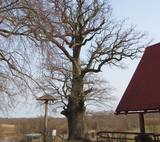 |
Turbu dižozols aug Mazās Juglas stāvkrastā, atpūtas kompleksa Turbas teritorijā. Dižozols ir aptuveni 800 gadu vecs, tā apkārtmērs ir 7,1 m, augstums - 27 m, vainags 18x16 m. Dižozols ir ļoti labā stāvoklī. Zaļo viss vainags. Ozolā ligzdo pūce, kā arī iecienījuši daudzi citi putni. Zinātāji runā, ka Ozols ir ar spēcīgu dziedniecisku enerģiju. |
|
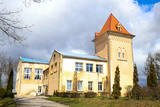 |
Druvienas muižas pirmsākumi ir meklējami 17. gs. beigās. Tagad redzamā apbūve ir veidojusies 19. – 20. gs. Līdz mūsdienām ir saglabājusies muižas pils (1898. g.) un saimniecības ēkas – klētis, kūtis, kalpu mājas. Muižas pilī 20. gs. 50. gados izvietoja pamatskolu. Diemžēl sākotnējie ēkas interjeri nav saglabājušies. Pili ieskauj parks. Šobrīd ēkā atrodas Druvienas Latviskās dzīvesziņas centrs, kas piedāvā dažādas aktivitātes un radošās darbnīcas. |
|
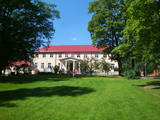 |
Sēļu muiža, par kuru pirmās ziņas saistāmas ar 1561. gadu, ar seno ēku kompleksu un ainavu parku mūsdienās vēl joprojām darbojas kā pagasta administratīvais un kultūras centrs, kur tiek organizēti arī atpūtas un saviesīgi pasākumi. Neskatoties uz to, ka muiža vairākkārt ir tikusi pārbūvēta, tās senatnīgums ir vēl saglabājies. Sēļu pagasta Tautas nams piedāvā bezmaksas ekskursijas Sēļu muižas kompleksā un divas meistardarbnīcas: ādas apstrādes meistardarbnīca pie Benitas Audzes un kokapstrāde un galdniecība pie Uģa Vītiņa. |
|
 |
Dieses Schloss wurde von 1878 bis 1881 (Baumeister Jānis Meņģelis; deutsch ist Sigulda Segewold) gebaut. Der Inhaber war der Fürst Kropotkin. Im Jahr 1937 wurde der Schlossturm erhöht (Architekt Alfrēds Birkhāns). Von 1923 bis 1940 befand sich in dem Gebäude das sogenannte Schloss der Schriftsteller (die Wirtschaft hat hier damals die Lettische Pressegesellschaft geführt), aber während der Sowjetzeit – ein kardiologisches Sanatorium. Im Jahr 1993 zog in das Schloss die Stadtverwaltung von Sigulda ein, seit 2003 befindet sich hier die Kreisverwaltung von Sigulda. In dem Landgutkomplex haben sich ein Wohnhaus aus Holz (Mitte des 19. Jhs.), wo die Familie von Kropotkin wohnte, eine Kornkammer (Jahrhundertwende 18.-19. Jh.), ein Gartenhaus (19. Jh.) und ein gemauerter Zaun (19. Jh.) erhalten. Das Neue Schloss von Sigulda, genauso wie die Burgruinen von Sigulda und Krimulda, das Landgut von Krimulda und die Burg von Turaida gehören zum Komplex der historischen Zentren von Sigulda, Turaida und Krimulda. |
|
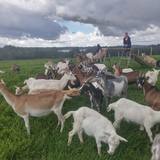 |
Im bäuerlichen Betrieb, der sich unweit vom Jumurda-See befindet, wird Ziegenkäse hergestellt. Milch geben 40 Melkziegen (insgesammt 60 Ziegen). Die Produktion kann man vor Ort, sowie auf den Heimarbeiter-Märkten kaufen. Produktionslieferung nach Anfrage. Während der Exkursionen kann man die Ziege Bonija und ihre Freundinnen kennenlernen. Verkostung von Käse. |
|
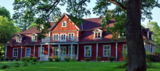 |
Muižas ēka tikusi restaurēta, taču tā celta 1732. gadā. Muižas kompleksu veido – kungu māja, bijušās skolas ēka, pārvaldnieka māja, klēts, saimniecības ēka, kā arī tējas namiņš, kas atrodas senajā ozolu parkā, no kura takas tālāk aizvijas uz Meža parku. Ungurmuižas iekštelpās ir grezni zīmējumi (grenadieri, ziedu motīvi, zīmētas tapetes, drapēri, ainas no barona karagājieniem un ceļojumiem) kuru autors ir Limbažu gleznotājs Georgs Dītrihs Hinšs. Ungurmuižā par seno auru rūpējas katrs gleznojums, zīmējums un katrs nostūris. |
|
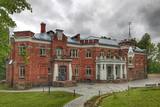 |
Der Bau des Hofes begann Anfang des 20.Jh., das Herrenhaus wurde aus Backsteinen und gehauenen Feldsteinen von 1905-1911 im Historismus und Jugendstil gebaut. Der Besitzer des Hofes Lūznava war der Ingenieur und Universitätsprofessor Stanislav Kerbedz aus St. Petersburg. Kerbedz war der erste russische Ingenieur, der architektonische Modelle für den Brückenbau ausarbeitete, die in der zweiten Hälfte des 19. Jh. maßgeblich waren. So ist, zum Beispiel, die Nikolajew-Brücke über die Newa in St. Petersburg unter seiner Leitung gebaut. Seine Frau Jewgenija war eine angesehene Kunstliebhaberin, die aus Italien verschiedene Kunstgegenstände mitbrachte. So wurde Gut Lūznava im Sommer zu einem beliebten Erholungsort für Künstler. Auch der berühmte litauische Maler und Komponist Mikolajus Čiurlionis war hier zu Besuch. Heute umgibt den Gutshof ein 23,7 ha großer Landschaftspark mit einer Teichanlage. Im Park, nicht weit vom Herrenhaus gelegen, steht eine Madonnenfigur eines italienischen Künstlers. Im 2. Weltkrieg wurde diese verstümmelt und in den Teich geworfen, aber 1991 wurde sie restauriert. 2015 wurde die Restaurierung des Hauptgebäudes abgeschlossen, und es entwickelt sich nun zu einem modernen, internationalen Umweltbildungs- und Kunstzentrum. |
|
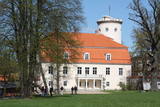 |
Der Ursprung der Stadt ist auf dem 18m hohen Riekstu kalns (Nussberg) und dessen Umgebung zu suchen, denn im 11. -13. Jh. befand sich hier die Holzburg Venden. Der Nussberg befindet sich in der Mitte des Burgparks, von dort hat man eine schöne Aussicht auf den Park, den Weiher und die Burgruine von Cēsis , wohin man gelangt, wenn man die lange kaskadenartige Treppe hinuntersteigt. Die im 13. Jh. gebaute Burg von Cēsis war Residenz des Ordensmeisters und eine der stärksten Ordensfestungen im gesamten Baltikum. Daneben befindet sich das neue Schloss, das 1777 an der Stelle der Torbefestigungen erbaut worden ist. Das Gebäude beheimatet das Museum für Geschichte und Kunst der Stadt, in einem Anbau befindet sich das Besucherzentrum des Schlosses und das Touristikinformationszentrum von Cēsis. Wenn man den Turm besteigt, hat man Aussicht auf die Burgruine, auf die lutherische Kirche und den Nordteil der Stadt. Gegenüber des neuen Schlosses gibt es noch mehrere Gebäude – den Stall und den Wagenunterstand des Schlosshofes (beide Gebäude wurden Anfang des 19. Jh. gebaut), wo heute das Ausstellungshaus Cēsis (Cēsu Izstāžu nams) eingerichtet ist. Auf dem Schlossgelände kann man von außen noch die Scheune, das Kutscherhäuschen sowie die alte Bierbrauerei sehen. Auf der gegenüberliegenden Seite der Straße befindet sich der romantische Mai-Park (Maija parks), der in den 30er Jahren des 19. Jh. angelegt worden war. Begibt man sich weiter in die Straßen der Stadt (Lielās Katrīnas, Mazās Katrīnas, Mazā Kalēju, Kalēju, Lielā Līvu iela un Līvu laukums), kann man Holzbauten des 18. und 19. Jh. sehen. In der Torņa ielā (Turmstraße), die entlang der Schutzmauer der mittelalterlichen Burg verläuft, kann man an der Kirche die Skulptur mit dem Namen „Durch die Jahrhunderte“ von Matthias Janson sehen. Der Sage nach kann man, wenn man die Laterne des Nachtwächters reibt, in die Zukunft sehen. |
|
 |
Die Fischverarbeitungsfabrik des Fischerei-Kooperativs – zurzeit sind nur
die Reste des Fundaments erhalten (der Betrieb wurde 1978 eingestellt).
|
|
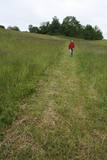 |
Viens no iespaidīgākajiem nacionālā parka pilskalniem, kura piekājē atradusies senpilsēta. Arheoloģisko izrakumu gaitā te atrastas kuršu senlietas. Tiesa, mežs un biezais augājs traucē uztvert šī nozīmīgā arheoloģijas pieminekļa patiesos apjomus un formu. Uz pilskalnu vasarās ved izpļauta taka. Ja esat Žemaišu Kalvarijas pusē un atliek brīvs brīdis, tad savā maršrutā var iekļaut arī šo apskates objektu. |
|
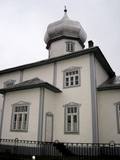 |
A haven for Russian Old Believers. Mustvee village has held fairs for the past two centuries. It is also a traditional fishing town. |
|
 |
Auf der à la carte Speisekarte des Restaurants wird der Schwerpunkt auf qualitatives Wildfleisch gelegt. Fischgourmets werden im Teich Sangaste Loss frisch geangelte Sibirische Störe angeboten. Damit wird sichergestellt, dass die Produkte immer frisch sind. Hoch geschätzt werden alte Zubereitungsverfahren, z. B. Backen über dem Feuer im natürlichen Rauch. |
|
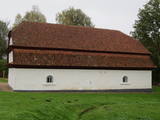 |
In der Kornkammer des Landgutes, die die einzige dreistöckige im Empirestil gebaute Kornkammer in Lettland ist, werden Gerichte der Region Kurzeme angeboten, an deren Vorbereitung man auch teilnehmen kann. Die Wirtin erzählt über Traditionen und die Geschichte der Kornkammer. Lettische Küche: Fischsuppe, Ampfersuppe, Knödel (süße, salzige), Schweinerippen, Käse, süße Gerichte, hausgemachter Wein. Das besondere Gericht: Das Gericht Koča: nahrhafte Graupengrütze mit Zwiebeln und Fleisch. |
|
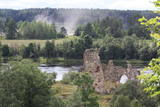 |
Found on the right bank of the Daugava where the little Karikste river flows into the Daugava, all that remains of the castle today is a set of ruined walls and foundations. The castle was built by the Livonian Order in 1224, and it was inhabited until the mid-17th century, when it was sacked during the Polish-Swedish war. The ruins offer a good view of the local gravel road that goes along the right bank of the river valley.
|
|


