
| Nr | Name | Beschreibung |
|---|---|---|
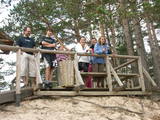 |
The trail climbs up and down along the bluffs of lower River Pilsupe and reveals a fascinating sight of three white dune exposures (the largest is called the White Dune). The dune range has formed in the period of the Littorina Sea several thousands of years ago. The time required to walk the trail is ~0.3 h. Evidence of Stone Age settlements have been found in the vicinity. |
|
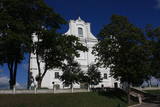 |
The first wooden Catholic church in Dagda was built in 1705, while the church that is seen today was built in the Baroque style during the latter half of the 18th century, the work financed by a local nobleman. Important interior elements include the altar, the pulpit, the organ, a monument to the Hilsen dynasty, etc. To the North of the church is historical Dagda itself, with typical red brick buildings from the early 20th century that are known as the former homes of Jewish merchants.
|
|
 6 Tagen
|
The tour presents UNESCO World Heritage Sites and the Intangible Cultural Heritage of Latvia and Estonia. Experience the famous traditions of song, national crafts, architecture and food of the unique Suiti and Seto ethnic groups. |
|
 |
Ein gastfreundliches und gemütliches Café im Zentrum von Alūksne mit einer vielfältigen Küche für jeden Geschmack. Darüber hinaus werden auch Spezialitäten der Region Alūksne zubereitet: Salat „Tempelberg“, Hauptgericht „101 Stufen bis zum Genussmoment“ und Dessert „Inseln des Marienburger Sees”. Es werden Geschäftsessen und spezielle Monatsangebote sowie ein Kindermenü angeboten. |
|
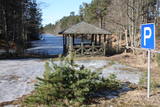 |
The Vecročupe river flows out of the artificial Vaide pond. It was created by blocking the Vaide and the Kukšupe rivers. This happened during the Soviet occupation, when forestry people decided to establish a fishing pond and an area for recreations. A wooden pergola has been installed at the pond, and there is an information stand, as well. On the northern shore of the pond is the Vaide cemetery, which dates back to 1928 and has interesting wooden crosses. |
|
 |
"Līdumkalni" atrodas Ķurbē -Kurzemes ziemeļrietumu daļā, starp Dundagas mežiem un Ķurbes lielo silu, zaļu pakalnu vidū, 15 km no jūras un ne pārāk tālu no debesīm. Šeit laiks rit lēni. Tas nevienu nesteidzina. Laika pietiek, lai vērotu Dieva radīto pasauli un ieskatītos Viņa bagātajā aptiekā. Laika pietiek lai iepazītos ar kristīgajām tradīcijām un dzīvesveidu, lai iegūtu praktisku lūgšanu un meditāciju pieredzi. Laika pietiks arī veselīgas maltītes pagatavošanai lauku virtuvē vai uz ugunskura un pašam savas gleznas uzgleznošanai gleznotājas darbnīcā. |
|
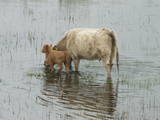 |
Der flache und fast zugewachsene See Engure (65% seiner Oberfläche) ist einer jener lettischen Seen, die vor allem von Vögeln bevorzugt werden. Es ist eines der Terrains, die von der Ramsar-Konvention über Feuchtgebiete verwaltet werden. 186 Arten von Nistvögeln wurden hier ermittelt. Das Gebiet zeichnet sich auch durch eine große botanische Vielfalt aus (mehr als 800 Pflanzenarten). An der Küstenlinie wechseln Sandstrände mit Küstenwiesen ab. Es gibt Wälder, Fischerdörfer, Feuchtgebiete, die die große Vielfalt der Landschaften und Arten sichern. Die Auen des Sees und des Meeres sind Weideland für Wildtiere - Pferde, blaue Kühe usw. MehrereVogelbeobachtungstürme stehen Besuchern zur Verfügung, ebenso der Orchideenpfad.
Die Ornithologische Forschungsstelle liegt am Ostufer des Engure-Sees. Eine einzigartige schwimmende Station - von Ornithologen gebaut - befindet sich auf dem See. Die Landschaft ist nicht nur für Urlauber, sondern auch für Wanderer, Radfahrer und Vogelbeobachter geeignet. Ein Erholungsplatz und eine kleine Ausstellung befinden sich neben der Ornithologischen Forschungsstelle. |
|
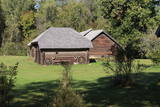 |
A unique farmyard that includes a full set of buildings typical of this area. The farmstead buildings reflect at least 300-400 years of Latvian nation-building development. In the area it is possible to stay in a dwelling house (2 rooms, two people each) and in the tents. Picnic places available. It is also possible to organize different events and activities. |
|
 |
Die Baumschule „Bērziņi“ begann 1991 als Familienunternehmen. Die Baumschule hat ihren Schwerpunkt bei Zierpflanzen, Sommerblumen und mehrjährige Blumen. Der Hof hat 2200 m2 saisonale Gewächshäuser mit doppeltem Folienüberzug. Auf 7000 m2 werden in Blumentöpfen zwischen 120.000 und 140.000 mehrjährige Blumen gezogen. Zudem wird Weihnachtszubehör und floristisches Material produziert. |
|
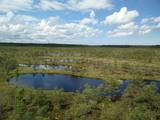 |
This is one of the largest high-type swamps (6,192 ha) in Latvia, with very distinct landscapes of little lakes and hillocks. The Great Ķemeri Heath is of importance as an extensive hydrological system and preserver of the local microclimate. It is also of international importance as a site for birds, as well as a major source of sulphurous water. Along the Kalnciems-Kūdra road, which is on the eastern edge of the swamp (3.4 km from the Rīga-Ventspils highway), there is an information stand with information about the management of the heath and about the role of swamps in nature and in the lives of people. Great Ķemeri Heath wooden pathway trail is now restored and opened for visitors in 2013. |
|
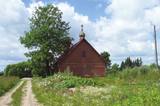 |
Rimši Old-Believers Prayer House. The church was built in the
beginning of the 20th century.
|
|
 |
Saimniecība “Lejaskroķi” atrodas Abavas senlejā. Tajā nodarbojas ar truškopību. Saimnieku aprūpē ir ap 500 trušu, kā arī kazas un mājputni. Viesojoties saimniecībā, viesi varēs samīļot un pabarot trusīšus, kā arī apskatīt kazlēnus, kam ļoti patīk cilvēku uzmanība. Dzīvnieciņus iespējams apskatīt, iepazīt un samīļot, kā arī pabarot. |
|
 |
Rukši ir bioloģiskā saimniecība, kura audzē HEREFORD šķirnes liellopus, bariņu blējošas aitas ,vistas. Ar ambiciozu skatienu nakotnē par iespējām nodrošināt ar kvalitatīvu liellopu gaļu visus izsalkušos. |
|
 |
Jauns Zoo un izklaides vieta netālu no Siguldas, pie ceļa Turaida - Ragana. Tiks atvērts 2022. gada maijā. |
|
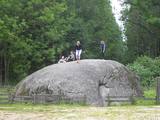 |
Dieses Territorium wurde eingerichtet, um die verschiedenen Arten seltener Schmetterlinge zu schützen. Ein beliebtes touristisches Ziel in den Nīcgaļe-Wäldern ist der große Felsen von Nīcgaļe, der größte Felsen in Lettland – ein geologisches und geo-morphologisches Naturdenkmal. Der Felsen hat einen Umfang von 31,1 m und ist 3,5 m hoch, 10,5 m lang und 10,4 m breit mit einer Gesamtgröße von 170 m3.
|
|
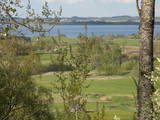 |
Von einem 60 m hohen Hügel eröffnet sich eine der schönsten lettgalischen Landschaften und ist der 2 km weit gelege Rāzna-See zu sehen. Die Ruinen der im 13 Jh. gebauten Burg. |
|
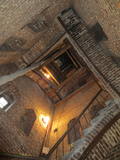 |
Ein einzigartiges Objekt des Industrieerbes – die einzige für Besucher geöffnete Munitionsherstellungsfabrik in den Baltischen Ländern. Auf dem Territorium der Fabrik befindet sich der älteste noch produzierende Bleigießturm Europas. Die Gruppen von Touristen können nach vorherigen Anmeldung mit Guidebegleitung einen Betrieb, den Bleigießturm und das Museum besichtigen. Zurzeit produziert die Schrotkugelfabrik 9 Arten von Gewehrkugeln für Glattrohrwaffen sowie die Gewehrkugeln für Druckluftwaffen. Die Produktion wird in die Nachbarländer, nach Deutschland u.a. eingeführt. |
|
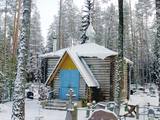 |
All Saints Orthodox Church of Malta (Rozentova) was built in
1928. It is the wooden log building with double window frames and a
dome. Facades are decorated with the motive of the sun.
|
|
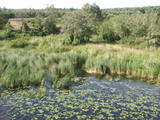 |
Dieses Gebiet wird regelmäßig überflutet, wenn der Fluß Lielupe über seine Ufer tritt. Diese Auenwiesen sind wichtig für Vögel. Das Gebiet kann von der Straße Rīga-Liepāja und von der Straße nach Kalnciems aus, die daran entlang führen, betrachtet werden.
|
|
 |
Sens pilskalns Abavas kreisā senkrasta nogāzē. Pēc sena nostāsta zviedru karavīri ar savām cepurēm to sabēruši virs sava ģenerāļa kapa. Tagad Zviedru cepures apkārtnē ziemā var braukt pa kalnu slēpošanas trasēm, bet vasarā – ar rodeļiem.
|
|


