
| Nr | Name | Beschreibung |
|---|---|---|
 |
Das Restaurant befindet sich am Rande der Straße Turaida – Ragana. Die Getreidedarre (2004) wurde entsprechend den alten Traditionen als ein Zeugnis dafür gebaut, dass der Baron Holstein die Getreidedarre des Landgutes von Turaida gebaut hatte. Lettische Küche: Geräucherter Wels, Lammschenkel, Kalb-, Hirsch- oder Schweinebraten, gefüllte Ente oder Gans. |
|
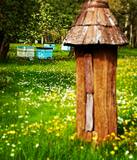 |
In dem reizvoll gelegenen Hof, in dem die Landwirtschaft nach einer umweltfreundlichen Philosophie erfolgt, werden etwa 300 Bienenvölker gehalten. Zur Befriedigung der Bedürfnisse der Besucher gibt es einen Hofladen und einen Verkostungsraum. Auf dem Hof kann man Honig aus verschiedenen Blütentrachten kaufen, Pollen (als gesondertes Erzeugnis oder mit Honig vermischt), Propolis (als gesondertes Erzeugnis oder mit Honig vermischt), Bienenbrot, Wachskerzen und andere Souvenirs. Aug dem Hof werden Verkostungen veranstaltet, die auch Met umfassen, zudem gibt es Führungen. |
|
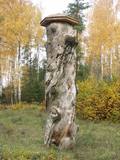 |
In 1951, when it died, the pine tree had a circumference of 4.63 metres. It was the thickest pine tree in the Baltic States
This is one of the few trees with such a long history for which age has been determined by counting up circles – 370 years. All that’s left is a conserved part of the stump at the side of the road. Cross-sections of the stump are on exhibit at the Latvian Museum of Nature and the Latvian Ethnographic Open-Air Museum.
|
|
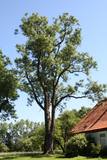 |
A very beautiful and expressive tree, it is found on the land of what was once the Vīceži Semi-estate.
|
|
 |
Saimniecībā "Jauncaunes", Ogres novadā, grupām, kā arī individuāliem apmeklētājiem tiek piedāvāta atpūta brīvā dabā, iepazīstot un izmēģinot metamos ieročus, šaušanu ar dažāda veida lokiem, arbaletiem un pneimatiku. |
|
 5 Tagen
|
Ein historischer Weg von Rīga nach Liepāja durch Jelgava, Dobele, Saldus, Skrunda, Durbe un Grobiņa ist schon seit dem 13. Jh. bekannt. Vom Altertum zeugen auch die Reste der skandinavischen Siedlung in der Nähe von Grobiņa. |
|
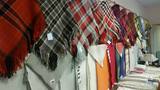 |
SIA "Limbažu Tīne" ir vilnas pārstrādes uzņēmums ar senām mājas tekstila tradīcijām, kas dibināts jau 1914. gadā. Šobrīd uzņēmumā tiek ražota vilnas dzija, austi augstvērtīgi vilnas un linu audumi, segas, parklāji, pledi, galdauti, dvieļi, lakati un citi tekstilizstrādājumi. Limbažu Tīne ražo etnogrāfiskos audumos pēc autentiskajām Baltijas reģiona kultūrvēsturiskā mantojuma paraugiem. |
|
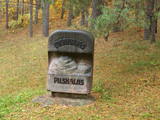 |
From the Markova castle hill, which you will access from the local information trial, you will see a view of the Daugavsargi curve of the Daugava. Further along, you will reach the open shore of the Daugava to see one of the most unique landscapes of Latvia’s river valleys. The Slutišķi village of Old Believers and the mighty Slutišķi cliff will be in the background.
|
|
 |
Pie Melekiem sākas dabas lieguma teritorija. Meleku
krastmala būtiski mainījās 2005. g. orkāna laikā.
|
|
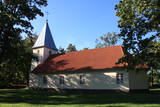 |
according to legend, was washed into the sea because of collapsing shores along with other buildings and the old road. The church was built in 1862 and has an altar painting from the late 19th century, "Mother of God," along with an organ. The metal elements of the building's doors are interesting. Hanging from the ceiling of the church is a sailing ship that has to do with the rescue of the crew of the sunken ship. |
|
 |
Birch juice syrup with reverse osmosis is obtained. Technologically impressive view of 1.5 tons of water squeezed out of birch sap per hour. Here, reverse osmosis equipment can press 95% of pure water from birch sap. As a result, the sugar content of the remaining birch sap concentrate reaches 33% Brix. The concentrate is frozen and sold. |
|
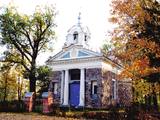 |
Kulnevskaya (Ilzeskalns) Orthodox Church was built in 1832 by Kulnevs, the landlord of Ilzenberg
(Ilzeskalns) manor house. He was also the brother of Jacob Kulnevs. The Church has an iconostasis with
icons of the 19th century. The rectangular building has semicircular niches at its sides. The members of Kulnevs
family are buried here. The place of tomb is a rare phenomenon in Orthodox churches of Latvia.
|
|
 |
Auf dem Pfad der Volkskunde werden altlettische Zeichen, Symbole und Volkslieder (lett. Dainas) erklärt. Hier kann man viel Interessantes über die Bedeutung von Pflanzen für unsere Gesundheit erfahren, Lieder singen, Reigen spielen und lettische Rituale für alle wichtigsten Feiern des Lebens (Taufe, Hochzeit u.a.) bestellen, sowie an Feuer- und Saunaritualen und dem Feiern von traditionellen lettischen Festen teilnehmen. Mit vorheriger Anmeldung kann man traditionelle Mahlzeiten verkosten. |
|
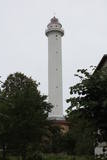 |
The Miķeļbāka lighthouse was built in 1957 and is the highest one in Latvia. Standing 58 m tall, it can only be viewed from the outside. |
|
 |
The farm offers to look at horses, ponies, rabbits, Brama hens and chickens. Children are offered to ride a small pony named Xavier either on horse back or in a small carriage. |
|
 |
”Cīruļi” atrodas 5 km attālumā no Rūjienas, Jeru pagastā. Īpašums ir pārmantots no paaudzes paaudzē, īpašniekiem vienojoties kopīgā mīlestībā uz ziediem, dažādu augu audzēšanai pārvēršoties arī par vaļasprieku. Dārzā atrodamas arisēmas, ramondas, magnolijas, knifofijas, rodžersijas, ligularijas, rožainā radiola, ehinācijas un vēl daudz vairāk pazīstamu, skaistu augu. Pavasaris iesākas ar sniegarožu un daudzo sīpolpuķu plaukšanu, vēlāk - krāsainie īrisu ziedi un trauslās astilbju skaras. Daudz skaistuma un krāsainības puķu dobēm piedod heihēras un hostas, kas priecē līdz pat vēlam rudenim. Dārzā aug arī skujeņi, vīteņaugi un katru gadu ražojoši vīnogulāji, kas veido pašu dārza telpu.
|
|
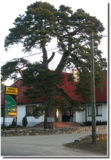 |
Die prächtige Kiefer in Bigauņciems
bei dem Café Dižpriede.
|
|
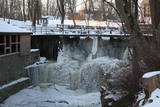 |
Atrodas pie Kuldīgas pils dzirnavām, kur straujā Alekšupīte pirms ietekas Ventā izgrauzusi dziļu „kanjonu” dolomītā. Šo dēvē par vienu no augstākajiem Latvijas ūdenskritumiem (4,15 m). 17. gs. ūdenskritumu ievērojami pārveidoja – paaugstināja un nostiprināja, lai Alekšupītes straumi izmantotu dzirnavu darbināšanai. Upītes kreisais krasts ir labiekārtots. |
|
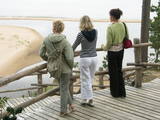 |
An der rechten Uferbiegung an der Mündung der Inčupe erhebt sich die bis zu 18 m hohe weiße Düne, die malerischste Ausgestaltung von Wind, Sand und Meer an der Küste der Rigaer Bucht - ein alter Orientierungspunkt der Seefahrer. Ein Stegpfad mit Aussichtsplattform. Das Gebiet südlich von Inčupe liegt im Naturpark Piejūra.
|
|
 |
The Krimulda Castle was built in the latter half of the 13th century. It was located where the right bank of the ancient Gauja River valley is split by the deep Vikmeste ravine. The castle was owned by the council of archbishops from Rīga, and it was an impressive structure with a large interior courtyard and a defensive wall that was 1.5 m thick. The Swedish military blew up the castle when retreating in 1601. Today the castle hill is forested, and only a small fragment of the castle wall can still be seen. It is near the ruins that you will find the Sigulda aerial tram and the Krimulda serpentine road – the only object of its kind in the Baltic States. |
|


