
| Nr | Name | Beschreibung |
|---|---|---|
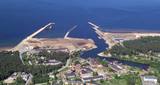 |
In the 19th century at the seaside of Skulte, a small village formed, which was inhabited by fishermen. The name “Zvejniekciems” (Fishermen’s village) arose from the population's main activity. In 1967 the Skulte part of Zvejniekciems was added to the Saulkrasti township. Nowadays Zvejniekciems is the home of Skulte Port, and the rocky beach of Zvejniekciems is located between the port and Saulkrasti Beach, while the village itself can be proud of the creative heritage left by the architect Marta Staņa (1913–1972). |
|
 |
Manufacture of sausages and smoked pigs. For pig feed, the farm uses home-grown grains (not treated with glyphosates) and unmodified soybeans grown by the farm itself. Sausages and smoked meat and spices. Only natural alder firewood is used in the smoking process. |
|
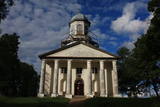 |
Tagadējais dievnams (iepriekšējie celti 1652. un 1776. g.) būvēts laikā no 1839. - 1842. g. Vidzemē pazīstamā lībiešu būvmeistara Mārča Sāruma (1799. –1859.) vadībā. Par prototipu tam izmantoja Pievolgas vācu koloniju baznīcu veidolu. Dievnama altārī atrodas Pītera Paula Rubensa gleznas “Kristus pie krusta” kopija (oriģināls – Minhenē), ko 1887. g. baznīcai uzdāvināja Nēķena muižas īpašniece. Baznīcas remonta laikā (1928. g.) atklāja piemiņas plāksnes 1. pasaules karā un Latvijas Brīvības cīņās kritušajiem. Blakus baznīcas atrodas viduslaiku kapsēta. Celtnes autors un būvdarbu virsuzraugs - H. fon Hagemeistars esot teicis, ka šis dievnams esot „vienīgā baznīca visā Vidzemē un varbūt arī pasaulē, kas uzcelta bez apreibināšanās”. |
|
 11 Tagen
|
Die Tour beginnt in Riga mit ihrem Jugendstilviertel und der Altstadt. Weiter fahren Sie mit dem Zug nach Sigulda. Eine hügelige Straße führt an der Höhle Gūtmaņa ala (Gutmannshöhle) und an den Burgen Turaida und Krimulda vorbei, die sich an den hohen Ufern des Urstromtales von Gauja befinden. Weiter führt die Straße nach Limbazi, die eine typische lettische Provinzstadt ist. Danach erreichen Sie die Küste der Ostsee und die Stadt Salacgriva, die mit ihren Fischereitraditionen und Neunaugen-Fischzäunen bekannt ist. Außerhalb der Stadt kann man seltene Küstenwiesen und Lagunen besichtigen. |
|
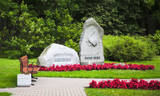 |
Vom 6. – 8. Jh. befand sich an der Stelle der heutigen Stadt Grobiņa die größte in den baltischen Ländern bekannte skandinavische Händler- und Soldatenkolonie. Die Einwanderer aus Gotland und Schweden hatten ihre Inlandsiedlung auf einem Hügel eingerichtet, der sich am Ufer des damals schiffbaren Flusses Ālande befand. Es wird angenommen, dass sich genau hier die in den Chroniken aus dem 9. Jh. erwähnte Burg der Kuren – Seeburg – befand. Nach dem Bau der Ordensburg im 13. Jh. wurde Grobiņa zu einem Kreiszentrum. Die älteste Bebauung der Stadt hat sich um die Lielā Straße, sowie um die Saules Straße und Parka Straße herausgebildet. |
|
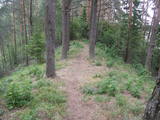 |
Das ist ein anderer sogenannter Berg aus der Eiszeit - fünf Kilometer lang und 15 bis 50 m hoch mit Hügelketten und Abhängen. Der ausgeprägteste Teil des Berges kann man zwischen den Seen Pinti und Šeški sehen. Die Kiefernwälder auf den Hügeln sind Habitat mit vielen seltenen und geschützten Arten. Ein Pfad ist eingerichtet worden, um den Grebļa – Berg und die Berge Āža und Kausu zu überqueren, aber es wird den besuchern enpfohlen, das in Begleitung eines kundigen Führers zu tun. Die biologische Vielfalt des Gebiete wird einem klarer, wenn man zum Beispiel erfährt, daß es mehr als 500 Arten an Schmetterlingen in diesem Schutzgebiet gibt.
|
|
 |
In 1916, during the German military occupation of Latvia, prisoners of war were put to work in installing narrow-gauge railroads via which the Germans exported Latvian timber. A narrow-gauge rail network was built through the forests and across the swamps of the Viesīte area. The track width was round 600 mm, and there was a total of 130 km of tracks to connect Viesīte (the central station) to Nereta, Aknīste, Jēkabpils and Daudzeva. The train was used after world War II to transport timber and passengers. The last trip along the line occurred on August 31, 1972.
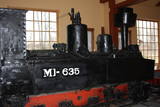
You can tour the museum individually or with the assistance of a guide. You’ll see an Mi-635 locomotive, wagons for passengers and cargo, a platform to transport timber materials, and two trolleys.
|
|
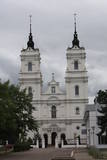 |
Atrodas t.s. Baznīcu kalnā - A. Pumpura ielā 11 a. Varenais neobaroka stilā celtais dievnamu tapis 1905. g. Pastāv viedoklis, ka par šīs baznīcas prototipu izmantotas Aglonas vai Krāslavas bazilikas, kā arī Rietumeiropas baznīcu paraugi. Tās interjeru rotā divstāvīgs altāris, kurā novietota spāņu gleznotāja B. E. Muriljo pazīstamās gleznas “Svētā Dievmāte” kopija. 1909. g. baznīcā uzstādīja poļu meistara Ādolfa Hofmana būvētās ērģeles.No būvniecības laika saglabājusies arī pārējā baznīcas iekārta. |
|
 |
The craftsman offers useful household products such as terrines, pots to make pickles, dishes of sugar and salt, bowls, etc. You can learn about pottery traditions and watch as the kiln is opened. |
|
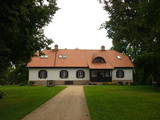 |
Das Vorwerk Birkineli ist als kulturgeschichtliches Denkmal staatlich geschützt. Es ist bekannt als Elternhaus des berühmten lettischen Literaten und Aktivisten Rainis (1865-1929). 1995 wurde das Haus restauriert und wird seit 1996 als Gedenkstätte für Rainis in Birkineli betreiben. Seine Kindheitserinnerungen von hier hat er in den Gedichtsammlungen „Fünf Skizzenhefte von Dagda“ verewigt. Heute werden im Rainis-Haus Führungen angeboten, Workshops, Ausstellungen und die Besucher haben die Möglichkeit Kleidung aus jener Zeit von Bauern, Dienern und anderen Berufsgruppen auszuprobieren. Rings um das Haus gibt es einen großen Obstgarten, und diesbezüglich werden Kurse unter dem Titel „Apfelweg“ angeboten. Besonders erwünscht sind Kinder und Jugendliche als Besucher. Vom Haus aus hat man eine prima Aussicht auf die Landschaft von Selonia. |
|
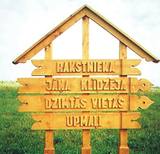 |
„Upmaļi” is the family house of writer Janis Klīdzējs who has written 8 novels, 11 storybooks, 2 essay books
and reflections about Latgalian catholic-Latvian mentality. Janis Streičs (famous Latvian film director) shot a film
based on the novel of Janis Klīdzējs called „The Child of a Man”.
|
|
 |
Der Familienladen bietet Produkte kleiner lettischer Hersteller und Handwerker in Ikšķile an. Das Geschäft ist nicht nur bei den Bewohnern von Ikšķile und Umgebung beliebt, sondern es kommen auch Kunden aus Riga, Ķekava, Ogre und anderen Städten. Ein Online-Shop wurde ebenfalls eingerichtet. |
|
 |
Atrodas Ķekavā, autoceļa Rīga – Grenctāle (A 7) malā. Iekārtots vēsturiskā ēkā ar atbilstošu koka interjeru. Piedāvā maltītes visām ēdienreizēm, organizē muzikālus vakarus. |
|
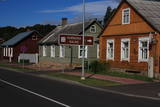 |
The central part of the town of Krāslava is an historical monument because its low-story and beautiful wooden buildings. The best views of the historical centre relate to the carp park near the Adamova trail, the Karņicskis hill, the bridge across the Daugava (Prospekta Street), and the Priedaine viewing tower on the left bank of the Daugava River. |
|
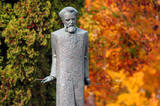 |
In Limbaži, an der Kreuzung der Straßen Cēsu und Dailes befindet sich ein Denkmal für den Autor der Nationalhymne Lettlands. Die Autoren des Denkmals sind die Bildhauer Z. Rapa und J. Rapa. Das Denkmal wurde am 16. Mai 1998 eröffnet, zum 775-Jubiläum der Stadt Limbaži. |
|
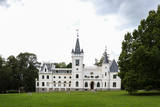 |
The castle was built during the first half of the 19th century in Tudor Neo-Gothic forms. The first owner of the castle was Baron Johann Gottlieb von Wolff. During the 1870s and 1880s it was rebuilt in the style of French Neo-Renaissance. The castle was burned down during the 1905 Revolution, but it was restored with certain elements of Art Nouveau forms. Tours are available of the interior of the building. |
|
 |
Café-Konditorei in Kuldiga, wo bis zum Abend frische, hausgemachte Süßwaren erhältlich sind. |
|
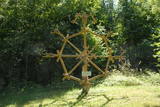 |
Folkloras taka "Jāņkalni" iepazīstina ar mūsu senču rakstiem, zīmēm un dievībām, kas ir mūsu folkloras mantojums. Folkloras takas (garums: apm. 1,5 km vai 2 stundas) mērķis ir arī iepazīstināšana ar senlatviešu ieražām, folkloru, kā arī tautu dainu izprašana. Piedāvā iziet Latvijas karti - labirintu ar 19 etnogrāfiskajiem novadiem. Gids Jums sniegs izsmeļošu stāstījumu un atbildes uz interesējošiem jautājumiem.
|
|
 |
The spacious cafe in Gulbene with comfortable chairs and a tasty meal of the day menu. It is also possible to taste various types of pizza and dishes typical for the Gulbene district. Working hours: Monday-Thursday: 10:00 - 22:00, Friday-Saturday10:00 - 03:00, Sunday 11:00 - 22:00 |
|
 |
Saimniecība nodarbojas ar kaņepju audzēšanu un produktu izstrādāšanu vecajā Aizputes Pilsmuižas krogā, kas atrodas blakus Aizputes Livonijas ordeņa pilsdrupām. |
|


