
| Nr | Name | Beschreibung |
|---|---|---|
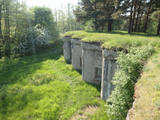 |
Redāns ir 19. gadsimta beigās celtā Liepājas Jūras cietokšņa daļa, kur notikušas Latvijai nozīmīgas cīņas. Lai gan uzbūvētie nocietinājumi ap Karostu tika atzīti par stratēģisku kļūdu un vairums no tiem saspridzināti, Redāns palicis teju neskarts. Tā ir arī vienīgā nocietinājuma daļa, kur notikusi reāla karadarbība.Par liecina ložu šautie caurumi sienās. 1919. gada 14. novembrī šeit notika brīvības cīņas par neatkarīgu Latviju, aizstāvot Liepāju pret Bermonta karaspēku. 14. novembra rītā, pārejot aizsalušo Tosmares ezeru, bermontiešu kājnieki ieņēma Redānu. Taču dažu stundu laikā liepājnieki veica niknu pretuzbrukumu, un vāciešiem nācās atkāpties. Jūnijā, jūlijā un augustā katru dienu plkst. 11.00–17.00 pie Redāna gaidīs zinošs gids, kas būs gatavs pastāstīt vairāk par Liepājas cietoksni un vēsturiskajiem notikumiem Karostā. Cena – 2 EUR no personas. |
|
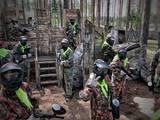 |
Aktīvās atpūtas peintbola parks un kempings ir atvērts apmeklētājiem no 2008. gada un šobrīd ir viens no lielākajiem peintbola parkiem Latvijā. Spriedzes un adrenalīna pilni piedzīvojumi nodrošināti kā skolēnu grupām, tā arī kolektīviem un draugu pulkam. Peintbola parks „Bušas” piedāvā lielus peintbola laukumus, ar šķēršļiem, mājiņām, ejām, torņiem, automašīnām – pilnvērtīgai un aktīvai peintbola spēlei. Peintbola parks „Bušas” ir sertificēts un drošs peintbola parks ar pieredzējušiem instruktoriem, kas seko peintbola spēlei visu tā laiku, lai mazinātu negadījuma iespējas, iepazīstina ar drošības noteikumiem un iepazīstina ar ekipējuma lietošanu. Peintbola parkam ir arī otra lokācijas vieta Rīgā, Matīsa ielā 8 Parkā ir iespējams arī pārnakšņot dažāda tipa naktsmītnēs - lielākā un mazākā kotedžā, pirts mājā, kā arī izmantot kempinga teritoriju telts būvēšanai. |
|
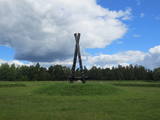 |
Unweit von der Rigaer Ringstraße befindet sich auf dem rechten Ufer der Daugava ein vom Bildhauer Ģ. Burvis 1994 errichtetes Denkmal – Gedenkzeichen für Daugava-Liven und ihren Anführer Ako, der 1206 den Aufstand der Liven gegen Kreuzritter leitete. In der Umgebung vom Denkmal ist entlang des Daugava-Ufers ein breiter Platz für Erholung und Spaziergänge eingerichtet. Es ist einer der malerischsten Plätze an den Ufern des Daugava-Unterlaufes. Etwas weiter sind am Flussufer die Informationsstände zu finden, die die Geschichte der Daugava-Ufer vor dem Bau des Rigaer Wasserkraftwerkes darstellen. |
|
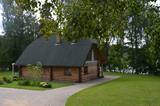 |
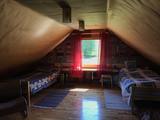
The holiday houses are located near Lake Ieva, 30 m from the lake shore. On the 1st floor of the holiday house - lounge with fireplace and glazed veranda, sauna (50.00 EUR / evening), small kitchenette, toilet. Outside-small terrace overlooking the lake. On the 2nd floor there are 2 isolated rooms and 10 beds. By the lake - a fireplace, a well-groomed swimming area with a footbridge. Boats and catamarans can be rented. |
|
 |
Bed & breakfast "Upes", in the centre of Livonian village Pitrags. Natural toilet. Local products. Lunch boxes, transfer service on request. |
|
 |
Piemājas saimniecība "Rudā lapsa", kas atrodas Ludzas novadā, interesentiem piedāvā iespēju iepazīt laukus, apskatīt mājdzīvniekus, saklausīt dabu, ļauties mierīgai atpūtai. Tiek piedāvātas telšu un piknika/ugunskura vietas. Ciemos tiek gaidīts katrs, kas vēlas atpūsties un izrauties no ikdienas skrējiena. |
|
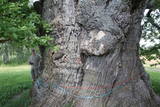 |
Most of the great tree’s mighty branches are gone, and among those that are still there, the thickest ones are held up by supports, and the tree’s hollow centre is protected against snow and rain with a little roof. This is the thickest Common Oak (Quercus robur) in Latvia and the Baltic States. Indeed, it is one of the thickest oak trees in all of Northern Europe. The tree is a gorgeous part of the surrounding landscape. There is a car park and an information stand nearby.
|
|
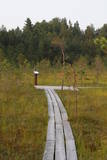 |
The small Andrupene swamp is found to the North of the Andrupene Farm Museum in a deep area between hillocks. It is a high-type swamp with an open central part, and it is 130 m long and 120 m wide. There are stands of white alder alongside the swamp. In 2009, the administrators of the Rāzna National Park restored a wooden educational pathway that had been established originally by the Andrupene Elementary School. Today there are stairs, a viewing platform, wooden pathways, and information stands. |
|
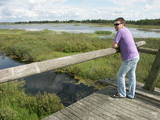 |
The tower is at the western end of the Seda swamp, accessed from the side of Jērcēni. Transport is limited here. The tower is in the area of the swamp where peat moss is extracted. It offers a broad view of the ponds of Seda and a boat rental facility that is nearby. It is an appropriate location for bird-watching during the season of migration. There is another bird-watching platform near the town of Seda. This is part of the ZBR. |
|
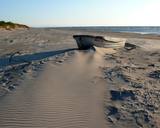 |
"Valgums" is a word referring to the sandy coastline zone between dunes and water, and once there were boats and nets that were being dried at this location. Each village had several areas of this type, and in the 1920s and 1930s, these were of great importance in the preservation of the Liv language. |
|
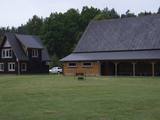 |
Just 20km from Valmiera down the river Gauja in Gauja National park theritory we own fabilous place for lovers of leisurely holidays with good active tourism possibilities. Main building with kitchen, shower, WC and higher standard accomodation possibilities. Big shelter with lodges next to it. Big area with fireplace. Sleeping facilities in 2 nd floor and some extra sleeping facilities and big shelter in separate building. There are You can find marked bicycle trail Valmiera-Cēsis next to the CAMP CAUNĪTES. Guests can use canoes for fishing or short tours along the river Gauja. |
|
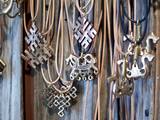 |
The craftsman uses experimental archaeological methods to produce the jewellery of ancient Baltic tribes. He will tell you about their symbolism, meaning and wearing traditions. You can tour the workshop and purchase jewellery that has been made there. |
|
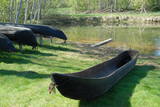 |
In diesem Park kann man die von dem Besitzer gefertigten Einbäume, das Modell des Schlosses von Nurmiža und andere Gebäudemodelle, sowie ein Haus aus Sand besichtigen. Hier kann man an verschiedenen thematischen Veranstaltungen teilnehmen. Männer können hier Rinnen für die Gewinnung von Birkensäften fertigen, aber Frauen – Schmuckstücke aus Naturmaterialien basteln. Einbaum-Erzeugnisse wurden von den Menschen schon im Mesolithikum hergestellt, aber Einbäume (im Park sind mehrere davon) wurden mehr ab dem 9. Jh. benutzt. |
|
 |
Das Café befindet sich im Zentrum von Ludza. Hier kann man Gerichte aus einer vielfältigen Speisekarte und auch Tagesangebote wählen. Ein besonderes Angebot des Kochs sind Süßwasserische aus den Seen der Region Latgale. Lettische Küche: Speisen, bei deren Vorbereitung Hechte, Schleien, Karpfen und Zander verwendet werden. Während der Wintersonnenwende werden auf Bestellung Blutwürste, Bratwürste und Schweinerüssel vorbereitet. Das besondere Gericht: Fischkäse: kalte Vorspeise aus gemahlenem Fisch mit Zutaten. |
|
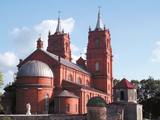 |
Immaculate Conception of Virgin Mary Roman Catholic Church of Nautrēni (Rogovka). The construction
works of the brick church lasted from 1901 till 1914. It is an example of Romantesque style. The
organ was bought in 1939; it is a national cultural monument.
|
|
 2 Tagen
|
Diese Route ist mit sehr ungewöhnlichen Aussichten! Seda ist die einzige Stadt in Lettland, in der sich noch aus der Sowjetzeit aus der Mitte des vorigen Jahrhunderts die Planung mit dem Zentralpatz und Straßen erhalten hat, die strahlenförmig zu dem Zentralplatz führen. Ein wenig exotisch ist der Baustil der Wohnhäuser und der öffentlichen Gebäude. Das Moor von Seda, wo Torf schon während der ersten Unabhängigkeit Lettlands gewonnen wurde, ist eines der größten industriellen Naturgebiete dieser Art in Lettland und in den baltischen Ländern. Die früher bearbeiteten Torfgelände sind zum Teil überschwemmt und mit Schilfrohr zugewachsen, das bildet eine ausgezeichnete Umgebung für nistende Wasservögel und Zugvögel, die das Moor von Seda zur Erholung benutzen. Der Torf wird auch heute gewonnen und vielleicht hat man Glück und man kann den kleinen Torfzug sehen. Route information from Latvijas Lauku forums |
|
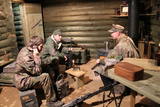 |
Pie Vidzemes šosejas pirms Melturu tilta pāri Amatai ir privātais muzejs "Mežabrāļu bunkurs". Bunkurs izveidots, lai varētu vēstīt par Nacionālo partizānu mežabrāļu cīņu laikā no 1944.-1956. gadam, kad mežos pret okupācijas varu cīnījās ap 20 000 Latvijas patriotu. Nacionālo partizānu bunkurs izveidots balstoties uz savāktajām mežabrāļu atmiņām, dienasgrāmatu pierakstiem un fotogrāfijām. Uz bunkuru ved meža taka ar informāciju par dažādiem mežabrāļu piedzīvojumiem un cīņām. Bunkura pazemes daļā apskatāmi vēsturiskie priekšmeti, kas viņus pavadīja dzīvē un cīņā. Saimnieks piedāvā pastaigu pa meža taku, kur izvietota informācija par mežabrāļiem un slēpņu spēle bērniem. Ar iepriekšēju pieteikšanos iespējams iekļūt bunkurā un apskatīt iekārtotu bunkuru ar mežabrāļu izmantoto ieroču, munīcijas un citu priekšmetu ekspozīciju. Stāstījumu papildina savāktās mežabrāļu interviju videoieraksti. Apmeklētājiem iespējams pasūtīt mednieku desiņu cepšanu lapenē pie bunkura. |
|
 |
Находятся в 100 м к юго-востоку от Приекульского замка. Символ Приекуле, изображенный на гербе города. Ворота (1688 г., отреставрированы в 1954 г.) служили в качестве сторожевой башни сквозных ворот Приекульской господской усадьбы, где проводился досмотр торговцев (таможня), отправляющихся или приезжающих из Литвы. Интерес представляет родовой герб баронов Корфов выполненный в XVIII веке из голландского песчаника, с серебряным ядром и своеобразный маскарон в центральной части фасада. Во времена баронов в нишах по обеим сторонам стояли двухметровые, выполненные в камне, грозного вида фигуры стражников - солдат. Сегодня на их месте стоят деревянные фигуры стражников. |
|
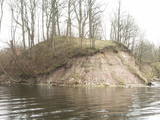 |
Where the little Rumbiņa river flows into the Daugava (on the left bank of the little river opposite the Lielvārde park), there is the Dievkalns castle hill that has been reduced by the waters of the Daugava. It is also known as the Cepure hill. According to antiquities that have been found here, representatives of Baltic tribes lived here from the first millennium BC to the 6th or 7th century AD. The level of the Ķegums hydroelectric power plant can be reached by a staircase from which the best view of this object can be found.
|
|
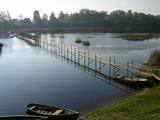 |
Die Flüsse Salaca und Svētupe sind zu den einzigen Orten auf der Welt ernannt, wo man beim industriellen Fischfang der Neunaugen immer noch eine mehr als 150 Jahre alte Methode benutzt: den Fischzaun (einen über den Fluss gebauten Steg mit Fischreusen, insgesamt drei Fischzäune). Unter der Leitung der örtlichen Fischer kann man die Fischzäune besichtigen, den Fischfang beobachten und Vorort gegrillte Neunaugen probieren. |
|


