
| Nr | Name | Beschreibung |
|---|---|---|
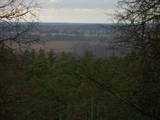 |
This is an area that is full of legend and tale. There is a stiff hillock, which stands about 66 metres above the surrounding land. From its southern side, you can see the Burtnieki lowlands. The tower, however, is not open to the public.
|
|
 8 Tagen
|
Die Route führt Sie nach Kaunas, durch mehrere litauische Regionalparks und bietet wunderschöne Aussichten auf die Landschaften des Flusses Nemunas. Kaunas ist Litauens zweitgrößte Stadt. Es zeichnet durch seine modernistische Architektur aus. Die Stadt liegt am Zusammenfluss der beiden größten Flüsse Litauens: Nemunas und Neris. Von Lampėdžiai nach Vilkija verläuft der Wald-Wanderweg zwei Tage lang auf kleine Pfade und ländliche Schotterstraßen am rechten Ufer des Flusses Nemunas. Dieser Abschnitt führt Sie durch kleine Dörfer und ist von wunderschönen Flusslandschaften und Ansichten auf Uferwiesen geprägt. Sie nicht die Fähre über den Fluss Nemunas in Vilkija. Die Fähre ist eine der wenigen in den baltischen Staaten, die noch in Betrieb ist. Für die nächsten zwei Tage von Vilkija führt der Wald-Wanderweg durch seine spektakulärsten Etappen im Regionalpark Dubysa: von Kirkšnovė nach Šiluva finden Sie Burghügeln an Flussufern und ab und zu auch historische Kirchen. Dieser Regionalpark erstreckt sich über das Dubysa-Flusstal, das eine Tiefe von 40 m und eine Breite von bis zu 500 m erreicht. Hier kann Sie das hügelige Gelände überraschen. Anschließend führt Sie die Route zur Šiluva – der katholischen Pilgerstätte – und zum Regionalpark Kurtuvėnai. Er gehört zu den dicht bewaldeten Gebieten Mittellitauens, dass der Regionalpark und das Flusstal mit seinen vergletscherten Gebieten ein Wunderland der Wälder, Gewässer und Feuchtgebiete ist. Der Wald-Wanderweg führt kleiner Waldwege, Touristenpfade, wunderschöner Baumalleen und Feuchtgebiete entlang. Die Wanderung endet im Dorf Šaukėnai, von wo aus Šiauliai leicht zu erreichen ist. |
|
 |
No 28 m augstā torņa, kas atrodas uz apdzīvotas „salas” – Siksalas Teiču purva vidū, paveras ļoti plaša augstā purva ainava ar Siksalas ezeru, citām minerālzemes salām un Siksalas mazciemu. Tā kā tornis atrodas Teiču dabas rezervātā, to var apmeklēt tikai Dabas aizsardzības pārvaldes inspektora pavadībā, iepriekš piesakot vizīti T: + 371 28333415. |
|
 |
Vom elterlichen Haus des hervorragenden lettischen Publizisten, Pädagogen und Sprachwissenschaftler Atis Kronvalds (1837 – 1875) „Lejas Miķi” im Bezirk Priekule in Krote ist nichts bis heutzutage geblieben. An der Stelle des Hauses befindet sich eine Gedenkplatte mit Inschrift: „Für jeden ist jener Platz heilig, wo geboren und aufgewachsen ist” (A. Kronvalds). |
|
 |
Mill of Count Borh. Count Borh built the three- storey mill in the
end of the 18th century not far from the castle of Varakļāni. Here you
can see how the flour was milled in past centuries.
|
|
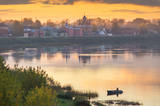 |
Krustpils wurde das erste Mal 1237 in Zusammenhang mit einem Bau der Kreuzburg am rechten Daugava-Ufer historisch erwähnt. 1511 wurde Krustpils als eine Ortschaft erwähnt. 1585 hat der König von Polen Stephan Báthory die Ortschaft Krustpils dem Nikolaus von Korff geschickt und gehörte Krustpils den Baronen von Korff bis 1920. 1626 geschahen nahe Krustpils die Schlachten zwischen schwedischen und polnischen Truppen. Die ruinierte Ortschaft hatte keine Entwicklung bis zum 19. Jahrhundert. Seinerseits wurde Jēkabpils in der Mitte des 17. Jahrhunderts als eine Siedlung der verfolgten Altgläubigen aus Russland – Sloboda gegründet. Auf dem Fluss Daugava befinden sich gegenüber Krustpils un Jēkabpils die Flussschnellen, deswegen mussten die Flößer anhalten und die Waren auf die Fuhren verladen. Demzufolge blühte die Siedlung auf und 1670 verlieh die die Stadtrechte und den Namen Jēkabpils zu Ehren des Herzogs von Kurland. 1861 begann das Aufblühen von Krustpils nach der Eröffnung der Eisenbahnstrecke Rīga – Daugavpils und endete sich von Jēkabpils. 1962 wurden Krustpils und Jēkabpils zu einer Verwaltungseinheit mit dem Namen Jēkabpils. Bis heutzutage sind in Jēkabpils eine für das 19. Jahrhundert typische einstöckige Holzbebauung, die um die Wende des 19. und 20. Jahrhunderts errichteten Gebäude aus rotem Stein, Kirchen von sieben verschiedenen Konfessionen erhalten geblieben. Einer das linke Daugava-Ufer umschließende Schutzdamm (Anfang des Baues 1861) wurde mit dem Ziel gebaut, die Stadt von Überflutungen zu schützen. Heutzutage ist der Damm zu einer Promenade umgebaut, die ein beliebter Platz der Bewohner für Spaziergänge und Erholung ist. |
|
 |
The cafe is situated in Sabile, where you can eat fast and tasty food. Banquets up to30 people. |
|
 |
Der Apfelweinbetrieb Tori befindet sich auf dem authentischen Bauernhof Soomaa, wo Apfelbäume und Weinstock angebaut und aus der eingebrachten Ernte Wein und Apfelwein hergestellt werden. Im Betrieb werden die Gäste in die Geheimnisse des guten Apfelweins und Weins sowie Besonderheiten des Weinbaus im Norden eingeweiht. Außerdem wird Essen angeboten und werden Verkostungen veranstaltet. |
|
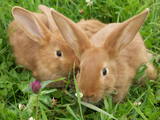 |
This is the most modern rabbit farm in the Baltic States. The animals live in cages in a shed, but there are also cages outside where they can be viewed. Children will love contacts with 24 types of rabbits, as well as an opportunity to study the surrounding area from a viewing tower. If you apply in advance, you can purchase fresh rabbit meat, sausages, dried meats and pâté. A new thing at the farm is the Mangalicas breed of wild pigs from Hungary. |
|
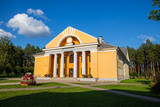 |
Seda is one of the most unusual towns in Latvia. It began its life as a housing area for people from the local peat moss factory, and that happened in the 1950s and 1960s. This is a “vivid” example of Soviet architecture, with a central square (complete with a monument to the Leader) and streets radiating from it. Worth a visit is the cultural centre at the end of Uzvaras Street. It is a great example of so-called Stalinist Classicism architecture. |
|
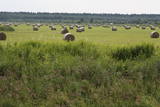 |
Open landscape area within farming lands on both banks of Uzava River about 10 km before it flows into the Baltic Sea. There is a good open view over the area from the Vendzava-Ziri road going through the nature park. Protection of migratory birds and corncrakes has been one of the main reasons for establishment of the nature park. Bird watching is possible from the road Vendzava-Ziri during migration period in spring and fall. There is no tourist infrastructure in the nature park.
|
|
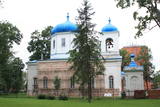 |
Atrodas pilsētas centrā, Atbrīvošanas alejā 98. Dievnamu sāka celt 1840. g. (iesvētīja 1846. g.) un tas uzskatāms par pilsētas vecāko sakrālo būvi. Nekvalitatīvu būvniecības materiālu izmantošana un cēlāju pieredzes trūkums bija iemesls, kādēļ 1854. g. to nācās pārbūvēt. Pie baznīcas atrodas 1867. g. būvēta Sv. A. Ņevska kapliča, kas veltīta cara Aleksandra II paglābšanās faktam vilciena katastrofā un stikla mauzolejs, kurā apbedīts baznīcas mecenāts ģenerālis Karaulovs (šobrīd tiek restaurēts). Dievnams ir atvērts arī apmeklētājiem. |
|
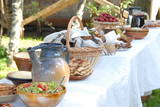 |
This facility is in the historical village of Pape in Southern Kurzeme. Accommodations are available in an historical granary with a roof made of reeds. It is appropriate for inhabitation during the late spring, the summer and the early fall. There are three bedrooms, a small front room and a kitchen, with two floors in all. The building will fit eight people. This is an ideal location for creative camps, plenary sessions, master workshops and other activities. There are tenting areas for as many as 80 people. The Mikjāņi farm observes local traditions and offers traditional foods such as “herring on coals,” white butter with boiled potatoes, fish soup, etc., for visitors who apply for a meal in advance. This offer is only available to groups which register in advance. |
|
 |
Atrodas 0,9 km no Jaunpiebalgas muižas pils, Jaunpiebalgas centra virzienā. Redzot šo ēku, nav jāpārliecina, ka tā ir viena no garākajām Vidzemē. Tik gara, ka grūti pat „iedabūt kadrā”. |
|
 3 Tagen
|
This programme allows participants to learn about Latvian ethnography and traditions through meeting local craftsmen and having master classes with them in knitting traditional mittens and gloves, making amber jewellery and cooking traditional foods. There is chance to have a unique experience because of the authenticity of some places and traditions, for example the ethnographic house of living history Zvanītāji still retains its original appearance - massive ceilings, large family room with bread oven and natural, unpainted wooden floor. The carew chimney is still in the kitchen. The house is filled with characteristic looms, a family table, beds, wardrobe, cradle, various items and tools used on the farm. |
|
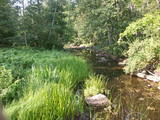 |
Ein ausgeprägtes Gebiet des unteren Flusslaufes der Vitrupe mit kleinen Sandsteinfelsen und vielen seltenen Arten von Pflanzen und Mollusken. Besucher können das Ķirbiži – Waldmuseum besuchen mit Informations- und botanischen Pfad. Dieser schlängelt sich an beiden Flussufern entlang und erlaubt den Besuchern, die typischsten Vertreter der Pflanzenwelt der Region zu betrachten. Die prächtige Vāloži – Eiche stellt bildet hier den Schwerpunkt.
|
|
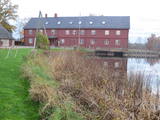 |
In der Mühle lässt sich der Wollverarbeitungsvorgang auf 100 Jahre alten Geräten nachverfolgen, hier werden Wolldecken und mit Schafwolle gefüllte Kissen in Handarbeit hergestellt, sowie Souvenire, die man kaufen und bestellen kann. Es werden Exkursionen angeboten und Brot gebacken. Funktionsfähig erhalten ist die im 19. Jh. im lettischen Maschinenwerk „Šūberts Rudzīts & b-dri” hergestellte Pflück- und Kardiermaschine, eine in Deutschland hergestellte einzigartige Spinnmaschine sowie eine Kornmühle. Lettische Küche: Eingelegte Heringe mit Gemüse, Graupengrütze, Kartoffelpüree nach dem Geschmack der Einwohner von Vidzeme (mit gebratenen Zwiebeln), kleine Pfannkuchen mit einheimischem Honig und Marmeladen aus einheimischen Beeren, selbstgebackenes Brot. Das besondere Gericht: Wasserkringel und Suppe des Wirtes, die aus sechs Fischarten gekocht ist. |
|
 19 Tagen
|
Die Tour beginnt an dem Hafen der ehemaligen Hansestadt Gdansk mit ihrer schönen Altstadt. Danach führt die Tour nach Malbork mit ihrer eindrucksvollen mittelalterlichen Burg und ihren Befestigungen und zu der ruhigen Frombork mit ihrer prachtvollen gotischen Kathedrale. Auf der Tour überquert man die Region der Mazurischen Seen, wo Tausende von Seen mit Flüssen und Kanälen verbunden sind. Am besten kann man die Seen aus einem Boot erleben. Weiter führt die Tour zum Nationalpark Wigry mit seinen Spazierpfaden und interessanten archäologischen Stätten. |
|
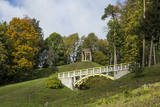 |
Gegenüber der Marijas Insel (Pilssala) erhebt sich der 30 m hohe und steile (die Abhänge sind künstlich steiler gemacht) Tempelberg – eine alte lettgallische Wallburg mit den Seiteschluchten. Auf einer 80 m langen und bis 40 m breiten Wallburg sind einige künstlich errichtete Wallen zu finden. Eine der ältesten Bezeugungen der Bevölkerungsdichte in der Umgebung des Tempelbergs ist eine gefundene Axt, die aus dem Ende des 3. Jahrtausends und Anfang des 2. Jahrtausends v. Chr. stammt. Archäologen behaupten, dass in dieser Zeit die Pilssala Insel von den Menschen besiedelt wurde. In den 10 – 11 Jahrhunderten befand sich auf der Pilssala Insel eine lettgallische Burg, die 1225 die Kreuzritter vernichtete. Eine Oberfläche der Wallburg wurde relativ kürzlich verändert – 1807 – in der Zeit des Baues einer Granitrotunde. Die Rotunde wurde zu Ehren des russischen Feldmarschalls Scheremetjew und des schwedischen Kapitäns Wolff errichtet. Ein Blick vom Tempelberg auf den Alūksne See und die Stadt ist einer der schönsten in Livland! Besuchenswert sind eine 1937 errichtete Sonnenbrücke, sowie ein unweit vom Tempelberg liegender Holzaussichtsturm. |
|
 |
Tērvetes vīni ir ģimenes vīna darītava Tērvetē. Ražojam vīnu no pašu audzētām ogām un augļiem – avenēm, āboliem, ķiršiem, ērkšķogām, upenēm, cidonijām un no “īpašā dārzeņa” – rabarbera! 2019. gadā esam uzsākuši arī sava vīnogu dārza veidošanu un plānojam piedāvāt saviem viesiem vīnogu vīnu. Mēs - Dace un Sandris Laizāni, Tērvetes vīnu saimnieki esam kaislīgi “vīna mīļi” un šo mīlestību pret vīnu vēlamies nodot arī mūsu viesiem! Jums piedāvājam vīna darītavas apskati un vīnu degustāciju ar omulīgām sarunām par vīna tapšanu jaukā lauku ainavā Tērvetes upes krastā. Atkarībā no sezonas piedāvājam dažādu augļu un ogu vīnu, dzirkstošo vīnu un brendiju degustāciju. Saimniece Dace arī palutinās Jūs ar nelielām uzkodām - mājās ceptu maizi un pašas sietu sieru. |
|


