
| Нo | Название | Описание |
|---|---|---|
 |
Кафе «Стабурадзе» расположено в центре города Кулдига. |
|
 |
В хозяйстве, расположенном на излучине правого берега Венты, выращивают коз и производят сыр. Для посетителей – возможность продегустировать сыр и приобрести продукцию. Принимают заказы. |
|
 |
Zemnieku saimniecība "Dzirnas" nodarbojas ar bioloģisko putnkopību, audzē zemenes un dārzeņus. Saimniecība apsaimnieko 11 ha zemes. Tajā iegūtās olas ar zīmolu "Vistu olas", sīpoli un ķiploki tiek pārdoti veikalos "Klēts" Rimi hypermārketos Rīgā. Savukārt zemenes pārdod dzimtajā Alsungā, kā arī pēc pieprasījuma piegādā Rīgā. Iespējams arī apmeklēt un apskatīt saimniecību, taču nepieciešmaa iepriekšēja pieteikšanās. |
|
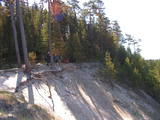 |
This nature park covers an area of the Baltic Sea coast and part of newly established sea protected area "Nida - Pērkone" with sand dunes which once used to move around but have now settled. These are the highest dunes in Latvia. Visitors will enjoy the coastal landscape, sandy beaches and small fishing villages of the area. A nature trail has been established on Pūsēni Hill (one of the highest dunes in Latvia) for those who wish to tour the nature park. |
|
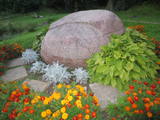 |
Находится в юго-восточной части Пиедруи, на берегу Даугавы. До него можно дойти по Пиедруйской тропе или местной проселочной дороге. Автор памятного камня – скульптор Вилнис Титанс. На камне высечено слово Даугава на семи языках – латышском, ливском, эстонском, польском, русском, немецком и финском. Со стороны камня хорошо видна Друя, находящаяся на белорусском противоположном берегу реки и большой остров, делящий реку на две части. Для посещения Пиедруи необходимо оформить разрешение для пребывания на приграничной территории. |
|
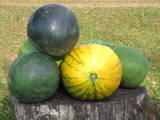 |
Выращиванием арбузов хозяева занялись в 1997 г., используя сорта, которые подходят для климатических условий Латвии. «Ягодка» хозяйства - арбузы с желтой мяготью. Самый больший выращенный арбуз весил 11 кг. Во время сезона - покупка арбузов и советы хозяина. |
|
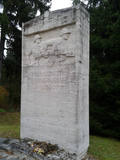 |
Находится на обочине шоссе Р 100 (недалеко от шоссе А 8, направление на Озолниеки и Елгаву). Памятник посвящен стрелкам 6-го Рижского пехотного полка, павшим и пропавшим без вести в боях с бермонтовцами 17-го ноября 1919-го года возле бывшей основной школы Скуяс. Памятник (автор Николай Войт, автор барельефа Мартиньш Шмалцс, консультант Карлис Зале) был открыт 24-го октября 1937-го года. Его отреставрировали в 2009-м году. |
|
 |
Расположенная в старой церковной школе таверна Люманда предлагает вкусную деревенскую еду. Овощи, из которых готовят очень вкусные блюда, экологически чистые, выращены на окрестных полях. Имеющиеся в меню рыбные блюда готовятся из рыбы, купленной у местных рыбаков. Рядом работает ремесленный магазин. |
|
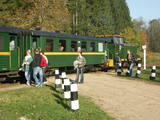 |
Участок железнодорожной линии с шириной колеи 750 мм, соединяющий Алуксне и Гулбене, является частью бывшей железнодорожной линии Стукмани – Валка. На сегодняшний момент это единственная функционирующая узкоколейная железная дорога с регулярным пассажирским сообщением. Узкоколейка функционирует каждый день. Станционное здание Алуксне, построенное в южной части Алуксне, открыли в 1903-м году. Общая протяженность линии, на которой находятся 10 станций и остановочных пунктов, составляет 33 км. Время в пути – полтора часа. Популярен ежегодный Праздник Банитиса, собирающий много гостей. |
|
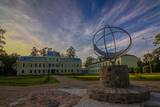 |
Pirmie dokumenti par Kokmuižu atrodami 1601. gada zemes revīzijas pierakstos. Tur sniegtā informācija vēsta, ka Kokmuiža pastāvējusi jau 1560. gadā. Taču 1880. gadā vācu muižnieks sākas celt kungu māju neobaroka stilā. 20. gs. sākumā tā tika izpostīta, bet 1937. gadā to pārveidoja par skolu. Kokmuižā kādreiz atradusies alus darītava. Tas bija laika periodā no 17.- 20. gs. Tā bija viena no slavenākajām alusdarītavām visā Vidzemes guberņā. Mūsdienās var izstaigāt muižu pats vai gida pavadībā. Var aplūkot kungu māju, staļļu ēkas, muižas pārvaldnieka namu, bibliotēku, ekspozīciju, abas klētis un alus darītavas pagrabu, kā arī sfērisko saules pulksteni.
|
|
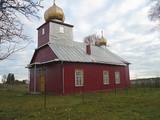 |
Моленная Нотренской старообрядческой общины. Построена
в 1928 – 1931гг. вместо старой, которая была возведена в 1853
году.
|
|
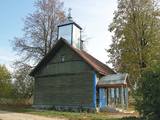 |
Моленная Плюсковской старообрядческой общины
построена в начале 20 века.
|
|
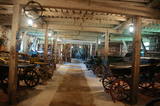 |
Музей гужевых повозок расположен на скотоводческой мызе Пилькусе. Экспонатами являются телеги, одноколки, сани, а также их снаряжение (дуги, оглобли, бубенцы, санные одеяла и специальные болотоступы для лошадей). Среди экспонатов есть также тачанка, карета скорой помощи и пожарная карета.Самыми яркими экспонатами являются карета и коляска, еще имеется большое количество сельскохозяйственных орудий труда. Есть что посмотреть, интересных экспонатов с избытком. |
|
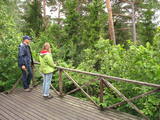 |
This reserve dates back to Lake Ancilus, which was one of the original elements of what is now the Baltic Sea. The lake’s ancient shores feature wetlands, forests and flora which are all protected by the reserve.
|
|
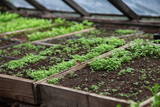 |
В хозяйстве выращивают около 25, но готовят продукты из ~ 50 всевозможных видов растений. Экскурсантам объясняют, как лечебные растения могут использовать не только как чаи, но и в маслах, выдержках, тинктурах, сиропах и в других видах, используя их также и как ежедневные продукты питания. Предлагают дегустацию продукции, приобретение и совместные занятия. Осмотр сельских домашних животных. |
|
 3 дня
|
Данный маршрут предлагает осмотреть прекрасные сады в Латвии и Литве. В мемориальном саду Эдварда Вирзы можно увидеть деревья, которым посвящены стихи. Э. Вирза был латышским поэтом и писателем, написавшим роман «Страумени» о жизни латышских крестьян. В Струбергском декоративном саду предлагают экскурсию и консультации по садоводству. В усадьбе Брукнас вы сможете осмотреть сад, который был построен как парк эпохи Возрождения, розарий и виноградник. Красивая усадьба 18-го века Мазмежотне была восстановлена семьей зернопроизводителей. Рундальский дворец известен как жемчужина Латышского барокко и рококо, где можно посетить розарий и увидеть с более чем 2200 сортов роз. В поместье Бланкенфельде вы сможете увидеть уникальную коллекцию колоколов и насладитесь натуральными соками, сиропами и соленьями, приготовленными на месте. Посетив Домик перечной мяты, вы сможете насладиться мятным чаем, печеньем, медом с мятой и мятным сиропом. Следующая остановка – фермерское хозяйство «Дроши веселс», где выращивают овощи и производят лекарственные мази. В Литве вы можете посетить Жагаре (Žagari), известный своим вишневым садом - парком и особенным сортом вишни – «Жагарвишне» ("Žagarvyšnė"), включенным в национальный список сортов растений. Посетите приусадебный парк в Жагаре, в котором произрастают более 100 видов деревьев и кустарников. Вернувшись в Латвию, вы можете устроить пикник в дендрарии «Вилки», в котором растут около 1000 различных растений - как типичных для Латвийского пейзажа, так и уникальных. В питомнике по выращиванию саженцев в Залениеки вы можете прогуляться по дендрарию, где увидите более 2000 деревьев и кустарников. Красотой пионов можно насладиться в коллекционном саду Андра Беркина, а поблизости, в Виестарде в Кроньауце вам предложат экскурсии в великолепном саду тюльпанов. Живописный сад семьи Клуга славится бегониями, в свою очередь в Добельском институте садоводства имеется коллекция из более чем 200 сортов сирени. Сад красивых и практичных идей может похвастаться своей коллекцией хвойных деревьев, а владельцы предлагают продегустировать порошки из пряных трав, сушеные ягоды и фрукты. «Чай гномов» - одно из самых больших хозяйств по выращиванию лекарственных трав в Латвии (выращивают эхинацею, ноготки, ромашку и др.). Наконец, посетите питомник по выращиванию саженцев деревьев «Лиепас», специализирующийся на выращивании фруктовых деревьев, ягодных кустарников и роз. |
|
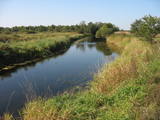 |
Palieņu un mitrās pļavas abos Dubnas upes krastos, kuras nelielā posmā var vērot no Rožupes - Vārkavas ceļa. Piemērotā laikā šeit dzirdēsiet griezes balsi, kas ir Eiropā izzūdoša putnu suga.
|
|
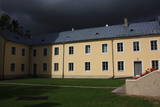 |
Находится в Крустпилсе, ул. Ригас 216б. Первое упоминание о Крустспилсском замке относится к 1237 году. В то время Рижский епископ Николай де Магдебург возвел замок Крейцбург, который стал первой крепостью крестоносцев в Латгалии. В конце 16 столетия, вплоть до начала 20 века, замок находился в собственности рыцаря Николая Корфа (и последующих поколений). В ходе времен замок многократно опустошался и перестраивался. Несмотря на это, до наших дней сохранился характерный для замков средневековья закрытый двор. В середине 19 столетия замок приобрел теперешний интерьер стиля историзма. Сохранились и элементы более древней застройки - надвратная башня замка, основные стены корпуса, бойницы, конструкции сводов, проемы окон и др. В советское время в замке располагалась воинская часть СССР, а рядом образовался военный городок - современное название «Район Замка», который с запада обрамляет Замковый пруд. С 1994 года в замке располагается Екабпилсский исторический музей, с экспозициями которого можно ознакомиться в сопровождении гида или индивидуально. Сегодня замок является одним из тех немногих туристических объектов Латвии, ознакомиться с которым можно в сопровождении аудиогида. Красивый вид приоткрывается с башни замка. |
|
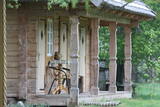 |
Ļoti skaists un ainavisks etnogrāfiskais ciems Balošas (Baluošas) ezera ziemeļu krastā, netālu no diviem iepriekš minētajiem ciemiem. Te apskatāmas interesantas un skaistas koka ēkas, kas celtas no guļbaļķiem, ar niedru vai lubiņu jumtiem un izrotātas ar dažāda veida dekoratīvajiem elementiem. Pirmo reizi rakstos Šumini minēti 1784. g. Savu vārdu ciems ieguva no kādreiz dzīvojošas ģimenes uzvārda. Kā interesantākā ir jāpiemin sena klēts. |
|
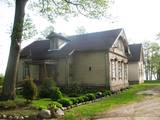 |
Прогуливаясь по километровой проселочной дороге, уютно протянувшейся вдоль моря, можно ощутить настоящее очарование поселка. По правой стороне взору открываются разбросанные по морю камни, миниатюрные цветочные садики на берегу моря, приглашающие посидеть скамейки, перевернутые лодки. На прибрежной стороне уже более века стоит нынешняя Калтенская библиотека. Она была построена в 1899-м году как дача барона Нолкена из Ногале, была многократно перестроена и меняла свое общественное назначение. Изначально с 1926-го года здесь находилась основная школа, после этого – клуб, а с 1992-го года – снова начальная школа. Прогуливаясь по дороге можно увидеть ухоженные, красивые курземские прибрежные дворы, между которыми можно найти и такие родные дома старых рыбаков и кораблестроителей как «Бурлини». У речки Жулниеквалкс на хуторе «Смилгас» находилась кузница корабельного кузнеца Петериса Валдемара, который был в то время главным корабельным кузнецом на территории от Калтене до Упесгривы. (Источник: Ройский ТИЦ) |
|


