
| Nr | Name | Beschreibung |
|---|---|---|
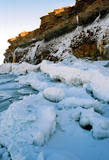 |
At the end of the Pakri peninsula is the most visually impressive shoreline cliff in the Baltic States – the Pakri cliff (Pakri pank), which is as much as 24 metres high. During cold winters, streams which flow from the layers of limestone cliffs form fantastic and unusual shapes of ice.
|
|
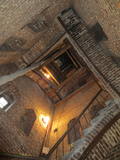 |
Ein einzigartiges Objekt des Industrieerbes – die einzige für Besucher geöffnete Munitionsherstellungsfabrik in den Baltischen Ländern. Auf dem Territorium der Fabrik befindet sich der älteste noch produzierende Bleigießturm Europas. Die Gruppen von Touristen können nach vorherigen Anmeldung mit Guidebegleitung einen Betrieb, den Bleigießturm und das Museum besichtigen. Zurzeit produziert die Schrotkugelfabrik 9 Arten von Gewehrkugeln für Glattrohrwaffen sowie die Gewehrkugeln für Druckluftwaffen. Die Produktion wird in die Nachbarländer, nach Deutschland u.a. eingeführt. |
|
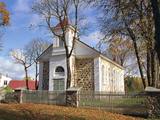 |
St. John the Baptist Roman Catholic Church of Nagļi was built
in 1862 by landlord Nābels. Some time ago, Nagļi Church was a branch of Viļāni Church. The Bernardian
monks served there. After the closing of the cloisters in 1930s, the church was served by priests.
|
|
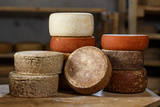 |
Biologischer Landwirtschaftsbetrieb, der Ziegen züchtet und Käse herstellt. Verschiedene Ziegenkäse- und Kuhkäsespezialitäten. Im Landwirtschaftsbetrieb sind ca. 100 Melkkühe. Die Besitzer Ruta un Stefan (Sprechen lettisch, deutsch, englisch) warten auf die Besucher. Käsespezialitäten kann man vor Ort, auf dem Markt im Kalnciema-Viertel in Riga und andernorts in Lettland kaufen. Produktion – Ziegen- und Kuhmilchkäse. Es werden eine Führung durch den Bauernhof und die Käserei und eine Verkostung angeboten |
|
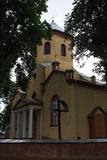 |
Atrodas Līvānu ziemeļdaļā, Baznīcas ielā 17. Dievnams uzbūvēts 1861. g. un paplašināts 1880. gadā. Pēc nopostīšanas 1. pasaules kara laikā to atjaunoja 1918. gadā. No interjera ievērības cienīgas ir ērģeles (uzstādītas 1936. g.), glezna „Svētais Jānis Kristītājs” (mākslinieks Šēnbergs) un 14 Krusta ceļa gleznas, kas ir vācu mākslinieka Fogela gleznu kopijas (19. gs. pirmā puse). Kopš 20. gadsimta sākuma bez izmaiņām ir saglabājies tikai Ostrabramas Dievmātes altāris ēkas labajā pusē. 2007. gadā nokrāsoja dievnama fasādi. Šo darbu laikā, no ēkas sienas izņēma nesprāgušu artilērijas lādiņu, kas bija iestrēdzis 1. pasaules kara laikā. |
|
 |
Das Restaurant befindet sich im Zentrum von Rezekne (neben der Hochschule) und es ist in einem Gebäude mit gewölbtem Keller eingerichtet. Lettische Küche: Kalte Suppe, dünne Pfannkuchen, Kartoffelpfannkuchen, Schweinebraten, Schweinrippen, Frikadellen aus Kalbfleisch, geschmortes Lammfleisch, gebratener Kabeljau oder gebratene Forelle. Das besondere Gericht: Salat aus Ziegenkäse. |
|
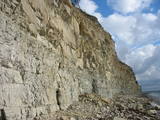 |
Die höchste Felsenwand der estnischen Inseln (21 m hoch), ausgedehnt in die Länge von 2 km. |
|
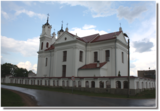 |
Die Kirche befindet sich im Zentrum der kleinenOrtschaft Dviete. Die weiße Gestalt der Kirche ist schon von weitem zu sehen. Die erste Kirche aus Holz wurde hier im Jahr 1775 unter der Leitung des Landgutbesitzers J. K. Wischling gebaut. Später wurde das Gotteshaus abgerissen und in den Friedhof von Zarinki versetzt. Die heutige Gestalt (im Stil Neobarock, mit zwei Türmen) hat die katholische Kirche von Dviete im Jahr 1864 dank der Finanzierung des Grafen Kasimir Plater-Sieberg bekommen. Die Kirche wurde im Ersten Weltkrieg zerstört, darum wurde bis zu ihrem Wiederaufbau und ihrer Einweihung im Jahr 1929 als der Gebetsraum die Kornkammer des Landgutes von Dviete (mit einem Giebeldach) verwendet, die sich am Rand der Straße Dviete – Bebrene befindet und heute erneuert ist. Im Jahr 1940 wurde um die Kirche ein gemauerter Zaun mit einem Ziegeldach, aber in den 1970er Jahren – das Gemeindehaus gebaut. Das Gotteshaus hat eine besonders prachtvolle barocke Innenausstattung, die als die prachtvollste in dem ehemaligen Bezirk von Daugavpils betrachtet wird. |
|
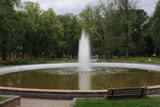 |
Mūsdienās redzamais parks starp Rīgas un Parādes ielu tapa vairāk nekā pirms 100 gadiem un tā patrons bija pilsētas pirmais mērs - Pāvels Dubrovins (1839. – 1890.). Pilsētas „zaļā saliņa”, kuras centrā atrodas strūklaka, ir iecienīta atpūtas un pastaigu vieta. Atraktīvs ir no bronzas veidotais piemineklis (2007. g., tēlnieks A. Tartinovs),kas veltīts pilsētas pirmajam mēram. |
|
 |
Piemājas saimniecība nodarbojas ar augļkopību un biškopību! |
|
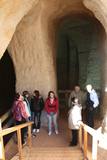 |
The area of the ancient Piusa River valley that is between the villages of Vana-Vastseliina and Ignasõ is around 15 km long, features some substantial rapids, and offers a view of beautiful Devonian period cliffs. The largest, Härma müür, is 43 metres high and is the highest sandstone cliff in Estonia. There are caves from old mines in the village of Piusa. A small part of the mines, which have tunnels that are more than 10 km long in all, has been tured into a local museum.
|
|
 7 Tagen
|
Zuerst führt die Tour zu einem Hersteller, der Birkensäfte und aus denen auch Wein produziert. Hier können Sie dieses traditionelle und erfrischende Getränk auch verkosten. Danach führt die Tour zu einem Ziegenhof, wo Sie verschiedene Milchprodukte verkosten und Haustiere besichtigen können. Weiter fahren Sie nach Sigulda mit ihrer olympischen Bobbahn und drei mittelalterlichen Burgen – Sigulda, Turaida und Krimulda, die sich am Ufer des Flusses Gauja befinden. Durch diese Gegend weben sich auch viele malerische Spazierpfade. Weiter erkunden Sie das historische Dorf Ligatne, das sich um eine Papierfabrik gebildet hat, und besuchen lokale Handwerker, die in einer für diese Gegend typischen Höhle untergebracht sind. Cesis ist eine reizvolle Stadt mit dem sogenannten Neuen Schloss und mit eindrucksvollen Ruinen einer mittelalterlichen Burg. Besuchen Sie einen Hanfanbauer und verkosten Sie auf traditioneller Art vorbereiteten Hanf. In der Mühle von Koni können Sie zuschauen, wie mit altmodischen Geräten warme Bettwäsche handgemacht wird. Besuchen Sie eine Handwerkerwerkstatt in Staicele und versuchen Sie, mehr als 30 Nester in einer Störchenkolonie entlang einer Straße zu erblicken. In Mazsalaca befindet sich ein Naturpark mit Pfaden, die an den wunderschönen Ufern des Flusses Salaca führen. Dieser Fluss ist auch mit seinen Neunaugen bekannt. Weiter auf dieser Tour werden Sie die Möglichkeit haben, traditionelle Fischzäune zu sehen, mit denen die Neunaugen gefangen werden. In Saulkrasti können Sie einen Spaziergang auf dem Dünenpfad unternehmen und den Strand genießen. Weiter auf dieser Tour warten auf Sie Moore mit Moosbeeren, wo Sie diese gesunden Beeren in einer Form verkosten können, die von der entsprechenden Saison abhängt. Besuchen Sie das elegante Schloss von Birini mit seinem großen Park und dem ausgezeichneten Restaurant und kehren Sie nach Riga zurück. |
|
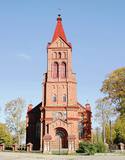 |
St. John the Baptist Roman Catholic Church of Ciskādi was built approximately in 1990. The brick building is an example of Romanesque style.
The church has a specific icon called „Madonna and the child”, crucifix and the
organ.
|
|
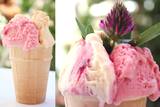 |
Das Café befindet sich 0,2 km von dem Bahnhof von Skriveri entfernt. Dieses Familienunternehmen (seit 2006) stellt hausgemachtes Eis aus selbstgezüchteten Früchten und Beeren (Sahneeis Plombirs, Sahneeis und Eis aus Jogurt) und Sorbets, sowie Eis mit modernem Geschmack (Sprottengeschmack, Geschmack des blauen Käses und Kartoffeleis mit Tomatensoße) her. Man kann den Prozess der Eisherstellung auch verfolgen. Das besondere Gericht: Meerretticheis mit Hering. |
|
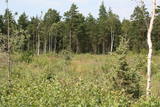 |
Similar as Alsungas mezi (Alsunga forests) – is not intended and appropriate for visits. A narrow path of the restricted area can be seen from the gravel road – Saka-Apriki. Nature restricted area established mainly for protection of Erica tetralix (often called "cross-leaved heath") and it is one of the most important growing places.
|
|
 |
Atrodas Vecpiebalgas centrā pie Inešu ceļa. Vieta, kas jāapmeklē katram savas valsts patriotam, jo šeit atdusas leģendārā romāna "Mērnieku laiki" autori - brāļi Reinis un Matīss Kaudzītes, sabiedriskais darbinieks un valodnieks Atis Kronvalds u.c. Kapos apskatāmi brāļu Kaudzīšu un A. Kronvalda pieminekļi. Tos atrast palīdzēs izvietotās kartes un norādes. |
|
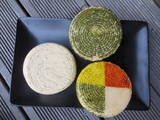 |
Die Molkerei von Talsi wurde 1922 bei dem Zusammenschluss einiger anderen Molkereien gegründet. Später entstand auf dieser Basis die “Talsu piensaimnieks” AG. Eins der bekanntesten Produkte des Betriebs ist der Käse "Talsu ritulis" (der Käselaib von Talsi). Die Produktion von der “Talsu piensaimnieks” AG – Milch, Kefir, Quark, Butter, Käse u.a. kann man in einem zum Betrieb nahegelegenen Geschäft „Piena sēta” kaufen. |
|
 |
Das Speisehaus Lümanda in alter Kirchschule bietet Ihnen leckeres Bauernmenü an. Beim Kochen wird nur biologisch reine Rohstoffe aus umliegenden Feldern benutzt. Fisch stammt von örtlichen Fischern. Nebenan gibt es ein Handarbeitsgeschäft. |
|
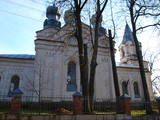 |
Befindet sich am höchsten mit Bäumen bewachsenen Ufer des Flusses Marki hinter der Grenzkontrollstelle von Piedruja. Zur Kirche führt eine Straße aus Pflastersteinen, die wahrscheinlich die einheimischen Bauer am Anfang des 20. Jahrhunderts gelegt haben. Es war eine Pflicht, ein Stein mitzunehmen, wenn man zum Gottesdienst geht. Dieser Stein wurde später für den Straßenbelag verwendet. Diese Kirche mit sechs Kuppeln ist eine der schönsten im heutigen Bezirk Krāslava. Die Kirche ist von 1883 bis 1885 an der Stelle der alten Holzkirche gemäß den architektonischen Formen der altrussischen Stadt Wladimir und bisantischen architektonischen Formen (17. Jahrhundert) gebaut worden. Es gibt Informationen, dass die Größe der Gemeinde ehemals sogar eine Tausend Gemeindemitglieder erreichte. |
|
 |
Heutzutage wird der Posten der Küstengrenzwache nicht genutzt. Im Territorium sind noch Denkmal, Grenzpfahl und ehemalige WCs mit einem Papierhälter aus Holz erhalten geblieben. Eine gute Aussicht auf den Posten der Grenzwache hat man vom südlich gelegenen Erdwall aus.
|
|


