
| Nr | Name | Beschreibung |
|---|---|---|
 |
Pie ceļa, kas no Bernātu ciema centra ved uz jūru, redzamas augstas ar mežu apaugušas kāpas. Uz vienas kāpas (ir norāde) novietots piemiņas akmens ar pirmā Latvijas Valsts prezidenta Jāņa Čakstes 1924. g. teiktiem vārdiem: “Te jābūt kūrortam.” Atrodas Bernātu dabas parkā. |
|
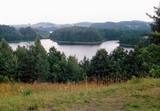 |
Vermutlich ein heidnischer Hügel. Schöner Blick auf die 6 Seenlandschaften. Ein Symbol vom Nationalpark. |
|
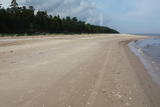 |
In Ģipka wurde die erste Seefahrtschule in Kurland gegründet! Es geschah 1869 – einige Jahre nach der Gründung der Seefahrtschule in Ainaži. Diese Seefahrtschule war der 2. Kategorie, die die Steuermänner auf großer Fahrt und Kapitäne der Küstenschifffahrt vorbereitete. 1894 wurde die Schule nach Mazirbe verlegt. Vor der Eröffnung der Seefahrtschule befand sich seit 1860 in diesem Gebäude eine Schule, aber 1867 wurde für die Bedürfnisse der Seefahrtschule einen zweiten Stock gebaut. Das Gebäude ist bis heutzutage erhalten geblieben und ist in ein Wohnhaus umgebaut. Die Seefahrtschule (in Ģipka und Mazirbe) hat während ihrer 28-jahrigen Existenz mehr als 200 professionelle Seeleute vorbereitet und den Schiffbau in den livischen Küstensiedlungen gefördert. (Die Quelle: Roja TIZ) |
|
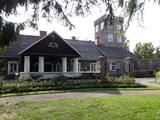 |
Im Rittergut Burbiškis wurde 1991 das kulturgeschichtliche Museum Daugyvenė gegründet. Das Schutzgebiet umfasst eine Fläche von 28 ha. Im zentralen Teil des Parks befindet sich ein 3 Hektar großer Teich mit 15 Inseln, 11 Brücken und Stegen. Seit 2000 findet hier alljährlich das Tulpenfestival statt, auf dem etwa 300 Tulpensorten ausgestellt werden. |
|
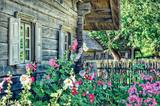 |
Das Dorffreilichtmuseum wurde 1991 auf einer Fläche von 18 ha eingerichtet. Hier wird mit authentischen Gebäuden und Ensembles die Region Oberlitauen repräsentiert. |
|
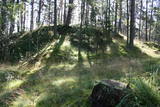 |
Unweit von der Mündung des Flusses Kilmiņupe ins Meer befindet sich die sagenhafte Wallburg des Seeräubers Trommel – eine mittelalterliche Befestigungsanlage. Die ist etwa 100 m vom Hof „Kraujas” zu finden. Die 1977 hier während der archäologischen Ausgrabungen gefundenen Ziegelteile und Scherben von Ofentöpfen zeugen, dass die Befestigung schon im Mittelalter existierte. Dieser Ort ist mit den Sagen über den Seeräuber Trommel verbunden, der hier das Raubgut vergraben hat, deswegen sind an der Düne viele von den illegalen Archäologen ausgegrabene Gruben zu sehen. Eine Sage erzählt über den Seeräuber Trommel, der mit seinen Leuten die Schiffe in der Rigaer Meeresbucht von der Kurlands Küste bis zu der Insel Roņu raubte. Im Altertum ankerten hier viele Schiffe, die auf den günstigen Fahrwind warteten, um das Kap von Kolka umzugehen, aber der Seeräuber nutzte es mit einem eigensüchtigen Ziel aus. Er sammelte auch die Güter von den versunkenen Schiffen. Die Burg von Trommel wurde aus Stein gebaut. (Die Quelle: Roja TIZ) |
|
 |
Die ehemalige Schwimmhalle von Ķemeri
– im 19. Jahrhundert befand sich hier ein
Holzgebäude mit Wannen, aber 1924 wurde hier
ein Gebäudekomplex für heilende
Schlammprozeduren angebaut. Nach dem
Zweiten Weltkrieg wurde die Kurortpoliklinik
„Ķemeri“ eingerichtet. Heutzutage ist das unikale
Gebäudekomplex runtergekommen, obwohl es
privatisiert wurde. An der westlichen Seite
befindet sich ein Denkmal für den eminenten
russischen Arzt - Physiologen Ivan Pavlov
das von Zeit und Menschenhand nicht verschont
geblieben ist.
|
|
 |
Diese Schänke befindet sich in dem historischen Zentrum von Ligatne (am Teich): In einem Gebäude, wo das erste Papier von Ligatne hergestellt wurde. Lettische Küche: Stroganoff der Region Vidzeme, gegrillte Strömlinge aus dem Dorf Kolka, gegrilltes Schweinefleisch, Forelle des Flusses Amata, Kartoffelpfannkuchen mit ländlichen Sauerrahm, hausgemachte Pfannkuchen mit Marmelade, Bier und Kwass. Das besondere Gericht: Dessert "Lustūzis". |
|
 |
Hiiu Gourmet ir mazs uzņēmums, kura mērķis ir piedāvāt produktus no vietējām izejvielām Hījumā. Izstrādājumi tiek izgatavoti ar rokām mazos daudzumos. Produktu klāstā ir mājās gatavoti sīrupi, piedevas, sinepes utt. No augiem un ogām, kas novāktas Hījumā mežos. Saimniece Heli padāvā Hījumā tradicionālā ēdiena gatavošanas meistarklases. |
|
 |
Einzigartiger Themenpark am Fluss Pirita, wo sich alles um die alten Wikinger dreht. Leistungen: Wikingerburg, Zauberstube, Schmiede, prähistorische Kampfspiele, Schauspiele, Abenteuerreisen mit Wikingerboot auf dem Fluss Pirita, Wanderungen mit Einbaumboot, Wurfwaffen, Bogenschiessen, Axtwerfen, Höhlensauna, Rauchsauna, Forellenfang, Erlebnisunterkunft, Verpflegung u.a. |
|
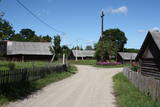 |
Musteikas pirmsākumi ir meklējami jau 18. gs. Līdz Musteikai no Marcinkones puses var nokļūt pa grantētu ceļu, kas ved gar bijušajiem kolhoza zivju dīķiem. Automašīnu var atstāt ciema sākumā un izstaigāt to ar kājām, izjūtot veco ēku smaržu un šarmu. Musteikā atrodas Dzūkijas biškopības vēsturei veltīts „dzīvs” muzejs, kur stropos dzīvo bites, bet tā saimnieks ir biškopis pēc aicinājuma un būtības. Ja palūgsiet, viņš demonstrēs – kā ar krama, metāla un posas piepes palīdzību senos laikos ieguva uguni. |
|
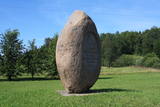 |
Das Museum befindet sich in dem Gebäude des ehemaligen Pfarrhauses von Laši, 0,5 km nordöstlich von der Straße Nereta – Ilūkste. Gotthard Friedrich Stender (1714 – 1796) oder der Alter Stender war der Autor der ersten umfassendsten Grammatik der lettischen Sprache (1761), des lettisch-deutschen und deutsch-lettischen Wörterbuches (1789), des lettischen Abc-Buches (1782) und des ersten Abc-Bilderbuches Bildu ābice (1787). Er hat als Pfarrer der Gemeinden von Sēlpils und Sunākste gearbeitet. Er war auf dem Pfarrhof von Laši geboren, wo in einem der Gebäude ein kleiner Museum eingerichtet ist. Am Rand der Straße Nereta – Ilūkste ist ein Gedenkstein (Bildhauer I. Folkmanis, Architektin N. Tamane). aufgestellt worden. |
|
 |
The fast-food place of a bistro type in Gulbene with a tasty lunch menu for very reasonable prices. It is also possible to try dishes typical for Gulbene district here. Working hours: Monday-Friday: 08:00 - 18:00, Saturday: 09:00 - 14:00 |
|
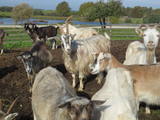 |
Stolz des bäuerlichen Betriebs sind ~ 100 Ziegen, von deren Milch Käse, Quark und Joghurt hergestellt wird. Exkursion zum Hof, Anschauen der Tiere, Verkostung und Erwerb der gesunden BIO-Produkte. In einem nahegelegenen Teich kann man angeln. Die gefangenen Fische kann jeder selber grillen. |
|
 |
These craftspeople produce magnificent Lettigalian ceramics. You can watch a video about pottery which shows how a piece of clay can be turned into dishware. You can take a tour, try your own hand at the potter’s wheel, and purchase finished products. |
|
 |
Pupuchi ražotnē top kraukšķīga un veselīga uzkoda no cūku pupām - Pupuchi. |
|
 |
Saimniecība specializējas uz dažādu dekoratīvo stādu audzēšanu nelielos apjopmos. Sezonas laikā pieejamas arī svaigas krūmmellenes, smiltsērkšķi, cidonijas, augļi un ogas. |
|
 |
Das Restaurant befindet sich in den Räumen des Hotels Hotel Jelgava. Hier werden traditionelle lettische, sowie auch andere Speisen angeboten und Musikabende organisiert. Lettische Küche: Straußensteak von Vögeln, die in Lettland gezüchtet sind. Das besondere Gericht: Maishähnchen mit Spinat-Kartoffel-Püree und Karotten, die am Spieß gegrillt sind. |
|
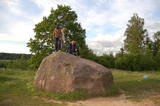 |
The rock is not too big (2.1 m high, 15 m in circumference), but since the early 20th century it has been a popular tourist destination. There is a lovely view of the
|
|
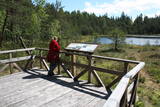 |
Četrus kilometrus garā lokveida un marķētā dabas taka meklējama Plateļu pilsētiņas ziemeļaustrumu daļā. Tā ved pa dažādiem biotopiem – mežu, purvu, ezera malu, atklājot dažādas ainavas un tajās mītošās augu, putnu un dzīvnieku sugas. Šī ir interesantākā un ainaviskākā no Žemaitijas nacionālā parka takām. |
|


