
| Nr | Name | Beschreibung |
|---|---|---|
 |
Offering – a beach created in the quarry as well as the relaxation zone. 2 volleyball playgrounds, swings, trampolines, inflatable attractions. For the youngest kids – water joys in a specially constructed water „eyecup”. In a separated quarry you are offered to fish - trouts, carps, brook trouts, sheatfish. It is possible for you to cook fish, fry, make fish soup. In this case, we offer you all the necessary things for cooking. Fishing takes place all year round. |
|
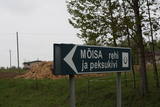 |
Neliela apdzīvota vieta nacionālā parka ziemeļrietumu daļā, kur kādreiz atradusies Rebases muiža. Mūsdienās no tās saglabājušās klēts atliekas, pie kurām apskatāms interesants vēstures liecinieks – sens akmens, ko izmantoja kulšanas procesā (Peksukivi). |
|
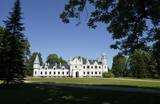 |
Das Schloss Alatskivi zeigt eine Exposition in drei Stockwerken, die über das Leben und Geschichte einer Familie im Gutshof erzählt. Lassen sie sich von den Schlossguides durch die Legenden und Geschichten führen, basteln sie sich selbst ein persönliches Souvenir. Das märchenhafte Schloss im östlichen Teil von Estland erwartet sie! |
|
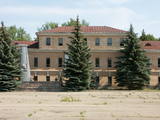 |
Als das Gründungsjahr von Daugavpils wird das Jahr 1275 angesehen. Das ist die Zeit, als der Heermeister des Livländischen Ordens Ernst von Ratzeburg auf dem Burgberg von Naujene die Burg Dinaburga (Dünaburg) gebaut hat. Die Burg hat mehrmals unter litauischen und russischen Einfällen gelitten, bis sie im Jahr 1557 von dem russischen Heer unter der Leitung von Iwan dem Schrecklichen zerstört wurde. Nach diesem Ereignis wurde die Dünaburg 17 km weiter am rechten Ufer des Flusses erneuert, wo sich heute die Stadt Daugavpils befindet. In der Zeit zwischen 1810 – 1833 wurde eine neue Festung gebaut. Im Jahr 1826 wurde mit dem Bau des heutigen historischen Zentrums begonnen. Während des Ersten Weltkriegs wurden die wichtigsten Industrieunternehmen mit ihren Mitarbeitern nach Russland abtransportiert. Während der ersten Unabhängigkeit Lettlands blühte das Kulturleben von Daugavpils auf. Der größte Teil der Stadt wurde während des Zweiten Weltkriegs – im Juli 1944 – zerstört. Heute ist Daugavpils die zweitgrößte Stadt in Lettland und ein bedeutendes wirtschaftliches Zentrum der historischen Region Latgale. Vor einiger Zeit wurden Rekonstruktionsarbeiten in der Festung von Daugavpils begonnen, die auch in Europa einzigartig ist. |
|
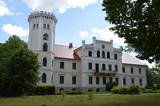 |
Skaistā ēka atrodas Lizuma centrā. Lizuma muižas īpašumi piederējuši dažādām dzimtām – vācbaltiešiem Tīzenhauzeniem, Malamiem un Volfiem. 1836. g. muižu iegādājas barons Otto Gotlībs fon Volfs, kura laikā muižas pils iegūst tagadējo veidolu – Tjudoru neogotikas stilu ar poligonālu torni. Jau no 1937. g. pilī izvietojusies Lizuma skola, kas ir viens no iemesliem, kādēļ saglabājusies ne tikai pati ēka, bet arī atsevišķi interjera elementi kāpņu telpā, Zilajā (Mednieku) zālē u.c. Pili ieskauj parks, kur atrodas muižas saimniecības ēkas – mūra klēts (te kultūras nams), 1876. g. celtais zirgu stallis (sporta halle), kalpu un dārznieka namiņš u.c. Bijušajā spirta brūzī ražo Gotiņas konfektes. Pils tornī izveidots Lizuma vidusskolas veidotais novadpētniecības muzejs. |
|
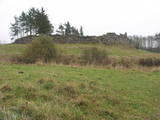 |
Atrodas Vecpiebalgas dienvidaustrumdaļā aiz baznīcas. 1340. - 1365. g. Rīgas arhibīskaps šeit uzcēla pili - cietoksni, ko apjoza aizsarggrāvji (atliekas redzamas arī mūsdienās). Pils ziemeļu pusē atradās priekštilta nocietinājumi, bet austrumdaļā - pils galvenā ieeja un tornis. Pili postīja 1577. g., bet pilnībā sagrāva 18. gs. |
|
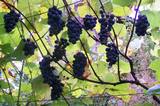 |
The visitors are offered the excursion around the wine garden and the story about different sorts of grapes and the secrets of wine-making. During the excursion the vistiors can learn about the traditions of growing grapes in Latvia, to see and taste the newest tendencies of grape selectioning,as well as receive advice on growing and tending grapes. It is also possible to try home-made wines and buy grapes saplings. |
|
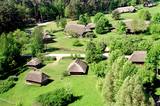 |
Ein Freilichtmuseum des Landlebens. Gebäude aus den verschieden historischen Gebieten, Wirtschaftsartikel und Haushaltsgegenstände, Traditionen u.a. |
|
 |
Das Café befindet sich im Zentrum von Gaigalava, in dem ehemaligen Verwaltungsgebäude der Kolchose. Für die Vorbereitung der Speisen werden Produkte aus dem eigenen Hof und aus anderen Höfen verwendet. Lettische Küche: Bohnensuppe mit Graupen, Sauerkrautsuppe, Erbsensuppe, Suppe aus den Blättern der roten Beete, Ampfersuppe, Fischsuppe aus Schleien oder Karpfen, gebratene Rippen, Braten, falscher Hase, im Ofen gebackener Karpfen, getrocknete Fische, Quarkcreme mit Kompott, gebackene Äpfel mit Vanillesoße, geflochtene Rouladen, getrocknete Früchte und kandierte Quitten. Das besondere Gericht: Bohnenpfannkuchen. |
|
 |
Die Restaurant-Bar befindet sich in einem Wohnviertel des Zentrums von Jelgava. Sie ist mit ihrer interessanten Innenausstattung und ihren Musikabenden und anderen Veranstaltungen bekannt. Lettische Küche: Bauernomelette, gebratene Schweinefleischstücke mit Pfifferlingen und Steinpilzen, Graupenrisotto, Erdbeersuppe mit Eis, dünne Pfannkuchen. Das besondere Gericht: Kuss von Charlotte: Dessert, in dem Ei-Quark-Creme und Saftgelee geschichtet sind. |
|
 |
Das Museum „Kaikaši” befindet sich ~ 1 km südwestlich vom Zentrum der Stadt Vecpiebalga, in einer kleinen Ortschaft Kaikaši. Auf dem Hof „Kaikaši” ist ein lettischer Schriftsteller Antons Austriņš (1884 – 1934) geboren. In Vecpiebalga hat der künftige Schriftsteller eine Grundallgemeinbildung erhalten. Eins der bekanntesten Werke von A. Austriņš ist das Geschichtenbuch „Jünglein” (1931). Das Museum, in dem sich verschiedene Gegenstände des ländlichen Alltagslebens und mit dem Schriftsteller verbundene Exponate (auch geschriebene Sammelbände und Bücher) befinden, lohnt es sich, unter Begleitung von örtlichem Guide zu besichtigen. |
|
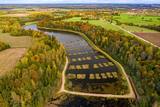 |
Volzbahs ir stāva nogāze ar elpu aizraujošu skatu pāri gravai. Ziemā šeit pieejams vairāk nekā 100 m garš nobrauciens ar slēpēm, sniega dēli vai ragaviņām. Citos gadalaikos Volzbaha kalns ir lieliska atpūtas vieta- šeit ir labiekārtota vieta piknikam, pastaigām, foto sesijām. Rudenī Volzbaha kalns ir viena no labākajām vietām Vaiņodes novadā, kur vērot krāšņos rudens skatus. Volzbahs atrodas 2 km no Vaiņodes centra ZR virzienā. Kalnam ērti var piebraukt klāt ar automašīnām. Adrese: Vaiņodes pagasts, Dienvidkurzemes novads, LV-3435 Facebook: facebook.com/biedribavolzbahs Twitter: Volzbahs |
|
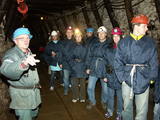 |
Gas mixture is the main raw material for Estonia’s energy and chemical industries, and it is extracted in our day from open quarries or underground shafts. This layer was established during the Ordovician Period between 450 and 480 million years ago, and it is made up of the remnants of plants and animals from that age. In the Kohtla-Nõmme suburb, there is a shaft which can be toured in the company of a guide who will tell you that this is the only layer of its kind in the Baltic States. He will tell you about how the gas mixture has been extracted over the course of history.
|
|
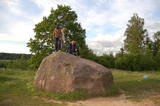 |
The rock is not too big (2.1 m high, 15 m in circumference), but since the early 20th century it has been a popular tourist destination. There is a lovely view of the
|
|
 12 Tagen
|
Diese Tour bietet auch einige authentische Erfahrungen in der Region der Blauen Seen in Ostlettland und Ostlitauen. Diese Region kennt noch kein Massentourismus, hier können Sie sehr freundliche und herzliche Menschen treffen, traditionelle Dörfer, viele Kirchen und Kultstätten besichtigen, die Heidentum, römischen Katholizismus, Luthertum, russisch orthodoxen Glauben und Altgläubige zusammenbringen. |
|
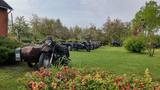 |
SIA “North Latgallian Firewood” darbības pamatnozare ir mežsaimniecība un kokmateriālu sagatavošana - uzņēmumā nodarbojas ar malkas sagatavošanu un tirdzniecību, kā arī piedāvā malkas gabalošanu un skaldīšanu izbraukumā pie klienta. Uzņēmuma piedāvātie pakalpojumi – malkas sagatavošana, malkas tirdzniecība lielos apjomos, kokmateriālu sagatavošanas pakalpojumi. Brīvajā laikā uzņēmuma īpašnieks restaurē senus motociklus un ir izveidojis plašu retro motociklu un senlietu kolekciju. |
|
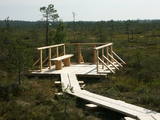 |
At the end of a wooden footpath in the Planči swamp is a viewing area and place for leisure. This is the place where you can enjoy landscapes of the high-type swamp and breathe the unusual air of the swamp. This is the only outdoor infrastructure object in Latvia with information posted in Braille. It is in the ZBR.
|
|
 |
Viens no lielākajiem cilvēka veidotajiem Latvijasparkiem (70 ha), kas izstiepies no Liepājas ostas līdz Dienvidu fortam > 3 km garumā. Tā izveidi uzsāka jau 1870. g. pēc pilsētas mēra K. Ūliha iniciatīvas, uzbūvējot kūrmāju un strūklaku. 19. - 20. gs. mijā ap Dzintaru un Liepu ielām parādījās greznu villu un savrupmāju apbūve. Viena no skaistākajām ir jūgendstilā celtā savrupmāja Liepu ielā 27, kurā atrodas Krievijas ģenerālkonsultāts. Ēkai ir slēgta uzeja, balkoni, pildrežģa konstrukcijas un kārniņu jumts (arhitekti G. Jenike un P. M. Berči). Jūrmalas parks visās sezonās ir iecienīta pastaigu un dažādu aktivitāšu norises vieta. Te meklējams stadions „Daugava”, tenisa korti, koncertestrāde “Pūt, vējiņi!”, vasaras kafejnīcas, minigolfa laukums, bērnu rotaļu laukums, skeitparks. Šeit meklējamas lielākās Latvijas bungas – vides dizaina objekts. |
|
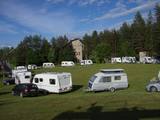 |
In the summer season we offer trips by raft and boats, camps for children, an area for organizing events, camping for the night. In the winter season "Baili" has a ski center - downhill ski tracks, ski and snowboard equipment rental, instructor services. Catering offer in a cafe. |
|
 |
Das Café befindet sich im Zentrum von Jelgava. Hier werden frische Brötchen, Kuchen, Kringel, Blechkuchen, Piroggen und Gebäcke gebacken. Das Café arbeitet mit lokalen Produzenten zusammen. Lettische Küche: Speckpiroggen, Kartoffelpfannkuchen, Gersten-Kartoffelpüree mit Specksoße, Himmelsbrei mit Milch. Während der Wintersonnenwende: graue Erbsen mit Speck. Das besondere Gericht: Segel des Herzogs: im Ofen gebackener Schweinefleisch mit karamellisiertem Sauerkraut, gebackenem Gemüse und Wurzeln, Preiselbeerpüree und Meerrettich. |
|


