
| No | Name | Description |
|---|---|---|
 |
Sabile ciders are crafted from natural apple juice using traditional cider-making methods. Our Story Apples Ciders For Visitors Where to Buy |
|
 |
In 2015 owners of ''Zeltlejas'' started to develop the first sea buckthorn plantations, but in 2018 the area where the sea buckthorn is grown for berry extraction was 24 hectares. Only one breed of sea buckthorn trees with high oil and carotenoid content is grown in the garden. But strawberries are grown in the greenhouses, that's why they are ripen already in the spring. Various events on different topics like healthy eating, cooking, gardening are also organized. |
|
 |
Open-air functional exhibition of medicinal plants introduces you to a “green pharmacy”. There are more than 300 different plants. Every healthy lifestyle enthusiast can find the secrets of fitotherapy and learn how to use the plants in many different ways – making sauna besoms, aromatic pillows, healthy teas, bath scrubs etc. |
|
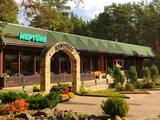 |
The restaurant is on the seaside and in the Ķemeri National Park. It is one of the oldest restaurants in Jūrmala and features a teahouse and outdoor terrace during the summer. In only 44 km distance from Riga you can enjoy sea air, pine soughing and great meal. In the restaurent chefs use quality local products. The menu changes every season. |
|
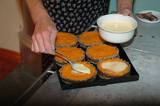 |
The farm is located in the north-west of Latvia, which was historically inhabited by Livonians and, nowadays, is often called the Livonian coast. Farm is one of the first homes in Kolka, 1.2 km from Kolkasrags, the furthest northern point of Courland separating the Baltic Sea from the Gulf of Riga. The owner of the farm demonstrates the way in which the traditional Northern Kurzeme dessert that is a carrot bun and is known as a "sklandrausis" is prepared. Sklandrausis is registered in the EU food quality scheme as a product with traditional speciality guaranteed. Hikers can take a tour to see the industrial history of Kolka, complete with theatrical elements and tasting of Latvia’s best sprats. Latvian cuisine: Porridge with fried onions and meat, kefir, herbal teas. Special foods: Carrot buns. |
|
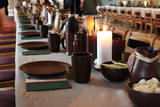 |
Meals are served in the ancient dining room of the knights under the vaulted ceiling, with candlelight and medieval music. Use wooden spoons or your hands to enjoy the same kind of feast that was enjoyed in the past by barons, monks and servants. Latvian cuisine: Lentil soup with meatballs, beer soup, apple soup with raisins, peas with hemp, potted sautéed meat with caraway seeds, chanterelles in cream sauce, hunter’s sausage with cabbage, roast loin of pork, blood sausage, roast leg of duck with lingonberry sauce, stream trout, homemade cottage cheese with strawberries, plum dessert with whipped cream. Special foods: “Castle Walls with Guards”: Beer-roasted pork ribs with sauerkraut. |
|
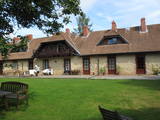 |
Located in Kārļi, the guesthouse is in a building that used to serve as the servant’s home for the former noble estate. It mostly uses local ingredients and only prepares meals on the basis of individual orders that are filed in advance. Latvian cuisine: Roast meats, apple bread, homemade ice cream, bread soup, cranberry fool, wild mushroom sauce, homemade wine. Special foods: Trout from the Kārļi stream. |
|
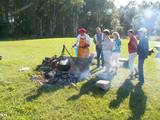 |
The venue is located in the forest, with a set of ponds that very much bring the landscape back to life. It offers Latvian dishes and culinary seminars for those who are interested. Some dishes are cooked on large pans on a campfire or smoked or grilled. Latvian cuisine: Hot or cold tomato soup, salmon in a honey marinade, honey buns (baked on a campfire), various pancakes, country torte from biological and local ingredients. Special foods: Whipped rye flour dessert. |
|
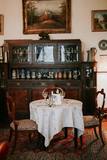 |
Ēdole Castle is a unique historical building, as it is the only castle of the Bishopric of Courland that is still inhabited. The “Pilskrogs” café of Ēdole Castle offers a variety of original dishes, giving preference to ingredients purchased from local farmers and producers, as well as mushroom and berry pickers during the season. |
|
 |
You can go mushroom hunting and learn about our mushrooms and places where they grow. The lady of the house will teach you secrets about cooking and preserving mushrooms. During the spring, you can help to gather morels. |
|
 |
A wooden cottage with a sauna, leisure facilities, a bedroom, a picnic area and a terrace alongside a pond in which you can go swimming. Skiing on Žagarkalns Hill. See accommodation Nr. 41. |
|
 |
The Tērvete brewery produces not only beer, but also the thirst-quenching and refreshing kvass drink made from rye malt extract. The brewery was built in 1971. Over time, it has developed and become a modern factory of natural beverages of a high quality. The produce can be purchased on-site. |
|
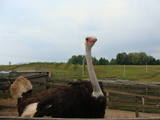 |
Here you will find African ostriches, a South American rhea, an Australian emu, pearl hens, pheasants and peacocks. You can purchase ostrich and other eggs, as well as souvenirs made of eggs and feathers. |
|
 |
Welcome to our ceramics workshop, where we’ll be happy to tell you all about the miraculous transformations that occur in the world of ceramics. We offer creative activities in shaping, spinning, sgraffito, a master class in rolled dishes, a common dish with handprints, fish scale vases or bowls, casting your hand in gypsum, and a chance to meet the family of horses that we have. The gallery offers dishware for wholesale prices. |
|
 |
About 20 minutes by car from Sigulda, this is a venue that offers you a chance to go fishing in a pond that covers 3 ha and offers every opportunity for relaxation. You can rent a boat, and during the winter you can go ice fishing. Next to the pond is a two-story house with a kitchen and an opportunity to spend the night as long as you bring your own mattress. There are three rooms on the lower and three on the higher floor of the building. Next to the house is a lean-to, and there is a pergola not far from the pond. The More War Museum is a bit more than half a kilometre away. Also nearby is the Safari Park. |
|
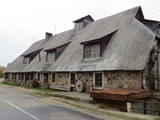 |
This water mill dates back to the 1920s and was restored in 1992. You can view the historical mechanisms and learn about the grinding process. The Cope Cafeteria offers pancakes made of the locally ground flour and filled with mushrooms, cheese, vegetables, meat, honey, sweet cream, cottage cheese, ice cream or caramel. |
|
 |
The peony garden "Silezeru peonijas" is located in a scenic place in Valmiera region, Kocēni parish. Currently, about 800 different varieties grow in the garden - from very early flowering peonies, daisies, intersection peonies to shrub peonies. The first three varieties of peonies were purchased in 2015. The gardening of the peony collection began with them. The new varieties were gradually purchased first from peony collectors known in Latvia, and then from foreign kennels in England, the Netherlands, Germany, Austria, Belgium, France, Italy, Sweden and Poland. The owner organizes excursions and introduces the flower of love - peony, but you need to call in advance. |
|
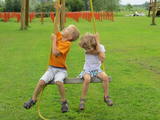 |
The farm grows grains and raps, and organises informational seminars and tours for children and adults. There is a collection of antique tools and dairy processing equipment which can be put to use. An attraction park is available to one and all.
|
|
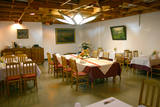 |
The restaurant is situated in the motel Brencis on the 38th km of Riga-Bauska highway. |
|
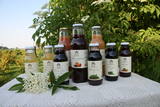 |
The Blankenfelde Estate is a cultural monument of national importance. The name of the estate was first recorded in 1462 when the Master of the Livonian Order rents the lands between the Svēte and Platone rivers to Claus von Medeheym (Medem). In 1561/62 during the age of the Duchy of Courland it becomes a private Estate, and is owned by von Medem family for nearly three centuries. The next owners are von Buttlar, von Manteuffel-Szoege, von Koenigsfels and von Hahn families. The Blankenfelde Estate buildings were erected in 1740-ies. Ther rooms in the main house are aligned in enfilades, decorated with Baroque interior elements. There is a typical vaulted cellar. The master’s house differs from the servants‘ quarters with its mezzanine along the building’s central axis and the second dloor. During the 19th century verandas are added supported by columns, and the building acquires the traits of Classicism. In 1924 – 1970 the estate serves as a home for elderly. During Soviet time, seasonal labour is accommodated in estate’s rooms. Today, the estate is privately owned. The noble looks are restored with renovations of the gatehouse and the gates, the stables, the landscape park. Roses and peonies adorn the estate’s garden. The buildings now contain a hotel, a modern production facility for juices and wines. The former stable houses a collection of bells from all the world’s countries. There are facilities for events with up to 60 participants. |
|


