
| Nr | Name | Beschreibung |
|---|---|---|
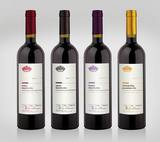 |
This farm grows black currants, blackberries, raspberries, rowans, sea-buckthorn and other berries from which the owner produces homemade wine. The cellar of the castle of the former Order of Kuldīga (with room for up to 25 people) offers tastings of three different wines. Larger groups are welcome to the granary of the Padure Estate. |
|
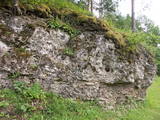 |
Das ist ein Abschnitt des Gauja – Flusses mit Stromschnellen an einigen Stellen. Es erstreckt sich von Vidaga bis zum Ort, wo der Fluss Vecpalsa indie Gauja fließt. Entlang der Gauja und seinen Nebenflüssen kann man Dolomitaufschlüsse an seinen Ufern sehen, die größten sind die Randati – Klippen. Das Territorium wurde vor allem eingerichtet, um die verschiedenen Arten an Wald, Wiesen, Aufschlüssen und ihre Habitate zu schützen. Das ist ein interessanter Abschnitt des zentralen Teils der Gauja, vor allem für Leute, die die schöne Landschaft genießen möchten und für Wassertouristen.
|
|
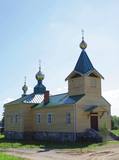 |
Tiskādi Orthodox Church is the cultural monument of the local significance. The construction works of the building lasted from 1829 to 1878. The
church was reconstructed in 2008. The church has antique icons and the library
of sacred literature.
|
|
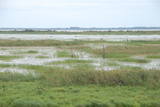 |
The Lake Lubāns, wetland of Lubāns. Lubāns (80.7 km2) is the largest lake in Latvia and the most popular
lake and wetland in Europe. The lake and the wetland has biodiversity; a unique place not only in Latvia,
but also internationally. Nature Reserve is included in the European Union network of protected areas and
NATURA 2000 under the Ramsar Convention criteria as the wetland of international importance. Lubāns wetland,
called marshy meadows, includes bogs, wet meadows and wet forests. In autumn and spring the lake
attracts thousands of migratory waterfowl which is easily to wach from the bird observation towers or the terrace
of water tourism development center.
|
|
 |
Relatīvi grūti pieejama un cilvēka mazskarta teritorija kūdrā izstrādātajā Cenas tīreļa ziemeļaustrumu daļā, kur saglabājušies augstā purva biotopi ar purva ezeriem, kas kopumā veido nozīmīgu vietu ligzdojošām un migrējošām zosveidīgo, tārtiņveidīgo u.c. putnu sugām. Teritorija nav piemērota (un nav vēlams) tūrisma aktivitātēm.
|
|
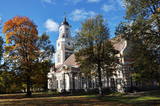 |
Die Kirche wurde in der Zeit des Barons Otto Hermann von Vietinghoff von 1781 bis 1788 nach dem Projekt des Architekten Christoph Haberland im Stil des Klassizismus mit barockalen Stilelementen und einem bunten Mosaik aus Feinsplitt an der Fassade des Gebäudes gebaut. Die Kirchenorgel wurde 1855 von Augusts Martins eingerichtet. Die Kirchenglocke wurde während des Ersten Weltkriegs nach Russland gebracht und anstelle dieser Glocke wurde eine 1530 gegossene Glocke aufgehängt. Das Altarbild (der Autor ist unbekannt) “Die Taufe Jesu” ist 2000 erneuert worden. In der Mitte des 19. Jahrhunderts waren in der Gemeinde von Alūksne viele Esten, deswegen wurden die Gottesdienste auch auf Estnisch gehalten. Die Wiederaufbauarbeiten der Kirche wurden 1934 unter der Leitung vom Architekten P. Kampe geführt. Zurzeit ist ein festes Gebäude mit einem 55,5 m hohen Turm eine der Dominanten der Stadt. |
|
 |
Das Café befindet sich im Zentrum von Jelgava. Hier werden frische Brötchen, Kuchen, Kringel, Blechkuchen, Piroggen und Gebäcke gebacken. Das Café arbeitet mit lokalen Produzenten zusammen. Lettische Küche: Speckpiroggen, Kartoffelpfannkuchen, Gersten-Kartoffelpüree mit Specksoße, Himmelsbrei mit Milch. Während der Wintersonnenwende: graue Erbsen mit Speck. Das besondere Gericht: Segel des Herzogs: im Ofen gebackener Schweinefleisch mit karamellisiertem Sauerkraut, gebackenem Gemüse und Wurzeln, Preiselbeerpüree und Meerrettich. |
|
 |
Dieses Gebiet wurde errichtet, um die kulturellen und Seelandschaften des zentralen Bereiches des Vizemer Hochlandes mit den Seen Alauksts, Inesis, Tauns, etc. und mit ihren Arten und Biotopen zu schützen. In diesem Territorium sind viele wichtige Kulturobjekte – in Vecpiebalga die lutherische Kirche, die Schloßruinen, der Gutshof, sowie die Orte, wo verschiedene bedeutende Personen des lettischen Kulturlebens gelebt und gearbeitet haben. Museen wurden eingerichtet, um ihrer zu gedenken. Die Seen sind großartig zum Angeln geeignet und Skilaufwettbewerbe werden traditionell im Seengebiet von Alauksts im Winter organisiert. Das Sproģi Naturreservat wurde auf den Inseln und Halbinseln des Sees Inesis eingerichtet.
|
|
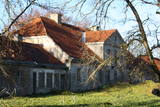 |
Matsalu muiža pirmoreiz vēsturiskajos avotos ir minēta 1560. g., kad tā ietilpa Lihulas bīskapijas sastāvā. Tagad redzamās ēkas ir celtas laikā no 18. gs. otrās puses līdz 20. gs. sākumam. Pagājušā gadsimta sešdesmitajos gados te plānoja izveidot Matsalu rezervāta centru, taču „veiksmīgā loze” tika netālu esošajai Penijē muižai (sk. iepriekš). Mūsdienās muižas pils, citas ēkas un parks (tajā dīķis ar salu) atrodas kritiskā stāvoklī. Taču kā nozīmīgu vēstures liecinieku arī šo muižu var iekļaut apskatāmo objektu sarakstā. Muižas komplekss atrodas pa ceļam uz Kēmu (Keemu) putnu vērošanas torni. |
|
 |
Dieser Ort befindet sich am nordöstlichen Ufer des Sees Razna. Die Wirtin bietet lettgallische Gerichte, interaktive Lehrveranstaltungen für die Erkundung der Umwelt und Dienstleistungen des Reiseleiters an. Lettische Küche: Gerichte aus Süßwasserfischen: Geräucherte Fische, Schleien in Sauerrahmsoße, im Öl gebratene Barschen, im Ofen gebackene Brachse, gefüllter Hecht und andere Gerichte, die aus lokalen Produkten vorbereitet werden. Das besondere Gericht: Auf offenem Feuer gekochte Suppe aus den Fischen aus dem See Razna. |
|
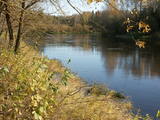 |
Teritorija, kas aptuveni 20 km garumā „piekļāvusies” abiem Aiviekstes upes krastiem. Dabas parka galvenā vērtība ir palieņu pļavas (un citi pļavu biotopi), kas ir ļoti nozīmīga daudzu augu un dzīvnieku (īpaši – putnu) sugu dzīves vieta. Ūdenstūristiem, kas laivo pa Aivieksti, nakšņošana ir jāplāno tikai šim mērķim paredzētās vietās!
|
|
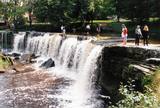 |
This is one of the loveliest waterfalls in Estonia – up to 6 m in height and 50 m in width. Recommended: The rapid Keila River has carved a cliffy canyon behind the waterfall, with a flow of water that falls down a major distance. It’s worth hiking through the Keila park to the shore of the Bay of Finland (~1 km), then returning along the other bank of the river.
|
|
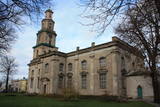 |
Находитсянаул. Лиела, д. 9. Храм строился в 1742 – 1758 гг. (проект Я.К. Дорна) для нужд немецкого прихода. Строительство 55-метровой башни закончилось в 1866 году. Фасад церкви и интерьер выполнены в стиле позднего барокко с чертами классицизма (в интерьере – роскошные элементы стиля рококо). Церковь славится органом, который построен в период с 1773 - 1780 года (Х.А.Конциус). После перестройки в 1885 году инструмент имеет >7000 труб, 131 регистр и 4 мануала, и номинирован как крупнейший в мире механический орган. Осмотр храма, органа и колокольни. Этот и остальные объекты Лиепаи или их части находятся вВецлиепае (Старой Лиепае), которая является интересным памятником градостроительства XVII – XIX веков. Познакомиться с ним можно, пройдя по пешеходному маршруту «Лиепая – как по нотам», который в природе обозначен нотными символами на брусчатке города. |
|
 |
В восстановленном деревянном домике можно наблюдать и участвовать в работе ткачих, которые из натуральных материалов делают красивые сувениры и пригодные в домашнем быту вещи. Можно осмотреть 9 станков, послушать рассказ о процессе ткачества. Ткут платки и красят их натуральными красителями. |
|
 |
Pokaiņu mežs atrodas 13 kilometru attālumā no Dobeles, braucot Īles virzienā. Tas, izvietojies uz stāviem pauguriem un dziļām ielejām, veido neparasti gleznainu ainavu. Mežā grupās, kaudzēs, akmens upēs un valnīšos, atrodas slavenie Pokaiņu akmeņu krāvumi. Krāvumi daudziem cilvēkiem liek sajust savdabīgus enerģijas strāvojumus - vieni redz vīzijas, bet citi – uztver informācijas plūsmu. Takas ved pa pagurainu apvidu.
|
|
|
|
Iespaidīga smilšakmens atsegumu virkne, kas
izveidojās pēc 2005. g. orkāna.
|
|
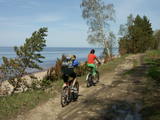 |
The largest NATURA 2000 territory in Latvia covers 6% of the country’s area. It is located in parts of the Limbaži, Valmiera and Valka districts, and it is a place of an enormously diverse range of landscapes, biotopes and species. The Salaca River is one of the most important rivers in the entire Baltic Sea region in terms of spawning grounds for salmon. The river valley and its sandstone cliffs attract many visitors. It is no accident that this is the second most popular river in Vidzeme for water tourism. The shore of the Bay of Rīga, which is not very long, also features a great diversity in landscapes and biotopes. At the northern end, we find the Randu meadows. In the central part there are sandy beaches, but at the southern end – 22 kilometres of rocky shoreline. The so-called Northern swamps are found on the border with Estonia, while the Seda heath is one of the most important places in the region for birds to rest and feed during migration. The reserve also features a diverse forest in which one can find all of the types of forest which are common in Latvia. Nature trails and viewing towers or platforms are found in the Randu meadows, on the banks of Lake Burtnieks, along the Planči and Niedrāji-Pilka swamps, on the banks of Lake Dziļezers and Lake Lielezers, and elsewhere. The Skaņākalns park in Mazsalaca is one of the most popular tourist destinations in Northern Vidzeme. The territory boasts many important cultural monuments, including one of the earliest known settlements in Latvia – a fishing settlement and burial ground which date back to the 5th to the 2nd millennium BC.
|
|
 |
Гостеприимное кафе и кондитерская в самом центре Сигулды. В предложении – салаты, супы и другие горячие блюда, булочки и пирожные. |
|
 |
Гриль-бар и ресторан. Позитивная и неспешная атмосфера. Ресторан для семейного отдыха с игровым уголком и специальными блюдами для детей. При создании меню шеф-повар выбирает в основном латвийские продукты. |
|
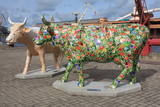 |
Ближайший к берегу ливов город, в котором действует Вентспилсское отделение Сообщества ливов, ансамбль ливов «Рандалист» («Rāndalist»), а в соседнем Таргале – ансамбли ливов «Кандла» («Kāndla») и «Пишки кандла» («Piški kāndla»). |
|


