
| Nr | Name | Beschreibung |
|---|---|---|
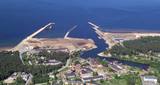 |
In the 19th century at the seaside of Skulte, a small village formed, which was inhabited by fishermen. The name “Zvejniekciems” (Fishermen’s village) arose from the population's main activity. In 1967 the Skulte part of Zvejniekciems was added to the Saulkrasti township. Nowadays Zvejniekciems is the home of Skulte Port, and the rocky beach of Zvejniekciems is located between the port and Saulkrasti Beach, while the village itself can be proud of the creative heritage left by the architect Marta Staņa (1913–1972). |
|
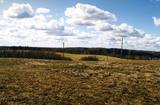 |
No ģeogrāfiskā un kultūrvēsturiskā viedokļa interesanta teritorija Latgales augstienes Rāznavas paugurainē, kuras nozīmīgākie resursi ir dažāda veida biotopi, ainavas, reljefs un Šķaunes ezers. Istras pauguraines dabas parkā nav ar tūrismu saistīti labiekārtojumi, bet šo teritoriju var apskatīt arī „no malas”, braucot pa grantēto ceļu no Soboļinas uz Osinovku, kas iet līdztekus parka ziemeļu robežai (skats uz Šķaunes ezeru).
|
|
 |
Das Café befindet sich im Zentrum von Gaigalava, in dem ehemaligen Verwaltungsgebäude der Kolchose. Für die Vorbereitung der Speisen werden Produkte aus dem eigenen Hof und aus anderen Höfen verwendet. Lettische Küche: Bohnensuppe mit Graupen, Sauerkrautsuppe, Erbsensuppe, Suppe aus den Blättern der roten Beete, Ampfersuppe, Fischsuppe aus Schleien oder Karpfen, gebratene Rippen, Braten, falscher Hase, im Ofen gebackener Karpfen, getrocknete Fische, Quarkcreme mit Kompott, gebackene Äpfel mit Vanillesoße, geflochtene Rouladen, getrocknete Früchte und kandierte Quitten. Das besondere Gericht: Bohnenpfannkuchen. |
|
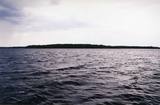 |
Das ist Lettlands ältestes Naturreservat und, in der Tat, das älteste geschützte Gebiet des Landes. Moriscala ist eine Insel im See Usma, der der fünftgrößte See in Lettland ist. Das Reservat wurde 1912 auf Initiative einer Gruppe von Naturstudenten von Riga begründet. Sie wollten den Eichenlaubwald auf der Insel schützen und zugleich die örtliche Flora und Fauna. Das Naturreservat schließt auch die Insel Lielalksnīte ein. Besuche des Reservats sind jedoch streng verboten.
|
|
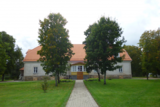 |
Das Herrenhaus in Ance wurde als Geschenk des Vaters an seinen Sohn Ulrich Johann von Baehr errichtet. Neben dem Herrenhaus wurde ein prächtiger französischer Garten angelegt. Nach 1766 wurde das Gebäude umgebaut und prunkvoll dekoriert. Zu Beginn des 19. Jahrhunderts wurden französische Truppen in dem Gut einquartiert und das Herrenhaus geplündert. Einige Zeit später wurde die zweite Etage abgerissen und nach langer Reparatur wurde das Gebäude umgewidmet als Wohnhaus für den Gemeindevorsteher und weitere Beamte. 1920 wurde der Gutshof Ance verstaatlicht. |
|
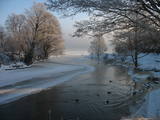 |
The Slocene River flows through Lake Valgums and Lake Mazezers before flowing into the western part of Lake Kaņieris. It is part of a branched and swampy delta in which there are seasonal restrictions aimed at protecting birds. The wetlands which are alongside the river are difficult to access in many places. Before the Starpiņupīte was dug between Lake Kaņieris and the Bay of Rīga (the water level is regulated with sluices), the water from the river flowed along what is now the Vecslocene River all the way to Sloka, where it ended at the Lielupe River. The Vecslocene can be used by canoe boats only when the water level is high and then from the Old Ķemeri road to the place where the river enters the Lielupe. Between Milzkalne and Lake Valgums, the river is not navigable because of many fallen trees. During the springtime, the estuary of the Starpiņupīte is a good place for bird watching. |
|
 |
Популярный ресторан и бар расположен в длинном подвальном помещении средневекового деревянного здания в старой части Лиепаи. В меню – стейки, фаршированное свиное филе, кебабы из баранины, местная рыба, картофель, приготовленный разными способами. |
|
 |
На Наукшенской винодельне с 2012 году делают вино, сидр и игристые вина. Фрукты и ягоды выращивают тут же, в Наукшенах, в биологическом сертифицированном саду ‒ Райском яблоневом саду. Предлагается экскурсия на производство и дегустация. |
|
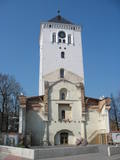 |
Наиболее значимый для города период связан с периодом с1561 по 1795 гг., когда Елгавский край входил в состав Курземского и Земгальского герцогства. Как только Елгава получила статус резиденции герцога (1567 г.) и столицы герцогства (1616 г.), началось быстрое развитие города, которое достигло наивысшей точки во времена правления герцога Екаба. Во время правления двух последних Курземских герцогов – Эрнста Иоганна Бирона и его сына Петра учреждается (1775 г.) Академия Петра (Academia Petrina) - первый Латвийский университет, в 1816 году создается Курземское Литературное и художественное общество, в 1822 г. выходит в свет первая газета на латышском языке «Латвиешу Авизес» («Латышские Газеты»), в 1802 г. строится первое здание театра в Латвии, а в 1898 г. – первое предусмотренное для музея здание. В 1937 г. в Елгавском замке размещается Латвийская Сельскохозяйственная камера, а через два года открывается Елгавская Сельскохозяйственная академия. Летом 1944 года погибает почти вся историческая застройка города и художественные ценности. По окончании Второй мировой войны Елгаву восстановили. Не так давно восстановлена башня церкви Святой Троицы, в которой в настоящее время создан один из лучших интерактивных музеев Латвии (очень дружественный по отношению к семьям с детьми). |
|
 |
Корчма находится в историческом центре Лимбажи, на площади Карля Блайманя. Латышская кухня: Холодный суп, жареная треска или камбала, мясной – грибной горшочек, блины с начинкой, слойка из черного хлеба, клубничный суп. Особое блюдо: «Свадебный карбонад» (из свинины). |
|
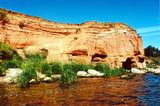 |
This is one of the few places in the Baltic States where one can find Devonian period sandstone cliffs featuring abrasion caves, arches, etc. The cliffs are on the shores of Lake Peipsi (Peipsi järv), near Kallaste, and they are between two and four (in some cases – nine) metres high, stretching for a distance of around one km.
|
|
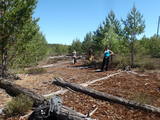 |
Болото Бажу – самое большое болото в Слитерском национальном парке –
зона строгого режима, нахождение в которой запрещено.
|
|
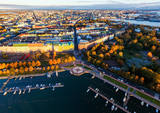 |
Helsinki is the capital of Finland and the biggest city in Finland. It offers a lot to see as it is seaside city surrounded by islands but city itself is full of wonderful parks. This city has everything to attract all kinds of people - from architecture and culture to nature and even has wide range of places where to enjoy night-time Helsinki. |
|
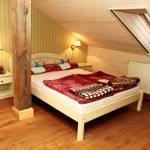 |
Усадьба расположена на месте бывшего поместья в Сянойи Гягужине на берегу реки Нерис. Посетителей приглашают полюбоваться ландшафтом, плавая по реке Нерис или катаясь на велосипедах. |
|
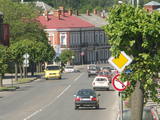 |
«Сердце Латгалии», где в XIV - XII вв. поднялся укрепленный латгальский замок. На месте латгальского замка в 1285 году Ливонский орден приступил к строительству каменного замка. После крушения Ливонии (Резекне вошел в составе Польши) город находился в запущении. Экономическая жизнь в Резекне возобновилась во второй половине XVIII столетия. Со строительством шоссе Санкт-Петербург – Варшава (1836 г.) и железнодорожной ветки Санкт-Петербург – Варшава (1861 г.) Резекне становится пунктом назначения отдыхающих из Санкт-Петербурга. В годы Второй мировой войны существенно пострадала большая часть построек города. Современный город – это важный экономический и культурный центр Латгалии. |
|
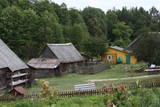 |
Grūti iedomāties, ka vēl joprojām Eiropā ir apdzīvotas vietas, kuru sasniegšanai ir labu laika sprīdi jābrauc pa neapdzīvotu mežu ieskautu smilšainu ceļu, kur tikai paretam var redzēt kādu sēņotāju vai ogotāju! Tāpat kā Zervinos ciemam, arī šim ir piešķirts kultūras mantojuma pieminekļa statuss, jo Linežeris ir viens no dažiem nacionālā parka etnogrāfiskajiem ciemiem. Linežerī ir aplūkojamas 19. – 20. gs. mijā celtās ēkas un apskatāms tā laika ciema plānojums. Šejieniešu tāpat kā citu dzūku galvenā nodarbošanās bija mežistrāde un meža velšu vākšana. Nelielā mērā – arī lauksaimniecība. Apceļojot nacionālā parka etnogrāfiskos ciemus, rodas pamatots jautājums: „Ar ko mūsdienās te nodarbojas cilvēki. Kā viņi spēj dzīvot tik nomaļā vietā”? Jāatzīst, ka lielākā daļa te ierodas tikai vasaras laikā. Neskatoties uz to, etnogrāfiskie ciemi ir ļoti sakopti un joprojām „dzīvi”! |
|
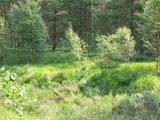 |
The word grīnis in Latvian refers to a very unusual type of forest – pine trees growing on sandy soil. There are two types of this environment – the heather type and the grass type. This is the result of long-lasting interaction between nature and humankind, and such sites are found in just a few places along the shores of the Baltic Sea in Latvia. A very rare plant which grows in the area – cross-leaved heath – was the main reason why a nature reserve was established here in 1936. An abandoned former rail line between Ventspils and Liepāja crosses the reserve from the North to the South. Visits to the reserve are strictly prohibited. |
|
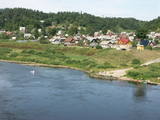 |
An all-encompassing view of the urban environment next to the Daugava River valley is offered at the car park which is at the start of Augusta Street on the boundary of Krāslava. The unique wooden buildings of the area (the Kaplava Street region) can also be seen on the bridge which crosses the Daugava. Climb Karņickis Hill and hike through the park of the Plāters family of nobles. From there, you will see more local scenes.
|
|
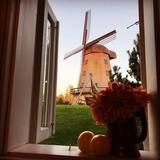 |
During a tour you will be served homemade bread, cheese, meat and beer. You will visit an ancient garden with an alley of linden trees and a park of deer and mouflons. Children will love to pet the geese, rabbits and donkey. |
|
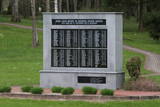 |
Во время Второй мировой войны, в конце сентября 1944 года в Море завершилось одно из кровопролитных и жестоких сражений на территории Латвии, безжалостнее которого была только ликвидация Курземского котла. В битве при Море сражавшиеся на немецкой стороне латышские легионеры задержали прорыв Красной армии к Риге и предотвратили окружение военных сил 18 немецкой армии. Исход битвы был важен для гражданских жителей (> 100 000), которые могли и успели в качестве беженцев спастись от последующих репрессий. Ежегодно в сентябре месяце в парке проходят мероприятия, посвященные памяти сражений, которые собирают очевидцев и сочувствующих тех событий. Здесь открыта мемориальная плита с высеченными известными именами павших в сражении при Море легионеров и установлен высеченный в камне крест – в знак памяти павшим неизвестным бойцам. В 2 км на восток от парка создан музей, где установлен танк Советской армии.
|
|


