
| Nr | Name | Beschreibung |
|---|---|---|
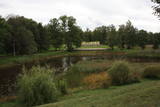 |
Dundagas pili ieskauj parks, kura pirmsākumi ir meklējami jau 17. gs. Tam cauri tek Pāces upīte, kuras uzdambējums veido Dundagas dīķi. Tajā atrodas senatnē (vēl pirms pils būvniecības) mākslīgi veidota sala - Kalnadārza pilskalns. Tam iepretim (dīķa austrumu krastā) atrodas Dundagas pilskalns. Parkā joprojām zaļo (daži lielākie zari ir nolūzuši) t.s. “Rubļa ozols”, kura attēls bija uz 1919. g. izdotās Latvijas simts rubļu naudaszīmes. Parkā uzcelta estrāde. |
|
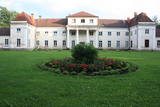 |
The Varakļāni Estate has a mansion which is known as one of the most outstanding monuments to Classicism in Latgale. It was built between 1783 and 1789 and designed by the Italian architect Vincento Macotti, and it was owned by Earl Michael Johan Borch. Late in the 18th century, the same architect designed the estate’s lovely and romantic landscape park, which was one of the first parks of its kind in Latvia. The Varakļāni Administrative District Museum is housed in the mansion today. |
|
 |
Ģimenes uzņēmumā “Burka un ledus” audzē un pārstrādā asos piparus. Apmeklētājiem piedāvā degustācijas un ekskursiju pa ražotni. |
|
 |
Die Scheune wurde in der zweiten Hälfte des 19. Jh. gebaut. Im Gebäude gibt es eine ständige Ausstellung. Darin kann man sehen, wie auf dem Landgut einst die Bodenbestellung und das Brotbacken erfolgten. Brotbacken auf Bestellung. |
|
 |
This is an area that is full of legend and tale. There is a stiff hillock, which stands about 66 metres above the surrounding land. From its southern side, you can see the Burtnieki lowlands. The tower, however, is not open to the public.
|
|
 |
This is a site where you can try out ancient weapons – bows and crossbows (a reproduction of items from the 14th and 15th century), throwing an axe (replicas of German axes from the 13th century), and spears. Once you’ve learned how to handle those weapons, you can also forge a copy of a Medieval coin. You can try on copies of armoured caps and gloves and have your picture taken with a sword or battle axe. For larger groups, the enterprise will organise ancient sports and table games.
|
|
 |
Saimniecībā "Jauncaunes", Ogres novadā, grupām, kā arī individuāliem apmeklētājiem tiek piedāvāta atpūta brīvā dabā, iepazīstot un izmēģinot metamos ieročus, šaušanu ar dažāda veida lokiem, arbaletiem un pneimatiku. |
|
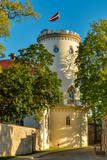 |
Cēsis is in the centre of the Gauja National Park, but it is not part of the park as such. There are many interesting places in Cēsis to visit and examine. The oldest part of the town is of key interest. The origins of Cēsis can be found at Riekstu hill, which is 18 metres high. Between the 11th and 13th century, there was a wooden castle here built by the Vendians. The hill is in the central part of the castle park, and it offers a good view of the park, pond and the ruins of the Cēsis castle, which can be accessed via a long cascade of stairs. The Cēsis castle (see below) was built in the early 13th century as a residence for masters of the Livonian Order, and it was one of the strongest fortresses in the Baltic territories. Alongside it is the New Cēsis castle, which was built in 1777 where the gate fortifications once stood. The Cēsis Museum of History and Art is in the building, alongside which is a visitors centre and the Cēsis Tourism Information Centre. From the tower of the castle, there is a fine view of the castle ruins, St John's Lutheran church and the northern part of the town. Opposite the New Cēsis castle are stables and a wheelhouse (both from the first half of the 19th century). The Cēsis Exhibition Hall is there today. You can look at the exteriors of the granary, the hut for coachmen, and the old brewery. On the other side of the street is the romantic Maija park, which was installed in the 1830s. The park is popular among parents with children, because there is a playground there. From this area, you can walk down some of the old streets of the town – Lielās Katrīnas, Mazās Katrīnas, Mazā Kalēju, Kalēju and Lielā Līvu streets, plus Līvu Square. The wooden buildings along the streets date back to the late 18th and early 19th century. Torņa Street, which weaves its way along the defensive walls of the Medieval castle, offers a look outside the church of a sculpture by Matiass Jansons, "As the Centuries Pass". Legend says that if you rub the lantern carred by the Old Man of Time, you can see the future. One of the most impressive buildings in Cēsis is St John's Lutheran Church, which was built in the late 13th century for the Livonian Order. It is a basilica built in the Roman style and with Gothic elements. The tower, which is 65 m high, was built in 1853. The building was reconstructed several times during the 20th century. Inside the building are grave epitaphs for masters of the Livonian Order and for bishops. The pulpit was installed in 1748, the oak altar followed in 1858, and the altar painting "The Crucified One" dates back to 1862. The stained glass windows around the altar are of great artistic value. The organ was built in 1907 by the E.F. Walker Company, and the instrument is one of the best concert organs in Latvia. A sun clock featuring the year 1744 is at the south-western corner of the church. It is worth climbing the church's tower. At the foot of the building is Rose Square, which began as a market square in the mid-19th century, remained in place until 1927, and was restored in 2008. This is the central square in the town today. During the Medieval Era, there were stockades here, along with the city's well. Rīgas Street has been the main street of the old town from the very beginning, and it is here that you will find the most architecturally outstanding buildings in town from the 18th and 19th centuries. They include the former Cēsis City Hall, the Fābers building, and the Princess building. At one end of the street is Līvu Square, where, during the 13th century, there was a church, a cemetery and a gate in the town walls. Today the square features a lighted fountain which is on the site of a 13th century well known as Lejas Šķimbēgs. At the other end of the street is a reconstruction of the foundations and surface elements of the Rauna gate that was a part of the town walls in the 14th and 15th centuries. The site offers a good idea about Medieval fortifications and the size and mightiness of gates therein. |
|
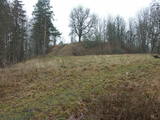 |
The Buse (Matkule) castle hill is near the Imula River. From the castle hill and from the opposite shore of the river, you can find one of the loveliest views of Kurzeme’s small rivers. Their appearance is best when trees and other flora are bare and the view is unimpeded. A wonderful view of the Imula valley is also seen on the road to the castle hill – near the Buse homestead.
|
|
 |
Natürlich angebaute Heilpflanzen, Abende am Feuer, nach besonders auserwählten Rezepten zubereitetes Essen. Im Bauernhof Energia werden Heilpflanzen angebaut, Waren und Dienstleistungen angeboten, die mit den Heilpflanzen und der positiven Energie verbunden sind. |
|
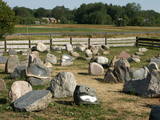 |
The craftsman produces gravestones, commemorative plaques and stone sculptures on the basis of orders from clients. He is prepared to tell you about a stonemason’s work and demonstrate his skills. |
|
 2 Tagen
|
Die sagenhaften Blauen Berge von Šlītere sind schon seit alten Zeiten bekannt, als Seeräuber dort betrügerische Feuer gemacht haben, damit die Seeleute mit ihren Schiffen auf die Sandbänke des Kaps von Kolka fahren. Heute nennt man die Küste des Nationalparks Slītere bildlich als das Freilichtmuseum für Geologie der Ostsee, weil man hier das ehemalige Ufer des Baltischen Eisstausees, des Ancylussees und Dünenbildungen (Kangari, Vigas) besichtigen kann, die deutlich die Entwicklungsgeschichte der Ostsee zeigen. Dieses Gebiet haben früher die Liven bewohnt, deren Fischerdörfer als der Ort der Kultur einer der kleinsten ethischen Gruppe der Welt bedeutend sind. Die Route führt auf der Strecke von Kolka bis Mazirbe auf der alten Küstenstraße, die sich durch die Dörfer der Liven windet. Der Nationalpark Slītere ist eines der pflanzenreichten Gebiete Lettlands, aber das Kap von Kolka – einer der bekanntesten Orte zur Vogelbeobachtung. Route information from Latvijas Lauku forums |
|
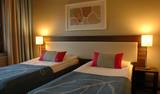 |
Das Spa Hotel Lohja genießt eine wunderschöne Lage in der Nähe des Lohja-Sees, umgeben von friedlicher Natur. Hier können Sie ein Fahrrad und / oder Boot mieten, ins Fitnessstudio gehen, Minigolf spielen, schwimmen und vieles mehr. |
|
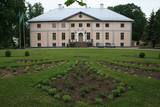 |
Das Landgutsschloss wurde in der Mitte des 18. Jh. als ein Jagdschloss gebaut, gehörte dem Adelsgeschlecht von Medem. Das Eingangsportal des Schlosses (Spätbarock) und das Marmorrelief darüber mit einem Wappen der Allianz der Adelsgeschlechte von Medem und Keizerling sind ein hervorragendes Kunstdenkmal aus dem 18. Jh. |
|
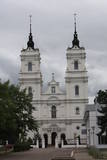 |
Atrodas t.s. Baznīcu kalnā - A. Pumpura ielā 11 a. Varenais neobaroka stilā celtais dievnamu tapis 1905. g. Pastāv viedoklis, ka par šīs baznīcas prototipu izmantotas Aglonas vai Krāslavas bazilikas, kā arī Rietumeiropas baznīcu paraugi. Tās interjeru rotā divstāvīgs altāris, kurā novietota spāņu gleznotāja B. E. Muriljo pazīstamās gleznas “Svētā Dievmāte” kopija. 1909. g. baznīcā uzstādīja poļu meistara Ādolfa Hofmana būvētās ērģeles.No būvniecības laika saglabājusies arī pārējā baznīcas iekārta. |
|
 |
Dieses Schutzgebiet befindet sich an der Ostküste des Ķīšezers – Sees. Hier sind die Habitats von größter Bedeutung – Auen und andere Wiesen, Dünen, das Aquatorium des Ķīšezers – Sees, die Küste, Eichenwälder, Schwarzerlen und andere Bäume und viele riesige Eichenbäume kann man im Schutzgebiet und jenseits seiner Grenze finden. Der Burgberg von Bulduri, der der wichtigste alte Burgberg im Rigaer Gebiet ist, befindet sich am südlichen Ende der Lieupsala – Insel. An der Grenze des Schutzgebietes befindet sich eine Zweigstelle des Lettischen Ethnographischen Freilichtmuseums, die unter “Vārnas” bekannt ist.
|
|
 |
The restaurant-cafe Moka is situated in Estonia, in the city of Tartu, not far from Tartu university and offers a wide variety of foods. |
|
 |
Fortschrittlicher Biohof, an dem etwa 50 Gemüse und Grünpflanzen ökologisch angebaut werden. Die Landwirte verfügen über etwa 10 ha Land, wo Gemüse angebaut wird, das in der Region Biržai traditionell entweder im Freiland oder im Gewächshaus angebaut wird. |
|
 |
In Kännu Alpaca Farm you can see Peruvian alpacas, mammals with beautiful, soft coat which they are known for. While in this farm you can feed alpacas with food provided by the owners and pet them. You can also see goats, sheeps, rabbits and chickens. In the farm shop you can buy souvenirs and also products that are made of alpaca wool. Kännu Alpaca Farm is also suitable for family visits. |
|
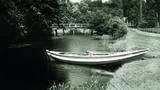 |
The River Ķīšupe (length – 31 km) begins its journey in the marshlands of Lēdurga Parish. As the river reaches the seashore, its bed and the location of its mouth often changes. One of the tributaries of the Ķīšupe carries a rather interesting name – Pupaļurga. The name of the River Ķīšupe probably comes from the name of a man and his house. In the 17th century a man named Ķīsis (in English: ruffe) used to live by the river. |
|


