
| Nr | Name | Beschreibung |
|---|---|---|
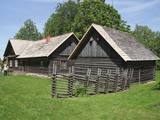 |
The Museum of Francis Trasuns „Kolnasāta”. The museum of the promoter of Latgalian revival,
prominent cultural worker, pastor and politician F. Trasuns (1864 – 1926) was established in his house „Kolnasāta”. There is also an exposition about Jānis Klīdzējs; a collection of old household items. „Kolnasāta”
is the place of many cultural events in Latgale.
Working hours: Mon– Fri : 8.00 - 16.00, Sat., Sunday : on request |
|
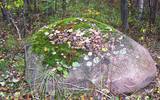 |
The Stone of Āžmugura is a fawn- coloured triangular prism boulder
which recalls the goat's back.
|
|
 5 Tagen
|
Путь пролегает по красивейшему ландшафту Балтии – через Национальные парки Гауя, Лахемаа и Матсалу, Видземскую возвышенность, а также возвышенности Отепя и Пандивере. Также в маршрут включены Мунамегис, Чудское озеро и селения по его берегам, каменистое морское побережье в Северной Эстонии, самые живописные водопады Эстонии, рыбацкие поселки. Вы увидите природные тропы, смотровые вышки и самые великолепные поместья и дворцы. Возможно дополнительно организовать сплав на лодке по рекам Ахья и Выханду. |
|
 |
Pokaiņu mežs atrodas 13 kilometru attālumā no Dobeles, braucot Īles virzienā. Tas, izvietojies uz stāviem pauguriem un dziļām ielejām, veido neparasti gleznainu ainavu. Mežā grupās, kaudzēs, akmens upēs un valnīšos, atrodas slavenie Pokaiņu akmeņu krāvumi. Krāvumi daudziem cilvēkiem liek sajust savdabīgus enerģijas strāvojumus - vieni redz vīzijas, bet citi – uztver informācijas plūsmu. Takas ved pa pagurainu apvidu.
|
|
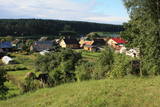 |
Karņicka kalns pēc savas izcelsmes nav kalns, bet gan Daugavas ielejas nogāzes daļa ar labu skatu uz Krāslavas mazstāvu koka apbūvi. Ar šo vietu saistīts traģisks nostāsts par poļu virsnieka Josifa Karņicka un grāfa Plātera meitas mīlestību, kurai nebija lemts piepildīties tā laika „paražu” dēļ. Tā rezultātā abi nelaimīgie nolemj izdarīt pašnāvību. Virsnieks nošaujas, bet Emīliju pēdējā brīdī izglābj kalpone, neļaujot tai izlēkt pa pils logu. J. Karņicka pašnāvības vietā ir uzstādīts piemineklis. Nedaudz tālāk – rietumu virzienā guļ t.s. Austriņa akmens, pie kura 1909. gadā iedvesmojies un radījis latviešu rakstnieks Antons Austriņš. |
|
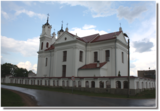 |
Die Kirche befindet sich im Zentrum der kleinenOrtschaft Dviete. Die weiße Gestalt der Kirche ist schon von weitem zu sehen. Die erste Kirche aus Holz wurde hier im Jahr 1775 unter der Leitung des Landgutbesitzers J. K. Wischling gebaut. Später wurde das Gotteshaus abgerissen und in den Friedhof von Zarinki versetzt. Die heutige Gestalt (im Stil Neobarock, mit zwei Türmen) hat die katholische Kirche von Dviete im Jahr 1864 dank der Finanzierung des Grafen Kasimir Plater-Sieberg bekommen. Die Kirche wurde im Ersten Weltkrieg zerstört, darum wurde bis zu ihrem Wiederaufbau und ihrer Einweihung im Jahr 1929 als der Gebetsraum die Kornkammer des Landgutes von Dviete (mit einem Giebeldach) verwendet, die sich am Rand der Straße Dviete – Bebrene befindet und heute erneuert ist. Im Jahr 1940 wurde um die Kirche ein gemauerter Zaun mit einem Ziegeldach, aber in den 1970er Jahren – das Gemeindehaus gebaut. Das Gotteshaus hat eine besonders prachtvolle barocke Innenausstattung, die als die prachtvollste in dem ehemaligen Bezirk von Daugavpils betrachtet wird. |
|
|
|
Biškopības produkti bioloģiskajā saimniecībā, informācija par biškopību un dabas aizsardzību. |
|
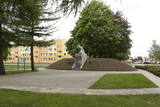 |
Befindet sich im Zentrum der Ortschaft Piņķi, an der Rīgas Straße. Das Denkmal ist den Ereignissen des Jahres 1919 gewidmet, wenn am 22. Mai nach einer fast zweimonatigen Ruheperiode ging die Brigade des Obersten Balodis in die Offensive, um die Hauptstadt Rīga von den Bolschewiken zu befreien. Eine Unterstützung für die Brigade des Obersten Balodis sollten sowohl Deutsche Landeswehr und Eiserne Division als auch Russische Abteilung des Fürsten Lieven geben. Das erste Denkmal wurde vom Präsident der Republik Lettland Kārlis Ulmanis am 23. Mai 1939 eröffnet. Im Jahre 1951 hat die sowjetische Macht das Denkmal vernichtet, aber im Jahre 2003 wurde eine Kopie des Denkmals errichtet (Bildhauer J. Briedis, Kopie von O. Skarainis). |
|
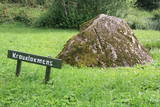 |
Rīgas – Daugavpils šosejas (A 6) malā (vietā, kur no Zemkopības institūta nogriežas ceļš uz Skrīveriem) redzama zema ieplaka ar Kraukļu akmeni, kas ir sena kulta vieta. Pie akmens veikti arheoloģiskie izrakumi, kuru laikā atrastas senlietas. Vecākā ir no 12. gadsimta. Akmens aprakstīts slavenajā Andreja Upīša (1877. – 1970.) darbā „Sūnu ciema zēni”. |
|
 1 Tag
|
Der Waldweg führt vom höchsten Punkt des Haanja-Hochlands hinunter. Der wichtigste Anblick auf dieser Route ist der Suur Munamägi Hügel - 318 m über dem Meeresspiegel. Der höchste Punkt des Baltikums mit seinem Aussichtsturm bietet seinen Besuchern einen herrlichen 50 km langen Blick auf die estnische Natur. Die 150 Jahre alten westlichen Taiga-Fichtenwälder wachsen an den Hängen von Suur-Munamägi. Weiter kreist der Weg um den südlichen Teil des Vaskna-Sees und führt weiter über kleine Landstraßen, die von einsamen Gehöften und kleinen Ansammlungen von Bauernhöfen umgeben sind. Die Route endet in einem kleinen Dorf, Tsiistre, wo sich das Leinenmuseum befindet. Das Museum verfügt über eine Sammlung von Volkswäsche. Flachs ist eine der ältesten Kulturpflanzen in Estland und vor einigen Jahrzehnten waren blaue Flachsfelder in Südestland ein häufiger Anblick. |
|
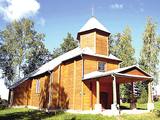 |
St. Anthony Roman Catholic Church of Pilcene (Piļcine) is the oldest wooden church in Latgale, built
in 1670. It is prominent because of its half columns, hexagonal tower, semicircular windows, and a dome
with a cross and antique interior.
|
|
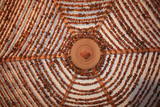 |
Hier kann man verschiedene Handwerker (Bernsteinbearbeiter, Schmiede von Schmuckstücken, Weberinnen, Näherinnen u.a.) bei ihrer Arbeit beobachten, sowie die Arbeiten der Meister kaufen. In diesem Haus ist die längste Bernsteinkette (123 m, 19 kg!) ausgestellt, die aus Bernsteinstücken geschaffen ist, die die Einwohner der Stadt geschenkt haben. Kinder können an kreativen Werkstätten teilnehmen. |
|
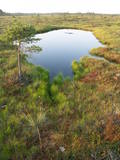 |
This territory was established to protect the rare tree specie in Latvia - common hornbeam, which covers approximately 4% of the territory, but the most visually interesting part of the area is the Tīrspurvs swamp, also known as the Dunika heath. This is where the visitor will find Latvia’s longest and most impressive swamp footpaths, which crosses the area from the North to the South. Visitors will be fascinated by the unique landscape of the central part of the swamp, where in some places there are not even small swamp pine trees. Various habitats will be found – small swamp lakes, mineral islands, marsh pools, etc., and that is to say nothing of all the birds in the area. |
|
 2 days
|
This section of the seacoast of Vidzeme is of outstanding scenic beauty with a lot of rocky capes and boulders in the sea alternating with small, sandy coves where the small streams and rivulets, which dry out in summer, flow into. Occasionally, the beach is completely covered with the gray backs of stones. In Zvejniekciems you need to make a detour around the estuary of the Aģe River and the Skulte port. In some places, small patches of reeds appear, while near Tūja you will see the first sandstone outcrops. Some part of the route can be covered via the beach or via a trail meandering through the dune forest with old pines. At the end of the route, you can see the unique lamprey fishing method - Svētupes nēģu tacis. |
|
 |
Roograhu ostas restorāns atrodas tieši jūras krastā un ir atvērts visu gadu. Sortimentā ir picas, gardas zupas, salāti un pamatēdieni. Roograhu ostas restorāna ēdienkartē netrūkst arī vietējo sezonālo zivju. Ostas ēkā darbojas arī viesu māja un kubla pirts ar skatu uz jūru. |
|
 |
The Gardening Institute is the leading scholarly centre for fruit and vegetable research in Latvia. The institute specialises in selection and introduction of plant cultivars that are suitable for cultivation under the agro-climatic conditions in the Baltic countries, have high nutrition value and are rich in fibre content. |
|
|
|
Labiekārtota (informācijas stendi, atpūtas vietas) un marķēta taka, kas ved apkārt Kokšu ezeru virknei, kurā ietilpst Zāļu, Dziļais un Dibena ezers. Iepazīstami mežu biotopi, dzīvnieki un to darbības pēdas. Iespējami trīs dažādi takas izziešanas varianti: 7 km, 4,5 km, 2,7 km. Maršrutu var braukt ar divriteni. Ietilpst Ziemeļvidzemes biosfēras rezervātā. |
|
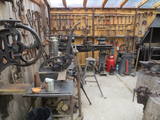 |
Saimniecības zemi, kas atrodas starp Ulbroku un Vālodzēm, 1929. gadā nopirka tagadējā saimnieka – Dzintara Āboliņa vectēvs. Tajā laikā arī tika uzcelta klēts, kurā glabāja saimniecībā izaudzēto lauksaimniecības produkciju. Krīvu klēts atdzimšana notika pirms 20 gadiem, kad tagadējie saimnieki tajā uzsāka veidot muzeju no sadzīves priekšmetiem un darba instrumentiem, kas savulaik izmantoti Krīvu saimniecībā. |
|
 |
The saloon is on the shore of Lake Alūksne and the Jaunsētas country tourism and leisure centre. The log saloon’s interior is based on the style of the 17th century, when a girl was born in the area who was raised by her foster father Ernst Glick and would later become Empress Catharine the Great, Wife of Peter the Great of Russia. |
|
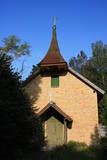 |
Atrodas Labraga – Apriķu ceļa malā. Kāds nostāsts vēsta, ka to 1896. gadā cēlis vietējais muižkungs, kurš vēlējies, lai viņa meitas laulības notiktu baznīcā. Dievnamā atrodas altārglezna "Kristus pie krusta un Sv. Marija Magdalēna", kas gleznota 19. gadsimtā (autors T. Šprengels). |
|


