Сельский образ жизни

Piedāvājums “Lauku dzīvesveids” ļauj tūristiem iepazīt mūsdienu dzīvi un cilvēkus laukos, iepazīstot jaunus tūrisma galamērķus ar savu identitāti. Tas ir stāsts par dzīves stilu, kas izmaina ierastos priekšstatus par laukiem un veido jaunu lauku vidi, apvienojot tradicionālās un mūsdienu vērtības. Viesiem ir iespēja iepazīt dzīvi mazpilsētās, lauku saimniecībās un uzņēmumos kopā ar vietējo cilvēku, vērojot ikdienas norises vai iesaistoties tajās visdažādākajās jomās, piemēram, dārza veidošana un kopšana, mūsdienu dizaina amatniecība, veselīga pārtika, inovatīvu produktu ražošana, arhitektūra un vide, zaļais dzīvesveids un daudz citu patiesu vērtību.
>>> "Lauku dzīvesveida" projekta mājas lapa:
gorural.countryholidays.info
>>> KARTE - “Lauku dzīvesveids” saimniecības
>>> "Lauku dzīvesveida" pasākumi
Šajā sarakstā apkopotas saimniecības (Latvijā un Igaunijā), kas piedāvā "Lauku dzīvesveida" pieredzi apmeklētājiem. Programmas aprakstā ietverta informācija par tūrisma galamērķi, kur saimniecība atrodas, iepazīsim saimnieku ģimeni vai darbības vēsturi, piedāvātā programma aprakstīta darbībās. Noteikti ir nepieciešama iepriekšējā pieteikšanās, jo ne visas saimniecības ir tūrisma saimniecības un to pamatnodarbošanās ir ražošana vai cita nodarbe. Tāpēc parasti apmeklētājiem tiek noteikts īpašs laiks un/vai diena, kad tos saimniecība var uzņemt. Arī par programmas ilgumu un cilvēku skaitu ir nepieciešams vienoties iepriekš ar saimniekiem.
| Обзор | Подробности |
|---|---|
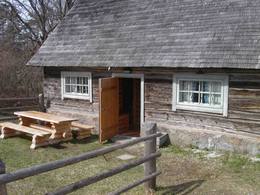
 |
Эстония
от 44 LVL / DBL
PesaProgramme:
Услуги
60 - Max кол. гостей (дополнительные места)
30 - Max кол. спальных (дополнительные спальнии)
246km - Расстояние от столицы
1-12 Месяцы активного сезонаСервисы - удобства
ТВ в комнатах
Помещение для семинаров
БассейнСервисы - бизнеса
Подключение интернетаСервисы - Оборудование
WC и душ в комнатеСервисы - отдых
Прокат лодок
Прокат велосипедов
Прогулки на лошадях
Беговая лыжня
Услуги гида
Прогулка на кораблике/лодкеCanoe tours in Ahja and Vohandu rivers

Природная тропаСервисы - другие
Есть возможность заказать еду
Хозяева говорят по-английски
Хозяева говорят по-русски
Массаж |
 |
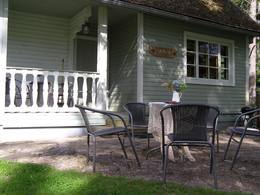
Эстония
TOOMARAHVAProgramme: Day 1:
Day 2:
Услуги
6 (8) - Max кол. гостей (дополнительные места)
1 (4) - Max кол. спальных (дополнительные спальнии)
100km - Расстояние от столицы
1-12 Месяцы активного сезона
50% Скидка для детейСервисы - удобства
Камин
Сауна
Садавой камин
Гриль
Веник
Места для палаток
В помещениях курить запрещено
В распоряжении гостей- жилая комната
Парковка трейлеровСервисы - Оборудование
Фен
Утюг
Чайник
Холодильник
Электроплита
Стиральная машина
Пылесос
Посудомоечная машинаСервисы - отдых
Место для купания 0.1км Море
Прокат лодок
Прокат велосипедов
Спортивная площадка
Прогулки на лошадях 5км
Инструктор верховой езды
Катание на санных упряжках
Места для отдыха с детьмиšūpoles, bērnu baseins

Сбор грибов и ягод
Услуги гидаСервисы - расстояния
Ближайшие соседи
Ближайший ресторан/кафe
Жилой дом хозяевСервисы - другие
Хозяева говорят по-английски
Хозяева говорят по-русски |
 |
Эстония
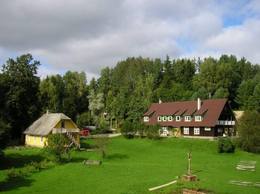
Holiday home "Kärka"Estonia is a maritime country where coastal fishing has a long tradition and is part of the history of the Estonian coastal people. Scenic fishing villages Kaberneeme Salmistu, Purekari and Viinistu in Lahemaa region are located in the area that is the best for fishing sea trout and boasts the biggest fish. The host of the programme is Lahemaa Kalaturism – the local fishing association and their main goal is the propagation of sustainable fishing and educating new fishing guides. Timo, the fishing guide, is well known in Estonia and probably one of the best sea trout catchers in the area. Rain Käärst, the chef, will cook the dinner together with guests, and Signe Bloom will take care of the cosy atmosphere in the holiday house. The Fishing tour takes guests to fishing sites, the choice of which will be selected on the morning of the tour depending on the weather conditions, wind and currents. The fishing sites are 10-30 km from the guest house. Guests are picked up in the morning and guided in fishing until the end of the day. The package includes snacks and refreshments throughout the fishing day. The day ends with a delicious dinner of grilled fish and local specialities, cooked under the guidance of the chef, followed by a country sauna in the holiday house. PROGRAMME: Day 1.
Day 2.
 4 (2)
2
70
1-12 Услуги
4 (2) - Max кол. гостей (дополнительные места)
2 - Max кол. спальных (дополнительные спальнии)
70km - Расстояние от столицы
1-12 Месяцы активного сезона |
 |
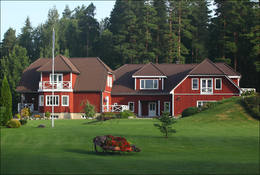
Эстония
от 16,50 LVL / B&B
KIIDIThe camp activities include:
Услуги
27 (8) - Max кол. гостей (дополнительные места)
12 - Max кол. спальных (дополнительные спальнии)
270km - Расстояние от столицы
1-12 Месяцы активного сезонаСервисы - удобства
Камин
ТВ в комнатах
Сауна
Гриль
Веник
Детская кроватка
В помещениях курить запрещеноСервисы - Оборудование
Утюг
Чайник
ХолодильникСервисы - отдых
Ловля рыбы 0.5км
Место для купания 0.5км
Прокат лодок
Прокат велосипедов
Спортивная площадка
Прогулки на лошадях 2км
Коммерческая рыбалка
Места для отдыха с детьми
Места для катания на лыжах
Лыжный инвентарь
Снегоходы
Сбор грибов и ягод
Услуги гидаСервисы - расстояния
Ближайшие соседи
Ближайший магазин
Районный центр
Жилой дом хозяевСервисы - другие
Хозяева говорят по-английски
Хозяева говорят по-немецки
Встреча на остановке |
 |
Эстония
Центр отдыха и проведения семинаров Klaara-ManniDer Standort liegt unweit der Grenze des Soomaa-Nationalparks und des Gemeindezentrums Tori. Auf der großzügigen Anlage des Gästehauses Klaara-Manni steht eine traditionelle estnische Sauna, umgeben von einem großen und schönen Bio-Garten. Die uralte Kultur der Sauna lässt sich nur durch echte Saunaerlebnisse verstehen und genießen. Das Landfrauen-Wellness-Programm beinhaltet ein belebendes Saunabad, das den Körper in Schwung bringt. Das Landfrauen-Saunavergnügen mit echten estnischen Saunatraditionen ist zwar in erster Linie für Frauen gedacht, aber ebenso gut für Männer geeignet. Das Landfrauen-Wellness-Programm ist der Name eines Saunabesuchs, bei dem die Teilnehmerinnen die Charakteristik, die Beschaffenheit und die Traditionen der Sauna kennenlernen. Der Saunagang wird von der Gastgeberin oder dem Gastgeber geleitet, die im täglichen Leben Biobauern sind und einen Lebensstil pflegen, der im Einklang mit der Natur steht. Während der Saunagänge geben sie ihr Wissen über die Heilkraft der Sauna und die der Natur an die Gäste weiter. Dabei erfahren die Teilnehmer, wie die Menschen einst auf sich und ihre Gesundheit achtgaben und durch das Saunieren Kraft für Körper und Seele erhielten. Die Sitzungen finden im Wald, auf dem Hof und in der holzbeheizten Sauna statt. PROGRAMM:
Услуги
20 (14) - Max кол. гостей (дополнительные места)
10 - Max кол. спальных (дополнительные спальнии)
130km - Расстояние от столицы
1-12 Месяцы активного сезонаСервисы - удобства
Камин
Сауна
Садавой камин
Гриль
Помещение для семинаровСервисы - бизнеса
ПроекторСервисы - отдых
Спортивная площадка
Природная тропаСервисы - другие
Есть возможность заказать еду |
 |
Эстония
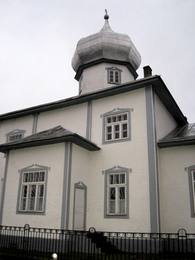
Mustvee villageA haven for Russian Old Believers. Mustvee village has held fairs for the past two centuries. It is also a traditional fishing town.
174
Услуги
174km - Расстояние от столицы |
 |
Эстония
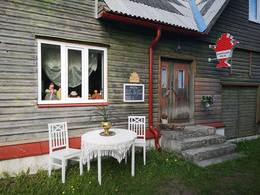
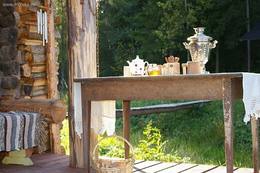
Samovarimaja (Samovar House)This area has been populated for 350 years by Russian Old Believers – orthodox Christians who fled from Russia due to persecution. Today the area surprises with its authentic customs and traditions. One of the most important traditions is tea drinking. Traditional samovar, a predecessor of the modern kettle, is used to brew, boil and serve tea. Tea rituals take time, so people slow down, sit back, enjoy company, and have a chat. Making tea in samovar is a social event. The host, Herling Mesi, moved from Estonia’s capital Tallinn to this remote area of Lake Peipsi shore, 45km from Tartu, Estonia’s second largest city. She got fascinated by the local lifestyle, learned a lot about Russian Old Believers everyday life and now shares it enthusiastically with her guests. She has collected more than 100 samovars that are exhibited in a special building – the Samovar House. The Mesi family offers visitors to experience the lifestyle of the local Russian Old Believers. In the workshop guests learn about local tea drinking history, how samovar works, the sizes and the shapes of samovars, and they enjoy a very special Ivan’s tea made from Fireweed. Also guests learn how to decorate the traditional gingerbread that goes with the tea. The workshop has an EHE (Genuine and Interesting Estonia) ecotourism quality label for maintaining authentic traditions, skills and atmosphere. PROGRAMME:
220
1-12
Услуги
220km - Расстояние от столицы
1-12 Месяцы активного сезона |
 |
Эстония
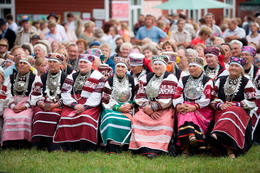
СетомааSetomaa is one of the most unique, yet undiscovered regions of Estonia. It is located on the border of Estonia and Russia therefore the culture of Setos, the people living in Setomaa, is influenced by both cultures, yet maintaining their own traditions and values. The Setos are especially well known for their traditional way of singing (Seto leelo), which is on the UNESCO list of Intangible Cultural Heritage. In addition to their own singing traditions, the Setos have their own language, remarkable and colorful national clothes and impressive silver jewelry, as well as cuisine. Being part of the Orthodox church makes their mindset different from that of Estonians. The tour is guided by Mrs. Helen Külvik, an experienced guide and passionate ambassador of Seto culture. She has been a member of the Seto community for over 20 years and works for the Seto Institute. The tour takes guests to meet the local people of Setomaa visiting a family-run café, a soap maker, an artisan’s gallery, a caretaker of the local chapel and a young farmer family. All of them are eager to share the best of their lifestyle, culture, values and stories with visitors. PROGRAMME:
1-12
Услуги
1-12 Месяцы активного сезона |
 |
Эстония
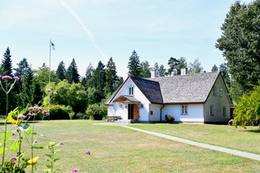
Лесное хозяйство MÄNNIKUIn Männiku Forest Farm we offer different workshops with professional instructors. Workshop topics:
|
 |
Эстония
Kuusiku Nature FarmYou will find the nice and quiet Kuusiku Nature Farm on the edge of the beautiful Lahemaa National Park by Lake Viitna Pikkjärv. The Kuusiku Farm offers traditional farm bread. |
 |
Эстония
Баня по-черному MOOSKAThe Võromaa smoke sauna tradition, practiced in southern Estonia, is on the UNESCO Representative List of the Intangible Cultural Heritage of Humanity. At Mooska Farm, guests can experience this Estonian heritage. Mooska farm is a typical lifestyle farm in Southern Estonia. The powerful location at the foot of Vällamäe is amidst the beautiful nature and harmonically connects the farm life with nature and the heritage of ancestors. The Veeroja family share their lifestyle values and introduce the local heritage to their guests, the pride of which is their local food and the traditional smoke sauna. The workshop has an EHE (Genuine and Interesting Estonia) ecotourism quality label for maintaining authentic traditions, skills and atmosphere. Smoke sauna is a building or room heated by a stove covered with stones and with an elevated platform for sitting or lying. It has no chimney, and the smoke from the burning wood circulates in the room. People usually go into the sauna together and remain until they are sweating. Water is thrown on the heated stones to produce hot steam laden air and bathers beat their bodies with whisks to remove dead skin and stimulate blood circulation. After sweating, whisking, relaxing and possible healing procedures, people cool themselves outside and rinse their bodies with water. The procedure is then repeated. PROGRAMME:
|
 |
Эстония
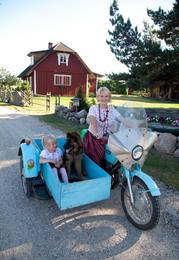
Kuraga farmKihnu is the largest island in the Gulf of Riga with an area of 16.4 km2, it is only 7 km long and 3.3 km wide. There are four villages on the island and the unique atmosphere of the island can be experienced by visiting a local family at Kuraga Farm. Three generations live in this farm and are happy to welcome guests.
180

Услуги
180km - Расстояние от столицыСервисы - удобства
Предлогают ночлегСервисы - другие
Есть возможность заказать едуHomemade lunch from ecological self-grown and home-made local food such as white/black bread, herbal tea, jam and other goods from the family’s garden. |
 |
Эстония
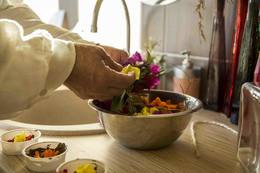
Хозяйство ENERGIADer Ferienhof Energia Talu (Energiefarm) liegt im südlichen Teil Estlands. Es handelt sich um ein Heilpflanzenzentrum mit einem eigenen Teehaus. Alle Kräuter auf dem Hof werden biologisch angebaut. Der ökologische Anbau und die bewusste Nutzung von Heilpflanzen begann 1991. Das Wissen und die Fertigkeiten dafür stammten vom Großvater des Hofbesitzers, der Heilpflanzen kannte und für den sie ein wichtiger Teil seines Lebens waren. Auf dem Bauernhof, der am Ufer des Flusses Navesti liegt, gibt es das Energy Eco-Spa mit Sauna. Der Saunabetrieb wurde im Jahr 2010 gestartet. Die Sauna ist der perfekte Ort für Menschen, die einen naturnahen Lebensstil genießen möchten, der sich auf die traditionelle Weisheit vergangener Generationen stützt. Der Gastgeber Aivar Siim ist ein ausgebildeter und erfahrener Saunameister, der verschiedene Schulungen in Estland, Lettland, Litauen und Russland absolviert hat. Im Jahr 2020 besuchte Aivar in Moskau einen Kurs bei Iwan Iwankin, einem bekannten russischen Saunameister. Aivar stellt ein Ritual mit Aromatherapie und ein spezielles praktisches Saunaprogramm zusammen, das sich am körperlichen und seelischen Befinden eines Menschen orientiert. Er prüft den Allgemeinzustand vor dem Saunagang und wählt die Anwendungen individuell auf der Grundlage der VedaPulse-Diagnostik aus. Er lenkt und balanciert die Bewegung der Energien und empfiehlt auf Wunsch eine persönliche ayurvedische Ernährung und Lebensweise, die dem persönlichen Körpertyp entspricht. PROGRAMM:
|
 |
Эстония
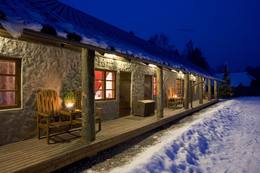
Домашний музей туристического хутора ЛухтреОснованный в 1874-ом году хутор сегодня действует как туристическое предприятие, где гостей ждут уютные комнаты в помещении амбара, бани, открытый бассейн и натуральное питание, приготовленное по рецептам начала прошлого столетия. В музейной комнате хутора наследие прошлых поколений хуторян: от женского и детского белья с тончайшей вышивкой до домашнего инвентаря. Все предметы рассказывают свои истории о мечтах и делах своих прежних владельцев. Услуги
70km - Расстояние от столицы
1-12 Месяцы активного сезонаСервисы - удобства
ТВ в комнатах
Сауна
Гриль
Места для палаток
Удобства для людей с особыми потребностями
Предлогают ночлегСервисы - Оборудование
ФенСервисы - отдых
Место для купания Swimming pool
Теннисные кортыСервисы - другие
Есть возможность заказать еду |
 |
Estonia
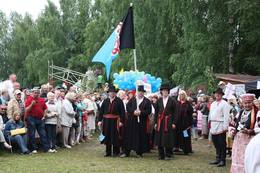
Mulgimā vēsturiskais reģionsMulgimā ir vēsturisks reģions Igaunijas dienvidos. Mulgi lauksaimnieki bija zināmi kā turīgi cilvēki, un tieši viņi bija pirmie Igaunijā, kuri 19. gadsimta beigās no muižniekiem sāka pirkt savas saimniecības, lai audzētu linus. Trīs Mulgi kultūras ikonas - dialekts, labi zināmā vīriešu garā melnā jaka un tradicionālā Mulgi putra - ir saglabājušās līdz pat šai dienai. Ekskursijas vadītāja ir Jaanika Toome, kura labi pārzina Mulgimaa esošās kopienas. Ekskursija notiek Tarvastu un Helmes pagastos, Vīlandes (arī - Vijandi) apriņķī, apmēram 70 km attālumā no Tartu, kas ir otra lielākā Igaunijas pilsēta. Mulgimā kopienas un viņu uzņēmīgie cilvēki dara to, kas viņiem patīk, un ar to nopelna ikdienas maizi, kā arī ar nepacietību gaida viesu uzņemšanu. PROGRAMMA:
160
1-12
Pakalpojumi
160km - Attālums no valsts galvaspilsētas
1-12 Aktīvie sezonas mēneši |
 |
Igaunija
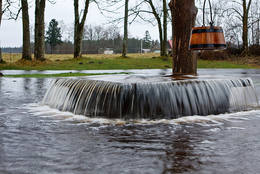
Vikingu ciematsUpon arrival in the Viking Village, you will be greeted by the Viking chieftain, who will give you an overview of various ancient weapons, items and clothing. You will also get to listen to stories about ancient times, when our forefathers were brave seafarers and ruled the Baltic Sea. To head out on your adventure, you will be given clothes and helmets to protect you on the journey. Then you will board an authentic Viking ship with your friends and family as Viking conquerors, grab the oars and head off on a treasure hunt. The ancient Vikings are famous for their skill as seafarers and conquerors. The Viking Village resurrects this ancient tradition and, from the month of May (depending on the weather), offers you a chance to sail down the Pirita River like a real Viking and take part in a voyage lasting over an hour. As a Viking, you will be the one holding the oars of the ship and deciding on how far you wish to venture. Following a treasure map given to you for the journey, and with a strong crew and experienced thralls, you should be able to reach a treasure chest filled to bursting with gleaming riches. The treasure must be divided among the crew amicably, and according to ancient law, the map reader, i.e. the navigator, is entitled to twice the bounty of other adventurers. The expedition will be led by the Viking captain.
30
1-12
Pakalpojumi
30km - Attālums no valsts galvaspilsētas
1-12 Aktīvie sezonas mēneši |
 |
Igaunija
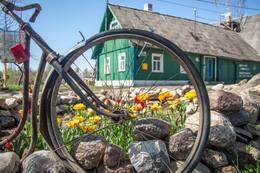
Viesu māja "Mesi Tare"Viesu nams atrodas uz “Sīpolu ceļa” – galamērķī, kas ir Peipusa ezera (lielākā ezera Igaunijā un Eiropas Savienības pārrobežu ezera) krastos. Tas atrodas apmēram 45 km attālumā no Tartu. Ezera apkārtne ir zināma ar Peipusa Sīpolu audzēšanu. Šo teritoriju jau 350 gadus apdzīvo krievu vecticībnieki - pareizticīgie kristieši, kuri vajāšanas dēļ aizbēga no Krievijas. Viesi var izbaudīt uzturēšanos tradicionālā vecticībnieku mājā, kurā viss - sākot no mēbelēm līdz pat karotēm un dakšām - ir autentisks. Saimniece Herlinga Mesi pārcēlās uz šo nomaļo Peipusa ezera krasta teritoriju no Igaunijas galvaspilsētas Tallinas. Aizrāvusies ar vietējo dzīvesveidu, viņa daudz interesējās par krievu vecticībnieku ikdienu un tagad savās iegūtajās zināšanās dalās ar saviem viesiem. ”Sibulatee Subbotnik” ir igauņu un krievu kultūru sajaukums, kas nozīmē kopīgu darba paveikšanu Sestdienā. Kopienā jau sen ir pieņemts, ka ģimenes vai draugi sanāk kopā, lai tiktu galā ar kādu sezonas darbu, piemēram, ražas novākšanu vai ko citu. Viesiem būs iespēja gūt īstu sezonālā darba pieredzi, darot to pēc vietējo tradīcijām. Pēc darba paveikšanas būs laiks baudīt vietējo dzīvesveidu – uzzināt par patvāriem un krievu vecticībnieku tējas dzeršanas tradīcijām, iet saunā un baudīt relaksējošu vakaru. PROGRAMMA:
Pavasarī: sīpolu dobju rakšana pēc krievu vecticībnieku tradicionālās metodes / sagatavošanās sīpolu stādīšanai / sīpolu pīrāga pagatavošana. Makšķerēšana Peipusa ezerā kopā ar pieredzējušu makšķernieku. Zivju tīrīšana, sālīšana / žāvēšana / zivju zupas vārīšana. Koka zāģēšana / malkas skaldīšana / ugunskura veidošana. Rudenī: augļu ražas novākšana, to sagatavošana vīna ražošanai.
10 (1)
3
220
1-12
Pakalpojumi
10 (1) - Maks viesu skaits (papildus gultasvietas)
3 - Max viesu guļamistabu skaits (papildus guļamistabas)
220km - Attālums no valsts galvaspilsētas
1-12 Aktīvie sezonas mēneši |