
| Nr | Name | Beschreibung |
|---|---|---|
 |
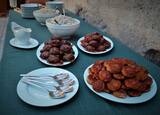
Saimniecībā tiek audzēti Helix Aspersa Maxima sugas gliemeži. Ekoloģiska produkcija. Tie tiek baroti tikai ar vietējiem dārzeņiem un gliemežiem domāto īpašo barību. |
|
 |
Rekovas dzirnavas ir unikāla vieta pašā austrumu pierobežā. “Pirmajā stāvā bija miltu malšana un otrajā stāvā apstrādāja vilnu. Dzirnavas pastāvēja līdz 1980.gadam. Vēlāk ēka nevienam nepiederēja, lietus ietekmē iebruka jumts un faktiski viss bija sadrupis. 2016.gadā zemnieku saimniecības “Kotiņi” saimniekam Aldim Ločmelim radās iespēja iegādāt ēku un saliekot galvas kopā, radās ideja, ka ēkā varētu būt vietējās produkcijas veikaliņš.” Majestātiskā trīsstāvu pamatīgu laukakmeņu mūra ēka, kas atrodas pašā Balvi-Viļaka ceļa malā, ir sākusi dzīvot jaunu dzīvi, kur ikvienam ir iespēja nobaudīt vietējo Latgales produktu garšu dažādā izpildījumā. Dzirnavu saimniece - viena no īstajām latvju saimniecēm Vija Kuļša uzņem tūristu grupas, kurām piedāvā nobaudīt vietējo Latgales produktu garšu dažādā izpildījumā. Ēdienkarte sastāv no piedāvājuma vegāniem, veģetāriešiem un klasiskās ēdienkartes. Viena no galvenajām ēdienu sastāvdaļām ir zs “Kotiņi’’ ražotā produkcija. Ir iespēja pieteikt un darboties arī Meistarklasēs. Tiek piedāvāvāts ēdiens no linsēklām, linu eļļa, dažādi salāti, ko var gatavot ar linu eļļu. Linsēklas izmanto pašu ceptā maizītē, sāļajā baltmaizē ar linsēklām. Linsēklas Rekovas dzirnavu ēdienkartē ir tikai viena no izejvielām, bet tieši tās ir centrālais varonis jaunajā Ziemeļlatgales kultūrvēsturiskā tūrisma piedāvājumā “Linu ceļš Ziemeļlatgalē”. |
|
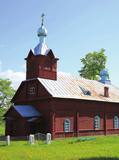 |
Tiskādi Old-Believers Prayer House was built in 1886 and reconstructed
in 1905. The large church was sanctified 100 years ago. It is situated in the district which is mostly populated by Old Believers. The church stands on the hill.
|
|
 |
Находится на улице Лиела, д. 84, в Гробине (т.н. Докторат), где прошло детство писательницы З. Маурини. В Докторате гостили многие известные работники латышской культуры, что оказало большое влияние на будущую писательницу. В 1997 году в здании была создана комната памяти, где писательница жила с 1898 по 1921 год. Посетители могут осмотреть разные экспонаты и увидеть фильм, посвященный столетию З. Маурини. |
|
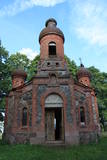 |
Dievnamu (atrodas Skujenes – Vecpiebalgas ceļa malā) 1872. g. cēla pirmais izglītotais latviešu arhitekts Jānis Frīdrihs Baumanis (1834. – 1891.), kas ir vairāku pazīstamu celtņu – J. Vītola Mūzikas akadēmijas, Rīgas cirka, Valsts bankas u.c. ēku projekta autors. Padomju laikā Māļu baznīcā atradās tukšās taras pieņemšanas punkts, bet mūsdienās – saglabājies tikai ēkas ārējais veidols. Baznīca apskatāma arī no iekšpuses. |
|
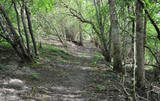 |
4 km garā un marķētā taka iepazīstina ar dziļo Imulas ieleju – Abavas kreisā krasta pieteku. Īpaši iespaidīga ieleja izskatās bezlapu periodā, kad ir apjaušami tās izmēri un formas. Vēstures cienītāji var upes gultnē uzmeklēt Langsēdes Velna pēdas akmeni. Atrodas dabas parkā „Abavas senleja”. |
|
 |
Ogu un augļu dārzs, dažādu ievārījumu, sulu, sīrupu ražošana un tirdzniecība.
|
|
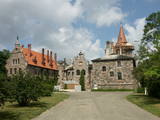 |
Der Name von Cesvaine ist in den schriftlichen Quellen zum ersten Mal im Jahr 1209 erwähnt worden. Jeder, der Lettland bereist, denkt an Cesvaine in Verbindung mit der Familie der Barone von Wolf, die im Jahr 1815 das Landgut von Cesvaine erworben hat. Die wirtschaftliche Blütezeit von Cesvaine begann nach dem Bau der Eisenbahn zwischen Pļaviņas und Gulbene. Die Stadt hat während des Zweiten Weltkriegs gelitten. Im Jahr 2002 fand in dem Schloss von Cesvaine eine Tragödie statt: In einem Brand wurde der größte Teil der Burg zerstört. Nach einer großen Unterstützung der Gesellschaft, des Staates und der Selbstverwaltung ‘erholt sich‘ jetzt das Schloss und es hält immer noch den Ruf als eine bekannte Sehenswürdigkeit nicht nur in der Region Vidzeme, sondern auch im ganzen Lettland. |
|
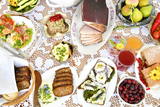 |
Das Gasthof Pinska ist ein Familienunternehmen, das sich auf dem Grundstück des ehemaligen Landguts Lõpinska befindet. Das Essen wird mit den örtlichen Produkten und nach den örtlichen Traditionen zubereitet. |
|
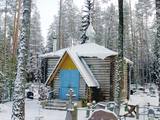 |
All Saints Orthodox Church of Malta (Rozentova) was built in
1928. It is the wooden log building with double window frames and a
dome. Facades are decorated with the motive of the sun.
|
|
 6 Tagen
|
Dieser Abschnitt des Waldweges führt durch den gesamten Gauja-Nationalpark und bietet die Möglichkeit, die schönsten Orte und Sehenswürdigkeiten dieses Nationalparks von mehr als 100 km zu sehen. Der Gauja-Nationalpark ist der älteste und größte Nationalpark in Lettland. Das alte Tal des Flusses Gauja ist das tiefste Flusstal in den baltischen Staaten. Die Ufer des Flusses Gauja zeigen bunte Sandsteinaufschlüsse, die sich im Wasser widerspiegeln. Die Sehenswürdigkeiten sind im Frühling, wenn Vogelkirschbäume in voller Blüte stehen, und im Herbst, wenn die Bäume rot und gelb werden, am schönsten. Das alte Tal des Flusses Gauja hat ein markantes Relief, das bis zu 80 m schwanken kann. Der größte Teil der Straße führt über Waldwege entlang des Flusses und verlässt die Wälder in Līgatne und Sigulda. Fast die Hälfte des Parks ist von Wald bedeckt. Der Gauja-Nationalpark ist bekannt für die große Vielfalt besonders geschützter Wälder mit krautigen Fichtenwäldern, Hang- und Schluchtenwäldern sowie gemischten Laubwäldern. |
|
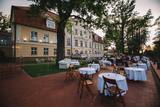 |
Das Restaurant befindet sich in dem 2008 renovierten Gebäude des Landguts Mālpils, das als Baudenkmal des Klassizismus aus dem 19. Jh. gilt. Die Speisekarte des Restaurants wird ständig geändert und mit saisonalen Gerichten ergänzt. Eine Kombination aus feinen Geschmäcken und einem eleganten Ambiente des Landguts. Lettische Küche: Käse von Mapils, Pilzsuppe, Wildbret, gebratener Zander, Roggenbrot-Dessert. Das besondere Gericht: Eis des Landgutes von Malpils. |
|
 |
RADADA ir radošā darbnīca, kura ierīkota senā ugunsdzēsēju depo. Audumu apdrukas ar saviem orģināliem zīmējumiem rokas sietspiedes tehnikā. Apdrukā apģērbu ar rakstiem un simboliem, kas simbolizē Latvijas dabu, latviešus un to spēku. |
|
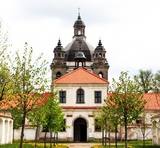 |
Ein hervorragendes Sakralensemble im Barockstil (17 – 18 Jh.), eine Kirche und ein tätiger Nonnenkloster. |
|
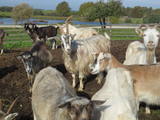 |
Stolz des bäuerlichen Betriebs sind ~ 100 Ziegen, von deren Milch Käse, Quark und Joghurt hergestellt wird. Exkursion zum Hof, Anschauen der Tiere, Verkostung und Erwerb der gesunden BIO-Produkte. In einem nahegelegenen Teich kann man angeln. Die gefangenen Fische kann jeder selber grillen. |
|
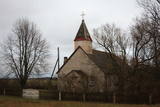 |
Nelielā izmēra ēka (balts ķieģeļu mūris, ar dēļiem apšūts zems tornis) atrodas Liepājas – Klaipēdas šosejas (A 11) malā. 20. gadsimta sākumā tā kalpojusi kā lūgšanu nams, taču tā paša gadsimta vidū pārbūvēta, uzceļot torni. |
|
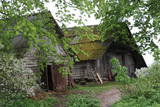 |
Maza apdzīvota vieta ar dažām viensētām uz pussalas (salos tulkojumā no lietuviešu valodas nozīmē „sala") starp vairākiem ezeriem. Salos II ir viens no sešiem Augštaitijas nacionālā parka etnogrāfiskajiem ciemiem. Ciems patiks tiem, kas meklē ļoti nomaļas vietas ar vecām guļbaļķu dzīvojamām un saimniecības ēkām. No Salos II pa sauszemes maršrutu var doties pārgājienā līdz Ladakalnim un Ginuču pilskalnam (sk. iepriekš). |
|
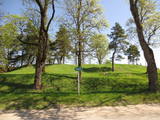 |
Is an ancient Courlandian castle hill and is found in the very centre of Alsunga. It was named in 1659 when General Berg from Kurzeme put cannons on it to attack Swedish forces that had fortified themselves in the Alsunga castle. The hill is 8 to 10 metres high and 24 x 54 metres wide, offering a lovely view of the St Michael Roman Catholic Church, as well as the Alsunga windmill lake that is alongside it. There is a distinct terrace around the hill, and it once was the foundation of wooden defensive structures. On the other side of the street, to the West of the castle hill, is a cemetery with fire graves of Courlandians that date back to the 11th to 13th century. Archaeologists examined the area during the middle part of the last century. The Suiti celebrate Easter and other holidays on the hill. |
|
 |
The farm offers to look at horses, ponies, rabbits, Brama hens and chickens. Children are offered to ride a small pony named Xavier either on horse back or in a small carriage. |
|
 |
Atrodas blakus Kalnamuižas baznīcai. Dienvidos no tās redzama grāfa Pālena kapliča, uz kuras salasāms vecs uzraksts krievu drukā “Savu mieru dodu jums”. Šajos kapos atdusas daudzi ievērojami cilvēki – mikrobiologs Kristaps Helmanis, A. Brigaderes tēvs, Tērvetes ainavu parka veidotājs Miķelis Kļaviņš u.c. |
|


