
| Нo | Название | Описание |
|---|---|---|
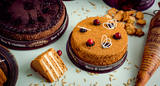 |
В кондитерском цехе у Инесе из природного и произведённого в Латвии сырья пекут медовые, шоколадные и творожные торты. Посетители могут ознакомиться с технологией выпечки тортов, попробовать и купить торты, принимаются индивидуальные заказы. |
|
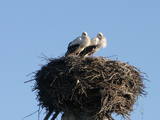 |
This lovely territory includes the hillocks of Embūte, which are in the ancient Embūte valley. The aim of establishing the park was to protect the landscape, biotopes and species of the region. An ecological tourism trail has been established in the valley, as has a forest trail through the nature park (accessibly only in the company of a guide). Visitors will learn about the hillocks and ravines left behind by the Ice Age. The ravines and the forests along their sides are protected biotopes. There are also important natural and cultural monuments, including the Embūte castle hill and the ruins of a baronial estate, castle and church. Other points of interest include the death place of the Courlandian warrior Indulis, the Joda dam, meadows, a viewing tower, etc. Three unmarked bicycle trails are in the area. |
|
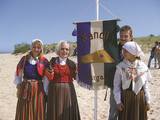 |
В документе 1387 года упоминается как «Малая Ирва» (Minor Irva). До середины 20-го века Мазирбе было самым крупным поселением ливов на побережье Курземе - рыбацкая деревня и центр судоходства. В селе была церковь, школа, аптека, лесное хозяйство, несколько магазинов, контора почты и телеграф, станция, лесопилка, парикмахерская, пекарня, фотостудия. В Браусках действовала печь по обжигу кирпича. В 30-е годы 20-го века рыболовный кооператив построил цех по переработке рыбы. В 1923 году здесь был основан Союз ливов и в 1939 году был открыт Народный дом ливов. Напротив него находятся Стуриши (родовое поместье семьи Тайзелей), где можно осмотреть предметы обихода ливов и, по предварительному заказу, продегустировать местные блюда. В Мазирбе проживали первые председатели Союза ливов - Карлис Сталте и Мартиньш Лепсте. Деятель культуры Карлис Сталте (1870 - 1978) долгие годы был пономарем и органистом в Мазирбе, а Мартиньш Лепсте был учителем ливского языка в 30-е годы 20-го века. Снаружи можно осмотреть здание бывшей Морской школы, где в период с 1894 по 1914 год образование получило около 2000 студентов. В советское время здесь находился армейский пост - застава. |
|
 |
Кафе находится в центре города Талси. |
|
 |
Saimniecībā "Jauncaunes", Ogres novadā, grupām, kā arī individuāliem apmeklētājiem tiek piedāvāta atpūta brīvā dabā, iepazīstot un izmēģinot metamos ieročus, šaušanu ar dažāda veida lokiem, arbaletiem un pneimatiku. |
|
 3 дня
|
This part of the Forest Trail gives an opportunity to see Setomaa or “the Land of Setos” which is inhabited by Setos – an ethnographic group with specific ancient traditions and a unique language dialect. Forest Trail hikers can visit the traditional Setos homestead and enjoy Setos cuisine. The forests of the region are especially charming in early autumn, when the ground is coloured lilac by the blooming heather. There is a good chance to pick wild mushrooms and berries. One of the most beautiful sections of this trail in Setomaa leads along the River Piusa, where the river is surrounded by sandstone outcrops. You will also visit the Piusa caves. The tour will end in Värska resort – with its sanatorium and SPA, which use the strengths of local nature: mineral water and lake mud. Värska mineral water is well known in Estonia and elsewhere. |
|
 |
Māras birzs atrodas apmēram 4 km no Īles, Zebrenes virzienā. 2012.gada pavasarī iestādītā piemiņas birzs ir biedrības „Zebrus draugi” veltījums šīs apkaimes ļaudīm un viņu dzimtajām mājām, kas pēdējā gadsimtā ir zudušas no Latvijas kartes. Valsts meža izcirtumā iestādīto jauno kļavu, liepu un ozolu birzs centrā izveidots Māras altāris – simbolisks akmeņu krāvums, kurā katrs, kas jūt piederību šim apvidum, var pievienot savu akmeni. Birzs projekta un altāra autors - V.Lukjanovs. |
|
 |
Уютный ресторан, повара которого черпают вдохновение в местном растительном и животном царстве, предлагая посетителям насладиться забытыми вкусами в любое время года. Почетное место здесь занимают как местные блюда, так и продукты от лучших мировых мастеров. Великолепное сочетание разных вкусов и вина делает Umb Roht рестораном, в котором можно отправиться в самые разнообразные вкусовые путешествия. |
|
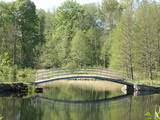 |
Парк поместья «Засас» раскинулся по берегам мельничного пруда (в северной части Засас), образовавшегося вследствие запруды на речушке Засас. Формирование парка относится к 18 столетию, а сам парк создавался в романтическом стиле пейзажных парков. Одновременно с парком начиналось и строительство господской усадьбы «Засас». Ее владельцем был Генрих фон Засс, именем которого назван район Риги Засулаукс. В 19 веке, когда сменился владелец господской усадьбы, имение «Засас» считалось одним из наиболее богатых и наикрасивейших имений в окрестностях. Обязательно погуляйте по широкому парку с многочисленными мостиками, деревом Оборотней, Чертовым камнем и святым источником. Осмотр парка господской усадьбы в сопровождении гида: +371 26337227.
|
|
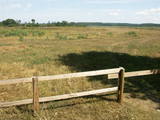 |
Periodically flooded flood-land meadows on the eastern and southern shores of Lake Burtnieks are an important nesting location for the rarely seen corncrake. A nature and information trail has been established at Vīsrags with directions, information stands and a viewing tower.
|
|
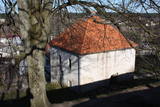 |
Сохранившаяся на данный момент историческая застройка вокруг старой Рыночной площади образовалась после пожара 1881 года. Характерную для Кандавы городскую среду образуют ограды с хозяйственными постройками, закрытыми дворами, сквозными проездами и стенами из грубого камня. Такую застройку можно увидеть на улицах Талсу и Сабилес. Нетипичной для Латвийского ландшафта является также Большая улица. У подножья Рыцарского городища можно осмотреть установленный недавно (2010 г.) макет замка Ливонского ордена. Участок дороги Екаба от Кандавы до Ренды входит в природный парк “Древняя долина Абавы”. |
|
 |
Atrodas Baznīcas ielā 10. Skaistā ēka ir viena no nedaudzajām 17. gs. celtnēm, kas būvēta koka pildrežģa tehnikā (restaurēta 1986. g.). Kurzemes hercogistes laikā tajā atradās pirmā zāļu tirgotava. Apskatāma no ārpuses. |
|
 |
Vecpiebalgas vecajos kapos (Vecpiebalgas austrumdaļā, pa ceļam uz "Saulrietiem" un "Vēveriem") apskatāms piemineklis, kas veltīts brāļu Kaudzīšu romāna "Mērnieku laiki" personāžam - Lienai. Piemineklis uzstādīts 1987. g. (tēlniece M. Baltiņa). Pirms ceļojuma atkal ir jāpāršķirsta "Mērnieku laiki"! |
|
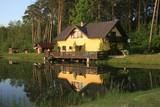 |
Recreation place "Kaupēna mill" is located near Tērvete, Zemgale region. In the pension there is hall for celebrations, there is a garden with grill. Free private parking is available for guests. The kitchenette is fully equipped with crockery and cutlery, and there is a microwave. Turkish bath and terrace. The guest house has 15 beds for overnight stays. Guests are also offered a holiday house "Paradise House". It is a fully equipped family house with kitchenette and 4 beds, pond view, barbecue and gazebo. Quality well / spring drinking water. "Egļu namiņš" - the house has 5 beds, anteroom, terrace. Barbecue with terrace, next to the pond, WC, showers. We also offer 3 camping houses. 4 beds in each cottage. Toilets and showers are shared. |
|
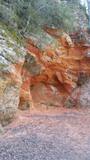 |
Sarkanās klintis savu vārdu ieguvušas pateicoties sarkanajiem iežiem. Tieši sarkanā ir mīlestības krāsa, tāpēc sarkanās klintis ir romatiska pastaigas vieta mīlniekiem. Smilšakmens klintīs redzamas plaisas, kas sašķeļ sarkanīgos iežus, radot neparastu dabas mākslas darbu. To virsma ir diezgan izrobota, kas veido klintīs nelielas alas un nišas. Sarkanajās klintīs ir arī daudz dažādu avotiņu. Pazīstamākais no tiem ir Rūcamavots. Tam ir šāds nosaukums, jo tas, nākot ārā no zemes, izdod nelielu rūkoņu. |
|
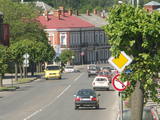 |
«Сердце Латгалии», где в XIV - XII вв. поднялся укрепленный латгальский замок. На месте латгальского замка в 1285 году Ливонский орден приступил к строительству каменного замка. После крушения Ливонии (Резекне вошел в составе Польши) город находился в запущении. Экономическая жизнь в Резекне возобновилась во второй половине XVIII столетия. Со строительством шоссе Санкт-Петербург – Варшава (1836 г.) и железнодорожной ветки Санкт-Петербург – Варшава (1861 г.) Резекне становится пунктом назначения отдыхающих из Санкт-Петербурга. В годы Второй мировой войны существенно пострадала большая часть построек города. Современный город – это важный экономический и культурный центр Латгалии. |
|
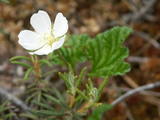 |
Augstā un purva vidusdaļā - pārejas tipa purvs, putniem nozīmīga vieta. Apmekļējumiem nav piemērota infrastruktūras trūkuma un sugu aizsardzības nolūkā. |
|
 |
В мастерской рождаются красивые работы - пояса, сумки, подушки с характерными для Латгалии гаммами красок и комбинациями. Посетителей знакомят с техникой ткачества и готовыми работами. Каждый сам может соткать свой пояс, приобрести и заказать работы. |
|
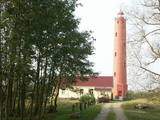 |
Акменьрагский маяк и в советское время служил для обеспечения морской навигации. В настоящее время маяк поддерживает Латвийская морская администрация, а осмотреть маяк можно только со стороны.
|
|
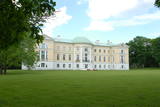 |
Это красивое здание (1797 - 1802 г.) считается ярчайшим памятником классицизма в Латвии. Его эскиз, как и эскиз замка Элея, создал российский придворный архитектор Джакомо Кварнеги, а спроектировал Ехан Георг Адам Берлиц. Богатый интерьер замка выделяется невиданным для Курземе тех времен модернизмом. Российская императрица Екатерина II подарила замок Шарлотте фон Ливенай (1742 – 1828) за ее заслуги, когда она в период с 1783 года работала гувернанткой внуков государыни. С 1921 по 1941 год в замке функционировала сельскохозяйственная школа, а во время Второй мировой войны замок сильно пострадал и позже был разграблен. Реставрационные работы в замке были начаты позже, когда в нем размещалась Межотненская опытная селекционная станция. Сейчас это красивое здание (в котором обустроена гостиница) можно осмотреть также изнутри. Вокруг замка на берегах Лиелупе разбит один из самых красивых в Латвии парков в английском стиле, который является хорошим местом для прогулок. |
|


