
| Нo | Название | Описание |
|---|---|---|
 |
In Otepää wurde am 4. Juni 1884 die estnische Fahne geweiht. Im Pastorat ist ein Zimmer der estnischen Fahne eingerichtet. |
|
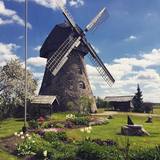 |
Находится в самом высоком месте, с красивым видом на окрестности. Одна из редких ветряных мельниц голландского типа в Латвии (1852 г.), которая находится в рабочем состоянии. Предлагают попробовать руку в помоле зерна. Каждый год в последнее воскресенье июля отмечают праздник Екаба – праздник молодого ржаного хлеба. Латышская кухня: Обед мельника - каша из ячменной муки с мясным соусом, тонкие блины, кефир, травяные чаи. |
|
 2 дня
|
В первый день посетите ферму, специализирующуюся на разведении коз и приготовлении эксклюзивного сыра, ферму, которая на протяжении многих поколений выращивает и перерабатывает коноплю, производителя ягод и фруктов, а также традиционных ловцов миноги. На следующий день, примите участие в мастер-классе со знаменитыми шеф-поварами в ресторане в Риге, где все эти ингредиенты будуте использованы для приготовления блюд высшего сорта. |
|
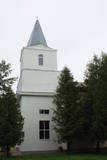 |
Первая церковь здесь появилась в начале 18 столетия. Затем - вторая и третья (1847 - 1848), наблюдаемая сейчас. Храм пострадал и во время Первой мировой войны, и в советское время, когда с 1969 по 1993 год здесь размещался цех по производству ватина. Сейчас здание (в девяностых годах - в очень печальном состоянии) понемногу возвращает свой облик. Следует добавить, что в период с 1826 по 1856 год в храме пономарем и органистом работал латышский поэт и переводчик Ансис Ливенталс (1803 – 1878 гг.). Его могила с памятником находится рядом с церковью. Там же находятся кладбища русских и немецких солдат, павших во время Первой мировой войны, и надгробный памятник священника и писателя Якоба Флорентина Лундберга (1782 - 1857). |
|
 |
Wooden slat weaving workshop is located in Jelgava county, Sesava parish. Craftswoman is making different type of wooden slat baskets and basketry from pine, linden, aspen and black alder. There are several different categories of baskets, available in different sizes - picknick baskets, baskets for berry and mushroom picking, trays, baskets for firewood, laundry baskets, onion / garlic baskets, baskets for kids, and diverse baskets for daily use. Various inscriptions and drawings are also made on the weavings. They also accept orders for individual orders. In the workshop it is possible to see the wooden slat basket weaving process as well as have the opportunity to learn to make your own basket. |
|
 |
Легкая пища с чистым вкусом, которая еще во времена наших бабушек была повседневной, а сегодня считается привилегией гурманов. Здесь подают блюда, традиционные когда-то именно для этого региона. То, что все продукты экологически чистые и поступают из ближайших окрестных хозяйств, ‒ это само собой разумеется. |
|
|
|
Кестери – родной дом деятеля ливской культуры и органиста Карлиса Сталте
(1870 -1947).
|
|
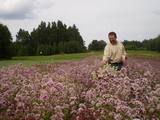 |
В хозяйстве выращивают и собирают ~ 80 лекарственных растений - мяту, ноготки, ромашку, душицу, зверобой, горькую полынь, овес, чабрец, подорожник, яруткуполевую, таволгу и др. Хозяин проводит экскурсию, рассказывает о лечебных растениях и их применении. Осенью предлагает приобрести лечебные растительные чаи. |
|
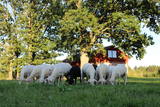 |
Saimniecībā tiek audzētas gaļas šķirnes (Suffolkas) aitas un piena šķirnes (Ostfrīzijas) aitas. Ganāpmulka aizsardzībai saimniecībā strādā ar sargsuņiem, Pireneju kalnu suņiem, kas ir pasaulē arī plaši pazīstama suņu šķirne mājlopu un mājputnu apsargāšanai no lielākiem un mazākiem plēsējiem. Saimnieki piedāvā iegādāties premium klases, saimniecībā audzētu, jēru gaļu un aitu piena produktus- Fetas tipa sieru, grilsieru, jogurtu bez piedevām un vairāku veidu saldējumus. |
|
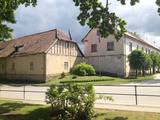 |
Как древняя Альшванга этот населенный пункт был впервые упомянут в 1231 году в договоре папского вице-легата Балдуина Альнского с куршами. Ливонский орден управлял здесь до 1561 года, а с 1573 по 1738 год замок ордена перешел к происходящей из Померании семье Шверина. Именно во время правления семьи Шверинов в Алсунге был воздвигут каменный храм в честь святого архангела Михаила и начато обращение местных жителей в католичество. Алсунга становится центром католической церкви в Курземе, ее обитатели - суйтами (свита Шверинов). |
|
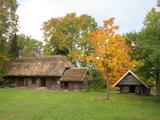 |
Место работы и жизни латышского новелиста и основателя современной драматургии Рудольфа Блауманиса (1863 -1908). На хуторе «Браки» восстановлен типичный для Видземе сельский двор крестьянина-арендатора с 8 деревянными постройками. Посетители могут поучаствовать в образовательных мероприятиях и экскурсиях (честь семей, проделки чертиков, работы в сельском дворе) и отведать латышскую бракскую кашу, блины Силмачей, чай и вино «Из сладковатой бутылки». |
|
|
|
Памятник родителям А.Бертхольда – место захоронения родителей капитана
А.Бертхольда со своеобразным памятником.
|
|
 11 дней
|
Этот тур предлагает вниманию путешестенников самые изысканные объекты культурного и исторического наследия, оставленного на протяжении нескольких веков — средневековые замки, различные поместья и восхитительные дворцы. Маршрут частично проходит через Национальный парк Гауя с отличными видами на луга и старинный лес, где фермерские хозяйства живут по своим неизменным устоям. Живописная дорога соединяет три замка — Сигулду, Турайду и Кримулду, расположенных на высоких берегах долины реки Гауя. Далее маршрут идет через одну из старейших церквей в Латвии и направляется в сторону двух примечательных поместий 19 века — Бирини и Игате. На следующий день отдохните с шиком в поместье — гостинице Дикли. Маршрут следует дальше, через очаровательный средневековый город Цесис с величественными руинами замка и новым замком вблизи. Вторая часть тура охватывает кольцо примечательных замков и дворцов в Земгале. Она включает в себя Яунпилский Замок, который незначительно изменился со времен средневековья, руины замка в Добеле и старинное городище в Тервете. Недалеко друг от друга находятся Баусский замок 15 века, стратегически расположенный между двух рек, Дворец Межотне в классическом стиле и самая знаменитая жемчужина Балтии - великолепный Рундальский Дворец в стиле барокко и рококо, окруженный французским парком. |
|
 7 дней
|
Мы начинаем тур в Риге, на автобусе, и продвигаемся по берегу Балтийского моря, проезжая через множество различных ландшафтов — белые песчаные пляжи, прибрежные луга, дюны с крутыми берегами и сосновыми лесами. Многие пляжи до сих пор безлюдны и практически пустынны. Доступ на эти территории был строго ограничен в советское время. Маршрут идет через этнографические рыбацкие деревни в Ниде, проходя через природный резерват Папе, где разводят диких лошадей. Шумный город Лиепая впечатляет своим оживленным променадом и музыкальным окружением. Город также славится своей длинной военной историей, которую нельзя не заметить, прогуливаясь между морскими фортовыми укреплениями и посетив бывший военный городок. В содержащемся в образцовом порядке Вентспилсе увидите славный рынок, замок и многочисленные парки. Стоит посетить отреставрированную узкоколейную железную дорогу с действующим паровозиком , а также Дом Ремесел — идеальный для покупки местных сувениров ручной работы. На обратном пути маршрут идет через красивый провинциальный город Кулдигу с хорошо сохранившейся деревянной архитектурой. Тур включает в себя посещение двух наиболее интересных национальных парков: Слитере, хранящий геологическую историю былых веков, и Кемери, с его удивительной вересковой тропой и серными источниками. |
|
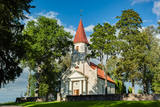 |
Pastāv uzskats, ka tieši Rubenē izveidojusies pirmā latviešu draudze. Baznīcas altārdaļa būvēta jau 14.gs., bet pati baznīca savu pašreizējo izskatu ieguvusi 1739. gadā.Būtiska baznīcas interjera sastāvdaļa ir Ķieģeļu muižas mantinieces Barbaras Helēnas fon Budbergas 1762. gadā dāvinātais kroņlukturis ar Krievijas impērijas divgalvaino ērgli un zaru ornamentiem uz bumbas. Baznīcā redzama arī zīme (1869. g.), kas ir veltīta pusgadsimtam kopš dzimtbūšanas atcelšanas. Pastāv vairākas teikas par Rubenes baznīcas nosaukuma rašanos. Viena no tām vēsta, ka, sargājot baznīcu no velna, tās sienā iemūrēta sieviete un vīrietis, kura vārds bijis Rubens. Baznīca esot nosaukta viņam par godu.Vēl viena versija vēsta, ka baznīcas nosaukums cēlies no rubeņa, kas sēdējis kādā no kokiem, kas vēlāk izmantots baznīcas celtniecībā. |
|
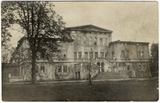 |
Muižas ansamblis veidots 19.gadsimtā, tās arhitektūrā atspoguļojās vairāku eklektisma formāli stilistisku virzienu uzslāņojumi, taču dominējošais bija baroka stils. Tā bija grāfa Kazimira Plātera-Zīberga (1808-1876), vēlāk grāfa Fēliksa Konstantina Plātera-Zīberga (1847-1928) rezidence. Pils un daļa saimniecības ēku tika iznīcinātas pirmā pasaules kara laikā, krievu armijas lielkalibra artilērijas apšaudes gaitā. Pārpalikušās drupas laika gaitā tika nojauktas. Līdz mūsdienām saglabājušies vārtu stabi, kas ir apmierinošā tehniskā stāvoklī. Muižā bijusi arī grāfa Zīberga 1697. gadā celta mūra kapela ar altāri un skaistām gleznām. Dievkalpojumus esot noturējis Ilūkstes prāvests. Bijušie īpašnieki: 18. gadsimtā barons A. Plāters-Zībergs, Kazimirs Plāters-Zībergs (1808-1876).
|
|
 |
Atrodas 3 km dienvidos no Velēnas luterāņu baznīcas. Savdabīgo akmens velna skulptūru 1955. g. kā „pieminekli” meliorācijas darbiem veidojis vietējais iedzīvotājs Vilis Zvaigznītis. |
|
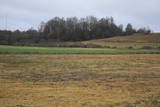 |
Atrodas Vārtājas ielejas labajā krastā un labi saskatāms no Priekules – Grobiņas (P106) ceļa. Senās kuršu zemes – Piemares pilskalns, kas vēstures avotos pirmo reizi minēts 1253. gadā – līgumā starp Kurzemes bīskapu un Livonijas ordeni. Viens no lielākajiem Dienvidkurzemes pilskalniem. Iespējams, ka iepriekš – arī sens kulta kalns. Pagājušā gadsimta sešdesmitajos gados veiktajos arheoloģiskajos izrakumos konstatēts, ka pilskalns bijis apdzīvots jau vidējā dzelzs laikmetā. Pie tā konstatēta liela senspilsētas vieta. |
|
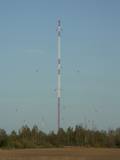 |
Единственный в Латвии советский военный объект такого вида и масштаба – часть дальней связи, которая была предусмотрена для поддержания связи с кораблями и подводными лодками Советской армии во всех (?) морях и океанах мира. В центре располагалась одна, а по периметру шесть вышек на высоте 200 м. В наше время сохранились некоторые из них, которые используются операторами мобильной связи. Ходят слухи, что комплекс так и не был ни разу включен. Великолепно просматривается Упишкалнский комплекс с дороги Скрунда – Кулдига, какие-то 3 км перед объездной Кулдигской дорогой (населенный пункт - Райдстация).
|
|
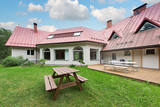 |
Центр конференций и отдыха "Zvīguļi" расположен на территории национального парка Гауя, в 10 км от Сигулды - с живописной и нетронутой природой с одной стороны и Сигулдским шоссе (A2) с другой. Со стороны внутреннего двора находится лес, из которого, пройдя по рельефной, созданной природой и ухоженной тропе, вы за 15 минут дойдете до берега реки Гауя. Предлагает размещение в комнатах разной комфортности или в общем зале. Имеется просторная и современная кухня. В гостевом доме также есть финская сауна. При необходимости кейтеринг обеспечат наши партнеры. Поблизости есть возможности для активного отдыха - санная трасса, прокат велосипедов, рыбалка, катание на лодках, квадроциклах и мотоциклетных трассах, верховая езда. |
|


