
| Nr | Name | Beschreibung |
|---|---|---|
 |
Aus den in der herrlichen Hügellandschaft des Kreises Võru (Võrumaa) wachsenden Beeren und Früchten machen die Weinbauer Wein, sie stellen den Gästen ihren Garten vor, erzählen über die Weinherstellung und veranstalten Verkostungen und Workshops. |
|
 |
An den Ufern von Urstromtal der Gauja und deren kleinen Zuflüsse leben in weiten Gehegen lettisches Freiwild: Edelhirsche, Rehe, Wildschweine, Bären, Füchse, Luchse, verschiedene Vogelarten und Wisente. Im Park wurde ein dichtes Netz an Pfaden angelegt und auch eine Auto- und Fahrradroute, die im Winter als Langlauftrasse genutzt wird. Besucherzentrum.
|
|
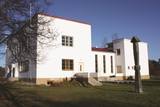 |
Das livische Volkshaus – das 1939 gebaute Haus ist ein Symbol der livischen Identität.
Im Volkshaus kann man eine für die Liven gewidmete Fotoausstellung betrachten.
|
|
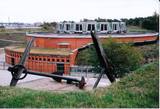 |
Schon seit der früheren Zeiten – ein Platz von der militärischen und strategischen Bedeutung. Für den Schutz des Hafens von Klaipeda wurde 1866 von preussischer Militär den Bau einer Festung angefangen. Im Laufe des 2.Weltkriegs wurde die Festung in die Luft gesprängt. Die Renovierung begann 1979. |
|
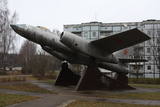 |
Im Dorf von Skulte ist ein seltenes Denkmal erhalten geblieben – Düsenflugzeug (Bombenflugzeug) aus der Zeit der Sowjetunion IL-28), das möglicherweise auch die geflügelten Raketen tragen könnte. Das Flugzeug ist auf drei betonierten Postamenten aufgestellt.
|
|
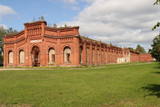 |
This building was erected in 1903 and 1904 to be used for military training, exercises and ceremonial events. An addition to the South of the building held a small church, but it is gone. The building was used for gymnastics performances and competitions for horseback riders. Official meals for the garrison’s sailors were held there, too – the hall could hold up to 3,000 people. Only the outer walls survive today, sad to say. You can view the exterior and interior of the hall at any time. This is the only building of its size and type in Latvia. The roof once had bands of glass tiles.
|
|
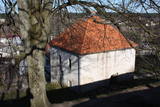 |
The Old Town of Kandava is located around the old Market Square and dates back to 1881, after a fire in the town. The urban environment in Kandava is made up of farms with various buildings, closed yards, passageways and walls made of fieldstones. These can be seen in Talsu Street and Sabiles Street. Uncommon for Latvia is Lielā Street. At the foot of the Bruņinieku Castle Hill is a model of the Castle of the Livonian Order that was created in 2010. |
|
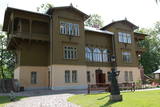 |
Am Ufer der Venta erhebt sich eine wahre Perle der Holzarchitektur - die mit romantischen Geschichten und Legenden umwobene und unlängst erneuerte „Villa Bangert“. Man erzählt sich, dass ein gewisser Kapitän Bangert dieses Gebäude seiner Braut in Paris gekauft habe. Seit 1940 befindet sich in diesem Haus das Heimatmuseum der Stadt Kuldiga. In dem Museum hat man nach der Rekonstruktion der Räume die einzigartigen Wandmalereien und verschiedene andere Details im Interieur wiederhergestellt und somit eine Exposition – die Wohnung der Familie Bangert - geschaffen, die uns ein Bild davon gibt, wie eine wohlhabende kuldigaer Familie zu Beginn der 20er Jahre gelebt hat. Ausserdem kann man hier auch die Kollektion des Spielkarten- Sammlers Jāņis Mētra sehen. |
|
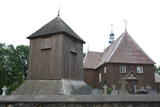 |
Iespaidīga koka celtne un izcils koka arhitektūras piemērs, kuru pamanīs katrs Plateļu apmeklētājs! Plateļu baznīca ir viens no Lietuvas vecākajiem koka dievnamiem. Pašreiz redzamais ir būvēts 1744. g., bet zvanu tornis – 1899. g. Dienvidos no baznīcas plešas Plateļu muižas parks. |
|
 |
Das Gebäude ist im zentralen Teil der Stadt Jēkabpils, in der A. Pormaļa Straße 11 zu suchen. Es ist im Jahr 1931 im Stil Klassizismus gebaut worden. Bis heute hat sich die originale Innenausstattung der Bank erhalten. Heute befindet sich hier die Niederlassung der Bank SEB banka. |
|
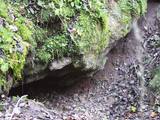 |
The castle hill of Rasnupļi (Opiņķi) is a significant place on the foot of the hill inhabited by ancient Latgalians.
You will notice Velna ala (Devil’s cave) also called small Staburags of Latgale (ancient cult place)
in the right side of the Vīce river. It is a small natural geologically unique formation (length – 3m, width –
2m, high – 0,6m). There are only two such caves in Latvia. There are 5 – 6 m long stalactites.
|
|
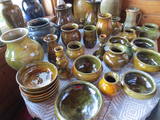 |
Visitors can use a potter’s wheel to create a cup, engrave their name and return to pick up the finished product after it has been fired in the kiln. Here you will learn all about the history of pottery. You can buy finished products and enjoy tasty herbal teas. |
|
 |
Einer der ausgeprägten Kaps der lettischen Küste mit Niederungsauen und einem in 1875 gebauten Leuchtturm. |
|
|
|
Entstanden als eine 6 km entfernte Arbeiterstadt des schon geschlossenen Ignalina-Atomkraftwerks. In der Stadtbebauung dominieren die für die Sowjetzeit typischen architektonischen Formen und Monumentalbauten. |
|
 |
The restaurant is situated in the guest house Liedags alongside the Liepaja-Ventspils highway, 4,5 km away from Jurkalne on the banks of Enavite river. |
|
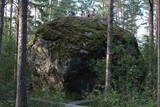 |
Der dritgrößte Feldstein im Baltikum (584 m3, 7 m hoch, Durchmesser bei dem Grund – 32 m ). Auf estnisch bedeutet „Hausstein”. Befindet sich am Rande des Pikanõmme – Majakivi Pfades (4,5 km lang). |
|
 |
Atrodas Cenas tīreļa dabas takas sākumā. No tā labi pārskatāma kūdrā izstrādātā Cenas tīreļa neliela daļa. |
|
 |
On the right bank of the River Pēterupe is one of the historical areas of Saulkrasti – Pēterupe Village. It is believed that the village began to form around a chapel during the so-called Swedish or Catholic times. The chapel was named after the Apostle St. Peter, and therefore the river and the village also carries his name. Pēterupe Village can be considered the oldest village in the Saulkrasti region. The oldest witnesses of the origin of Pēterupe Village are: Rectory, Pēterupe Evangelical Lutheran Church, Outpatient Clinic and the wooden buildings in the old village centre. |
|
 |
Der ökologische Hof, der Fleischrinderzucht betreibt, empfängt auch Besuchergruppen. Hier kann man sich mit der Geschichte und Gegenwart des Hofes bekannt machen. Auf dem Hof werden Fleischrinder der Rasse Aubrac gezüchtet, zudem werden Hafer, Dinkel und Kulturheidelbeeren angebaut. Im Hofverkauf kann man frisches Rindfleisch und Kulturheidelbeeren erwerben. |
|
 |
Ilzenbergas ist der erste und größte landwirtschaftliche Gutshof im Baltikum. In der Wirtschaft, die in Harmonie mit der Natur betrieben wird, kann man verschiedene Sauerteigbrote kosten und kaufen, Geflügel, Eier, Fleisch von auf ökologischen Weiden gehaltenem Rind, Milch und Milchprodukte, Fisch aus den eigenen Fischteichen, Obst und Gemüse, Honig aus der maximal ökologischen Umgebung des Gutes, verschiedene geräucherte, getrocknete und sauer eingelegte Produkte. |
|


