
| Nr | Name | Beschreibung |
|---|---|---|
 |
Das Café befindet sich im Einkaufszentrum Oga und bietet Käse an, die die Visitenkarte der Stadt sind. Lettische Küche: Klöße von Preili, Käsesuppe von Preili und Käsekuchen. |
|
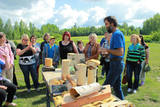 |
Tāšu meistars Jurijs Ivanovs ar lielu centību un degsmi pēc seniem paraugiem cenšas atjaunot labākās Zilupes novada tāšu apstrādes tradīcijas. Top novadam raksturīgi autentiski tāšu trauki ķiploku, putraimu, saldumu, sāls uzglabāšanai, paliktnīši kafijas krūzei vai pannai. Īsts meistarstiķis ir darbarīku rokturu izgatavošana. Darbnīcā varēsiet izgatavot tāšu glezniņu, tāšu tauri, uzrakstīt īpašu vēstuli kādam ļoti mīļam cilvēkam. |
|
 |
Kodas is a forward-thinking cider brand from Southern Estonia, known for its sustainable and precise approach to cider-making. They grow over 30 apple varieties organically, ensuring authentic flavors without artificial additives. Kodas emphasizes pure, undiluted apple juice in their ciders, collaborating with fermentation experts to refine unique production methods. Sustainability is central to their philosophy, with a zero-waste approach that transforms apple byproducts into spirits, purees, and more. Kodas rebranded in 2021, expanding its focus to include non-alcoholic beverages, spirits, and food products, all crafted with a balance of tradition and innovation. |
|
 |
Die Kollektion von Pfingstrosen in diesem Garten umfasst jetzt fast 400 Sorten und die Sammlerin Dagnija Voika ist stolz darauf, eine der größten Sammlungen in Lettland zu haben. Von den als Strauch wachsenden Pfingstrosenarten sind 30 Sorten vorhanden. Zudem wachsen hier auch diverse Schwertlilien, großblütige und sibirische, sowie eine Sammlung von Taglilien. Hinzu kommen einige weniger bekannte Zierpflanzen wie Yucca und Steppenkerzen. Gäste sind insbesondere in der Blütezeit der Pfingstrosen im Juni willkommen, dann gibt es auch ein Pfingstrosenfest und es werden Führungen angeboten. Aus den wertvollen Wurzeln der Pfingstrose wurde die Kosmetikserie PEO kreiert. Man kann auch Jungpflanzen kaufen. |
|
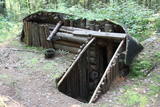 |
National partisans commanded by Rihards Pārups were very active during World War II between Vietalva and Jaunkalsnava. The team was disbanded in 1946. The dugout is at a location that is hard to find and access. It is in the nature reserve of the Veseta Wetlands Swamp. The wood pathway that leads from the East is often hidden by reeds during the summer. During the fierce winter of 2010, the roof of the dugout collapsed, but local enthusiasts plan to reconstruct it. Alongside the dugout is a white cross inscribed with the names of the partisans who lost their lives here.
|
|
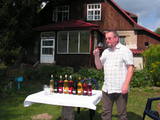 |
The owner of the guesthouse produces homemade wine from blackberries, black currants, lingonberries, oak leaves, birch sap, strawberries, gooseberries, apples, cranberries, cowslip, and 20 other raw materials. You can taste the wines, learn about how it is produced, and purchase some to take along with you. |
|
 |
Eine der ältesten Universitäten Nordeuropas, gegründet 1632. An der Universität haben Jungletten und in der Welt bekannte Wissenschaftler studiert. Das Hauptgebäude (1804 – 1809) mit einer Aula ist eins der hervorragenden Denkmäler der klassischen Architektur im Staat. |
|
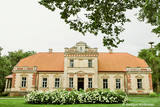 |
Das Gut Jakiškiai wird in den Quellen ab Ende 16. Jh. genannt. Das Gutshaus hat Züge des Klassizismus. Von den einstigen Gebäuden des Ensembles sind das Herrenhaus, der Eiskeller und die Dampfmühle erhalten. Das Gut wurde nicht restauriert und ist daher immer noch authentisch anzusehen – der künstlerische Geist hat einiges an Hausrat vor der Vernichtung bewahrt: Gegenstände aus der Zeit der Gutsherren Koschkull und aus der Sowjetzeit. Neben den Gutsgebäuden sind einige Fragmente des (einst 2 ha großen) Parks erhalten: die Lindenallee an der Einfahrt, wertvolle alte Lärchen, Pappeln, Kiefern und ein kleiner Teich. |
|
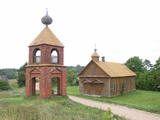 |
One of the most unusual houses of worship in the national park, this one has a red brick tower, and together with local residential buildings it makes up an interesting cultural landscape. The prayer house is not open to the public. |
|
 1 Tag
|
Tūrisma gide Ineta Jansone piedāvā ekskursijas grupām gar Kaņiera ezeru, iepazīstinot ar putniem, kuri mīt tā tuvumā. Kaņiera ezers ir vieta, kur migrācijas laikā apmetas daudzi tūkstoši ūdensputnu. Ezerā un tā apkārtnē sastopamas vairāk nekā 200 putnu sugu. Putnu vērotāju ērtībām vienā no Kaņiera ezera pussalām uzcelts putnu vērošanas tornis. Netālu no putnu vērošanas torņa izveidota koka laipa uz pontoniem, kura stiepjas cauri niedrāju audzei. Kaņiera ezers izceļas ar lielu daudzums zivju – tajā konstatētas gandrīz 20 zivju sugu. Izsens zvejnieku ciems - Lapmežciems atrodas skaistā vietā uz šauras zemes strēles starp Kaņiera ezeru un Rīgas jūras līci. Lapmežciemā izveidots zvejnieku muzejs, kuru var apmeklēt ekskursijas laikā, kā arī nobaudīt svaigi kūpinātas zivis. |
|
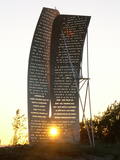 |
In Ošvalki, which is between Jūrkalne and Sārnate, there is a commemorative sign, “Sail of Hope,” which commemorates Latvians who sought to cross the Baltic Sea to Sweden during the latter period of World War II in 1944 and 1945. The sign is in the dunes between the road and the sea. |
|
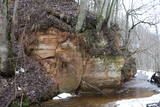 |
It is worth hiking this road where in crosses the Šlītere Blue Hills. This part of the road is approximately one kilometre long, and it goes down to the valley of the stream which crosses the hills. The place has been given a peculiar name – the Kušperlankgrāvis ravine (or the Zeltiņi ravine, as is claimed in other sources). If you're driving, be careful, because there is no bridge here, just a ford. During the early spring or the winter, you will appreciate the ravines and the impressive Blue Hills themselves. Impressive sandstone cliffs which are several metres high and have been vandalised by human hands are on both sides of the road. There is a small niche in one of the cliffs. To the right (East) from the road at the terrace of the Blue Hills is a side road which leads to the Mežlīdumi homestead. Please be gentle with the cliffs! |
|
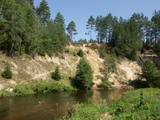 |
This territory is Lithuania’s most forested area, and people here have always lived in accordance with nature. Local treasures include berries, mushrooms, honey, clean water from streams and rivers, etc. People here have engaged in various crafts, as well as in beekeeping.
|
|
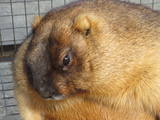 |
A friendly place for families, children and all interested parties. You can go on a tour or individually look at and learn about marmosets. |
|
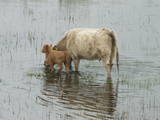 |
The shallow and mostly overgrown (65% of its surface) Lake Engure is one of those Latvian lakes which are most favoured by birds. It is a location which is governed by the Ramsar Convention on Wetlands, and 186 species of nesting birds have been identified there. The area is also distinguished by great botanical diversity (more than 800 kinds of plants). The coastline varies between sandy beaches and seashore meadows. There are forests, fishing villages and damp areas which ensure a great diversity in landscapes and species. The flood-land plains of the lake and the sea are grazing grounds for wild livestock – horses, blue cows, etc. Several bird-watching towers are open to visitors, as is the Orchid trail. The Centre for Ornithological Research is located on the eastern bank of Lake Engure. A unique floating house built by ornithologists is located on the lake. The territory is appropriate not just for holiday-makers, but also for hikers, bicyclists and bird-watchers. A leisure area and a small exhibition are located close to the ornithological research centre. |
|
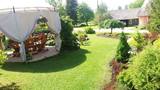 |
This farm welcomes groups and individual travellers for a smoke sauna, lunch, and a chance to taste Suiti bread, buns and special seed pastries that are based on ancient recipes. |
|
 |
Esko Farm is a family business which focuses on making dairy products from their own lifestock. Farm's products include yogurt ice creams, cheeses, yogurts and so on. It's possible to take a tour around the farm, get to know the animals as well as have degustation of the farm's products. |
|
 |
The Smārde saloon has a very long history,
and food is served here. There is a car park, and
approx. 100 m to the East is a cemetery and
monument to commemorate soldiers who fell
during World War II.
|
|
 |
A farm engaged in the cultivation and processing of large cranberries. Offers berries, cranberry juice, syrup. On Fridays at Dundaga market from From 7:00 to 11:00 it is also possible to buy products. |
|
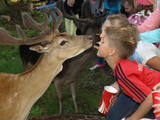 |
Some 200 fallow deer live in large paddocks at the park, and the largest deer sorting facility in the Baltic States is right next door. You can look at the animals from up close. The owner organises educational camps for children and offers consultations on the breeding of animals. |
|


