
| Nr | Name | Beschreibung |
|---|---|---|
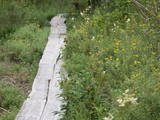 |
Teritorijas apskates nolūkos ir izveidota un labiekārtota dabas izziņas taka. Dabas liegums atrodas Abavas senlejas dabas parka teritorijā. Taka iepazīstina ar vienīgo krūmu čužas savvaļas augšanas vietu Latvijā. |
|
 |
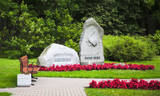
Uzpludinātās Zveņģupītes kreisajā krastā – neliela meža pudura malā (170 m no Rīgas – Daugavpils šosejas (A 6)) atrodas 1991. g. atklātais (autors: Juris Zihmanis) akmens – piemiņas vieta 17. gs. Lielvārdes meitenei Katrīnai, kura kā ragana sadedzināta sārtā. |
|
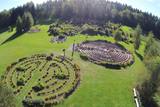 |
Im Park befinden sich fünf Labyrinthe, die mit Zierpflanzen geschmückt, mit Blumen und Heilkräutern bepflanzt sind. Dabei handelt es sich um Thymian, Phlox, Pfingstrosen, Beinwell, Hartheu, Pfeifenstrauch, Zierquitten, Brennende Liebe, Eisenhut, Dost, Estragon, Schlüsselblume, Rainfarn, Schöllkraut, Alant, Minze, Goldrute, Mädesüß usw. Der längste Pfad in dem energetischen Labyrinth ist 1,7 km lang. Und wenn man alle 5 derzeit vorhandenen Labyrinthe durchlaufen will, kommt man auf knapp 5 Kilometer. Im Park sind 3 geometrische Figuren eingerichtet: Kuppel, Mandala und Merkaba. |
|
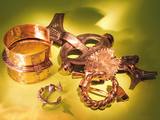 |
The Museum of Malta Secondary School No 2. Exhibition of the
ancient Latgalian jewellery of the 6th –13th century.
Working hours: Mon– Fri : 9.00 – 16.00, Sat., Sunday : closed |
|
 |
Die Ordenfestung Vasteliina stammt aus dem 14. Jh. Und bis zum Ende des 17. Jh. war es eine mächtige Grenzfestung zwischen Russland und Europa. Endgültig wurde die Festung im Nordischen Krieg 1702 zerstört. Im Mittelalter war die Festung von Vastseliina in der katholischen Welt als Zielort von Pilgerwanderungen bekannt. Das Besucherzentrum befindet sich im ehemaligen Wirtshaus. Für die Gäste werden Ausstellungen über Geschichte der Burg und der Ortschaft, Legenden, Handarbeit, Workshops, Konzerte und Spektakel angeboten. Im ehemaligen Wirtshaus werden stilvolle Mahlzeiten durchgeführt, wo die Gäste Kleidung aus Mittelalter tragen. |
|
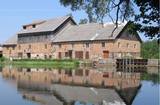 |
In der einzigen noch heute funktionierenden estnischen Wassermühle dieser Art kann man den Prozess der Brotherstellung vom Anfang bis zum Ende mitverfolgen. Zuerst werden Sie sehen, wie aus Getreide mit Hilfe der Wasserkraft Mehl gewonnen wird, danach können Sie unter Anleitung der Wirtin im Brotbackofen selbst Brot backen. Führungen und Workshops müssen im Voraus angemeldet werden. Man kann auch Verpflegung bestellen. |
|
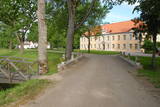 |
Der Landgutkomplex (mehr als 12 Gebäude) und der Park von Veselava (deutsch Wesselshof) haben sich bis heute fast vollständig erhalten. Das Schloss des Landgutes ist in den 1840er Jahren auf einer eiförmigen Insel gebaut worden, die von allen Seiten von einem Graben umschlossen wird. So eine Lage des Herrenhauses hat eine mittelalterliche Festung nachgeahmt. Im Herrenhaus befinden sich jetzt die Gemeindeverwaltung, eine Bibliothek und die Post. Hier kann man eine Führung durch das Landgut und seine nähere Umgebung bestellen. Mit dem Landgut von Veselava sind Erzählungen über den Baron und das schöne Mädchen Rasa Kausule verbunden, die sich ähnlich wie die Rose von Turaida der Laune des Gutsverwalters nicht unterworfen hat. Um die ganze Geschichte zu hören, muss man nach Veselava fahren. |
|
 4 Tagen
|
Маршрут проходит по живописным природным местам Эстонии – биосферному заповеднику Моонзунда (Moonzund), национальному парку Матсалу (Matsalu) и заповеднику Вийдумяэ (Viidumäe). Маршрут включает два самых больших острова Эстонии, богатых природными и культурными памятниками – Сааремаа и Хийюмаа, - а также малые острова Муху и Касари. В маршрут включены самые интересные природные тропы (длина каждой 1-5 км), смотровые вышки и места наблюдения за птицами, биотопы, а также три поездки на пароме между островами Моонзундского архипелага. |
|
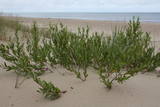 |
Ein Gebiet zwischen Palanga und Klaipeda, gegründet für den Schutz der Dünen und Biotopen der Küstenwälder. Ein asphaltierter Radweg läuft durch das Gebiet. |
|
 |
Located in Vihula Manor Country Club&Spa complex, in the historical Ice Cellar, a rustic Estonian countryside tavern, is seating up to 100 guests on 2 floors. The tavern is featuring limestone walls decorated with old farm tools, wooden beams, waitresses in traditional Estonian customs, Estonian folklore music, traditional Estonian countryside cuisine based on natural and ecologically balanced produce and a large selection of beer and ale. The tavern offers traditional Estonian buffet lunch and dinner specifically designed for groups and also the possibility to book a folkloric dance show or traditional Estonian live music. |
|
 |
Zemnieku saimniecība „Virši” audzē kaņepju sēklas, no kurām tiek iegūta kaņepju eļļa un kaņepju staks (apceptas, maltas kaņepes). ZS "Virši" produkciju ir iespējams degustēt dažādās vietās ārpus saimniecības, kā, piemēram, Kalnciema tirdziņā u.c. |
|
 |
You can watch blacksmiths at work at this smithy, and you can order metal decorations, fences and other products on the basis of individual agreement with the blacksmith. |
|
 |
Vom 6. – 8. Jh. befand sich an der Stelle der heutigen Stadt Grobiņa die größte in den baltischen Ländern bekannte skandinavische Händler- und Soldatenkolonie. Die Einwanderer aus Gotland und Schweden hatten ihre Inlandsiedlung auf einem Hügel eingerichtet, der sich am Ufer des damals schiffbaren Flusses Ālande befand. Es wird angenommen, dass sich genau hier die in den Chroniken aus dem 9. Jh. erwähnte Burg der Kuren – Seeburg – befand. Nach dem Bau der Ordensburg im 13. Jh. wurde Grobiņa zu einem Kreiszentrum. Die älteste Bebauung der Stadt hat sich um die Lielā Straße, sowie um die Saules Straße und Parka Straße herausgebildet. |
|
 |
Saimniecība piedāvā zirgu izjādes (ratos un mugurā), iespēja apskatīt dzīvniekus lauku sētā (zosis, vistas, truši, teliņi, kazas, aitas, suņi un kaķi). Pļavas ar ārstniecības augiem, mežs, dīķis, stārķu koks. Sarunas par dzīvi ar saimniekiem. Rīta rasas skaistuma procedūras, "varžu koris", tējas baudīšana seno ābeļu paēnā, ārstniecības augu vākšana kopā ar saimnieci. Telšu un piknika vietas (līdz 20 cilvēkiem). |
|
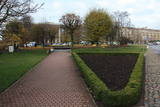 |
Истоки площади Роз уходят в 1911 - 1913 гг., когда на этом месте разбили открытый сад с > 500 кустами роз. В советское время рядом с площадью Роз был установлен памятник Ленину. Восстановленную в 2000 году площадь окружает Лиепайская Педагогическая академия, гостиница «Лива», Центр бизнеса и сделок De Rome (построен в XIX веке, архитектор Пауль Макс Берчи, бывшая гостиница «Рим») и Лиепайский дом латышского общества (камень в основание заложил Карлис Ульманис в 1934 г.). По бордюрам грядок роз размещены памятные знаки городов содружества Лиепаи. К площади Роз подходит улица Зивью (Рыбная), получившая свое название от когда-то существовавшего рыбного рынка. На улице Зивью находится Аллея славы латвийских музыкантов (с 2006 г.), где установлено 35 плит с бронзовым рельефом ладоней музыкантов, 10 плит, посвященные популярным латвийским музыкальным группам, а 5 – ушедшим в мир иной. Здесь же установлена самая большая гитара Латвии. |
|
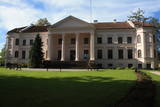 |
Līdzmūsdienām ir saglabājusies vecā - 18. gs. vidū klasicisma stilā celtā vecā kungu māja (šobrīd netiek izmantota, skaisti sīkrūšu logi!) un tai iepretim - pēc 1905. g. ugunsgrēka atjaunotā (1912. – 1913. g., neoklasicisma stils) jaunā pils, kurā atrodas Īvandes pagasta pārvalde, bibliotēka un jauniešu tūristu mītne. Ēkā saglabājušies atsevišķi interjera elementi – parketa grīdas, koka kāpnes u.c. Muižas parkā joprojām zaļo Baltijā lielākā Eiropas baltegle. Tās augstums pārsniedz 32 m, apkārtmērs - 4 m. Parkā izveidota atpūtas vieta. |
|
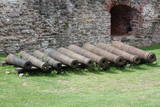 |
The Bauska Castle contains a collection of cast iron cannons which date back to the latter half of the 17th century and the beginning of the 18th century. They were manufactured in the Duchy of Courland. The cannons that are in the garden of the castle were not found there – they were found in different locations in Zemgale. Four of the largest cannons came from Jaunsvirlauka, where they were found on the banks of the Lielupe River opposite Emburga. They are the best preserved weapons of their type in Latvia. The only cannon that was found in the castle itself is currently in its South-eastern tower as a thematic exhibit. When it was being cleaned, two cannonballs were found in the weapons. The local Livonian Order castle is in ruins, but it and its defensive structures, including earthen ramparts that were installed from the mid-15th until the early 18th century, represent an important element of Latvia’s military heritage.
|
|
 |
Die Gaststätte in einem Holzblockhaus am Stadtrand von Sigulda ermöglicht es, den lettischen Geist im Inneren zu verspüren und lettische Gerichte zu genießen. Die Traditionen und die Qualität der lettischen Kochkunst sind in der Gaststätte erhalten gebleiben Lettische Küche: Sauerkrautsuppe, Zanderfilet, Hechtfrikadellen, Schweinezunge, Schweinerippen, hausgemachte Frikadellen, Kartoffelpfannkuchen, geschichtetes Roggenbrot-Dessert, im Honig gebackenes Roggenbrot, gebackener Apfel, hausgemachtes Eis. Das besondere Gericht: Steak nach dem Geschmack von "Bucefāls", Eis nach dem Geschmack von "Bucefāls". |
|
 |
Kafejnīca "Kalnakrogs" atrodas Skrundas novada Rudbāržu pagastā pie Rīgas - Liepājas šosejas. Kafejnīcas ēdienkartē iekļauti latviskie ēdieni, iespējams pasūtīt banketu un izīrēt telpas semināriem. Piedāvā nakšņošanu. |
|
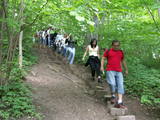 |
Es ist ein Ort, wo man kurze und lange Spaziergänge machen kann. Hier ist der 1,6 km lange Pfad von Sprīdītis (mit Holzskulpturen der Helden aus den Märchen der Schriftstellerin Anna Brigadere), der 3,8 km lange Waldlehrpfad und der 8 km (eine Richtung) lange Landschaftspfad von Augšzeme. Alle Pfade befinden sich in einer subglazialen Bettung, wo sich einer nach dem anderen kleine Seen und Sümpfe befinden, die mit Durchflüssen verbunden sind. Zum Schutz der Landschaft und anderer Werte ist hier ein Naturschutzgebiet eingerichtet worden. An der Stelle, wo die Pfade anfangen (unweit von Pilskalne), ist der ungefähr 30 Meter hohe Hügel Melnaiskalns (Schwarzberg oder der Burgberg von Rāmava) zu besichtigen. |
|


