
| Nr | Name | Beschreibung |
|---|---|---|
 |
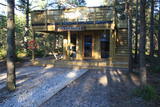
Im schönen Café Luke, das im Gärtnerhaus im Park des Landguts eingerichtet wurde, können die Gäste im Sommer leckere örtliche Speisen verzehren. Im Alltag wird eine einfachere Speisekarte mit den örtlichen Produkten angeboten. Die festliche Speisekarte dagegen ist reich an Auswahl, man kann darin geeignete Varianten sowohl für kleine Gruppenfeste als auch für reiche Festtagstische finden. |
|
 |
Die Gäste erwartet ein gesundes, für die Gegend charakteristisches Öko-Essen. Hier kann man das nationale Kulturerbe, verschiedene Legenden kennen lernen sowie Leckereien und Souvenirs kaufen. |
|
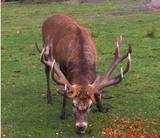 |
he wetland meadows that are around the Pededze River are the site of this 200 ha farm with some 350 red deer, other deer and wild boar. There are towers from which you can watch the graceful animals, and there are ponds for commercial fishing. Please contact the owner well in advance for a tour. |
|
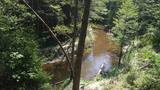 |
Nature trail "Curves of Riva" starts at Ulmale-Labraga Lutheran Church and continues 3 kilometres down the picturesque downstream of river Riva. Rīva here flows in a canyon-type ravine which reaches 12 meter rise at some points. The trail reveals countless river twists and turns and steep coastal cliffs. The trail is partly accessible with an assistant and is marked with green paint. |
|
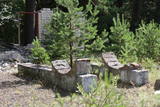 |
Der Posten der Grenzwache Ovīši 521 ist im Besitz vom Abwehrministerium der Republik Lettland und das Territorium ist für Zivilpersonen geschlossen. Nur einzelne Ruinen der Gebäude an der Düne sind für Interessenten zugänglich.
|
|
 |
The craftsman produces practical and household items on the basis of Latvian ethnography, also continuing old traditions related to Latvian blacksmith operations. You can forge your own nail or horseshoe. |
|
.jpg?size=160) |
Die Wirtschaft Jokas befindet sich 4 km östlich von Turlava. Der Wirt Jānis Uzulēns hat das Unternehmen seit dessen Gründung im Jahr 2011 zielstrebig entwickelt und vergrößert. Der Stolz der Wirtschaft ist die Herde der Fleischrinder, die 70 Kühe bilden, sowie fünf Pferde. In der Wirtschaft werden Würste und andere Fleischprodukte hergestellt. Hier werden auch solche Dienstleistungen wie Bewirtschaftung von Wäldern und Fischzucht angeboten. |
|
 |
Summer cafe "Divjurinas" is located at Kolkasrags, open from May to October. |
|
 |
Šūpošanās ir veselīga nodarbošanās, šūpoles ir enerģijas uzkrāšanas avots. Kad dabā veidojas spēcīgs enerģijas maksimums, šūpojoties iespējams saņemt īpaši daudz. Šūpoles ļauj atrauties no zemes, kaut uz mirkli. Parka teritorijā ir brīvdabas pavarda vieta un pirts. Saimniece piedāvā profesionālus pirts rituālus un nakšņošanas iespējas. |
|
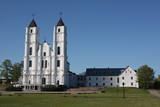 |
Auffällig sind die beiden 60m hohen Türme des im Barockstil erbauten Gotteshaus. Die Kanzel, der Orgelprospekt, die Orgel und ein Beichtstuhl stammen aus dem 18. Jh., die Seitenaltäre vom Beginn des 19. Jh. Im zentralen Teil des Altars befindet sich das Gemälde „Die wundertätige Gottesmutter von Aglona aus dem 17.Jh., dem Heilkräfte zugesagt werden, daher wird es nur zu bedeutenden Zeiten gezeigt. Vor dem Besuch des römischen Papstes Johannes Paul II in Lettland im Jahre 1993 fanden umfangreiche Renovierungs- und Umbauarbeiten am Kirchenkomplex statt. Alljährlich kommen am 15. August Pilger nach Aglona, um das Fest Mariä Himmelfahrt zu feiern. Etwa 100m von der Basilika befindet sich die heilige Quelle Aglonas Svētavots. |
|
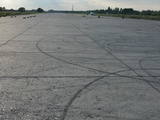 |
Der Flugplatz von Rumbula wurde als ein Militärflugplatz nach dem Zweiten Weltkrieg aufgebaut. Der Flugplatz wurde am Ufer von Fluss Daugava aufgebaut an dem Ort, wo sich viele Einzelhöfe befindeten. Nach dem der Flugplatz von Spilve seine Tätigkeit eingestellt hatte, wurden nach Rumbula die Flugapparaten der Zivilluftfahrt und nach Flughafen von Riga – die Technik der Kriegsluftfahrt versetzt. Heutzutage wird der Name „Rumbula” meistens mit dem Autohandelsplatz assoziiert. Ein Teil des Autoplatzes befindet sich im Territorium des ehemaligen Flugplatzes. „Ein Erbe” in gewisser Art ist die Verschmutzung von den Tanken des Brennstoffes des ehemaligen Flugplatzes, wo das Petroleum aufbewahrt wurde. Im Territorium des Flugplatzes werden die Flüge mit Paraplanen durchgeführt.
|
|
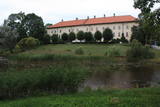 |
One of the largest castles in Kurzeme, this building has been preserved in fairly good shape. Work on its began in the mid-13th century, and it was commissioned by the heads of the Dome Cathedral in Rīga. In 1434, the estate was bought by the bishop of Kurzeme. The Maidel and Osten-Sacken dynasties owned it from the 16th to the 20th century. The Dundaga Castle burned down twice and has been rebuilt many times. The last reconstruction was in 1905, after the castle was burned down during the revolution. Of interest on both sides of the castle’s door are stone carvings of a knight and a bishop. In recent years, the hotel in the castle has been renovated, as has the second floor hallway and a terrace that is popular for weddings. There are many legends about the castle, including one about a wedding of elves and another about the Green Lady. Today the building houses the Dundaga School of Music and Art, a hotel, party rooms, the Dundaga Tourism Information Centre and various exhibitions. It is worth finding a guide to tour the castle. Groups of tourists can also order tastings of local foods. |
|
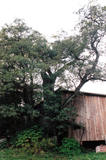 |
This is the thickest Black Alder (Alnus glutinosa) in Latvia
|
|
 |
Noch eine von den Geschützbattereien der Küste Kurlands.
|
|
 |
Der Vortrag im Hof macht die Besucher mit den im Hof gehaltenen Tieren, deren Pflege und Herkunft der Rasse bekannt. Die Besucher können zum Beispiel Eier einsammeln und lernen, wie man richtig im Sattel sitzt und reitet. |
|
 |
Taarka Tarõ Köögikõnõ befindet sich auf einem traditionellen Bauernhof der Setukesen. Dort werden neben den traditionellen Gerichten der Setukesen auch Gerichte anderer finno-ugrischen Völker sowie ukrainische Gerichte angeboten. |
|
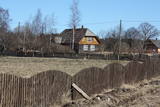 |
Der Hof befindet sich nordwestlich (Richtung der Küste) von der Baptistenkirche von Pitrags. Kurgati ist eine Fischer- und Bauernwirtschaft, die in den 1930er Jahren gebaut wurde. Sie brachte neue Bauelemente in der von den Liven bewohnten Küste ein, weil ihre Dächer abgestumpfte Spitzen hatten, was den Häusern der livischen Dörfer nicht charakteristisch war. |
|
 |
Atrodas pie tilta (Akadēmijas iela 1) pār Lielupi. 1574. g. pēc Kurzemes – Zemgales hercoga Gotharda Ketlera pavēles uzsāk jaunas baznīcas celtniecību. Dievnama tornis tapa laikā no 1686. g. – 1688. g., bet 1862. g. to paaugstināja līdz 80,5 m. Baznīca nodega padomju aviācijas uzlidojuma laikā 1944. g. 27. jūlijā. 1954. g. Padomju armijas sapieri uzspridzināja ēkas atliekas. 2009. g. sākās baznīcas torņa rekonstrukcija un šobrīd tajā izveidots izcils interaktīvais muzejs (īpaši draudzīgs bērniem) un stiklota skatu platforma. |
|
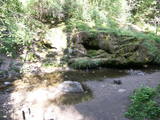 |
Die Staburags – Klippen von Rauna sind die wichtigsten Klippen, seit die großen Staburags – Klippen der Daugava unter den Wellen des Staudamms während des Baus des Wasserkraftwerkes in der Nähe versanken. Diese Klippen sind etwa 8.000 Jahre alt und werden als Kalkablagerungen aus Moos und anderen Pflanzen gebildet. Die Staburags – Klippen von Rauna werden als der einzige Ort in Lettland benannt, wo das Alpenfettkraut beheimatet ist, jedoch ist es in den letzten 15 Jahren dort nicht mehr gesehen worden. Vielleicht sind die vielen Menschen, die die Klippen jedes Jahr besuchen, schuld daran. Der Strom, der den Kalk zu den Klippen bringt, ist ein Biotop von europäischer Bedeutung.
|
|
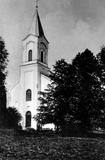 |
The first building of the church was built in 1641. The fourth building of the church was only built in 1856 – during the times of Pastor Johann Wilhelm Knierim. Its altar painting – The Crucified Christ (Golgotha) was painted in 1856 by Jozeps Millers, who was influenced by the altar piece in Munich Louis Church created by his teacher Peter Cornelius. An epitaph of Baroness Auguste Amalija von Pistohlkros, the sister of the owner of Bīriņi Manor and the patroness of the church, was immured in the memorial wall. Construction of the tower was completed on 11 June 1856, as evidenced by a memorial plaque on the wall of the church with an inscription “Erbaut von August Pistolkors 1856”. The church was consecrated in 1864. And a year later an organ by Martin Company with 8 registers, which was extended to 14 registers in 1903, was installed in the church. Unfortunately, the organ was destroyed in WW2. Saulkrasti (Pēterupe) Evangelical Lutheran Church survived both World War 2 and the Soviet period. The Soviet era was one of the most difficult times for the church, because many churches in the area were destroyed, pastors were discharged and the congregation fell apart. The Pēterupe congregation remained. As an architectural monument the church was lucky enough to undergo roof repairs of the tower even during Soviet times. Funds were granted by the Chairlady of the Executive Committee Ņina Manzūrova. |
|


