
| Nr | Name | Beschreibung |
|---|---|---|
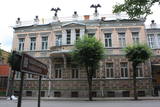 |
Atrodas Rīgas ielā 8 – skaistā, 1883. g. celtā jūgendstila ēkā . Muzejs (viens no Latgales lielākajiem un vecākajiem) tajā darbojas no 1959. g. (pats muzejs dibināts 1938. g.) un tā krājums vēsta par Daugavpils un tās apkārtnes vēsturiskajiem notikumiem. Tajā regulāri tiek rīkotas arī tematiskās izstādes, piedāvātas muzejpedagoģiskas programmas. Te vēl var apskatīt Daugavpilī dzimušā un pasaulē pazīstamā mākslinieka Marka Rotko (1903. – 1970.) gleznu reprodukcijas, kuras no 2013. gada plānots pārcelt uz M. Rotko centru Daugavpils cietoksnī. |
|
 |
Aus den in der herrlichen Hügellandschaft des Kreises Võru (Võrumaa) wachsenden Beeren und Früchten machen die Weinbauer Wein, sie stellen den Gästen ihren Garten vor, erzählen über die Weinherstellung und veranstalten Verkostungen und Workshops. |
|
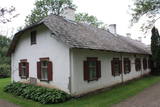 |
Das Rainis – Museum „Jasmuiža“ (Raiņa memoriālais muzejs „Jasmuiža”) Von 1883 – 1891 lebte Rainis‘ Vater Krišjānis Pliekšāns in dem Herrenhaus, das ehemals im Besitz der Familie Šadurski gewesen war. Der junge Dichter Rainis verbrachte hier seine Jugendjahre, wie es sich in dem Werk „Im Land meiner jungen Jahre“ (“Manu Jaunu dienu zemē”) wiederspiegelt. In Jasmuižā entstand auch die Übersetzung von Puschkins Drama „Boris Godunow“. Um das Werk des Dichters zu würdigen, wurde 1964 im Verwalterhaus des Gutshofes die Ausstellung „Rainis‘ Gymnasial- und Studienjahre“ geschaffen. Im renovierten Kuhstall des Hofes kann man Töpferarbeiten aus Latgale sehen. |
|
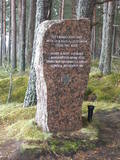 |
So wird eine 6 km lange und einsame Wegstrecke zwischen den Dörfern Ragaciems und Klapkalnciems genannt, wo laut Erzählungen in alten Zeiten Reisende von Räubern überfallen wurden. Ungefähr 1,5 km vor Klapkalnciems (von der Seite des Dorfes Ragaciems) befindet sich an der Küste in einer Düne ein Gedenkstein, der den Kämpfen der finnischen Jäger gewidmet ist und der am 9. Dezember 1997 enthüllt wurde. Der Stein ist hierher aus dem Südosten Finnlands gebracht worden, wo im Jahr 1940 er als Panzerabwehr gedient hat. Auf dem Gedenkstein ist folgendes eingraviert: „Hier haben während des Ersten Weltkriegs vom August bis Dezember 1916 finnische Jäger gekämpft.“ Aber im Dorf Klapkalciems ist ein Gedenkstein enthüllt worden, wo fünf finnische Jäger beigesetzt worden sind. |
|
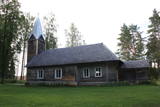 |
The Lode (Apši) Lutheran Church is between Lake Bānūži and Lake Ilze. It is a unique example of wooden architecture and dates back to 1780. The log church had a straw roof until the early 20th century, at which point a shingled roof was installed instead. |
|
 |
Atrodas Rīgas – Daugavpils autoceļa (A 6) 118. kilometrā. |
|
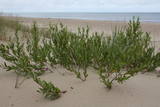 |
Ein Gebiet zwischen Palanga und Klaipeda, gegründet für den Schutz der Dünen und Biotopen der Küstenwälder. Ein asphaltierter Radweg läuft durch das Gebiet. |
|
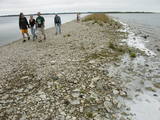 |
Die fünftgrößte Insel Estlands. Naturpfade, Vogelbeobachtungsturm, Kapelle von Kassari (18. Jh.) und Sääre tirp – eine 3 km schmale weit ins Meer reichende Landzunge aus Geröll, auf der man spazierengehen kann. |
|
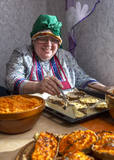 |
A true Latvian landlady, Skaidrīte Nagliņa, will welcome you to this farm and show you how to bake traditional bread. Old recipes and a bread oven heated by firewood will lead to beloved and tasty carrot buns, fresh sourdough bread and “pizza” ὰ la the Suiti. For groups up to 10 people. Please contact the farm in advance of your visit. |
|
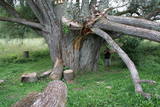 |
This is certainly the thickest White Willow (Salix alba) in Latvia and perhaps the thickest one in the Baltic States. Many of its mighty branches are resting on the ground, and the enormous monolithic trunk has been split. There’s a small information stand alongside the tree. A pathway which starts at the Raganu cliffs can be taken to the tree.
|
|
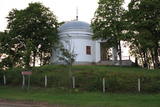 |
Varakļānu centrā, Rīgas ielas malā paceļas neliels paugurs, uz kura atrodas balta ēka ar 4 kolonnām un kupolveida jumtu, kas celta pēc Romas Panteona parauga. Kapela būvēta 1814. g. (arhitekts Vinčento Macoti), un tajā atrodas grāfu Borhu dzimtas apbedījumi. Kapelā bija novietoti arī Sv. Viktora pīšļi, kas pārvesti uz Varakļānu katoļu draudzes baznīcu. |
|
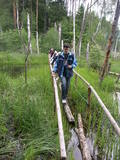 |
Ap 7 km garš lokveida pārgājienu maršruts (marķēts), kas ved pa dažādiem biotopiem – mežiem, mitrājiem un pļavām, mezdams līkumus pa stāvo pauguru nogāzēm. Takas malās ir izvietoti informācijas stendi un norādes. Rebases ainavu taka ir domāta tiem, kurus nebaida garāka iešana un orientēšanās pa ļoti dabisku un mazapdzīvotu apvidu. |
|
 7 Tagen
|
Diese Tour zeigt die besten Pfade und Sehenswürdigkeiten des Nationalparks Gauja. Die Wanderungen sind so organisiert, dass der Reisende ständig in Bewegung ist. Die “Arterie” des Parks ist das Urstromtal des Flusses Gauja mit vielen Nebenflüssen und Schluchten in den massiven Sandsteinfelsen aus der Devonperiode. Die Wanderung beginnt an einer der ältesten Kirchen in Lettland, führt dem Fluss entlang und endet an der Bobbahn von Sigulda. Auf Ihnen warten malerische Aussichten auf den Fluss, die Felsen und Naturpfade. Der Naturpfad des Flusses Amata schlängelt sich durch unberührte Wälder und bietet die Möglichkeit, die Ikone der lettischen Naturlandschaft – den Felsen von Zvarte – zu besichtigen. |
|
 |
"Ziedlejas" offers sauna treatments and events in the contemporary design Glass Sauna, Smīma Spruce Smoke Sauna and Black Sauna, which is located in an unspoilt corner of the forest. The ritual sauna treatment includes heating, herbal compresses, herbal scrub, big beating, swimming in the pond, massage with healing oil and honey, vibrating with sound, tea, home-baked bread. The sauna treatment lasts four to five hours and is led by a sauna master. Various master classes are possible in connection with sauna rituals and the use of plants in healing and beauty care and the preparation of appropriate preparations. Bicycle rental is available, which includes access to the Ziedleju xc / enduro trails, bicycle training and bicycle guide services. It is also possible to organize and lead team building events, as well as team communication trainings. |
|
 |
”Cīruļi” atrodas 5 km attālumā no Rūjienas, Jeru pagastā. Īpašums ir pārmantots no paaudzes paaudzē, īpašniekiem vienojoties kopīgā mīlestībā uz ziediem, dažādu augu audzēšanai pārvēršoties arī par vaļasprieku. Dārzā atrodamas arisēmas, ramondas, magnolijas, knifofijas, rodžersijas, ligularijas, rožainā radiola, ehinācijas un vēl daudz vairāk pazīstamu, skaistu augu. Pavasaris iesākas ar sniegarožu un daudzo sīpolpuķu plaukšanu, vēlāk - krāsainie īrisu ziedi un trauslās astilbju skaras. Daudz skaistuma un krāsainības puķu dobēm piedod heihēras un hostas, kas priecē līdz pat vēlam rudenim. Dārzā aug arī skujeņi, vīteņaugi un katru gadu ražojoši vīnogulāji, kas veido pašu dārza telpu.
|
|
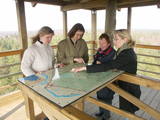 |
Ložmetējkalns Hill is one of the highest locations at the Long Dune. There is a monument to heroic Latvian riflemen who suffered great losses here during the Christmas battles of late 1916. There is a great view of forests all the way to Jūrmala, as well as of the Maztīrelis swamp, where the embankment of the former narrow-gauge railroad is very evident. This is part of a memorial park to commemorate the Christmas battles. You can visit the Mangaļi museum, the restored “German Rampart,” monuments and other objects.
|
|
 |
The Līgatne Paper Factory is located at Pilsoņu Street 1 in Līgatne. The factory was first built in place of an old paper windmill by two tradesman from Rīga who also built dormitories for residents. These structures are an important component in the urban environment of Līgatne. The rapid flow of the Līgatne River allowed the factory to produce writing paper, stationary and wrapping paper. In 1858, the factory was brought by a local nobleman who brought in new equipment from Scotland. If some 100 people worked at the factory during the first half of the 19th century, then that number rose to 600 by the end of the century and 800 at the beginning of the 20th century. Writing paper was the primary product from the factory, although there were sometimes special orders. During World War I, for instance, the factory produced paper on which the Russian military printed its maps. This allowed the factory to hold an important role in the Russian market. During the Soviet era, the factory at Līgatne produced notebooks and other products that were sent all over the USSR. Today the factory mostly produces wrapping paper of various kinds from waste paper. The Līgatne Paper Factory is the only functioning entity of its kind in Latvia, and there are guides available to give you a tour. The historical centre of the campus on which the factory sits is a cultural monument. The Līgatne Tourism Information Centre (_371-6415-3313) offers tours of the centre during which you will learn about the lives of the factory's workers and administrators in the late 19th and early 20th century. Back then there was major construction work at the factory to build residences for workers, a school, a childbirth facility, a hospital, a club, a guesthouse and other buildings which have survived to the present day. |
|
 |
Atrodas Rendā, pie tilta pār Abavu. Mazs, jauks krodziņš, kas atrodas vēsturiskā ēkā ar patīkamu interjeru. Piemērota maltītes ieturēšanas vieta ne tikai tiem, kas pārvietojas pa ceļu, bet arī Abavas laivotājiem. Strādā g.k. vasaras sezonā. |
|
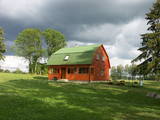 |
Saunahaus mit Kaminzimmer, Sauna, Dusche, Doppelschlafzimmer. Sommerhaus mit einem Zimmer mit zwei einzelnen Betten, Trockentoilette. |
|
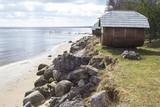 |
Eine alte livische Siedlung. Der livische Name der Siedlung lautet Mustanumm. Noch in der Mitte des 20. Jahrhunderts wohnten hier die Liven. Die Vertreter der Familien Landmaņis, Morics un Otomers haben in Melnsils bei der Mündung des Flusses Baķupīte in die Rigaer Bucht drei Segelschiffe gebaut. In Melnsils befinden sich zwei kulturhistorische Orte: der Kirchenberg Baķu – einen alten Sakralort und die Wallburg des Seeräubers Trommel. (Die Quelle: Roja TIZ) |
|


