
| Nr | Name | Beschreibung |
|---|---|---|
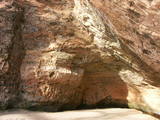 |
Die breiteste (12 m), die höchste (bis zu 10 m) und dem Volumen nach eine der gewältigsten Höhlen Lettlands. Die Länge beträgt 18,8 m. Eine Sage über die Rose von Turaida. Unweit befindet sich das Besucherzentrum. Der Nähe gibt es Touristeninformationszentrum Gutmanala. Geschäftszeiten: 01.05.-30.09. 9.00 – 19.00; 01.10.-30.04. 9.00 – 18.00. Die Preise für das Parken: 1 Auto EUR 2,50; 1 Minibus EUR 5,00; 1 Bus EUR 7,00. |
|
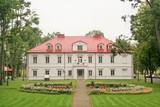 |
Das neu restaurierte Gutshaus, das von einem schönen Park umgeben ist und im Stile der Mitte des 19. Jh. daherkommt, befindet sich 14 km südlich von Panevėžys. Das Gutsensemble Bistrampolis besteht aus Gebäuden, die ab der zweiten Hälfte des 19. Jh. bis zu Beginn des 20. Jh. errichtet wurden: zweistöckiges Herrenhaus im klassizistischen Stil (Mitte 19. Jh.), Marstall, Eiskeller, Gärtnerhaus, Wirtschaftsgebäude. Das Gut ist von einem in der zweiten Hälfte des 19. Jh. angelegten Park im gemischten Stil mit Teichen umgeben. Im Gutspark ist der Pavillon auf dem Birutė-Hügel unweit des Gartenhauses ein besonderes Prunkstück. Der Park wird weiterhin belebt durch die neu gepflasterten Wege und die Brücken über die Teiche. |
|
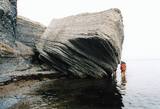 |
There are two islands here – Suur Pakri (Great Pakri) and Väike Pakri (Small Pakri). They are 3 km to the West of Paldiski. During Soviet times, the islands were used for target practice by the Soviet air force, which is seen in the many craters and spent munitions that can be found on the island even today. The island is mostly covered with scrappy areas of juniper, but the limestone cliffs at the northern and north-eastern end of the island are quite impressive – as much as 6 m in height.
|
|
 |
Der Name der Stadt ist in den historischen Quellen zum ersten Mal 1224 erwähnt worden. Im Jahr 1340 hat der Erzbischof von Riga auf dem Burgberg (heute – evangelisch-lutherische Kirche) der Letgallen eine Burg gebaut. Im Jahr 1802 hat das Landgut von Vecgulbene Baron von Wolf (im Besitz bis 1920) gekauft. Die Landgüter der Umgebung von Gulbene und Vecgulbene haben unter der Revolution von 1905 und auch unter anderen weiteren historischen Ereignissen wesentlich gelitten. Heute ändert sich die Landschaft der Stadt sehr stark, besonders in der Gegend des Weißen Schlosses, wo in den letzten Jahren große Restaurationsarbeiten durchgeführt worden sind. Auf jeden Fall ist Gulbene ein Ort, wo man neue Eindrücke sammeln und Kenntnisse erwerben kann. |
|
|
|
Atrodas Lielvārdes parkā pie Rumbiņas ietekas Daugavā. Līdzīgi kā citur, arī šeit 13. gs. pirmajā pusē bīskapa pili cēla nodedzinātās lībiešu koka pils vietā. Mūra pili nopostīja Livonijas kara laikā - 1577. g. Tikai 1987. g. notika drupu konservācija. Lielvārdes parka veidošanu uzsāka 19. gs. beigās Lielvārdes muižas barona Artura fon Vulfa vadībā. Sagaidot eposa „Lāčplēsis” simtgadi tajā izvietoja sešpadsmit no ozolkoka veidotas skulptūras (t.s. Skulptūru dārzs) (autori V. Ansavs, P. Mellis, Ē. Delpers, A. Dauvarte). Aiz pilsdrupām Daugavas krastā ir stāva krauja ar dolomīta iežuatsegumu. Līdz HES ūdenskrātuvei var nokļūt pa kāpnēm. Lielvārdes muižas pils līdz mūsdienām nav saglabājusies. |
|
 |
Kodas is a forward-thinking cider brand from Southern Estonia, known for its sustainable and precise approach to cider-making. They grow over 30 apple varieties organically, ensuring authentic flavors without artificial additives. Kodas emphasizes pure, undiluted apple juice in their ciders, collaborating with fermentation experts to refine unique production methods. Sustainability is central to their philosophy, with a zero-waste approach that transforms apple byproducts into spirits, purees, and more. Kodas rebranded in 2021, expanding its focus to include non-alcoholic beverages, spirits, and food products, all crafted with a balance of tradition and innovation. |
|
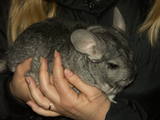 |
The owners breed chinchillas, which originated in the Andes in South America. They offer a tour and a story about the lives and growth of chinchillas. Animals and their pelts can be purchased. The lady of the house is also a painter. |
|
 |
Kuģinieku drošībai 1875. g. celtā bāka stipri cieta 1. pasaules kara laikā. Savu tagadējo izskatu tā ieguva pēc atjaunošanas 1922. g. Bākas uguns atrodas 21,3 m v.j.l. un tās detaļas savulaik vestas no Francijas. Pie bākas ieejas 1975. g. uzstādīta piemiņas plāksne par godu bākas simtgadei. Pie bākas atrodas bijušās padomju armijas militārās bāzes atliekas. |
|
|
|
Taka ap Ozolu Mazezeru. Purvaino krastu posmā, ap ezera rietumu galu, ierīkotas gājēju laipas. Novērojami purva, meža un ezera augi, dzīvnieki un biotopi. Jūlija beigās īpaši krāšņi zied ūdensrozes. Blakus atrodas Ozolmuiža ar parku.
|
|
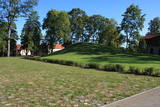 |
An dieser Stelle hatte der Deutsche Ritterorden 1242 eine Steinburg erbaut, von der bis heute nur einzelne Mauerfragmente erhalten sind und ein Kellergewölbe, in dem man nach vorheriger Anmeldung örtliche Weine probieren kann. Später befand sich hier das Schloss des Herzogs von Kurland, das im Nordischen Krieg zerstört worden war (1701). Dank eines umfangreichen Rekonstruktionsprojektes wurden im Park hölzerne Stege, kleine Brücken und Informationstafeln errichtet, eine Laube und ein Springbrunnen erbaut. Im Park wurden 22 Skulpturen und Skulpturengruppen der Bildhauerin Līvija Razevska aufgestellt. |
|
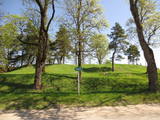 |
Is an ancient Courlandian castle hill and is found in the very centre of Alsunga. It was named in 1659 when General Berg from Kurzeme put cannons on it to attack Swedish forces that had fortified themselves in the Alsunga castle. The hill is 8 to 10 metres high and 24 x 54 metres wide, offering a lovely view of the St Michael Roman Catholic Church, as well as the Alsunga windmill lake that is alongside it. There is a distinct terrace around the hill, and it once was the foundation of wooden defensive structures. On the other side of the street, to the West of the castle hill, is a cemetery with fire graves of Courlandians that date back to the 11th to 13th century. Archaeologists examined the area during the middle part of the last century. The Suiti celebrate Easter and other holidays on the hill. |
|
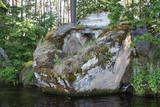 |
Die Überreste der Fortifikationen der Kämpfe des 2. Weltkrieges am gegenwärtigen Ufer von Wasserkraftwerk in Ķegums. Ein Feuernest befindet sich ungefähr 1 km südlich – südostlich von dem Damm des Wasserkraftwerks in Ķegums am linken Ufer von Fluss Daugava. Das zweite Feuernest liegt auch am linken Ufer des Flusses dem Campingplatz „Rēzijas” gegenüber. Das Feuernest ist von dem von Wellen des Wasserbassins abgespülten Ufer abgerutscht und bifindet sich teilweise im Wasser. Das letzterwähnte Objekt ist von der Seite des Wasserbassins am besten mit einem Boot zu erreichen.
|
|
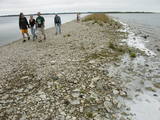 |
Die fünftgrößte Insel Estlands. Naturpfade, Vogelbeobachtungsturm, Kapelle von Kassari (18. Jh.) und Sääre tirp – eine 3 km schmale weit ins Meer reichende Landzunge aus Geröll, auf der man spazierengehen kann. |
|
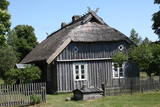 |
Dieses Dorf ist eines von den zwei Fischerdörfern in Lettland, das bis heute (soweit es möglich war) seine authentische Atmosphäre erhalten hat. Hier befindet sich eine Niederlassung des Ethnographischen Freilichtmuseums Lettlands mit dem Fischerhof Vītolnieki. Zurzeit werden in dem Dorf moderne Häuser gebaut, darum verliert es mit jedem Tag seine Unberührtheit. |
|
 3 Tagen
|
The Suiti are a community with among the most colourful and unique cultural traditions in Kurzeme and Latvia. This was confirmed on October 1, 2009, when the cultural territory of the Suiti was included in the UNESCO list of global intangible cultural heritage, thus indicating that the traditions must be preserved. The Suiti territory is also on the list of folk traditions that is part of the Latvian Cultural Canon. Manifestations of this intangible cultural heritage include traditional festivals, habits, oral traditions, traditional singing and musical skills, folk costumes and culinary traditions. Since 2009, the Suiti community has been undergoing a renaissance, with people actively working to restore traditions and ensure their sustainability and promotion at the local, national and international level. The survival of the cultural territory is in the hands of the Suiti themselves, and this is closely linked to the practices and the creativity of community representatives. The Suiti believe the development of tourism in their area to be of great importance in this. This means emphasising a niche in cultural tourism that is based on the broader promotion of the unique cultural heritage of the Suiti. |
|
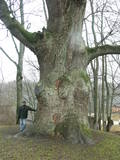 |
This tree is in the park of the Sēja Estate and is one of the four trees in Latvia that have a circumference of more than four metres.
|
|
 |
Astoņus kilometrus no Kroņauces, saimnieks izveidojis lielāko orhideju kolekciju Latvijā. Interesanti apskatīt arī eksotiskos dzīvniekus - iguānas, sarkanausainie bruņurupuči, pitons un šņācējtarakāni, kuri šeit atraduši mājvietu. Saimniecībā ir arī Šetlandes poniji, ar kuriem var jāt bērni.Piedāvā makšķerēšanu zivju dīķos un teltsvietas.
|
|
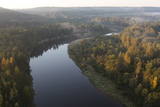 |
Eine der eindrucksvollen Reliefgestaltungen im Baltikum. Bei Sigulda erreicht das Urstromtal eine maximale Tiefe von 85 m ( Breite ung. 1 km). Schöne Sandsteinaufschlüsse aus dem Devon ist ein Anziehungspunkt. |
|
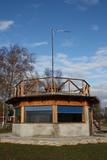 |
Pirmā ir uzcelta uz vienstāvīgā apmeklētāju centra jumta. No tās paveras plašs skats uz Kīdevas ciemu, ostu un niedrēm apaugušo Matsalu līča ziemeļdaļu. Austrumos no šīs atrodas vēl viena - divstāvīga putnu vērošanas platforma. No Kīdevas līdz Puisei gar Matsalu līča var doties pārgājienā pa 5 km garo dabas taku. To izejot, novēroto putnu sugu klāsts noteikti būs lielāks! |
|
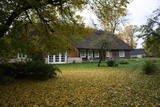 |
Ein ethnographisches Gästehaus auf der Insel Muhu, in der historischen Siedlung Paenese. |
|


