
| Nr | Name | Beschreibung |
|---|---|---|
 |
Mill of Count Borh. Count Borh built the three- storey mill in the
end of the 18th century not far from the castle of Varakļāni. Here you
can see how the flour was milled in past centuries.
|
|
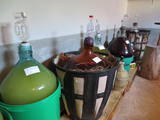 |
Tour groups with at least ten people can enjoy tastings of various homemade wines (23 types in all) that are made of fruits and berries – three types of wine each time. The owner will tell you about winemaking technologies and ways to drink and enjoy wine. |
|
 |
On the farmstead it is possible to look at sea-buckthorn plants, in August and September it is possible to take part in harvesting sea buck-thorns. The visitors will be told about sea- buckthorn, its growing and harvesting, its medical qualities and products. It is possible to see the production of sea-buckthorn products and try out the products themselves |
|
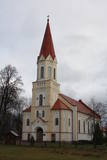 |
Храм неоднократно горел и строился снова. Теперешняя церковь построена в 1874 году, а после пожара 1927 года была восстановлена в 1932 году. Можно осмотреть алтарную икону«Иисус со святым причастием», две картины И. Зебериньша «Иисус у креста» и «Иисус благословляет детей» (1957 г.). Проспект органа является первым, построенным в «латышском» вкусе органом (резчик по дереву П. Планкус, 1936 г.), а сам инструмент номинирован как самая красивая и самая объемная работа лиепайского мастера Екаба Яугиеша. Трубы органа сделаны из дерева, что является редким случаем. Церковь можно осмотреть изнутри. |
|
 |
This homestead on the banks of the Rauna River breeds various kinds of fish. During the winter, you can fish for various salmon-type fish, and in the summer you can fish for sturgeon, blue-char, tilapia and trout. You can purchase fish, and tastings are available for groups of visitors. Sillakas is approximately 3 km from Liepasmuiža. |
|
 |
Das Landhotel „Karpynė“ ist zentral in Litauen gelegen. Der Name „Karpynė“ leitet sich von dem Fisch Karpfen her. Alljährlich finden hier Veranstaltungen im Zusammenhang mit Fischfang statt. Die Gäste können sich selbst Fische fangen und sie haben die Möglichkeit, diese auch selbst zuzubereiten. |
|
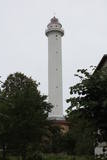 |
The Miķeļbāka lighthouse was built in 1957 and is the highest one in Latvia. Standing 58 m tall, it can only be viewed from the outside. |
|
 |
Divstāvīgā ēka ir redzama no Dundagas – Ģipkas ceļa (ap 3,7 km no Ģipkas ciema). Šis nav tūrisma objekts, bet gan vēsturiska vieta, kurai vērts pievērst uzmanību kaut vai no attāluma. Ēkas pirmajā stāvā no 1860. g. darbojās skola, kurā par skolotāju strādāja rakstnieks Antons Austriņš. 1867. g. tai uzbūvēja otro stāvu, kurā uzsāka jūrskolas izveidi. Jūrskola darbojās līdz 1894. g., kad to pārcēla uz Mazirbi. |
|
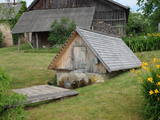 |
Die ältesten Informationen über die Quelle von Tirza stammen aus der Mitte des 18. Jh., aber die Quelle wurde schon viel früher verwendet. Nach Waschungen oder dem Wasserschöpfen wurde der Quelle geopfert. In der ersten Hälfte des 19. Jh. begannen der Baron von Tirza und die Kirche einenKampf gegen die heidnischen Traditionen, sie waren jedoch nicht sehr erfolgreich. Über der Quelle wurde eine Überdachung gebaut und noch heute kommen Menschen zur Quelle, um Wasser zu schöpfen. |
|
 |
Das Café bietet vor Ort hergestellte Konditoreiwaren (Piroggen, Brötchen, Kuchen, Kekse) und alle Mahlzeiten des Tages an. In Saulkrasti kann man auch das andere Café (Adresse: Raiņa iela 7) besuchen. Lettische Küche: Kalte Suppe, gemischter Salat Rasols, geschmortes Sauerkraut, hausgemachte Frikadellen, graue Erbsen mit Speck. Das besondere Gericht: Im Holzofen gebackene Pizzen. |
|
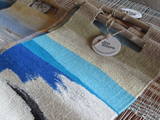 |
The artist’s workshop is in a lovely single family farm. She weaves tapestries, allows visitors to watch her at work, accepts commissions for tapestries, and sells finished ones. Many of her artworks are practical souvenirs or could be fine gifts for others. |
|
 |
Atrodas Ķekavā, autoceļa Rīga – Grenctāle (A 7) malā. Iekārtots vēsturiskā ēkā ar atbilstošu koka interjeru. Piedāvā maltītes visām ēdienreizēm, organizē muzikālus vakarus. |
|
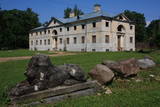 |
Muiža sāka veidoties 16. gs. beigās (īpašnieki - Tīzenhauzeni, vēlāk Bēri), bet no 1753. g. tā kļūst par Mēdemu dzimtas īpašumu. Tagad redzamo muižas pili (mūsdienās tikai atliekas) cēla 1806. - 1810. g. klasicisma stilā (Johana Georga Ādama Berlica projekts) pēc itāļu izcelsmes Pēterburgas galma arhitekta Džakomo Kvarengi meta. Muižas īpašnieks tajā laikā bija Johana Frīdriha Mēdema dēls - Kristofs Johans Frīdrihs (saukts par Žanno). Elejas pilī bija savākti daudzi nozīmīgi Eiropas mākslinieku darbi, kā arī iekārtots izcils interjers. 18 muižas kompleksa ēkas nodedzināja Pirmā pasaules kara laikā (1915. g.) un līdz mūsdienām ir saglabājušies tikai nelieli pils pirmā stāva drupu fragmenti ar kaltiem portika kolonu kapiteļiem, pārvaldnieka māja (apskatāma no ārpuses), atsevišķas saimniecības ēkas un parks. No pils drupām pa aleju var aiziet līdz Tējas namiņam (bēdīgā stāvoklī). 0,5 km ziemeļos no pils drupām atrodas 1912. g. izveidotā Mēdemu dzimtas kapsēta. Elejas pils mūra žoga arkādē iemūrēts dobumakmens. |
|
 |
This is the 11th largest Estonian island, and its central section is covered by a broadleaf forest (linden, oak, elm and other trees) that is more than 100 years old. Along the shores, the Abruka Island has meadows and small areas of wetlands. Only the northern part of the island is populated. Few tourists come to call, which means that the island is relatively untouched by humankind.
|
|
 |
"Mākoņmalas" is located in the middle of the forest, in silence. A magical place where you can enjoy SPA procedures and sauna rituals, gain knowledge in magical and non-traditional practices, as well as be alone with nature, improve health, enjoy a "short vacation for the hurried and busy". In "Cloud Edges" you will receive a restart for both body and soul. After the procedures, it is possible to enjoy a deep night's sleep in our home and taste the early breakfast on the terrace, watching the morning rituals of wild animals and the beauty of nature. You can enjoy the morning with a stick or a regular morning walk through the forest to meet deer and other forest dwellers. |
|
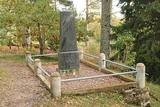 |
Das Denkmal vom alten Taizelis – das Grab vom Fischer Niks Freimanis (1845-
1908) – der vom Schriftsteller M. Zariņš als Prototyp in einer Geschichte und einem
Theaterstück benutzt wurde.
|
|
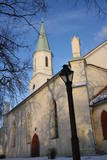 |
Eine erste Holzkirche wurde an dieser Stelle1252 errichtet, ein steinernes Gotteshaus wurde 1665 erbaut. Diese fiel einem Brand zum Opfer, wurde aber 1672 erneuert, in späteren Jahren auch umgebaut. Bedeutende Baudenkmäler zieren das Interieur des Gotteshauses – ein Altar, eine Kanzel, eine Orgel mit Malereien auf dem Prospekt und dem Balkon. In der Kirche ist der legendäre Herzog Jakob Kettler getauft, hier heiratete er Prinzessin Charlotte Luise von Brandenburg. In der Sowjetzeit wurde die Kirche nur als Museum und Konzertsaal genutzt. Der Legende nach hat die Kirche ihren Namen nach einer gewissen Katharina erhalten, die Spenden für den Bau der Kirche gegeben habe, dann verleumdet und zum Tod auf dem Folterrad verurteilt worden sei und später heilig gesprochen wurde. Zu ihrem Gedenken gibt es über dem Seiteneingang der Kirche ein Medallion, mit ihrem Abbild mit Märtyrerkrone, dem Folterrad und einem Schwert in der Hand. Motive dieser Legende sind auch im Wappen der Stadt Kuldiga zu erkennen. Vom Kirchturm hat man einen guten Blick auf die Ziegeldächer der Altstadt. |
|
|
|
Bis 1724 gehörte das Gut damals als Vorwerk Cecina der Familie Hylzen. Nachdem die Tochter Jadvyga Jan Szadurski geheiratet hatte erscheint das Gut 1774 in Dokumenten unter dem Namen Malnava. Weiterhin gab es noch mehrere Besitzerwechsel. Das Hauptgebäude des Gutes ist im Stil des Klassizismus errichtet, teilweise mit barocken Zügen. Auf einer Seite des Gutshofes befindet sich ein Speicher, das Herrenhaus befindet sich an der Stirnseite des Hofes. Zum Zeitpunkt der Bodenreform in Lettland 1920 war das Gut Malnava mit 12.400 Heltar eines der größten Güter in Lettland. Das Gutshaus wurde im 2. Weltkrieg zerstört, zwar wurde es wiederaufgebaut, aber die Inneneinrichtung ist nicht erhalten. Von den Wirtschaftsgebäuden ist der aus der ersten Hälfte des 19. Jh. stammende klassizistische Speicher erhalten sowie einige weitere Gebäude. Das Gutsensemble wird von einem Park ergänzt, in dem jetzt immer noch einige fremdländische Bäume und Sträucher wachsen, z.B. ein Amur-Korkbaum. Es gibt auch zwei Stahlbetonbunker, wo Hitler Mal kurze Zeit anwesend war. Auf dem Territorium befindet sich auch die Schnapsbrennerei der Marke „Latgales šmakovka“, wo Besucher sich mit der Herstellung von Hochprozentigem von frühesten Zeiten bis heute bekannt machen können. |
|
 |
Der Bauernhof befindet sich am Ufer des Flusses Daugava in Daugmale. Daher können Bienen hochwertigen Honig herstellen, der bei lettischen Wettbewerben mehrmals ausgezeichnet wurde, wie auch andere Bienenprodukte. |
|
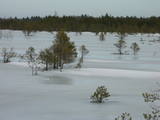 |
A comparatively large swamp to the North of the Zaļā dune, this is an important place for sulphurous waters, just as is the case with Zaļais swamp. The swamp is cut in two by the 3.5 km Ķemeri-Antiņciems road, from which interesting landscapes can be seen. The road is not appropriate for cars, however. To the East of Raganu swamp is Lake Putnezers, which is difficult to access. There is a small car park with an information stand on the shore of Lake Melnezers alongside the Ķemeri-Jaunķemeri road. The historical and overgrown Old Ķemeri road can be used to get to the seashore from this location. |
|


