
| Nr | Name | Beschreibung |
|---|---|---|
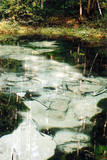 |
Three little lakes can be found on the left bank of the Pirita River with many erupting “eyes” of streams, each with its own colour (bluish-green, white, dark). This puts together various colour combinations. These are often known as the most beautiful streams in Estonia. Some pump out as much as 20-30 litres of water per hour. It is said that the waters are good medical resources, particularly for the eyes. There are improvements in the area of tourists.
|
|
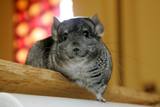 |
The owner of the farm offers attractive tours during which you will learn about chinchillas, animal enclosures, as well as quails which you can view and purchase. |
|
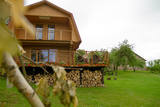 |
The guest house is located in Odziena, Vietalva Parish, Plavinas Region. The house has 5 bedrooms, guests can enjoy a sauna, a pool and a swim in the pond, as well as fishing. There is a large surrounding area for organizing activities and other classes - the guest house is suitable for both relaxation and celebrations. |
|
 |
Das Zeitzentrum Wittenstein befindet sich im Turm auf dem Wallberg Paide. Das Zentrum ist wie eine Zeitmaschine, wo die Gäste aus einem Zeitalter in ein anderes mit einem Fahrstuhl getragen werden. In jedem Stockwerk werden unterschiedliche Zeitalter dargestellt: die Früh- und Ordenszeit, die Zeit der Könige und der Zaren, die Zeit der Okkupation sowie die Zeit der Wiedererlangung der Unabhängigkeit. Im Zeitzentrum gibt es viele Ton- und Lichteffekte, Videoprogramme und Illusionen. |
|
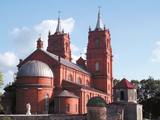 |
Immaculate Conception of Virgin Mary Roman Catholic Church of Nautrēni (Rogovka). The construction
works of the brick church lasted from 1901 till 1914. It is an example of Romantesque style. The
organ was bought in 1939; it is a national cultural monument.
|
|
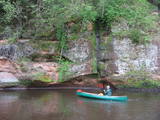 |
The Brasla River flows through a lovely valley that is approximately 300 m wide and up to 30 m deep. It is near the Inčukalns-Valka highway. The river has among the most beautiful rapids in the country, with mighty cliffs (the Brasla cliffs) that can be seen at nearly every curve in the river (except along the lowest reaches of the river). During the winter, various unusual frozen waterfalls can be seen in some of the cliffs, including the Krauļukalns cliff and the Jāņavārti cliff. On the left bank of the Brasla, opposite the Brasla fish farm, there are the Aņīte cliffs -- a series of sandstone cliffs that are 1 km long. The cliffs are between 2 and 35 m in height, and the sandstone cliffs are separated by ravines. On the right bank of the Brasla, there are major cliffs such as the Vāršavu cliff, the Kraukļukalns cliff, the Jāņavārti cliff, the Slūnu cliff, the Virtaka cliff and the Buļi cliff. How can you best learn about them? Boat down the river from the aforementioned highway or even from Straupe, which is further upstream. An alternative is hiking down the right bank of the river, though please take into account that the terrain is fairly extreme, and you are going to have to think about what to do when you arrive at the place where the Brasla River flows into the Gauja. |
|
 |
Atpūtas centrā tiek piedāvāta iespēja atpūsties brīvā dabā kolektīviem vai individuāliem apmeklētājiem. Iespējams izmēģināt dažādus metamos ieročus (nažus, cirvjus u.c.), kā arī šaušanu ar dažāda veida lokiem, arbaletiem, pneimatiku u.c. |
|
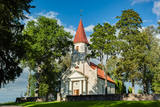 |
Pastāv uzskats, ka tieši Rubenē izveidojusies pirmā latviešu draudze. Baznīcas altārdaļa būvēta jau 14.gs., bet pati baznīca savu pašreizējo izskatu ieguvusi 1739. gadā.Būtiska baznīcas interjera sastāvdaļa ir Ķieģeļu muižas mantinieces Barbaras Helēnas fon Budbergas 1762. gadā dāvinātais kroņlukturis ar Krievijas impērijas divgalvaino ērgli un zaru ornamentiem uz bumbas. Baznīcā redzama arī zīme (1869. g.), kas ir veltīta pusgadsimtam kopš dzimtbūšanas atcelšanas. Pastāv vairākas teikas par Rubenes baznīcas nosaukuma rašanos. Viena no tām vēsta, ka, sargājot baznīcu no velna, tās sienā iemūrēta sieviete un vīrietis, kura vārds bijis Rubens. Baznīca esot nosaukta viņam par godu.Vēl viena versija vēsta, ka baznīcas nosaukums cēlies no rubeņa, kas sēdējis kādā no kokiem, kas vēlāk izmantots baznīcas celtniecībā. |
|
 |
Rehtšprehera siers top Siguldas novada Lēdurgas pagastā, zemnieku saimniecībā “Mazlauri”. Siera ražošanai saimniecībā pievērsās 2015. gadā, meklējot jaunu izaicinājumu un iespēju radīt produktus ar pievienoto vērtību. Siers tiek gatavots pēc itāļu receptēm un nogatavināts 2–12 mēnešus, ievērojot tradicionālās metodes – īpašā telpā, uz egles koka plauktiem, kontrolētā mitrumā un temperatūrā. SieriCietie sieri (nogatavināti 6-12 mēnešus): Grand Marine, Gouda 8 mēnešus gatavināts. Puscietie sieri (nogatavināti 2-4 mēnešus): Gouda (pieejams ar linsēklas eļļas pārklājumu vai ar speciālu siera pārklājumu), Tallegio (pieejams ar balzamiko etiķa pārklājumu vai speciālu siera pārklājumu), Toskāna, Sorento. Daži sieri ir pieejami arī ar piedevām, piemēram, melnajām ķimenēm, pipariem, tomātiem un baziliku, tomētiem, ķiplokiem un oregano. Daļai sieru ir ēdama miziņa. Uz vasaras saulgriežu laiku tiek gatavots arī kas līdzīgs Jāņu sieram – nogatavināts siers ar ķimenēm. Kā top siersSiers tiek gatavots no pašu saimniecības govju piena – kopumā saimniecībā ir 90 slaucamas Holšteinas melnraibās šķirnes govis. Rehtšprehera siers top no tikko slaukta, nepasterizēta govs piena, kas tūlīt pēc slaukšanas tiek nodots pārstrādei. Tas ļauj saglabāt piena dabisko garšu un raksturu. ApmeklētājiemSaimniecības apmeklētājiem iespējams redzēt un dzirdēt patiesu stāstu par to, kā rodas piens un siers - kā uztur piena lopu ganāmpulku, kā audzē pilnvērtīgu, uzturvielām bagātu barību, ko nozīmē govju labturība, lai iegūtu ekstra klases pienu, un kāda ir praktiskā puse, dzīvojot un saimniekojot laukos. Noslēgumā ieskats siera ražošanā un siera degustācija. Kur iegādāties sierusE-veikalā: www.rsiers.lv. Veikalos Rīgā, Cēsīs un Siguldā. Sestdienās - Skultes tirdziņā, Slow Food Straupe tirdziņā un dažādos tirgos visā Latvijā. |
|
 |
Die Exposition ist die langjährige Arbeit des Besitzers – Valdis Tumovs. Die Kollektion enthält die in der Kriegszeit angewendeten Waffen und Munitionsfragmente, Uniformen, Haushaltsgegenstände, einzelne Exponaten der Militärtechnik (Motorrad) u.a.
|
|
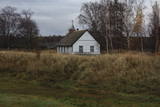 |
Labi aplūkojama (neliela izmēra vienstāvu ēka) no Klajumu vējdzirnavu puses. Baptistu draudze Jūrmalciemā dibināta 1933. gadā. |
|
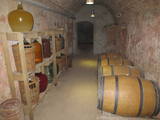 |
The shadowy cellar of the estate is a great place to hear about how homemade wine is made. You can taste rhubarb, black currant and strawberry wine along with local goodies such as cheese. Local farmers provide the ingredients for the wine. |
|
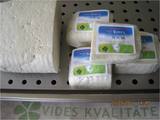 |
Exkursionen zum Hof. Man kann Ziegen, Pferde, Kaninchen, Hausgeflügel und Haustiere anschauen. Die Besucher können sich auch fürs therapeutische Reiten anmelden, Pferd reiten, Ponyreiten oder mit einer Pferdekutsche fahren. Erwerb von Ziegenmilchprodukten: Milch, Käse, Quark, Kefir und Joghurt. |
|
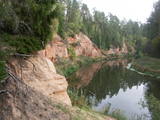 |
The Neļķes cliffs are in Skaņākalns Park, and they offer the most beautiful view of the Salaka River valley, with its sandstone cliffs and peaceful river. There are good views from the “devil’s pulpit.” It’s worth visiting the Skaņamkalns Hill to check out the views from the famous echo cliff. This is part of the ZBR.
|
|
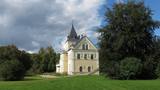 |
Die Sammlung des Museums stellt die Daugava als bedeutenden historischen Wasserweg dar, hier sind auch Kleidungstücke und Gebrauchsgegenstände baltischer Stämme und der Liven zu sehen. |
|
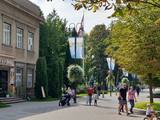 |
Die archäologischen Ausgrabungen zeugen davon, dass die Ufer des Flusses Ogre von Liven bewohnt waren. Zu einer größeren Ortschaft und zu einem bedeutenden Kurort entwickelte sich Ogre nach dem Ausbau der Eisenbahn Rīga-Daugavpils im Jahr 1861. Bis zum Ersten Weltkrieg haben in der Stadt Ogre ihre Dienstleistungen ungefähr 300 Sommerhäuser angeboten, die während des Krieges hauptsächlich zerstört wurden. Das nächste ‘große‘ Ereignis geschah im Jahr 1965, als in Ogre eine der in Europa größten Wirkwarenfabriken gebaut wurde, wo Gastarbeiter aus Vietnam und anderen Ländern arbeiteten. Heute hat die Stadt ihren Ruf als ein Kurort nicht wiedererlangt, aber sie ist zu einem ziemlich exklusiven Ort für den Bau von Privathäusern geworden. |
|
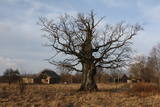 |
Eine kleine Ortschaft mit einer Schule, einer Bibliothek und einem Geschäft. Nördlich von Vīdale kann man die Reste einer Windmühle besichtigen. Wenn man die Richtung Rigaer Bucht nimmt, kreuzt die Straße die Blauen Berge von Šlītere mit Sandsteinwänden und mit eindrucksvollen Aussichten in den Jahreszeiten, wenn die Bäume keine Blätter haben. Auf der linken Seite kann man die Quelle der Blauen Berge sehen, wo eine Stelle zum Wassernehmen eingerichtet ist. Die Straße, die von Vīdale nach Melnsils führt, nennen die Einheimischen den Damm Knipeldambis. Die Straße soll von der Deutschen Armee während des Ersten Weltkriegs gebaut worden sein, indem auf dem Weg Rundhölzer gelegt und mit Kies beschüttet wurden. |
|
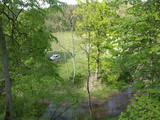 |
The viewing area is near the top of the Vilce castle hill, with a view of the Rukūze River valley, Zaķi meadow, and surrounding forests. This is an unusual landscape for the region of Zemgale. The Vilce baronial estate is nearby.
|
|
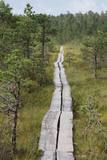 |
Ein 3,5 km langer Pfad quert den Viru Moos in Richtung Süd–Nord. Von einem Holzaussichtsturm eröffnet sich einen Blick auf eine typische Hochmoorlandschaft mit einigen Seen, Aushöhlungen und morastigen Stellen. |
|
|
|
Die Schänke befindet sich im Zentrum von Jelgava: An der Brücke über den Fluss Driksa, die von der neu eingerichteten Uferpromenade eingeschlossen ist. Für die Innenausstattung sind Elemente aus Holz verwendet worden. Hier werden regelmäßig Musikabende veranstaltet. Lettische Küche: Kalte Suppe, gebratenes Flunder- oder Kabeljaufilet, Bauernfrühstück, Kartoffelpfannkuchen, dünne Pfannkuchen. |
|


