
| Nr | Name | Beschreibung |
|---|---|---|
 12 Tagen
|
The tour combines the most beautiful southern parts of the Forest Trail in Lithuania and Latvia. The route starts in Druskininkai, Lithuania, and for the next day you will walk through forests of the Dzūkija National Park. After getting to Vilnius and Kurtuvėnai Regional Park, two sections of the Forest Trail will take you from Dengtiltis to Šaukėnai. Since it is among the most forested areas of Central Lithuania, the Kurtuvėnai Regional Park with its glaciated valleys is a wonderland of forests, waters and wetlands. The Forest Trail will run along small forest paths, tourist trails, beautiful tree alleys and wetlands. Next you will take public transportation to reach the Žemaitija National Park, where you will taketwo sections of the Forest Trail from the pilgrimage town of Žemaičių Kalvarija along the lakes of Plateliai, Ilgis and Beržoras to the town of Plateliai. It is one of the most beautiful towns of Samogitia taking pride in its manor park and the viewing platform on Lake Plateliai. Žemaitija National Park takes pride in its old pine and fir forests, as well as mixed forests. From there on the Forest Trail takes you along the riverside promenade in Kuldīga, continues through the nature park “Abavas senleja” from Renda to the wine and cider town Sabile and Kandava. The section along the Abava River Valley Nature Park is the most diverse river valley in Kurzeme in terms of landscapes and terrain. The final section of the tour takes you to the Ķemeri National Park, which is an important place for the protection of wetlands. As to the town – Ķemeri – it is the former balneological and sulphur springs resort. The tour ends on the seaside – the village of Bigauņciems, from where you can easily get to Rīga. Optionally, one can take a detour along the Lake Sloka trail with its bird-watching tower or pay a visit to the “Forest House” – the visitor’s centre of the Ķemeri National Park. |
|
 |
Im Betrieb Teearu werden verschiedene Gerichte vom Fisch aus dem Peipussee zubereitet, besonders ist die hier gemachte marinierte, geräucherte Brachse beliebt. Die Besucher können auch das nach den traditionellen Methoden gemachte Rauchfleisch probieren. Man kann auch Verpflegung bestellen. |
|
 |
Saimniecība “Lejaskroķi” atrodas Abavas senlejā. Tajā nodarbojas ar truškopību. Saimnieku aprūpē ir ap 500 trušu, kā arī kazas un mājputni. Viesojoties saimniecībā, viesi varēs samīļot un pabarot trusīšus, kā arī apskatīt kazlēnus, kam ļoti patīk cilvēku uzmanība. Dzīvnieciņus iespējams apskatīt, iepazīt un samīļot, kā arī pabarot. |
|
 |
Saimniecība piedāvā zirgu izjādes (ratos un mugurā), iespēja apskatīt dzīvniekus lauku sētā (zosis, vistas, truši, teliņi, kazas, aitas, suņi un kaķi). Pļavas ar ārstniecības augiem, mežs, dīķis, stārķu koks. Sarunas par dzīvi ar saimniekiem. Rīta rasas skaistuma procedūras, "varžu koris", tējas baudīšana seno ābeļu paēnā, ārstniecības augu vākšana kopā ar saimnieci. Telšu un piknika vietas (līdz 20 cilvēkiem). |
|
 |
Die Ruinen der um 1500 gebauten eindrucksvollen Kirche, die man besichtigen kann. Das Gebäude wurde nach dem Luftangriff 1942 beschädigt. |
|
 |
Im Zentrum von Lielvārde, nur 5 Gehminuten von der Daugava entfernt, befindet sich eine Schnellgaststätte mit einer abwechslungsreichen Speisekarte. Lettische Küche: Kalte Suppe, Suppe aus frischem Kohl, gebratener Karpfen oder Wels, Frikadellen, Braten, graue Erbsen mit Speck, Pfannkuchen. |
|
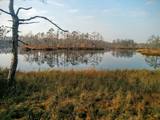 |
Cena's heath swamp's trail was made to introduce vistors to one of the most beautiful things in nature - a moss swamp. The pathway goes not only around beautiful swamp lakes but also meets the degraded part of the swamp. At the beggining and the end is a watch tower. |
|
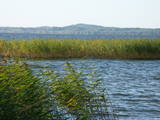 |
A beautiful part of the Rēzekne-Dagda-Krāslava road – along two km or so, you can see Lake Rāzna and Mākoņkalns hill, which is 10 km away on the other shore of the lake. |
|
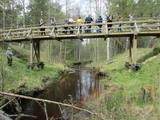 |
A bridge for pedestrians and bicyclists, which is on the border of the Slītere National Park. |
|
 |
Das Landhotel „Karpynė“ ist zentral in Litauen gelegen. Der Name „Karpynė“ leitet sich von dem Fisch Karpfen her. Alljährlich finden hier Veranstaltungen im Zusammenhang mit Fischfang statt. Die Gäste können sich selbst Fische fangen und sie haben die Möglichkeit, diese auch selbst zuzubereiten. |
|
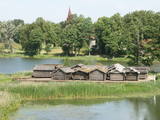 |
Die Wasserburg von Āraiši ist eine im ganzen Europa bedeutende Rekonstruktion einer lettgallischen Wohnstätte auf Wasser und der einzige Ort in den baltischen Staaten, wo man das Leben der Menschen vor mehr als 1000 Jahren kennenlernen kann! Hier wird das Fest von Āraiši (mit historischen Themen, in der letzten Juliwoche) organisiert. Die Wasserburg befindet sich auf dem Gelände eines Museum-Schutzgebietes, wo man auch die Ruinen einer mittelalterlichen Burg, eine evangelisch-lutherische Kirche, eine Windmühle u.a. besichtigen kann. |
|
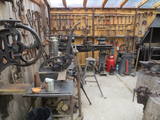 |
Saimniecības zemi, kas atrodas starp Ulbroku un Vālodzēm, 1929. gadā nopirka tagadējā saimnieka – Dzintara Āboliņa vectēvs. Tajā laikā arī tika uzcelta klēts, kurā glabāja saimniecībā izaudzēto lauksaimniecības produkciju. Krīvu klēts atdzimšana notika pirms 20 gadiem, kad tagadējie saimnieki tajā uzsāka veidot muzeju no sadzīves priekšmetiem un darba instrumentiem, kas savulaik izmantoti Krīvu saimniecībā. |
|
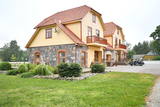 |
Die in den Räumen der ehemaligen Kantine Kantküla eingerichtete Gaststätte bietet mit frischen örtlichen Produkten zubereitete Speisen an. Mittagessen wird als Büfett serviert, im Sommer wird auch à la carte bzw. freie Auswahl der Speisen aus der Speisekarte angeboten. Es werden auch Unterkunft und Verpflegung angeboten. |
|
 |
Meža māja (Das Waldhaus) – wurde 1933
gebaut und ist eins der leuchtendsten Beispiele
für den nationalen Romantizismus in Lettland.
Anfangs war es ein in weiter Umgebung
bekanntes Restaurant „Jautrais ods” (die Heitere
Mücke). Nach dem Zweiten Weltkrieg wurde in
dem Gebäude ein Sanatorium für Kinder
eingerichtet – „Das Waldhaus“. 1997 zusammen
mit der Gründung vom Nationalpark Ķemeri
wurde es zum Haus der Administration vom Park
mit einem modernen Besucherzentrum und Platz
für verschiedene naturbezogene Ausbildungs
veranstaltungen.
|
|
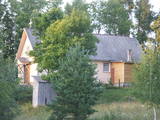 |
Die heutige Kirche aus Holz wurde auf diesem Hügel im Jahr 1947 gebaut, aber sie ist erneuert worden. Heute befindet sich in der Kirche das Dekanat von Rēzekne. Die Kirche kann man von außen besichtigen. Im Dorf Dukstigals waren bis zum Jahr 1960 zwei Gemeinden: Das Weiße Dukstigals (von Šadurskis) und das Schwarze Dukstigals (von Slobodskis). Im Weißen Dukstigals wurde eine Kirche im Jahr 1775 gebaut. Diese Kirche hat die Sowjetmacht im Jahr 1960 gewalttätig zerstört. Und das wurde trotz der Tatsache gemacht, dass diese Kirche ein Baudenkmal und die älteste Kirche (367 Jahre alt) in der Region Latgale war! Eine Rechtfertigung war die Erklärung, dass sich in einer Gemeinde zwei Kirchen nicht befinden dürfen. |
|
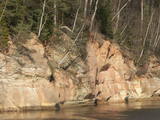 |
Boaters along the Gauja will see the Velnala cliffs, which are the last mighty wall along the banks of the Gauja River valley – approximately 15 m high. From the opposite shore of the river, where there are leisure facilities, once can spot the Krimulda Devil’s cave, which is in the centre of the cliff, is some 19 m deep, and is 4.7 m high. There were once wooden structures which allowed people to visit the cave, but that stopped in 1980 for safety reasons. If you head toward Turaida along the lower part of the basic Gauja River shoreline from the Velnala cliffs, then, particularly when the trees are bare, you will see the mighty sandstone Piķene cliff. At its foot is the Piķene beaver trail, which is approximately 1 km long. On quiet evenings, you may well spot a beaver at work. Along the path you will see the Small Devil’s cave (5 m deep) with the Wisdom Stream that flows out of it. The Aunapiere cave is almost as deep. Between the cliff and the Gauja are several small rivulets which are of enormous importance in preserving the diversity of the surrounding environment. |
|
|
|
Das in 1671 gebaute Schloss wurde mehrmals umgebaut und die heutige Aussicht im Stil des Klassizismus hat das Schloss 1820 – 1923 erhalten. Der im 19. Jh angelegte Park mit einer Rotunde und einer Steinbrücke. Tematische Ausstellungen. |
|
 |
Der Park befindet sich im zentralen Teil des Gutes, im Zufahrtsbereich zum Herrenhaus. Der Park wurde unter Ausnutzung des Tales der Virvytė und des umgebenden Reliefs angelegt. Die Teiche des Parks sind aus Altarmen des Flusses angelegt. Im zentralen Teil dominiert eine regelmäßige Struktur, während der Rest den Charakter eines Landschaftsparks hat. Im Parterre vor dem Herrenhaus befindet sich eine Skulptur im antiken Stil, und am westlichen Ende ein hölzerner Söller. Im Park dominieren einheimische Baumarten. An auswärtigen Gewächsen findet man Europäische Lärche, Feldahorn, Thuja. Auffällig ist eine Gruppe von Eichen am Flussufer und eine Winterlindenallee, die in Richtung des Herrenhauses bis zu Teich führt. |
|
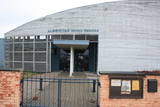 |
Atrodas Celtnieku un Z. Mauriņas ielu krustojumā. Dievnams uzcelts 2000. gadā modernās arhitektūras formās (arhitekti Aija un Andris Kokini), kas simbolizē Noasa šķirstu vai zviedru laivas, kas atnesušas kristīgo ticību. |
|
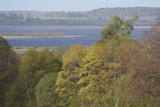 |
Nature restricted area includes eastern side of the lake with Lanupe River and North-east and South-east coastal areas. Restricted area has been established for protection of birds and floodplain meadows of the lake. To see the nature restricted area visitors do not have to enter it. There are great view points with wind generators of Grobina on the background from the road Vecpils – Rava – Aistere. Coastal areas which are not included in the restricted area are perfectly suitable for bird watching. There is located the smallest city by its population in Latvia to the South from the lake.
|
|


