
| Nr | Name | Beschreibung |
|---|---|---|
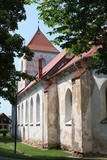 |
Atrodas Bauskas vēsturiskajā centrā, Plūdoņa ielā 13 a un ir šīs pilsētas daļas vecākā ēka. Dievnams celts 1591. - 1594. g. vēlās gotikas stilā, bet tornis piebūvēts 1614. g. Baznīcas iekšpusē atrodas nozīmīgi mākslas pieminekļi: altāris (1699. g., pārbūvēts 1861. g., mākslinieks J. Dērings), kancele (1762. g.) un ērģeļu prospekts (1766. g.) – abi Nikolaja fon Korfa dāvinājums, draudzes soli (17. gs. vidus – 18. gs. sāk.), senākais no koka veidotais Bauskas ģerboņa attēlojums (1640. g.), deviņas 16. – 17. gs. kapu plāksnes, epitāfijas u.c. Baznīca, kurā ir vērts ieiet! |
|
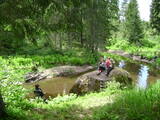 |
The trail tells about grey dunes which have survived thanks to the border restrictions and the presence of military. The trail starts from the parking place at the mouth of the Užava river. It is one of the few natural rivermouths in Europe. One can also see the „tacis”, an industrial installation for lamprey (Lampetra fluviatilis) fishing during their spawning migration period. The 3km long trail is circular. It winds for 1.5km from the Užava rivermouth to the North, along the coastline (the beach is covered with sand and pebbles), and returns to the starting point by a gravel road through grey dunes. Along the trail, one can observe a distinct white dune with rare plant species Linaria loeselii, Lathyrus maritimus, Anthyllis arenaria, Tragopogon heterospermus. About 1km from the rivermouth, in the sea, one can see a wrack of a sailing ship (parts of frame). The visibility depends on the flow of sand in the sea. The way back opens a beautiful view of the range of grey dunes. Unfortunately, Scots Pine starts taking over the area. There are three important biotopes of EU significance: „Fixed dunes with herbaceous vegetation 2130”, „Decalcified fixed dunes with Empetrum nigrum 2140” and „Dunes with Salix arenaria 2170”, forming a unique mosaic. Typical species here: mountain Alison ‘(Alyssum gmelinii), Pasqueflower (Pulsatilla pratensis), Sand Pink (Dianthus arenarius), Rosemary Leaved Willow (Salix rosmarinifolia), Dark Red Helleborine (Epipactis atrorubens), Kinnikinnick (Arctostaphylus uva-ursi). As a former military site, some military constructions can be seen here like horseshoe-shaped sand ramparts by the road in gray dunes. They were built to disguise military vehicles in case of sea attack. By the Kangroti graveyard, towards the Užava river, there is an underground pillbox. It is a one-man fortification to fire along the coastal perimeter. The Mouth of River Užava walking route is in the nature reserve „Užava” |
|
 |
Zemnieku saimniecība „Virši” audzē kaņepju sēklas, no kurām tiek iegūta kaņepju eļļa un kaņepju staks (apceptas, maltas kaņepes). ZS "Virši" produkciju ir iespējams degustēt dažādās vietās ārpus saimniecības, kā, piemēram, Kalnciema tirdziņā u.c. |
|
 |
Baltijā lielākā keramikas fabrika. Tūristu grupām piedāvā ekskursiju pa ražotni. Blakus atrodas veikals, kurā var iegādāties keramikas izstrādājumus – gan praktiskas lietas, gan interjera priekšmetus un suvenīrus. |
|
 |
Cafe "Krisdole" is located in the very center of Liepaja, the cafe offers freshly baked delicacies from seasonal, own and local products. Classic and traditional and new and innovative recipes from Kurzeme. |
|
 |
Köstliche, hausgemachte Konserven und andere kulinarische Waren für alle, die lokale Produkte schätzen. Angeboten werden lokal zubereitete Gerichte und Konserven zum Kaufen. |
|
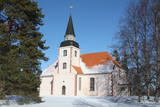 |
Das Gotteshaus hat eine nicht traditionelle Planung und Einrichtung: Der Altar befindet sich in der Mitte, aber die Kanzel – über dem Altar. Die Kirche hat einen eigenartigen Glockenturm mit einer im Jahr 1634 gegossenen Glocke. Die heutige Innenausstattung aus Holz haben die Schüler der Handwerkerschule von Riga geschaffen. Neben der Kirche befinden sich die Ruinen der alten Kirche und das Pfarrhaus, wo am Ende des 18. Jhs. als Hauslehrer Garlieb Merkel gearbeitet hat, der das in Liepupe Beobachtete in seinem bedeutenden Werk Letten verwendet hat. |
|
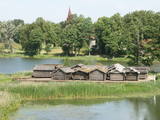 |
Die Wasserburg von Āraiši ist eine im ganzen Europa bedeutende Rekonstruktion einer lettgallischen Wohnstätte auf Wasser und der einzige Ort in den baltischen Staaten, wo man das Leben der Menschen vor mehr als 1000 Jahren kennenlernen kann! Hier wird das Fest von Āraiši (mit historischen Themen, in der letzten Juliwoche) organisiert. Die Wasserburg befindet sich auf dem Gelände eines Museum-Schutzgebietes, wo man auch die Ruinen einer mittelalterlichen Burg, eine evangelisch-lutherische Kirche, eine Windmühle u.a. besichtigen kann. |
|
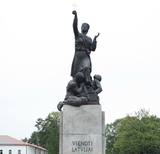 |
Das Denkmal für die Befreiung von Lettgalen Vienoti Latvijai (Vereinigt für Lettland). Nach den zwei Versuchen, das Denkmal zu demolieren, wurde es am 13. August 1992 gebaut. |
|
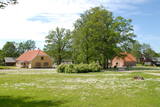 |
Auf diesem Gelände kann man hervorragende Denkmäler besichtigen, die im ganzen Baltikum bekannt sind und die eine Geschichte von fast 1000 Jahren schildern: Das Landgut von Turaida (ein typisches Landgut der Region Vidzeme), die evangelisch-lutherische Kirche von Turaida, die eine der ältesten Kirchen (1750) aus Holz in Lettland ist, der Hügel Dainu kalns (Volksliederberg), der dem 150. Jubiläum des Sammlers der lettischen Volkslieder Krišjānis Barons gewidmet ist, und die gemauerte Burg von Turaida. Hier kann man die Kultur der Liven dieser Region kennenlernen, die Geschichte in Bildungsprogrammen erkunden, sowie jährliche Veranstaltungen besuchen, die mit Folklore und Völkerkunde verbunden sind. |
|
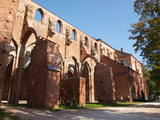 |
Eine der größten Kirchen Osteuropas (bis 16. Jh.) un die einzige mittelalterliche Kirche Estlands mit zwei Türmen. Wurde in 13. – 16. Jh. gebaut, zerstört im Laufe des Livländischen Kriegs. Im Chorteil der Kirche befindet sich das Museum der Universität Taru (früher – eine Bibliothek). Die Türme sind renoviert und in denen sind die Aussichtsplätze eingerichtet. |
|
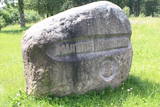 |
Еще недавно он находился в Саукском Доме единства, где размещалась Саукское профессиональное училище. С 2010 года экспозиция, связанная с кабинетом, была перенесена в помещение Саукского волостного управления в Лоне. Мартиньш Булцерс (1866 - 1944) был основателем фотографии в Латвии, так как основал в стране первое предприятие, которое выпускало фотопленку и фотобумагу. С экспонатами музея необходимо ознакомиться именно сейчас – в век цифровых фотокамер! Рядом с Саукским Домом единства (сейчас закрыт, подлежит осмотру только извне) установлен памятный камень в честь М.Буцлерса и памятник «Фотографии 150». |
|
 |
The most important aspects of this park are a shallow lagoon-type lake – Lake Pape, with its flood land meadows, the shore of the Baltic Sea, the Nida swamp, and the more than 270 different types of birds that have been spotted here. The oldest bird ringing station in Latvia (est. 1966) is found between Lake Pape and the Baltic Sea. Birds and bats are caught and ringed there. Lake Pape is the first place in Latvia where so-called “wild” horses (the “Konik” breed) were released with the aim of managing the flood land meadows.
|
|
|
|
1996. g. atklātais piemineklis (tēlniece: A. Veinbaha) Dagdā (starp Asūnes un Rēzeknes ielām) ir piemiņas vieta komunisma terora upuriem. No šejienes paveras labs skats uz salām bagāto Dagdas ezeru. |
|
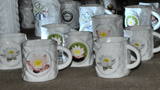 |
Начиная с 2007 года, каждый интересующийся может осмотреть производство фарфора, экспозицию с фарфоровыми изделиями, приобрести сувениры или сделать индивидуальный заказ. Для детей особую радость доставляют занятия в студии по росписи фарфора, которая находится здесь же недалеко, в бывшем дворце господской усадьбы «Вецпиебалгас». |
|
 |
Здание железнодорожной станции "Кемери" –
первое здание станции было построено еще в 1877 году в
связи с открытием железной дороги. Одно время сюда
прибывал поезд Москва – Кемери, а до 1920 г. от станции
до пляжа Яункемери курсировал трамвай. Разрушенное
во время Первой мировой войны здание
железнодорожного вокзала повторно отстроили в 1922 г.
(архитектор А. Медлингер). В свое время это было первое
строение, возведенное в Кемери во время первого
свободного Латвийского государства. Здание станции
перестраивалось еще раз после Второй мировой войны. В
помещении станции находится Кемерский пункт проката
велосипедов.
|
|
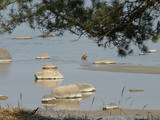 |
Западное побережье Рижского залива – важное место пристанища и питания большого количества мигрирующих пород птиц на протяжении года. Наиболее встречаемые виды птиц - краснозобая и чернозобая гагара, юрмальская большая утка, морянка, темная утка и малая чайка. Территория находится напротив Дундагского, Ройского и Энгурского края, а также города Юрмалы, площадь – 132 173 га. Территория включает морскую часть природного парка «Энгуре» и Кемерского национального парка.
|
|
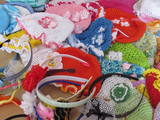 |
В магазинчике «Сундук рукоделия» можно осмотреть и купить работы сабильских жен – связанные крючком и на спицах перчатки, носки, шапки, шарфы и другие полезные вещи, которые послужат и как замечательные подарки, и как сувениры. |
|
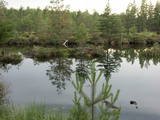 |
This territory is around 9 square kilometres in size and is found to the North of the village of Kūdra, where the so-called old peat quarries are found. Peat was extracted here during the first period of Latvian independence. Today the territory is overgrown, preserving the old and flooded quarries which offer a very unusual landscape. The best way to examine them is on foot or bike, taking the road from the Kūdra railroad station which leads to Lake Sloka. |
|
|
|
Eine gut eingerichtete Strecke des Flusses Driksa (ein Nebenarm des Flusses Lielupe) mit einer zweistufigen Promenade, der im Baltikum einzigartigen Brücke Mītava, Aussichtsplätzen, dem Denkmal Student von Jelgava u.a. |
|


