
| Nr | Name | Beschreibung |
|---|---|---|
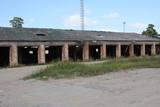 |
In der Zeit der Sowjetunion befand sich in der Abteilung der Panzer ein Lehrregiment. Heutzutage ist das Objekt degradiert und bewirtschaftet werden nur die Gebäude der Renovierung und die wirtschaftlichen Gebäude der ehemaligen Abteilung der Panzer. Das übrige Territorium wird nicht genutzt und es ist nicht bewacht.
|
|
 |
Klusā lauku teritorijā un priežu jaunaudzes ielokā atrodas ģimenes uzņēmums ar videi draudzīgu saimniekošanas filozofiju - "LavenderVilla". Teritorijā ir izveidots lavandas lauks un lavandas labirints ar ~ 6000 lavandas stādiem. Saimniecības apmeklētājiem tiek piedāvāts iepazīties ar lavandas audzēšanu, ko izmanto dizaina priekšmetu, ēteriskās eļļas un tējas ražošanai. Papildus tiek piedāvāti naktsmītnes pakalpojumi lavandas un zāļu atpūtas namiņā, pasākumu organizēšana (joga līdzās lavandām, tematiskie pasākumi, kāzu ceremoniju vieta u.c.), pirtnieka pakalpojumi, fotografēšanās iespējas lavandas laukā un lavandas pārtikas produktu degustācijas. |
|
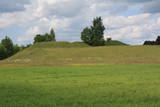 |
Eine von den relativ wenigen Wallburgen an den Daugava-Ufern, die nicht mit Bäumen und Gebüsch bewachsen sind, deswegen zeichnet sich eine klassische Form der Wallburg im Landschaftshintergrund ab. Die Wallburg von Dignāja wurde zu unterschiedlicher Zeit besiedelt, aber das Aufblühen im Zeitraum vom 5. bis zum 9. Jahrhundert erreichte, als sich hier ein bedeutendes Zentrum befand. Die Funde zeugen, dass die Wallburg von Dignāja von den lettgallischen Stämmen besiedelt wurde. Nach dem Einfall der Kreuzritter wurde auf der Wallburg eine Ordensburg gebaut, die bis heutzutage nicht erhalten ist. Es sind die Legenden, die über einen ehemaligen unterirdischen Gang unter der Burg erzählen. Von der Wallburg ist einen schönen Blick aufs Daugava-Stromtal. Auf der Wallburg sind die Schutzgräber aus der Zeit des Ersten Weltkriegs erhalten. Am Fuß der Wallburg befand sich einst eine Siedlung. |
|
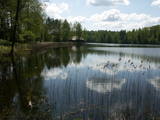 |
Lake Salājs is full of bays and islands. Alongside Lake Little Solojs, which is next to Lake Salājs, is the Milka castle hill and a leisure facility there. This is a beautiful area, and it is protected for environmental purposes. |
|
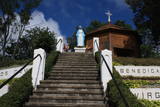 |
Находится в 50 м к западу от Лудзенской католической церкви. Построена в 1738 году в форме восьмиугольной ротонды и служила местом отдыха графов Карницких. Небольшое здание с дощатой обшивкой, деревянным потолком и кирпичным полом. Возле капеллы установлена скульптура Девы Марии (1934 г.) работы лудзенского художника Леона Томашицкого - королевы земли Мары. |
|
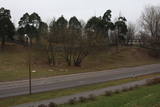 |
Entsprechend der zugänglichen Information war in diesem Platz für Militärziele vorausgesehenes Versuchslaboratorium der Luftfahrtmotoren. Heutzutage zeugt nichts mehr davon, weil das Territorium industriell und nicht zugänglich ist.
|
|
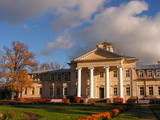 |
Das Landgut von Krimulda (deutsch Cremon) ist in den schriftlichen Quellen zum ersten Mal schon im 15. Jh. erwähnt worden. Das heutige Schloss von Krimulda erhebt sich prachtvoll gegenüber der Luftseilbahn von Sigulda auf dem Hang des rechten Grundufers des Urstromtales von Gauja. Sowohl auf das Schloss (vom anderen Ufer und von der Luftseilbahn), als auch aus dem Schloss eröffnet sich eine wunderschöne Aussicht auf das Urstromtal des Flusses Gauja. Das Schloss von Krimulda wurde im 19. Jh. im Neoklassizismus gebaut und sein Inhaber war der Fürst Lieven. In den 1920er Jahren gelang das Schloss nach der Enteignung im Eigentum des Lettischen Roten Kreuzes, das dort ein Sanatorium für Kinder eingerichtet hat. Heute befindet sich in diesem Schloss das Rehabilitationskrankenhaus Krimulda, aber von den wirtschaftlichen Gebäuden des Landgutes haben sich die Ställe, das Haus der Diener und der Verwalter und das sogenannte Haus der Schweiz erhalten. Im Landgut von Krimulda werden Führungen organisiert und hier kann man auch übernachten. |
|
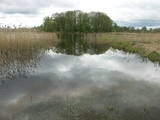 |
Dabas liegums veidots ezera, tā salu, ainavas, augu, putnu un sikspārņu aizsardzībai. Liegumu var apskatīt "no malas" - no ceļa, kas iet gar tā ziemeļu un ziemeļaustrumu robežu.
|
|
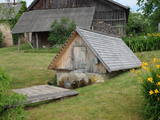 |
Die ältesten Informationen über die Quelle von Tirza stammen aus der Mitte des 18. Jh., aber die Quelle wurde schon viel früher verwendet. Nach Waschungen oder dem Wasserschöpfen wurde der Quelle geopfert. In der ersten Hälfte des 19. Jh. begannen der Baron von Tirza und die Kirche einenKampf gegen die heidnischen Traditionen, sie waren jedoch nicht sehr erfolgreich. Über der Quelle wurde eine Überdachung gebaut und noch heute kommen Menschen zur Quelle, um Wasser zu schöpfen. |
|
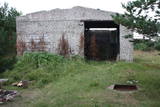 |
Am Posten der Küstengrenzwache in Labrags sind die Scheinwerfergebäude erhalten geblieben. Das Objekt ist ein Privateigentum.
|
|
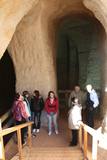 |
The area of the ancient Piusa River valley that is between the villages of Vana-Vastseliina and Ignasõ is around 15 km long, features some substantial rapids, and offers a view of beautiful Devonian period cliffs. The largest, Härma müür, is 43 metres high and is the highest sandstone cliff in Estonia. There are caves from old mines in the village of Piusa. A small part of the mines, which have tunnels that are more than 10 km long in all, has been tured into a local museum.
|
|
 5 Tagen
|
Ein historischer Weg von Rīga nach Liepāja durch Jelgava, Dobele, Saldus, Skrunda, Durbe un Grobiņa ist schon seit dem 13. Jh. bekannt. Vom Altertum zeugen auch die Reste der skandinavischen Siedlung in der Nähe von Grobiņa. |
|
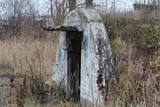 |
Im südwestlichen Teil der ehemaligen Flugplatz von Spilve sind noch immer betonierte Plätze erhalten geblieben. In der Zeit der Sowjetunion wurden diese Plätze als Station für militäre Drehflügler genutzt.
|
|
 |
Eine von Nadelbaumwäldern bedeckte Halbinsel. Malerisches Käsmu Steinfeld, Matsikivi Stein, Vana Jüri Stein u.a. Bei passenden Bedingungen kann man sich auf einer steinernen Landzunge bis zur 0,5 km entfernt liegenden Insel Saartneem schleppen. |
|
 |
Celta 1933. g. vietējai brāļu draudzei. Baznīcā atrodas glezna “Kristus” (1850. g.) un Liepājas meistara Jēkaba Jauģieša 1920. g. darinātās ērģeles. Mūsdienās dievnamu izmanto Bārtas draudze. Pie baznīcas novietots akmens apkaimes represētajiem iedzīvotājiem. |
|
 |
The craftsman offers useful household products such as terrines, pots to make pickles, dishes of sugar and salt, bowls, etc. You can learn about pottery traditions and watch as the kiln is opened. |
|
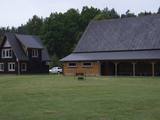 |
Just 20km from Valmiera down the river Gauja in Gauja National park theritory we own fabilous place for lovers of leisurely holidays with good active tourism possibilities. Main building with kitchen, shower, WC and higher standard accomodation possibilities. Big shelter with lodges next to it. Big area with fireplace. Sleeping facilities in 2 nd floor and some extra sleeping facilities and big shelter in separate building. There are You can find marked bicycle trail Valmiera-Cēsis next to the CAMP CAUNĪTES. Guests can use canoes for fishing or short tours along the river Gauja. |
|
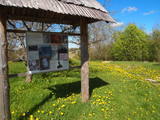 |
Latvijas un Igaunijas Neatkarības karā nenovērtējami nozīmīgas bija tieši Cēsu kaujas 1919.gada jūnijā.Atpūtas vieta-kempings "Amatas upe" ir lieciniece tieši šo un vairāku citu kara notikumu norisei - par to liecina vēsturiskie avoti muzeju arhīvos, kā arī mūsdienās redzamās aprises dabā. Par to, kur un kā sākās varoņstāsts, kas noslēdzās ar abu kaimiņtautu: igauņu un latviešu brīvību, ir iespējams uzzināt arī dažādu veidu programmās - stāstījumā par Cēsu kauju noslēpumiem un dažādu veidu pārgājienos vai izbraucienos pa galvenajām Cēsu kauju vietām, vai arī Cēsu kauju aizraujošā "izspēlēšanā". Atpūtas daļā - apmeklētājiem ir iespēja nobaudīt spēcinošu "kara zupu". Ekskursijas pa Cēsu kauju vietām-dažāda ilguma, izstrādāsim tieši jums piemērotu variantu! |
|
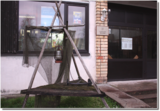 |
Museum von Lapmežciems – hier kann
man die Geschichte über den Umkreis,
Schule und Entwicklung des Fischfangs
erfahren. Es gibt auch Material über die
Kämpfe der finnischen Jäger im Umkreis
von Klapkalnciems. Es werden auch
thematische Kurzausstellungen organisiert.
Nebenan steht der Gedenkstein für die
politisch Unterdrückten.
|
|
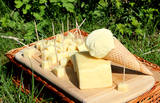 |
Ein Cafe auf der Sommerterrasse, befindet sich auf dem Strandgelände des Parks von Preili. Das Cafe bietet ein 100% natürliches hausgemachtes Eis mit Beeren an. Vor Ort werden frische Pfankucken "Pampūkas" gebacken. Das Strandcafe ist nur vom Mutterstag (der 8. Mai) bis zum Vatterstag (der 11. September) geöffnet. Für die Touristengruppen – Exkursionen und Verkostung vom Käseeis. |
|


