
| Nr | Name | Beschreibung |
|---|---|---|
 |
The outworker offers different garlic and other vegetable products: marinated garlic flowers, different mixed vegetables; dried garlic rusks, etc. The groups are offered food tasting. |
|
 |
Ein beliebtes Café im Zentrum von Sigulda, gegenüber dem Bahnhof. Serviert Frühstück, Salate, Snacks, Hauptgerichte. Natürliche, köstliche Süßwaren und kulinarische Spezialitäten. |
|
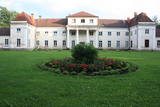 |
The Varakļāni Estate has a mansion which is known as one of the most outstanding monuments to Classicism in Latgale. It was built between 1783 and 1789 and designed by the Italian architect Vincento Macotti, and it was owned by Earl Michael Johan Borch. Late in the 18th century, the same architect designed the estate’s lovely and romantic landscape park, which was one of the first parks of its kind in Latvia. The Varakļāni Administrative District Museum is housed in the mansion today. |
|
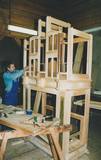 |
Die einzige Stelle in Lettland, an der man alte Orgeln erneuert und neue Orgeln, sowie die Drehorgeln baut. Die Meister erzählen den interessierten Gruppen über die Geschichte des Orgelbaus, die Prinzipien, einen Wirkmechanismus der Musikinstrumente. Die Werkstatt wurde 2004 in einem ehemaligen Stall des Pastorats eingerichtet. Der Besitzer und Leiter der Werkstatt ist Jānis Kalniņš. |
|
 |
Puises „centrā” uz vienstāvu koka mājiņas jumta izveidota skatu platforma. No tās paveras laba ainava uz ciemu, ostu un piekrastes kadiķu laukiem. |
|
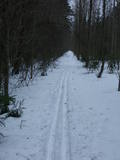 |
Diese Straße ist eine der einzigartigsten historischen Sehenswürdigkeiten des Dorfes Bigauņciems. Die Straße beginnt an der Küste, setzt sich als eine Straße mit demselben Namen fort, überquert den Fluss Vecslocene (hier gibt es keine Brücke, aber Fußgänger und Radfahrer können den Fluss überqueren) und schlängelt sich als ein Waldweg bis zum See Melnezers. |
|
 |
Piemājas zoodārzs "Brieži" atrodas netālu no Rīgas. Šeit sastopami daudzi un dažādi dekoratīvie putni, tītari, pīles, fazāni, pāvi un žagata, starp tiem dzīvo jūrascūciņas un truši. No četrkājainajiem draugiem te var sastapt Holandes pundurkaziņas, Haidšnukes aitas, Šetlandes ponijus, ēzeļu ģimeni, vāverēnus un jenotpuiku Bārniju. Zoodārzu palīdz sargāt zosu bariņš un Peruāņu pundursivēns - Pigis. No 2015. gada Briežos dzīvo arī dambrieži un briedis Munžaks. Pēc pastaigas zoodārzā, iepriekš piesakot, iespējams izmantot piknika vietas un bērnu rotaļu laukumus. |
|
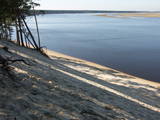 |
Ein wichtiger Komplex an Küstenlinie und Sanddünen entlang der Mündungen der drei Flüsse – Lielupe, Daugava und Gauja. Diese Gegend hat sehr alte Traditionen für Erholung und Kurbetrieb. Das Gebiet hat eine wunderschöne Küstenlandschaft und weist eine der wenigen Küstenwiesen von Lettland auf. Der Park umfaßt auch einige geschützte Areale – die Wiesen der Lielupe – Mündung, Vakarbuļļi, Daugavgrīva, Vecdaugava und Ummis (siehe Abteilung “Geschützte Naturareale”). Interessante Naturelemente in dieser Gegend sind das Amphitheater der Garciems – Dünen, zusammen mit einzelnen Dünen wie der Legzdiņi – Düne und der sogenannten Skiberg – Düne. Besucher werden durch verschiedene Kulturdenkmäler angezogen - den Befestigungsanlagen auf der Mangali – Insel, Militärbauten aus der russischen Zarenzeit bis zum Ende der sowjetischen Okkupation, der Festung von Daugavgrīvak, dem Vecāķi Kurbad mit seinen alten Küstenbauten und den Stränden von Daugavgrīva und Vecāķi. Die Nähe zur Stadt Riga und die verschiedenen wichtigen Erholungseinrichtungen sind der Grund für die vielen Erholungssuchenden in diesem Gebiet. Der Naturpark ist für aktiven Tourismus geeignet (wandern, Rad und Boot fahren, Autosport), Langlaufski, Natur- und Vogelbeobachtung, Kulturtourismus, passiver Freizeit- und Bildungstourismus. Es gibt Naturpfade in den Daugavgrīva- und den Rožu-Dünen zusammen mit anderen Einrichtungen der Infrastruktur.
|
|
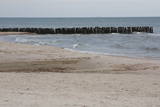 |
Die Meeresenge von Irbe ist sehr wichtig während der Vogelmigration. Von den geschützten Vogelarten begegnet man hier am meisten der Samtente, der Trauerente, der Eisente, der Zwergmöwe, dem Sterntaucher und dem Prachttaucher, sowie auch der Teiste. Das Gebiet befindet sich gegenüber der Regionen Dundaga und Ventspils. Die Fläche beträgt 172 412 ha.
|
|
 |
Atrodas Ķekavā, autoceļa Rīga – Grenctāle (A 7) malā. Iekārtots vēsturiskā ēkā ar atbilstošu koka interjeru. Piedāvā maltītes visām ēdienreizēm, organizē muzikālus vakarus. |
|
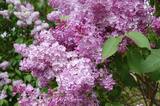 |
Das Gartenbauinstitut ist das führende Forschungszentrum für Obstbau und Gemüsebau in Lettland. Es befasst sich nicht nur mit der Auswahl und Einführung von Pflanzenarten, die für die landwirtschaftlich-klimatischen Bedingungen der baltischen Staaten geeignet sind, sondern stellt auch nahrhafte, ballaststoffreiche Lebensmittel aus den Gärten des Instituts her. Während der Frühlingsblüte haben die Gäste von Dobele die Möglichkeit, durch einen der größten Fliedergärten Europas zu spazieren, wo 240 verschiedene Fliederarten blühen. Im Mai/Juni können die Gartengäste des Gartenbauinstituts die Aprikosenbaum-, Kirschbaum-, Pflaumenbaum-, Apfelbaum-, Birnbaum- und Quittenbaumblumen genießen. |
|
 |
Starp steķiem un Tūjas ķieģeļu fabriku bija
izveidots sliežu ceļš, pa kuru transportēja labākās kvalitātes ķieģeļus.
Pēckara gados „Dzeņu” krastā uzcēla zivju pārstrādes rūpnīcu, bet pāri
steķiem – cauruli, pa kuru ar ventilatora palīdzību sūknēja zivis no kuģiem,
kas bija piestājuši steķu galā.
|
|
 |
This is a farm which produces beef. You can take a tour, during which you can learn about, taste and purchase untraditional herbs and exotic tea plants. |
|
|
|
Xранилище старинных предметов находится на втором этаже здания Туристического информационного центра в Нице. Здесь представлен более чем столетний народный костюм Ницы со всеми неотъемлемыми принадлежностями - юбкой, корсажем, кафтаном и шапкой с «ушками». В ницанском сундуке для приданого хранятся работы местных рукодельниц, которые продолжают местные ремесленнические традиции. Посетители могут ознакомиться с ницанскими одеялами, платками, скатертями и другими пригодными в хозяйстве вещами, а также с рукавицами и носками. |
|
 4 Tagen
|
Маршрут ведет вдоль обоих берегов судьбоносной реки латышей – Даугавы. В маршрут включены такие значимые места, как развалины Кокнесского замка и создаваемый «Сад Судьбы». Путешественников порадуют как чудесные виды на речные ландшафты, так и древние городища, латгальские гончарные традиции и другие мастера ремесел. Даугавпилс с предложением многообразного военно-индустриального наследия и художественным центром знаменитого художника Марка Ротко. Информация о маршруте от Latvijas Lauku forums |
|
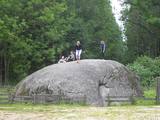 |
Dieses Territorium wurde eingerichtet, um die verschiedenen Arten seltener Schmetterlinge zu schützen. Ein beliebtes touristisches Ziel in den Nīcgaļe-Wäldern ist der große Felsen von Nīcgaļe, der größte Felsen in Lettland – ein geologisches und geo-morphologisches Naturdenkmal. Der Felsen hat einen Umfang von 31,1 m und ist 3,5 m hoch, 10,5 m lang und 10,4 m breit mit einer Gesamtgröße von 170 m3.
|
|
 |
Uzcelts Kaņiera pilskalnā un ir Kaņiera pilskalna takas sastāvdaļa. No torņa paveras izcila Kaņiera ezera dienvidrietumu daļas ainava ar niedru saliņām un nelieliem atklāta ūdens laukumiem. Laba putnu vērošanas vieta. |
|
 |
Saimniecība atrodas Ziemeļvidzemes biosfēras rezervātā, netālu no Burtnieku ezera. Tajā audzē kazas un gatavo kazas sieru. Saimnieki rūpīgi seko līdzi dabas procesu ciklam un ciena dabai draudzīgu dzīvesveidu. Papildus sieram sezonāli iespējams iegādāties arī upeņu ievārījumus, zāļu tējas un vilnas izstrādājumus. SieriTiek piedāvāts baltais, svaigais kazas siers bez piedevām. Tāpat pieejama kazu piena karamele - smēriņš. Kā top siersSiers top ilgi un pacietīgi visa gada garumā no pašu saimniecības kazu piena. Tā ir pilna cikla saimniekošana: saimnieki stāda, ravē un novāc ražu, ēd paši un dod ēst kazām. Kazu dziļās kūts uzkrājumi katru rudeni tiek vesti uz lauka, lai katru nākamo gadu “atdzimtu” ēdamajos dārzājos. ApmeklētājiemTā kā kazu pienam ir sezonāls raksturs, piedāvājumā divu veidu apmeklējumi:
Kur iegādāties sierusSaimniecībā uz vietas, Slow Food Straupe tirdziņos, Vidzemes lielākajos gadatirgos. Internetā: https://tirgus.novadagarsa.lv. |
|
 |
Hier kann man die Geschichte und das Kulturerbe der Liven von Vidzeme kennenlernen, indem man die Sammlung des Museums besichtigt und die Gerichte und Getränke probiert, die früher dieser Region charakteristisch waren: Graupengrütze und das nach alten Rezepten gebraute, starke alkoholische Getränk Škaļika. Gruppen von Interessenten können hier in einem ländlichen Ofen Roggenbrot backen. Lettische Küche: Gerstengrütze mit gebratenen Fleischstücken und Zwiebeln und mit Marmelade oder Soße aus Moosbeeren oder Preiselbeeren, Kräutertee mit einem Moosbeerensirup, alkoholisches Getränk Škaļiks. |
|
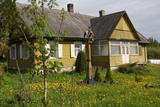 |
Kretoņu (Kretuonas) ezera dienvidu krastā (ezeru gan neredz aizauguma dēļ) meklējams Kretoņu ciems. Šķiet, ka šī vieta ir „aizķērusies" pagātnē. Cauri ciemam iet viena iela, kurai abās pusēs izvietojušās 19. – 20. gs. mijā (dažas pat mazliet agrāk – 19. gs. vidū) celtās saimniecības. Te redzamas gan dzīvojamās, gan saimniecības ēkas, kuras rada etnogrāfiska brīvdabas muzeja sajūtu. Dažas no tām gan ir „padevušās" laika zobam. Lai vai kā, šis ir viens no neparastākajiem nacionālā parka etnogrāfiskajiem ciemiem, kuru pa „galveno ielu" vērts izstaigāt visā garumā. Šim, tāpat kā pārējiem etnogrāfiskajiem ciemiem ir piešķirts kultūras mantojuma objekta statuss. |
|


