
| Nr | Name | Beschreibung |
|---|---|---|
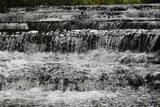 |
Krāčains Lobu upes (Loobu jõgi) posms pie Joaveski ciema, kur ~ 160 m garumā upes gultnē, tai šķērsojot Ziemeļigaunijas glintu, izveidojušās izmēros nelielas, tomēr ļoti ainaviskas un skaistas 0,5 – 1 m augstas ūdenskritumu kaskādes. 1898. g. šeit uzcēla hidroelektrostaciju, kuras atliekas ir redzamas upes labajā krastā. Iecienīta pavasara laivotāju treniņu vieta. |
|
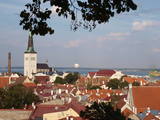 |
Die Hauptstadt von Estland. Die Altstadt (auf der UNESCO-Liste des Weltkulturerbes) ist ein hervorragendes mittelalterliches Baudenkmal (14. – 15. Jh). Die ehemalige Hansestadt. |
|
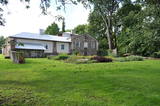 |
Olustvere ist eines der besterhaltenen Gutskomplexen in Estland, umwoben von einem englischen Park und einem Allee von uralten Bäumen. In den verschiedenen Gebäuden des Gutshauses kann man Kollektionen von ausgestopften Vögeln, Holzpferden und Antikmöbel sehen. Besuchen sie Handarbeits, Wollestube, Schmiede, Keramik-und Glaswerkstatt und Schnapsbrennerei. Man kann an Workshops teilnehmen. Im Hauptgebäude befindet sich das Tourismus-Zentrum. |
|
 |
Auf dem Urbo-Hügel befindet sich der 1953 ronovierte schönste Leuchtturm an der Küste Litauens. Das Licht von diesem Leuchtturm kann man in einer Entfernung von 22 Seemeilen sehen. |
|
 |
Piemājas saimniecība "Rudā lapsa", kas atrodas Ludzas novadā, interesentiem piedāvā iespēju iepazīt laukus, apskatīt mājdzīvniekus, saklausīt dabu, ļauties mierīgai atpūtai. Tiek piedāvātas telšu un piknika/ugunskura vietas. Ciemos tiek gaidīts katrs, kas vēlas atpūsties un izrauties no ikdienas skrējiena. |
|
 |
Dieses einstöckige Haus aus Holz befindet sich am Planetarium im Zentrum von Ventspils. Seine Innenausstattung ist in einem altertümlichen Stil eingerichtet, dabei sind alte Haushaltsgegenstände und Handwerksarbeiten verwendet worden. Lettische Küche: Lammfleischsuppe, gebratene Stierhoden, gegrilltes Schweinefleisch, Schweinerippen, im Ofen gebackener Schweineschenkel, Schweineschnitzel, Roggenbrotkuchen, Quarkcreme. |
|
 |
This viewing tower is on a narrow peninsula among Lake Lukna, Lake Višķi, and Lake Boltars. From it, you can see all three lakes, the hillocks of the area, as well as Ambeļi and Višķi. Come here when the bird-cherry trees are in bloom!
|
|
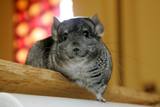 |
The owner of the farm offers attractive tours during which you will learn about chinchillas, animal enclosures, as well as quails which you can view and purchase. |
|
 |
Heutzutage ist die ehemalige sowjetische Abteilung der Flugabwehr in Jūrkalne ein Privateigentum und da befindet sich eine Mototrasse.
|
|
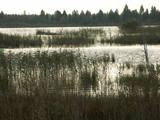 |
Seit der Mitte des vorigen Jahrhunderts wurde in der Seda – Heide Torf abgebaut, trotzdem bleibt es eins der wichtigsten NATURA 2000 Territorien in Lettland mit einer grossen Vielfalt an Landschaften, Biotopen und Biologie – insbesondere Vögel. Dies ist ein guter Ort zur Vogelbeobachtung während der Vogelzugsaison, ein Beobachtungsturm wurde zu diesem Zweck am Sumpf errichtet.
|
|
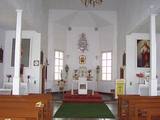 |
Holy Trinity Parish Catholic Church of Strūžāni was renovated
and sanctified in 1958. The church has no towers because they were not allowed in the time of the Soviet
Union.
|
|
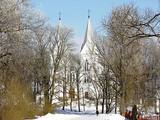 |
Holy Jesus Heart Roman Catholic Church of Bikova
(Gaigalava). Enjoy the Gothic forms and architectural design of the church. The church and the altar are
decorated with the icons of Zebedee sons – James and John (the apostles of Jesus) and other saints.
|
|
 |
Atrodas Kokneses tūrisma centra telpās (1905. gada ielā 7). 160 cm garais un 120 cm augstais makets ir Vittingenas (Vācija) dāvinājums Koknesei, atzīmējot 10 gadu sadraudzības jubileju. Šāda Kokneses pils izskatījās ap 1701. gadu. |
|
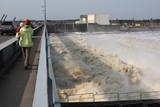 |
Das größte Wasserkraftwerk Lettlands, der erste Bauabschnitt begann 1936 am rechten Daugavaufer (Architekt E. Laube). Das erste Maschinenhaus (mit einer Leistung von 17 MW das größte im gesamten Baltikum) wurde 1936 in Betrieb genommen. Von 1976 – 1979 fand der zweite Bauabschnitt des Kraftwerkes statt, dabei wurde ein neues Gebäude am linken Daugava-Ufer errichtet, drei neue Turbinen mit Generatoren aufgestellt und somit die Leistung des Kraftwerkes auf 260 MW gesteigert. Weitere Rekonstruktionen am Kraftwerk fanden von 1998 – 2001 am linken Daugava-Ufer statt, wo sich jetzt auch das Energetik- Museum befindet. |
|
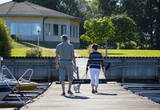 |
Das Hotel liegt in der Nähe des Meeres in einer ruhigen Umgebung, nur einen kurzen Spaziergang vom Zentrum von Ekenäs in Raseborg entfernt. In der Nähe finden Sie Restaurants, Geschäfte, den Bahnhof und die Strände. |
|
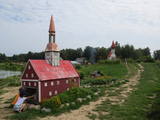 |
There are attractive and miniature structures and pastures here for 65 different types of rabbits. Children can look at the bunnies and form contacts with other animals such as goats and sheep. |
|
 |
Ideja par "DA'ZIEPE" radās iedvesmojoties no Amatas novada dabas un idejas par pilnvērtīgu pieejamo resursu izmantošanu. Ziepes tiek gatavotas no liellopu vai briežu taukiem, augu eļļām un ziepju zālēm, kā arī papildinātas ar dažādām ēteriskajām eļļām un dabīgajiem aromātiem. |
|
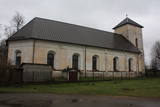 |
Atrodas Grobiņas centrā, Dzērves laukuma malā. Pirmā baznīca Grobiņa bija celta jau ap 1560. g., bet nākamā – 1596. g. celtā iznīcināta 1659. g. zviedru iebrukuma laikā. Pēc Kurzemes un Zemgales hercoga Jēkaba Ketlera iniciatīvas 1664. g. tiek uzcelts jauns dievnams, ko atjauno 1892. gadā. Tas dedzis 2. pasaules kara laikā, bet vēlāk atkal atjaunots. Šobrīd notiek altāra restaurācijas darbi. |
|
 |
Cīravas muižas ūdensdzirnavas būvētas 1881. g., bet 20. gs. – pārveidotas. Šīs ir vienas no salīdzinoši retajām Latvijas ūdensdzirnavām, kas tādā apjomā saglabājušas vēsturiskos mehānismus. Apskatāmas no ārpuses. |
|
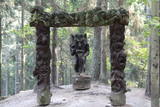 |
Eine große parabolische Düne mit einer Ausstellung der Holzskulpturen unter freiem Himmel, die der litauischen Mythologie gewidmet sind. Die Skulpturen haben litauische Meister der angewandten Kunst angefertigt. |
|


