
| Nr | Name | Beschreibung |
|---|---|---|
 |
Das Gebäude befindet sich in der Brīvības Straße 125 a. Auf einem Spaziergang durch die Stadt ist es wert, dem ältesten Gebäude der Stadt Aufmerksamkeit zu schenken. Es befindet sich unweit von der evangelisch-lutherischen Kirche des Heiligen Michaels in Jēkabpils (Eigentum der Gemeinde; mit dem Bau wurde im Jahr 1769 begonnen). Das Holzgebäude ist im Jahr 1808 gebaut worden. |
|
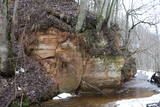 |
It is worth hiking this road where in crosses the Šlītere Blue Hills. This part of the road is approximately one kilometre long, and it goes down to the valley of the stream which crosses the hills. The place has been given a peculiar name – the Kušperlankgrāvis ravine (or the Zeltiņi ravine, as is claimed in other sources). If you're driving, be careful, because there is no bridge here, just a ford. During the early spring or the winter, you will appreciate the ravines and the impressive Blue Hills themselves. Impressive sandstone cliffs which are several metres high and have been vandalised by human hands are on both sides of the road. There is a small niche in one of the cliffs. To the right (East) from the road at the terrace of the Blue Hills is a side road which leads to the Mežlīdumi homestead. Please be gentle with the cliffs! |
|
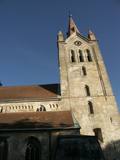 |
The tower of St John’s Lutheran Church in Cēsis, which is one of the oldest stone buildings in Vidzeme, offers a view of the historical centre of Cēsis, and a wide area all the way to Zilaiskalns Hill. There is also the western tower of the ruins of the Cēsis castle, one of the strongest fortresses of the Livonian Order in the Baltic region, and it offers a grand view of the castle’s park.
|
|
 |
The farmstead grows apples, strawberries, black currants, red currants, etc., berries and fruits; there is a big selection of processed goods: natural juices, nectars and syrups. There are offered apple, strawberry, red currant, gooseberry, sea-buckthorn and chokeberry saplings; consultations are given for making out a commercial garden and taking care of it. Excursions around the commercially grown plants. |
|
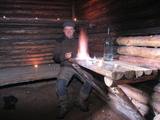 |
Am Metsavenna Bauernhof an der estnisch-lettischen Grenze haben Sie die Möglichkeit während der Waldbrüdertour Waldbrüder in ihren Verstecken aufzusuchen, sich in einem Bunker aufzuhalten, sich Geschichten aus der Nachkriegszeit anzuhören, Windrauschen zu schmecken und gemeinsam mit dem Wirt Lieder von den Waldbrüdern zu singen. Für Abernteuerlustige gibt es die Möglichkeit im Bunker der Waldbrüder zu übernachten. Im Winter gibt es hier einen Rodelberg, man kann Schlittenfahrt geniessen. |
|
 |
Angla auf Insel Saaremaa ist bekannt vor allem durch unikalen Mühlenberg mit fünf Mühlen, von denen vier für die Insel Saaremaa typische Bockmühlen sind und eine die Holländerwindmühle ist. Alle Mühlen sind für Besucher geöffnet. |
|
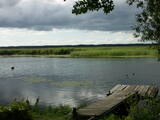 |
Das ist ein großes Territorium mit Küstenwiesen, alten Flüssen und Schilf. Es befindet sich in einem Gebiet, wo die Daugava floss – zwischen Vecmīlgrāvis und Vecāķi. Hier gibt es Binnendünenwiesen, mit dem sehr seltenen Silbergras bedeckt. Vecdaugava ist ein wichtiges Nistgebiet, hier werden verschiedene seltene Pflanzenarten gefunden. Am südlichen Ende der Vecdaugava – Insel, bei Skanstnieki, kann man noch Überreste von schwedischen Befestigungsanlagen aus dem Mittelalter finden. Das Regionale Forschungs- und Fischereimuseum von Vecdaugava befindet sich auch hier.
|
|
 |
Im Herzen des Nationalparks Lahemaa liegt ein enzigartiger Hof, Handarbeitshof Jaanoja. |
|
 |
Lahemaa bedeutet auf estnisch “Land der Buchten“. Der erste Nationalpark im Baltikum (1971). Der Park wurde für den Schutz der biologischen Vielfalt, Inseln, geologischen Objekte, archeologischen Denkmäler, Landgüter, Fischerdörfer u.a. gegründet. |
|
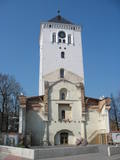 |
Die bedeutendste Periode der Stadt ist mit der Zeit von 1561 bis 1795 verbunden, als der Kreis von Jelgava dem Herzogtum von Kurland und Semgallen gehörte. Als Jelgava zur Residenz des Herzogs (1567) und zur Hauptstadt des Herzogtums (1616) wurde, blühte die Stadt schnell auf. Der höchste Punkt der Entwicklung war in der Regierungszeit des Herzogs Jacob. In der Regierungszeit der letzten zwei Herzoge – Ernst Johann von Biron und seines Sohnes Peters – wurde die Academia Petrina (1775) – die erste Hochschule in Lettland – gegründet, im Jahr 1816 wurde die Gesellschaft für Literatur und Kunst gegründet, im Jahr 1822 wurde die erste lettische Zeitung Latviešu Avīzes veröffentlicht, im Jahr 1802 wurde das erste Theatergebäude, aber im Jahr 1898 – das erste Museumsgebäude in Lettland gebaut. Im Jahr 1937 zog im Schloss von Jelgava die Lettische Landwirtschaftskammer ein, aber in zwei Jahren wurde die Landwirtschaftliche Akademie von Jelgava geöffnet. Im Sommer 1944 wurden fast die ganze historische Bebauung und die Kunstwerte der Stadt zerstört. Nach dem Zweiten Weltkrieg wurde Jelgava erneuert. Vor einer kurzen Zeit wurde auch der Turm der Heiligen Dreieinigkeitskirche erneuert, wo zurzeit eines der besten interaktiven Museen in Lettland (kinder- und familienfreundlich) eingerichtet ist. |
|
 |
A well-kept farm and garden, rabbits and various poultry - chickens, chicks - can be viewed. |
|
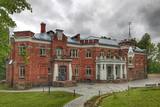 |
Der Bau des Hofes begann Anfang des 20.Jh., das Herrenhaus wurde aus Backsteinen und gehauenen Feldsteinen von 1905-1911 im Historismus und Jugendstil gebaut. Der Besitzer des Hofes Lūznava war der Ingenieur und Universitätsprofessor Stanislav Kerbedz aus St. Petersburg. Kerbedz war der erste russische Ingenieur, der architektonische Modelle für den Brückenbau ausarbeitete, die in der zweiten Hälfte des 19. Jh. maßgeblich waren. So ist, zum Beispiel, die Nikolajew-Brücke über die Newa in St. Petersburg unter seiner Leitung gebaut. Seine Frau Jewgenija war eine angesehene Kunstliebhaberin, die aus Italien verschiedene Kunstgegenstände mitbrachte. So wurde Gut Lūznava im Sommer zu einem beliebten Erholungsort für Künstler. Auch der berühmte litauische Maler und Komponist Mikolajus Čiurlionis war hier zu Besuch. Heute umgibt den Gutshof ein 23,7 ha großer Landschaftspark mit einer Teichanlage. Im Park, nicht weit vom Herrenhaus gelegen, steht eine Madonnenfigur eines italienischen Künstlers. Im 2. Weltkrieg wurde diese verstümmelt und in den Teich geworfen, aber 1991 wurde sie restauriert. 2015 wurde die Restaurierung des Hauptgebäudes abgeschlossen, und es entwickelt sich nun zu einem modernen, internationalen Umweltbildungs- und Kunstzentrum. |
|
 |
Die Wirtschaft Strauti befindet sich am östlichen Rand des Hügellandes von Embūte. Südlich wird die Wirtschaft von Wäldern eingeschlossen, wo viele Wildtiere wohnen, die man in Lettland treffen kann. Neben der Wirtschaft befinden sich die Gebäude der ehemaligen Geflügelfarm. Auf dem Hof werden Zuchtkaninchen, Schafe, verschiedene Geflügel, zwei Pferde und ein Pony gezüchtet. Auf den Feldern der Wirtschaft weiden Kühe, darunter kann man auch die blauen Kühe von Lettland besichtigen. Die Wirtin bietet Führungen für Schülergruppen und andere Interessenten an. Mit vorheriger Anmeldung kann man Kaninchenfleisch, Schafwolle, sowie die in der Wirtschaft angebauten Gemüse kaufen. Biowirtschaft. |
|
 7 Tagen
|
Diese Tour wird Sie mit Hilfe des Geschmacks durch Lettland führen. Wenn Sie Riga verlassen haben, besuchen Sie einen Hof, der auf Getreidezucht spezialisiert ist, köstliche Krokante backt und lokale Vollkorngerichte vorbereitet. Danach besuchen Sie die Burg von Bauska, die sich zwischen zwei Flüssen befindet, und die Brauerei von Bauska, die auf ihre Produkte ohne Konservierungsstoffe stolz ist. Weiter besichtigen Sie das ethnographische Museum in der Mühle von Ausekli, wo Sie ihre eigene traditionelle Pirogge vorbereiten können. Die Tour führt über den Fluss Daugava und Sie können an einem Café halten, wo man hausgemachtes Eis und einen salzigen Eissalat verkosten kann. Als nächstes genießen Sie eine Fahrt mit einem Wikingerschiff um die Ruinen der legendären Burg von Koknese und den Besuch des Schlosses von Cesvaine. Weiter folgt der Käseverkostung auf einem Ziegenhof noch eine Verkostung von Käsen, die aus Kuhmilch gemacht sind. Sie übernachten im Landgut von Vecgulbene, wo Spa-Behandlungen angeboten werden. Am nächsten Tag haben Sie die Möglichkeit, ihr eigenes traditionelles Schwarzbrot zu backen und dabei humorvollen Geschichten und Anweisungen der Bäckerin zuzuhören. Während das Brot gebacken wird, besuchen Sie einen anderen Käsehersteller in Trikata, wo Sie den Käse auch verkosten können. Sie besuchen die Brauerei von Valmiermuiza, die ein exklusives Kellerbier braut und für die lettischen Traditionen des Biertrinkens bei jedem Fest wirbt. Die reizvolle Stadt Cesis wartet auf Sie mit den Ruinen ihrer eindrucksvollen mittelalterlichen Burg, mit schmalen alten Straßen und der bekannten Brauerei von Cesis. Das historische Gebäude der Brauerei wird heute nur als eine Sehenswürdigkeit benutzt, aber das Bier wird in einem modernen Gebäude hergestellt. Diese Brauerei ist die zweitgrößte in Lettland. Nach dem Besuch der Brauerei fahren Sie zu der Windmühle von Araisi, wo Sie einen traditionellen Brei probieren können. Vor der Rückfahrt nach Riga besuchen Sie noch die Burg von Turaida. |
|
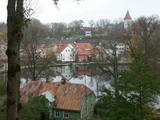 |
The historical centre of Talsi, which is known as the town of nine hillocks. The historical construction around Baznīckalns hill, Lake Talsi and Lake Vilkmuiža mostly dates back to the 19th century. Lielā Street is particularly beautiful with its low-rise buildings (two or three floors and ridged roofs). There are beautiful views from the area around Lake Talsi and Ķēniņkalns hill. |
|
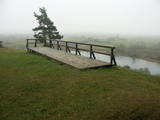 |
In Dagda, on the side of Daugavpils Street, there is a forested hillock that is the Lubāne castle hill. On the upper part of its southern side, there’s a viewing area which offers a view of the small Lake Lubenenis, the eastern part of Dagda, and the white tower of the local Catholic church. Legend has it that treasure is buried here.
|
|
 |
Café mit freier Atmosphäre in Ādaži. Die Terrasse bietet einen weiten Blick auf die Ufer des Flusses Vējupe und wunderschöne Sonnenuntergänge. Hier wird moderne Weltküche angeboten - Salate, Snacks, Suppen, reichhaltige Hauptgerichte, Burger und alkoholfreie Getränke. |
|
 |
Das Grab der Eltern von Kapitän A. Bertholds
mit einem ungewöhnlichen Grabmal.
|
|
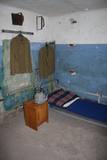 |
Viens no parka neparastākajiem vēstures objektiem, kas apvīts ar daudzām leģendām un noslēpumiem, par kuriem vēl joprojām nelabprāt izsakās ar to saistītie cilvēki. Zināms, ka bāzi laikā no 1960. – 1962. g. ļoti stingrā slepenībā cēla ~ 10 000 kareivji no citām padomju republikām. Pazemes ejas bija būvētas tā, lai pa tām varētu pārvietoties tikai maza auguma cilvēki. Zem zemes atradās 4 šahtas, no kurām varēja palaist vidējā rādiusa ballistiskās raķetes R – 12 U ar kodolgalviņām. Blakus atradās apkalpojošā personāla telpas, elektrības ģenerators, sakaru centrs u.c. Līdz 2010. g. bāzi varēja apskatīt vietējā gida pavadībā. Tagad to rekonstruē un 2012. g. plāno atklāt Aukstā kara muzeju. Bāze atrodas austrumos no Plateļu ezera, liela meža masīva vidū. |
|
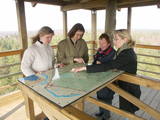 |
Ložmetējkalns in Tīreļpurvs ist ein historisches Denkmal von nationaler Bedeutung – einziger kulturhistorischen Schutzgebiet in Lettland (der Gedenkpark der Weihnachtskämpfe). Es lohnt sich, den erneuten Aussichtsturm hinaufzusteigen. Von diesem Turm hinaus kann man der Morast Maztīrelis mit der ehemahliger deutschen Schmalspurbahn, die der Morast in Nord – südlicher Richtung durchquert (eine Reihe von größeren Bäumen in der Natur) besichtigen. In der Umgebung der Häuser von Ložmetējkalns, Tīreļpurvs und Mangaļi sind für baltische Staaten einzigartige Zeugnisse über die Fortifikationsgebäuden des I Weltkrieges, als auch über die an diesem Platz geführten Weihnachtskämpfe erhalten geblieben. In Mangaļi ist es möglich die Exposition über die Kämpfe anzusehen, zum Beispiel sogenannter "Deutscher Wall " u.a. Die Besucher haben die Möglichkeit in Begleitung eines gebildeten Reiseführers das Territorium zu besichtigen. Im Park findet auch thematische und bildende Maßnahmen statt.
|
|


