
| Nr | Name | Beschreibung |
|---|---|---|
 |
The farmstead grows apples, strawberries, black currants, red currants, etc., berries and fruits; there is a big selection of processed goods: natural juices, nectars and syrups. There are offered apple, strawberry, red currant, gooseberry, sea-buckthorn and chokeberry saplings; consultations are given for making out a commercial garden and taking care of it. Excursions around the commercially grown plants. |
|
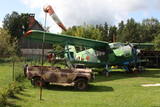 |
Das einzige Kaffee in Lettland, das ein sehr ungewöhnliches Interieur – mit Miltärtechnik und Gegenstände, darunter auch der Stil der sowjetischen Armee hat. Im Garten vom Kaffee sind auch mehrere interessante Exponate aufgestellt – Geschosse der Artillerie, Flugzeug, Kriegsautos u.a. Es lohnt sich wirklich hier eine Tasse Kaffee zu trinken.
|
|
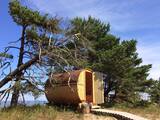 |
Ein ökologischer, einem Fass ähnlicher Bau aus Fichtenholz, der sich am Strand befindet. Das Bett befindet sich am Fenster, um romantische und der Natur nahe Gefühle zu erwecken. Ein ausgezeichneter Ort zur Beobachtung des Sonnenuntergangs und Sonnenaufgangs, sowie zum Genuss der Nähe der Ostsee. |
|
 |
Die Lettischen Schwarzköpfigen Schafe der Wirtschaft Ances wachsen in einer sauberen Umwelt – auf dem Gelände des Biosphärenschutzgebietes der Region Nord-Vidzeme, an der Grenze mit Estland, in der Gemeinde Naukšēni, wo niemals chemische Pflanzenschutzmittel und Düngemittel intensiv verwendet worden sind. Sowohl im Winter, als auch im Sommer bewegen sich Schafe frei, und der Zaun dient erstmals dazu, damit keine Wölfe und Wildschweine kommen könnten. In der Herde der Wirtschaft werden nur solche reinrassige Mutterschafe gehalten, die als Zwillinge oder Drillinge geboren sind, darunter auch Tiere für genetische Ressourcen. Die Vorgänger dieser Tiere haben Blutbeimischung von nur einer Sorte – des Deutschen Schwarzköpfigen Schafes. Die Schafe werden in Januar, Februar, August und September nur mit hochwertigen Lettischen Schwarzköpfigen Zuchtböcken in Gruppen gekreuzt. |
|
 |
Das Café bietet vor Ort hergestellte Konditoreiwaren (Piroggen, Brötchen, Kuchen, Kekse) und alle Mahlzeiten des Tages an. In Saulkrasti kann man auch das andere Café (Adresse: Raiņa iela 7) besuchen. Lettische Küche: Kalte Suppe, gemischter Salat Rasols, geschmortes Sauerkraut, hausgemachte Frikadellen, graue Erbsen mit Speck. Das besondere Gericht: Im Holzofen gebackene Pizzen. |
|
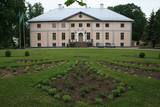 |
Das Landgutsschloss wurde in der Mitte des 18. Jh. als ein Jagdschloss gebaut, gehörte dem Adelsgeschlecht von Medem. Das Eingangsportal des Schlosses (Spätbarock) und das Marmorrelief darüber mit einem Wappen der Allianz der Adelsgeschlechte von Medem und Keizerling sind ein hervorragendes Kunstdenkmal aus dem 18. Jh. |
|
 |
Gebaut am Ende des 18. Jh. im Stil des Frühklassizismus als der Besitz der Grafen von Mellin. Saaldekorationen vom künstlerischen Wert von K. V. Kalopka (1792) und Öfen (Ende des 19. Jh.). Ein Park. |
|
 |
Territory is not attractive for a visitor without environmental knowledge and is very hard to find and reach through swampy forests on the North from Riva village. Area is not intended and appropriate for visits.
|
|
 |
Atrodas 200 m ziemeļaustrumos no akmens tilta pār Tebru. Ūdensdzirnavu komplekss celts 18. gs. beigās – 19. gs. sākumā uz Tebras upītes, uzpludinot Dzirnavdīķi. Blakus dzirnavām atrodas 19. gs. beigās celtā Aizputes muižas alusdarītava, apvienojot divas vecākas Pilsmuižas saimniecības ēkas. |
|
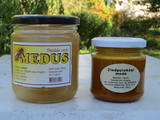 |
The owner offers honey made of various flowers, forest plants, heather and linden blossoms, pollen, bee bread, propolis, and other beekeeping products. He will be happy to give you a tour and tell you about his work. |
|
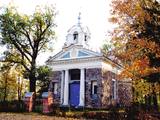 |
Kulnevskaya (Ilzeskalns) Orthodox Church was built in 1832 by Kulnevs, the landlord of Ilzenberg
(Ilzeskalns) manor house. He was also the brother of Jacob Kulnevs. The Church has an iconostasis with
icons of the 19th century. The rectangular building has semicircular niches at its sides. The members of Kulnevs
family are buried here. The place of tomb is a rare phenomenon in Orthodox churches of Latvia.
|
|
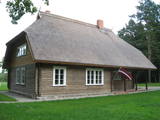 |
Das Museum „Airītes” befindet sich dort, wo der erste Oberste Befehlshaber der Streitkräfte der Republik Lettland Oskars Kalpaks und andere lettische Krieger (u.a. – drei Offiziere) am 6. März 1919 neben der Ortschaft Airītes auf dem Schlachtfeld fielen. Im Jahre 1920 hat man in Airītes durch gesammelte Spenden angefangen, ein Denkmal zu errichten, das am 3. September 1922 eröffnet wurde. 1935 hat man auf Initiative der Gemeinschaft “Das Oberst-Kalpaks-Bataillon” angefangen, ein Gebäude zu bauen, in dem ein Museum zu Ehren der Kämpfe des Kalpaks-Bataillons untergebracht sein müsste. Das Museum wurde ein Jahr später eröffnet. In der Sowjetzeit wurde die Gedenkstätte vernichtet, aber im Gebäude Post und Wohnungen eingerichtet. In der Zeit des Volkserwachens (1988 – 1989) wurde die Gedenkstätte erneuert, aber am 11. November 1990 das Oskars-Kalpaks-Museum neu eröffnet. 2007 verbrannte im Laufe der Renovierungsarbeiten der erste Stock des Gebäudes. Das Museum und die Exposition wurden 2013 erneuert. Die Ausstellungsgegenstände zeigen den Lebensweg von Oskars Kalpaks und die Teilnahme von O. Kalpaks am Lettischen Unabhängigkeitskrieg und Ersten Weltkrieg. Die Museumsarbeiter organisieren regelmäßig Gedenkveranstaltungen und Veranstaltungen zum Lāčplēsis-Tag. |
|
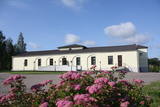 |
Gulbenes novada vēstures un mākslas muzejs dibināts 1982.gadā un apsaimnieko trīs ēkas – Vecgulbenes muižas oranžēriju, klēti un Sarkano pili. Oranžērijas ēkā izvietotas izstāžu zāles un apskatāmas divas pastāvīgās ekspozīcijas „Gulbenes vēsture” un „Jūlijs Madernieks”. Regulāri tiek atklātas dažāda satura tematiskās izstādes. Vecgulbenes muižas klētī apskatāma ekspozīcija „Tautsaimniecība”, kur apmeklētāji var iesaistīties vairākās aktivitātēs (malt ar rokas dzirnavām, pārbaudīt smaržas un taustes iemaņas, noteikt kokus, graudus, vīt virves u.c.). |
|
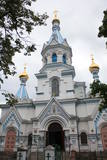 |
Atrodas t.s. Baznīcu kalnā - Tautas ielā 2. Šo uzskata par vienu no krāšņākajiem Latvijas pareizticīgo dievnamiem, kura ārējo veidolu izrotā daudzo torņu kupoli. Tā celta 1905. g. kā Dinaburgas garnizona baznīca ar daudziem nozīmīgiem mākslas pieminekļiem interjerā, t.sk. 19. gs. ikonām. Dievnams ir ikdienā atvērts un apskatāms no iekšpuses. |
|
 |
Mājas saimniecība „Pie Tēvoča Garika" piedāvā iepazīties ar nelielu dzīvnieku kolekciju. Dažus dzīvniekus var pabarot un paglaudīt. Te iespējams apskatīt gan mājas dzīvniekus, gan savvaļas dzīvniekus. Par katru dzīvnieku sniedzam informāciju. |
|
 1 Tag
|
Der Baltische Küstenwanderweg führt um die Pakri-Halbinsel herum, von der aus sich ein Blick auf die schönsten Landschaften der nordwestlichen Küste Estlands bietet. Der Pfad führt durch das Zentrum der Stadt Paldiski und biegt an der Bastion des Zaren Peter des Großen in Richtung des Leuchtturm von Pakri ab. Bis zum Leuchtturm verläuft der Weg auf dem Rücken der eindrucksvollen Pakri-Felsen. Weiter bis zum Ort Kersalu führt der Pfad mal steil bergauf über die Felsen, mal bergab zu einem sandig-steinigen Strand und einem wunderschönen Kiefernwald. |
|
|
|
Pilsētas aizsargdambi upes labajā krastā (1830. - 1841., autors kara inženieris P. Meļņikovs) cēla ar mērķi aizsargāt pilsētu no applūšanas. Dambis stiepjas 5,6 km garumā. Pēc 1922. g. postošajiem plūdiem uzsākta aizsargdambja celtniecību arī Daugavas pretējā - kreisajā krastā. |
|
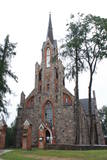 |
Found in the northern part of Cesvaine, the church was built of fieldstones in the Neo-Gothic style in 1879 by the architect Paul Max Bertschy. The church was restored in 1929 and again in the early 1990s. The altar painting, “Christ on the Cross” (1923) is by Jēkabs Bīne.
|
|
 |
Das Restaurant befindet sich im Zentrum von Talsi, am Rande der Lielā Straße. Hier kann man Gerichte aus dem Kochbuch der Großmutter, aus der Küche der Welt und ein breites Angebot an Weinen bestellen. Das Restaurant arbeitet mit lokalen Bauern zusammen. Lettische Küche: Sauerkrautsuppe mit gebratenen Schweinerippen, Graupensuppe mit Waldpilzen, Hering mit Quark, Graupengrütze, geschmorter Braten mit geschmortem Sauerkraut, Lammfleischbraten, Quarkfladen, in Lettland hergestellte Biersorten. |
|
 |
Das Café befindet sich im Zentrum von Madona. Für die Vorbereitung der Mahlzeiten werden Früchte und Gemüse aus dem eigenen Hof verwendet. Lettische Küche: Kalte Rote-Beete-Suppe, Ampfer- und Pfifferlingsuppe, graue Erbsen mit Speck, Hering, Gerstengrütze mit Fleischstücken, Pilzsoßen, Marmeladen (sieben Sorten). Das ganze Jahr über: Himbeeren- und Erdbeerendesserts. Mit Kartoffeln, Kürbissen, Äpfeln und Rhabarbern gefüllte dünne Pfannkuchen, Quarkfladen. Hausgemachte Säfte, Kräutertees, Eis-Cocktails. Das besondere Gericht: Kuchen aus hausgemachtem Biskuit mit frischen Beeren. |
|


