
| Nr | Name | Beschreibung |
|---|---|---|
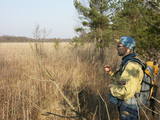 |
Dieses grüne Sumpfgrasland ist ein Gebiet zwischen Dünen, das von Zeit zu Zeit überschwemmt wird, es ist ein wichtiger Ort für geschützte Pflanzen. Dieser Sumpf kann gut von den bewaldeten Dünen, die auf der südöstlichen Seite des Sumpfes stehen, betrachtet werden.
|
|
 |
Piemājas saimniecība "Rudā lapsa", kas atrodas Ludzas novadā, interesentiem piedāvā iespēju iepazīt laukus, apskatīt mājdzīvniekus, saklausīt dabu, ļauties mierīgai atpūtai. Tiek piedāvātas telšu un piknika/ugunskura vietas. Ciemos tiek gaidīts katrs, kas vēlas atpūsties un izrauties no ikdienas skrējiena. |
|
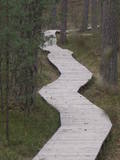 |
Zur Besichtigung steht die Umgebung der bis zu 17 m hohen Düne Ragakāpa un 100-jährige Kiefern. Entfernung ~2km (einfache Richtung!). Sie liegt im Naturpark Ragakāpa.
|
|
 |
Zirgi un citi lauku iemītnieki. Dažāda veida izklaides ar zirgiem gan saimniecībā, gan ārpus tās, un saimniecībā mitošo iemītnieku apskate. |
|
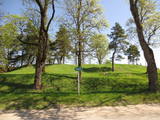 |
Is an ancient Courlandian castle hill and is found in the very centre of Alsunga. It was named in 1659 when General Berg from Kurzeme put cannons on it to attack Swedish forces that had fortified themselves in the Alsunga castle. The hill is 8 to 10 metres high and 24 x 54 metres wide, offering a lovely view of the St Michael Roman Catholic Church, as well as the Alsunga windmill lake that is alongside it. There is a distinct terrace around the hill, and it once was the foundation of wooden defensive structures. On the other side of the street, to the West of the castle hill, is a cemetery with fire graves of Courlandians that date back to the 11th to 13th century. Archaeologists examined the area during the middle part of the last century. The Suiti celebrate Easter and other holidays on the hill. |
|
|
|
Vecauces ev. lut. baznīca ir valsts nozīmes arhitektūras piemineklis. Baznīca pirmo reizi uzcelta kā koka būve 1667. gadā, bet pēc zibens spēriena 1729. gadā tā nodega. Mūra baznīca celta 1744. gadā, savukārt 1866.gadā Mēdemu valdīšanas laikā baznīcu paplašināja līdz 500 sēdvietām, izgatavoja jaunu altāri, kanceli un uzstādīja Liepājas ērģeļmeistara Kārļa Hermaņa būvētas ērģeles. meklētājiem piedāvā doties interesantā, izklaidējošā un informatīvā ekskursijā pa baznīcu, apskatot ekspozīciju "Auce pirmās Latvijas brīvvalsts laikā" un baznīcas bibliotēku (Baznīcas grāmatas (pirmās Latvijas brīvvalsts laiks – 1918.-40.g., vācu laiks, padomju laiks un šodiena)). Baznīcā izveidotajā Mākslas telpā apskatei tiek piedāvātas vairākas unikālas ekspozīcijas: skolotājas Jadvigas Kupčes grāmatu un personīgo lietu ekspozīcija, kantātes “Dievs Tava zeme deg” vārdu autora Andreja Eglīša ekspozīcija, izcilā flamenko ģitārista Andreja Kārkliņa un režisora Kārļa Pamšes ekspozīcijas. |
|
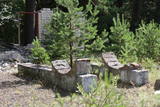 |
Der Posten der Grenzwache Ovīši 521 ist im Besitz vom Abwehrministerium der Republik Lettland und das Territorium ist für Zivilpersonen geschlossen. Nur einzelne Ruinen der Gebäude an der Düne sind für Interessenten zugänglich.
|
|
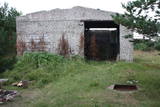 |
Am Posten der Küstengrenzwache in Labrags sind die Scheinwerfergebäude erhalten geblieben. Das Objekt ist ein Privateigentum.
|
|
 6 Tagen
|
Die Ostsee wird an der westlichen Küste von Kurzeme das Großmeer genannt. Hier gibt es hauptsächlich Sandstrände. Der Bereich des Großmeeres ist die am wenigsten bevölkerte Küstenregion in Lettland. Gleichwohl befindet sich dort auch die drittgrößte Stadt Lettlands Liepāja. Steilufer steigen vor Ihren Augen zwischen Pāvilosta und Sārnate empor. Die Dörfer sind ruhig und dünn besiedelt. Am Anfang der Route können Sie sich das militärische Erbe der Sowjetunion im Kriegshafen von Liepāja anschauen, in Pāvilosta regionalen Räucherfisch probieren und von dem Leuchtturm Užava eine der schönsten Aussichten der gesamten Route auf die Küste genießen. Die Route endet in der Hafenstadt Ventspils. Dort gibt es ein reiches Freizeitangebot und verschiedene Sehenswürdigkeiten, insbesondere für Familien mit Kindern. |
|
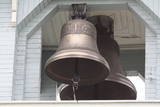 |
Das Gotteshaus ist im Jahr 1895 gebaut, aber im Jahr 1906 umgebaut worden. Auf seinem Turm befinden sich drei Glocken, die aus Silber und Kupfer gegossen sind und von denen eine zu der größten Glocke (4832 kg) in den baltischen Staaten ernannt worden ist. Neben dem Gottsehaus befindet sich ein Museum, das mit der Kultur und dem Kirchenleben der Altgläubigen bekannt macht. Dieser Ort ist einer der seltenen Orte der Altgläubigen, der öffentlich zugänglich ist. |
|
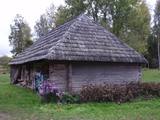 |
This is the home of singer and oral tradition keeper Lidija Jansone, who is a holder of the Latvian Order of Tree Stars and a fierce defender of the cultural heritage of the Suiti people. She will tell you about her community’s history and traditions and about the special bourdon singing of the Suiti. Lidija will also talk about how beer was once brewed by our ancestors for various celebrations. |
|
 |
Im bäuerlichen Betrieb am rechten Uferbogen des Flusses Venta werden Ziegen gezüchtet und Käse hergestellt. Der Betrieb empfängt die Besucher und bietet Verkostung und Erwerb von Produkten an. Annahme von Bestellungen. |
|
 1 Tag
|
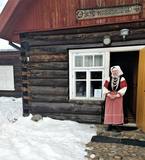
Setomaa has been inhabited for about 8,400 years, which makes it one of the oldest human settlements in Estonia. It is located on the border of Eastern and Western civilisations, bordering Russia, Latvia and Estonia. Setomaa is famous for its well-preserved traditions and culture. For centuries the local handicraft skills have been passed down within families. Seto polyphonic singing (Seto leelo) is inscribed on the UNESCO List of the Intangible Cultural Heritage of Humanity. Setos have distinctive national costumes, rich in detail and unique to each family. Perhaps most impressive is the distinctive array of Seto jewellery. These visually striking pieces not only reflect the social standing of the wearer but are also worn as a safeguard from misfortune. To this day, the Seto lifestyle remains closely tied to nature. It is common practice for the Seto not only to enjoy the natural beauty of the forest but to also use its gifts. Berries and mushrooms are picked freely in their seasons. It is best to start the tour from Võru and finish in Tartu. |
|
 7 Tagen
|
The most spectacular autumn events are the Crane shows which can be observed at the bogs and fields. The tour will pass several of these places. We have included different biotops in the tour- seacost, different forests, bogs and fish ponds- in order to see various bird species. |
|
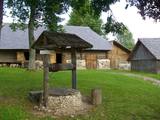 |
Es ist ein eigenartiges Freilichtmuseum in Süd-Estland, was Schul-und Dorfleben am Ende des 19. Jh-s darstellt. Auf 5 ha Territorium sind Schulhaus mit Nebengebäuden, Gerichtshaus, Armenhaus, Vorratsmagazin, Wohnriege, Bauernhaus und holländische Windmühle. Exponiert sind auch historische Landmaschienen und Fahrzeuge. |
|
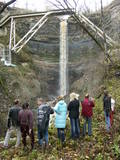 |
This is a cliff with various levels. Known as the North Estonian cliff, it stretches all along the shore of the Bay of Rīga in Estonia, including some of the local islands. The most expressive part in geological and landscape terms is the Saka-Ontika-Toila cliff, which is around 22 km long and offers an unusual natural environment. The cliff is as much as 53 m high, and it has a fairly virginal forest along its slopes. The layers of clay, sandstone, limestone, etc., come from the Cambrian and Ordovician periods. The Valaste juga (Valaste waterfall) is 24 metres high. After a longer period of freezing temperatures, the waterfall has a particularly impressive appearance. Seasonal waterfalls (8-10 m) can be found near the villages of Ontika and Toila.
|
|
 |
Im Fuchstal-Hof werden verschiedene Tiere gezüchtet: die historische Pferderasse Lusitano aus Portugal, Shetland-Ponys, andere warmblütige Pferderassen aus Europa, Anglo-Nubier-Ziegen, traditionelle litauische Rauhaarschafe und eine ganze Reihe verschiedenen Hausgeflügels. |
|
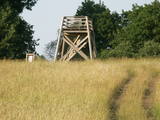 |
Der ökologische Gletschermuldenpfad und der Waldpfad im Naturpark von Embūte (nur in Begleitung eines Führers) erläutern die gletschergeformten Hügel und Schluchten von Embūte (die Schluchten mit den Böschungswäldern sind geschützte Biotope). Burgberg, Herrenhäuser, Schloss und Kirchenruine von Embūte, der Sterbeort des Oberhauptes der Kuren - Indulis, Teufelsberg, Wiesen und Aussichtsturm. Der Pfad befindet sich im Naturpark Embūte.
|
|
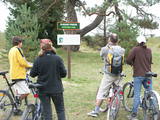 |
Ein Rundweg für Wanderer und Radfahrer, der im Ort Vaidava beginnt und am Ostufer des Sees von Vaidava entlang führt. Die Route führt über den Welkenhof (Veļķu Muiža), die schwedischen Kiefer, den Burghügel von Vaidava, verschiedene Quellen, den Findling von Rubene, den Weidauer Hof (Vaidavas Muiža) am Westufer und endet am Ausgangspunkt.
|
|
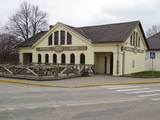 |
Atrodas Dundagas centrā, Talsu un Pils ielas krustojumā. Bistro tipa ēdināšanas uzņēmums, ko iecienījuši vietējie iedzīvotāji un pilsētas viesi. |
|


